
Find Help
More Items From Ergsy search
-
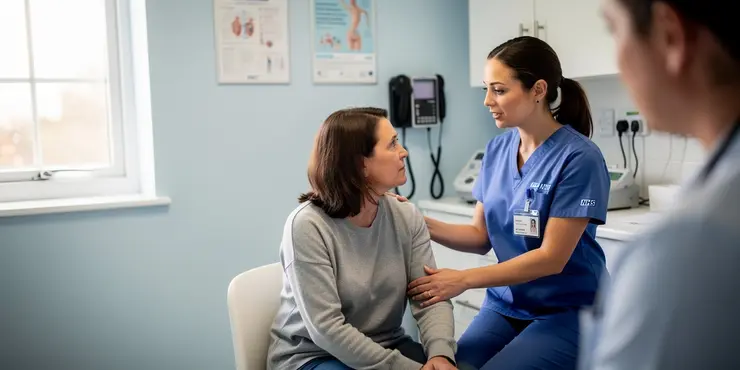
Is there any follow-up required after a womb lining test?
Relevance: 100%
-
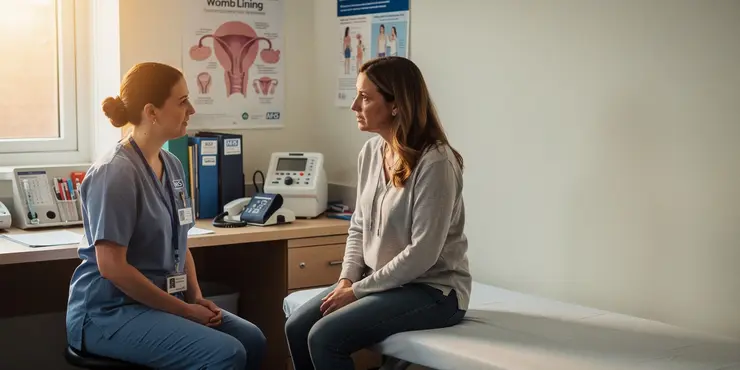
What is the Womb Lining test?
Relevance: 95%
-
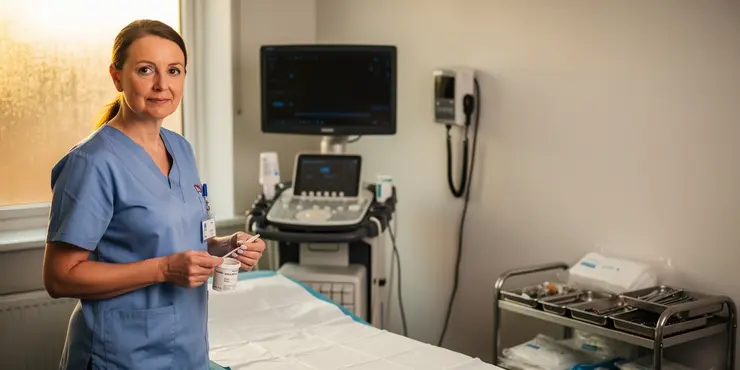
How is a womb lining test conducted?
Relevance: 94%
-
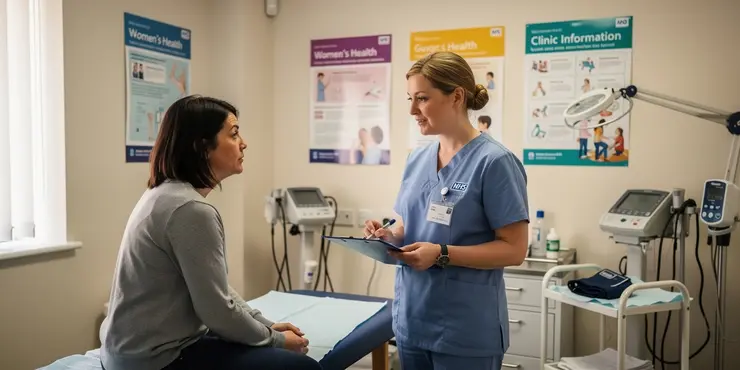
What is the womb lining test?
Relevance: 93%
-
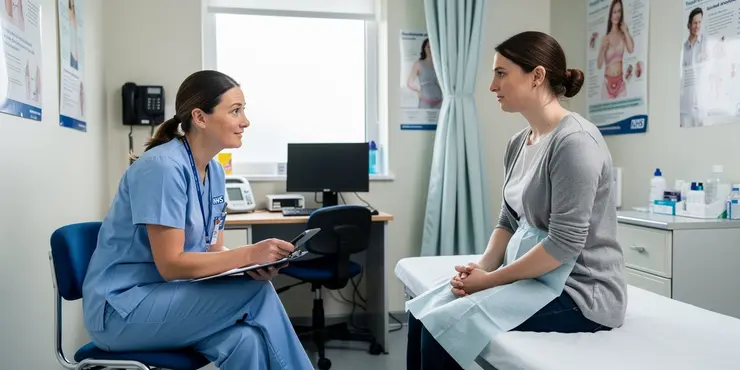
What happens after a womb lining test?
Relevance: 92%
-
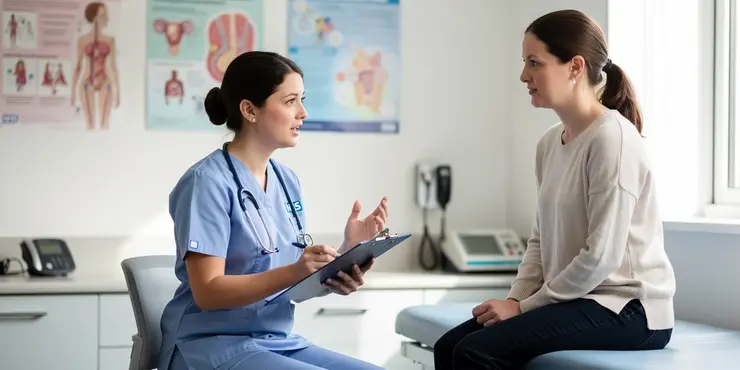
Why is a womb lining test performed?
Relevance: 89%
-

Is a womb lining test painful?
Relevance: 89%
-

Can a womb lining test detect cancer?
Relevance: 89%
-
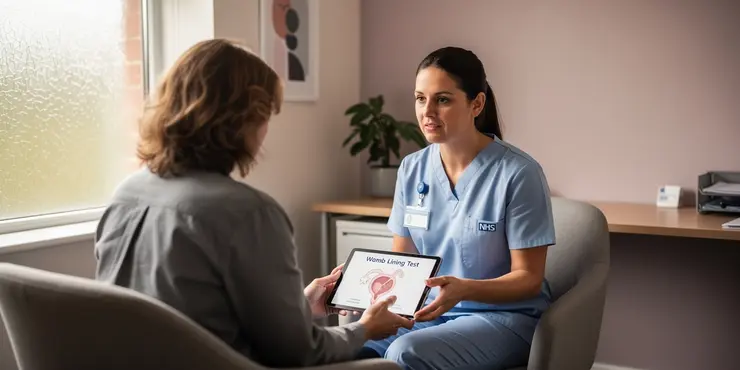
Is the womb lining test covered by the NHS?
Relevance: 88%
-
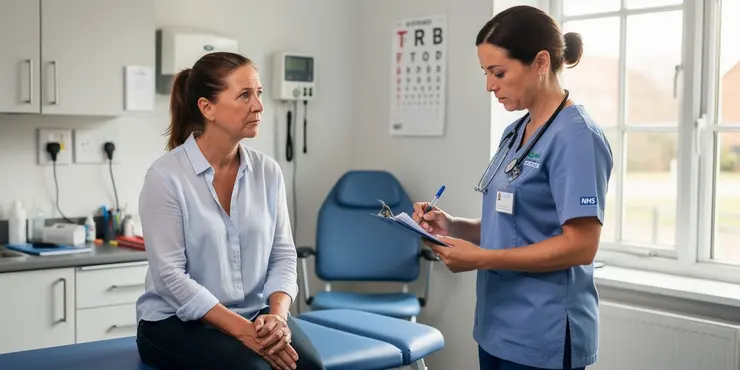
How long does it take to get results from a womb lining test?
Relevance: 88%

-
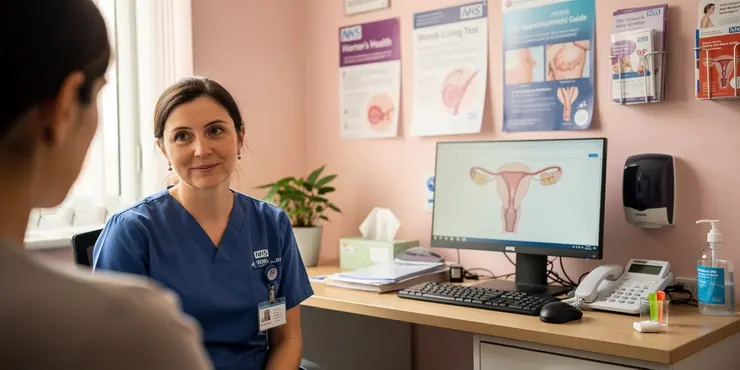
Is the womb lining test covered by the NHS?
Relevance: 88%
-

Why might someone need a womb lining test?
Relevance: 85%
-
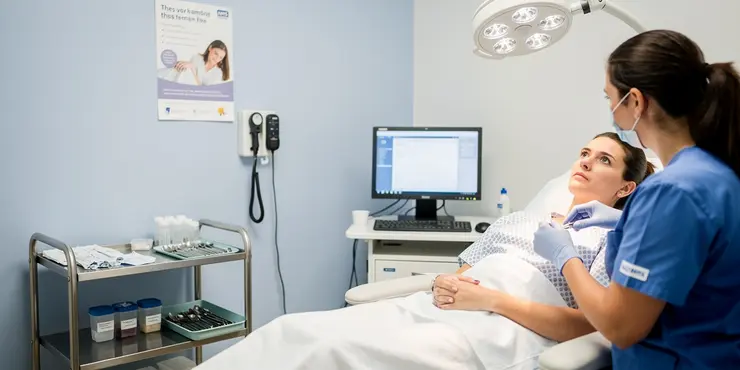
Can a womb lining test detect cancer?
Relevance: 85%
-
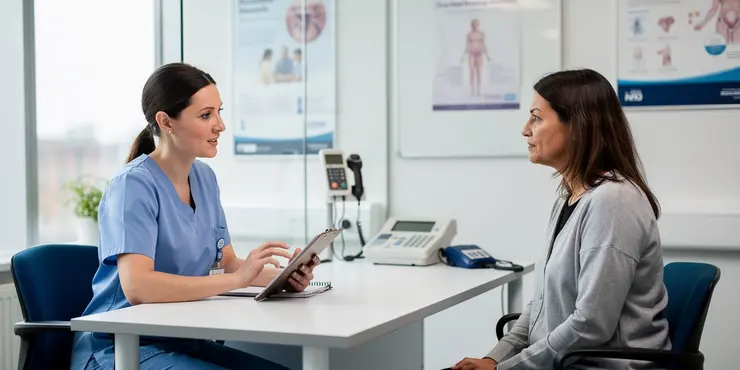
Is the womb lining test painful?
Relevance: 84%
-
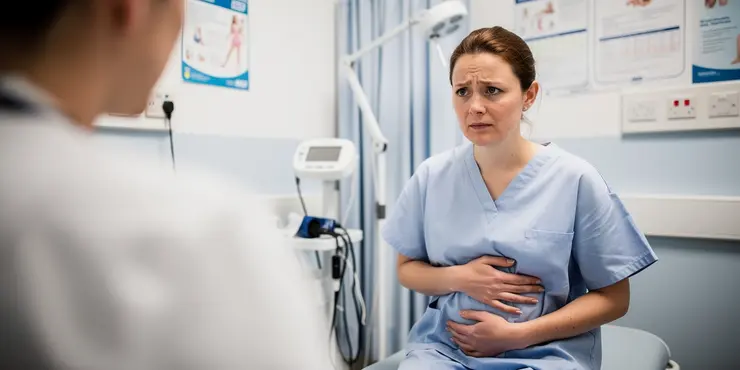
Can I drive after the womb lining test?
Relevance: 84%
-
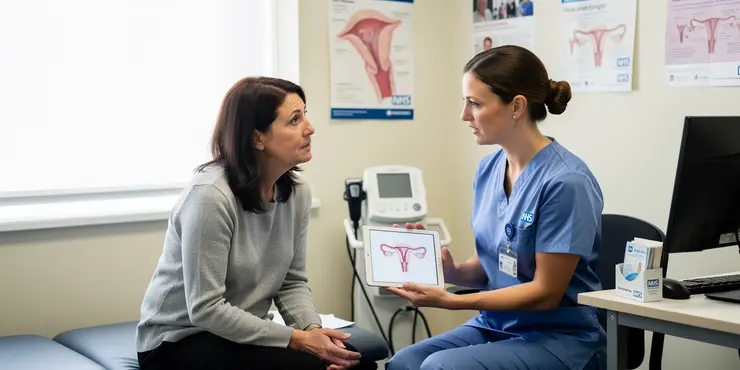
Are there any risks associated with the womb lining test?
Relevance: 84%
-
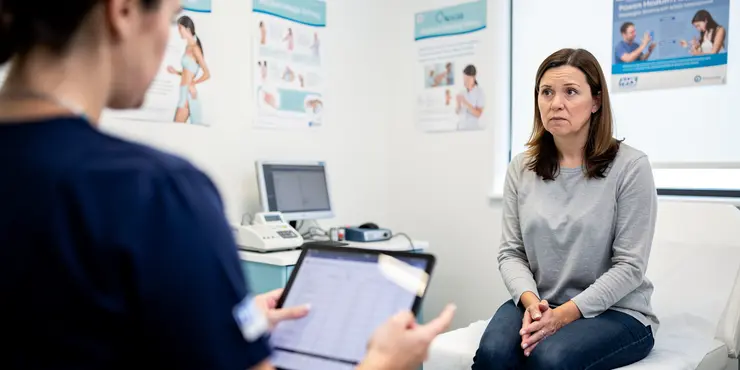
How long does it take to get results from a womb lining test?
Relevance: 84%
-

Are there risks associated with a womb lining test?
Relevance: 83%
-
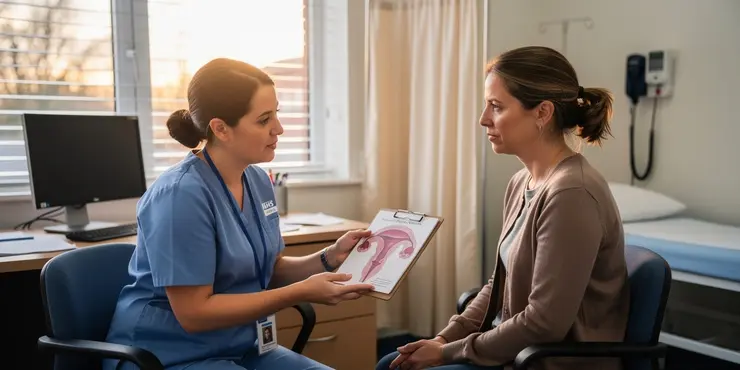
How is the womb lining test performed?
Relevance: 81%
-
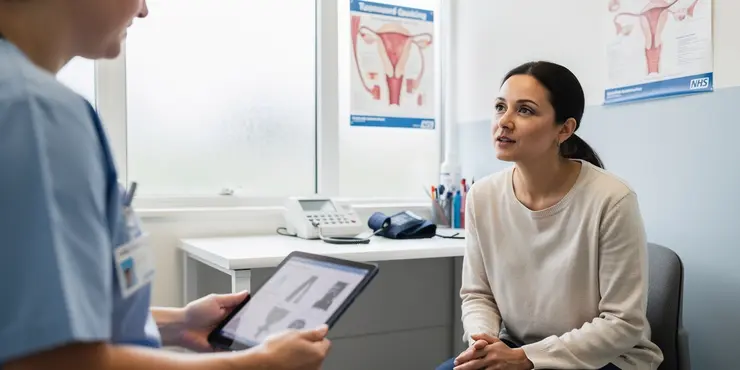
How should I prepare for a womb lining test?
Relevance: 79%
-
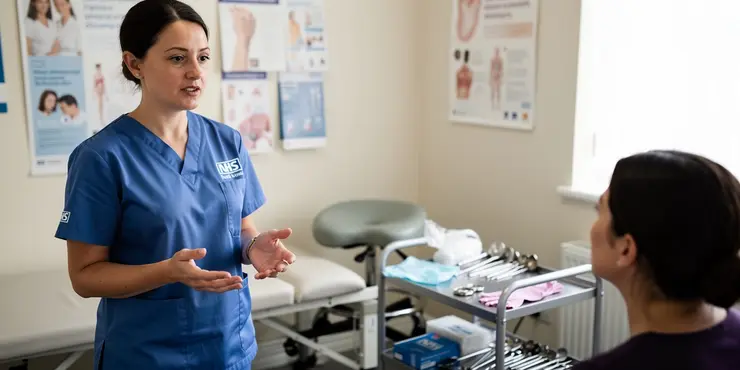
Does the womb lining test require any special preparation?
Relevance: 78%
-
What does an evaporation line mean on a pregnancy test?
Relevance: 46%
-
Do I need to return to Turkey for follow-up care?
Relevance: 34%
-

How does a pregnancy test work?
Relevance: 32%
-

Are digital pregnancy tests more accurate than non-digital tests?
Relevance: 32%
-

What is a lot line adjustment?
Relevance: 31%
-

What should I do if I get unclear results on a pregnancy test?
Relevance: 31%
-

Can a pregnancy test detect a miscarriage?
Relevance: 30%
-
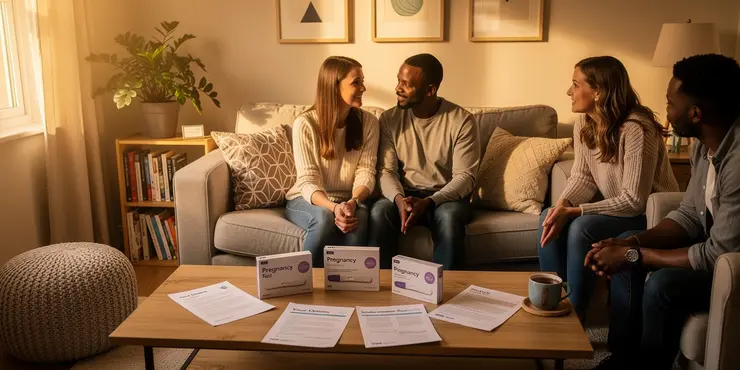
What is a pregnancy test?
Relevance: 30%
-
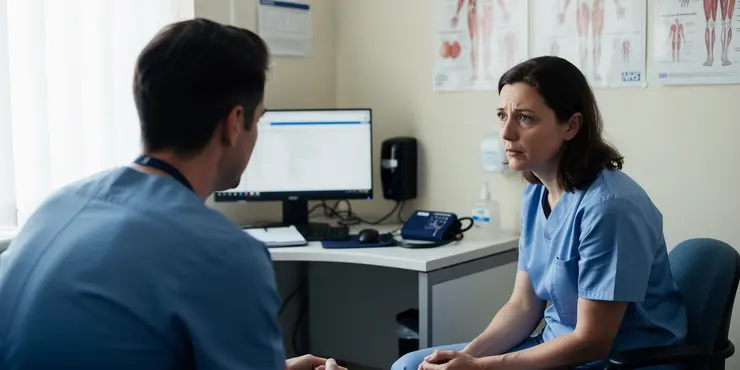
What steps should I take if a screening test shows abnormal results?
Relevance: 30%
-

When should I take a pregnancy test?
Relevance: 28%
-
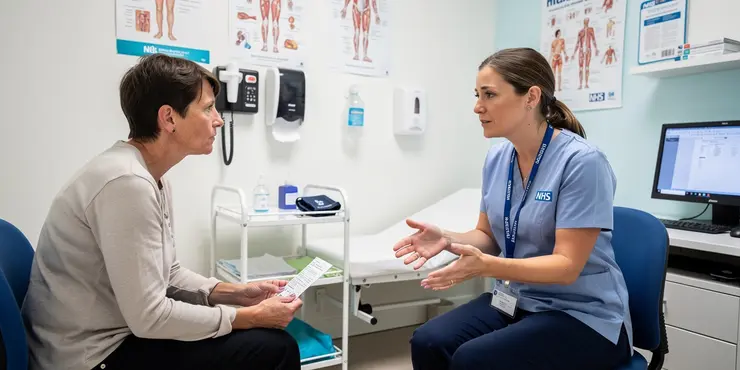
What can cause a false positive pregnancy test?
Relevance: 27%
-
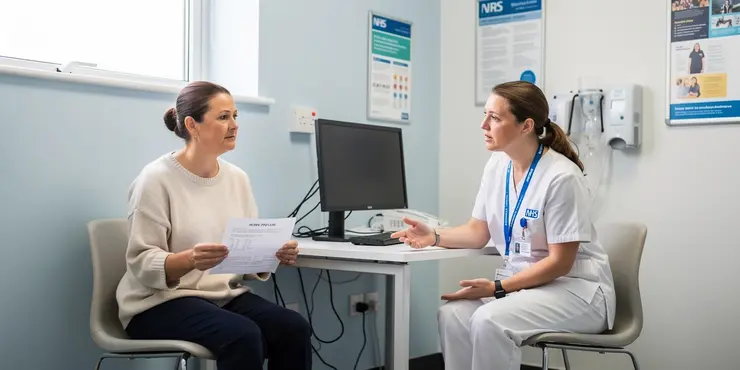
Is a colonoscopy necessary after a positive home test?
Relevance: 27%
-
Will I need a follow-up visit after my hair transplant in Turkey?
Relevance: 27%
-

What if my pregnancy test is positive?
Relevance: 27%
-

Can a pregnancy test expire?
Relevance: 26%
-

Are there risks associated with home colorectal cancer tests?
Relevance: 25%
-
Sweat test | Diagnosing cystic fibrosis
Relevance: 25%
-

How long should I wait to read the results of a pregnancy test?
Relevance: 25%
-

Post Menopausal Bleeding Clinic | A Guide to What Happens at An Appointment
Relevance: 24%
Follow-Up After a Womb Lining Test (Endometrial Biopsy)
Post-Test Recovery and Care
After undergoing a womb lining test, or endometrial biopsy, most patients experience minor discomfort, including cramping and spotting. While these symptoms typically subside within a few days, it's vital to monitor your recovery. Light pain relief, like paracetamol, can aid in alleviating discomfort. Avoiding tampons and sexual intercourse for a few days can also help prevent infection.Understanding Your Results
Once the biopsy is completed, the tissue sample goes to a laboratory for analysis. Your healthcare provider will schedule a follow-up appointment to discuss the results. This conversation is crucial for understanding whether your biopsy reveals any abnormalities, such as hyperplasia or cancerous changes, which could necessitate further testing or treatment. Make sure to ask your doctor about the expected timeline for results, as it may take a few weeks.Potential Next Steps
If your results indicate normal findings, you might not require further immediate action. However, if abnormalities are detected, your doctor will discuss potential treatments, ranging from medication to manage conditions like hyperplasia to more invasive procedures, if necessary. It's important to adhere to any recommended follow-up tests or treatments to ensure effective management of your health.Future Monitoring and Appointments
Even if your test results are normal, your doctor may suggest routine follow-ups to monitor your uterine health, especially if you have risk factors for endometrial conditions. Keeping regular appointments and promptly reporting any recurring symptoms to your healthcare provider ensures that any changes are detected early.Consultations and Communication
Maintaining open communication with your healthcare provider is key. Prepare questions for your follow-up appointment regarding your results, implications for your health, and necessary lifestyle adjustments. Effective communication can ease your concerns and help you make informed decisions about your health care.What Happens After a Womb Lining Test
How to Feel Better After the Test
After the womb lining test, called an endometrial biopsy, you might feel some tummy pain or see a little blood. This usually goes away in a few days. To feel better, you can take a mild painkiller like paracetamol. It is also a good idea not to use tampons or have sex for a few days to stop any infections.Understanding Your Test Results
After the test, the doctor sends the sample to a lab to check it. Your doctor will set up a meeting to talk about the results. This is very important because it helps you know if everything is okay, or if there are problems like extra cells growing or signs of cancer. Ask your doctor when you will get the results. It might take a few weeks to get them back.What Could Happen Next
If everything looks normal, you might not need to do anything more right now. But if there is something wrong, your doctor will talk about what to do next. This could mean taking medicine or needing another procedure. It's important to follow the doctor's advice to stay healthy.Future Check-Ups
Even if your results are normal, the doctor might want to see you again to make sure everything stays fine, especially if you have some risk factors. Always go to your appointments and tell your doctor if you feel anything wrong.Talking to Your Doctor
It's important to talk openly with your doctor. Before your meeting, think of questions about your test results, what they mean for your health, and any changes you might need to make. Good communication can help you understand what's happening and make good choices about your health.Frequently Asked Questions
What is a womb lining test?
A womb lining test, also known as an endometrial biopsy, is a procedure to take a small sample of the lining of the uterus for examination.
Why might I need a womb lining test?
You might need a womb lining test if you have abnormal uterine bleeding, are experiencing fertility issues, or if your doctor wants to check for endometrial hyperplasia or cancer.
How is a womb lining test performed?
The test usually involves the insertion of a thin instrument through the cervix to collect a sample of the endometrial tissue. It is typically done in a doctor's office without the need for anesthesia.
Is there any preparation required for a womb lining test?
You may be advised to avoid using tampons or vaginal medications 24 hours before the procedure. Always follow specific instructions provided by your healthcare provider.
What are the risks associated with a womb lining test?
Although rare, risks can include infection, bleeding, and cramping. Discuss any concerns with your doctor prior to the test.
How long does it take to get the results of a womb lining test?
It usually takes about a week to get the results, but this can vary depending on the laboratory processing the sample.
Do I need to follow up with my doctor after a womb lining test?
Yes, it is important to follow up with your doctor to discuss the results and any necessary next steps in your care.
What follow-up might be required after a womb lining test?
Follow-up could include discussing the results with your doctor, additional tests if the results are unclear, or starting treatment if a condition is diagnosed.
Can I resume normal activities after a womb lining test?
Most patients can resume normal activities, but you may be advised to avoid strenuous exercise or using tampons for a short period.
Will I experience pain after a womb lining test?
You might experience mild cramping or light bleeding, similar to menstrual discomfort, which should resolve shortly.
What should I do if I experience severe pain or heavy bleeding after a womb lining test?
Contact your doctor immediately if you experience severe pain, heavy bleeding, or any symptoms of infection such as fever or foul-smelling discharge.
Is it normal to have spotting after a womb lining test?
Yes, light spotting is common after the procedure and should resolve within a few days.
Can I get an infection from a womb lining test?
Infection is rare, but it's important to monitor for signs such as fever, unusual discharge, or severe pain and contact your doctor if they occur.
What happens if my womb lining test results are abnormal?
Your doctor will discuss possible reasons for the abnormal results and might suggest further testing or treatment based on the findings.
How should I care for myself after a womb lining test?
Rest as needed, avoid vigorous activities for a couple of days, and follow any specific instructions given by your healthcare provider.
What is a womb lining test?
A womb lining test is a check-up for the womb. The womb is a place in a woman's body where a baby can grow. Doctors look at the lining, which is the inside surface of the womb.
Doctors do this test to see if the lining is healthy. A healthy lining is important for having a baby.
If reading is hard, you can ask someone to read with you. You can also listen to the words being read out loud.
A womb lining test is a way to check the inside of the uterus.
The doctor takes a tiny piece from the lining. This sample is then looked at closely.
If reading is hard, a tool like text-to-speech can read this out loud. You could also ask someone to read it to you.
Why do I need a womb lining test?
Your womb is where a baby grows. Sometimes, doctors need to check the lining of your womb. The lining is the soft inside part of the womb.
This test helps doctors see if your lining is healthy. They might do this test if you have problems like pain or if you find it hard to have a baby.
Doctors can then help with the right treatment. If you need more help, ask someone you trust or use tools like picture books or storyboards to understand better.
You might need a womb lining test if you have unusual bleeding from your uterus, if you're having trouble getting pregnant, or if your doctor wants to see if there is a problem like endometrial hyperplasia or cancer.
Here are some things that might help:
- Ask your doctor to explain things in a simple way.
- Use pictures or diagrams to understand better.
- Bring a friend or family member to the doctor to help you remember details.
How do doctors check the womb lining?
Doctors look at the womb lining to check if it is healthy.
This is how they do it:
- You will lie down on a bed.
- The doctor will use a small tool to open the vagina gently.
- They will take a tiny piece of the womb lining. This is called a biopsy.
- The piece is sent to a lab for testing.
It might feel a bit uncomfortable, but it is very quick.
You can ask your doctor if you have questions or feel worried.
Sometimes it helps to take deep breaths or have someone with you for support.
The test is a simple checkup. The doctor uses a thin tool to take a tiny piece from inside the womb. This is done through the opening of the womb. It usually happens in the doctor's office. You won't need any special medicine to make you sleepy or numb.
If you find reading hard, you can ask someone to read it to you. Using tools like audiobooks or text-to-speech apps can help too.
Do I need to get ready for a womb lining test?
If you need to have a womb lining test, here are some things you might do to get ready:
- Ask your doctor what will happen during the test.
- Find out if you need to stop taking any medicine.
- Check if you should not eat or drink before the test.
- Think about taking a friend or family member for support.
If you find it hard to read or remember things, you could:
- Use pictures or charts to help you understand.
- Ask someone to explain things to you in a simple way.
- Write down any questions you have to ask the doctor.
- Consider recording what the doctor says, with their permission, to listen again later.
Your doctor might tell you not to use tampons or any medicine you put inside your vagina for one day before the procedure. Make sure to do what your doctor tells you.
What are the risks of a womb lining test?
A womb lining test can have some risks. Here are a few things to know:
- It might hurt a little. You could feel a pinch or a cramp.
- You might bleed a bit afterwards.
- There is a small chance of infection.
If you are worried, talk to your doctor. They can help you understand and feel better.
Sometimes, there are risks, but they don't happen often. These can be getting an infection (germs that make you sick), bleeding, or feeling cramps (like a bad tummy ache). If you are worried, talk to your doctor before the test. They can help you understand more.
How long does it take to get the results of a womb lining test?
How long do I wait to get my test results?
You might wait a few days or up to two weeks to know the results.
Ask your doctor how long it will take. They can tell you when to expect your results.
If waiting is hard, try talking to a friend or doing something fun to help pass the time.
It usually takes about a week to get the results, but this can change depending on the lab that looks at the sample.
Should I see my doctor again after a womb lining test?
Yes, it's important to visit your doctor after the test. They will talk to you about your test results.
Here are some tips to help:
- Write down questions before your visit.
- Take a friend or family member with you.
- Ask the doctor to explain things one step at a time.
Yes, it is important to talk to your doctor about the results. This will help you understand what to do next to stay healthy.
What happens after a womb lining test?
After the doctor takes a tiny piece of the womb lining to check it, you might need to do more things. The doctor will tell you what to do next. Here are some things that might happen:
- More Tests: The doctor might want you to have more tests to learn more about your health.
- Medicine: You might need to take medicine to help you feel better.
- Appointments: The doctor will let you know if you need to visit them again.
- Talk About Results: The doctor will tell you what they found and what it means.
If you have questions, you can ask the doctor or nurse to help you understand.
You might need to talk to your doctor about the results. If the results are not clear, you could have more tests. If the doctor finds a problem, you might start treatment.
Can I go back to normal things after a womb lining test?
After your womb lining test, you might want to rest a bit. You could feel a little sore. Listen to your body and take it easy if you need to.
Most people can return to their normal activities the next day. It's okay to talk to your doctor if you have any questions.
If you feel worried, you can use tools like a diary to keep track of how you feel, or ask a friend or family member for help.
Most people can go back to doing normal things. But the doctor might tell you not to do hard exercise or use tampons for a little while.
Will it hurt after a womb lining test?
You might feel a small tummy ache or see a little blood, like when you have your period. This should go away soon.
What if I have bad pain or lots of bleeding after a womb test?
If you have bad belly pain or are bleeding a lot after the womb test, tell a doctor or nurse. They can help you feel better.
You can use things like:
- A warm towel on your belly
- Medicine the doctor says is okay
It is important to ask for help when you feel bad.
Call your doctor right away if you have very bad pain, lots of bleeding, or feel sick with a high temperature or a bad smell.
Is it okay to have light bleeding after a womb lining test?
After a womb lining test, you might see a bit of bleeding. This is usually okay.
If you are worried, you can:
- Talk to a doctor or nurse.
- Ask a friend or family member for help.
It is normal to have a little bit of bleeding after the procedure. This usually goes away in a few days.
Can a womb lining test give me an infection?
It's not common to get an infection, but it's important to watch for signs. Look out for things like a fever, unusual fluid coming out, or really bad pain. If you notice any of these, call your doctor.
What if my womb lining test results are not normal?
Your doctor will talk to you about why the test results were not normal. They might say you need more tests or treatment.
How do I take care of myself after a womb lining test?
Take breaks when you need to. Do not do any hard activities for a few days. Listen to what your doctor tells you to do.

Useful Links
This website offers general information and is not a substitute for professional advice.
Always seek guidance from qualified professionals.
If you have any medical concerns or need urgent help, contact a healthcare professional or emergency services immediately.
Some of this content was generated with AI assistance. We’ve done our best to keep it accurate, helpful, and human-friendly.
- Ergsy carfully checks the information in the videos we provide here.
- Videos shown by Youtube after a video has completed, have NOT been reviewed by ERGSY.
- To view, click the arrow in centre of video.
- Most of the videos you find here will have subtitles and/or closed captions available.
- You may need to turn these on, and choose your preferred language.
- Go to the video you'd like to watch.
- If closed captions (CC) are available, settings will be visible on the bottom right of the video player.
- To turn on Captions, click settings .
- To turn off Captions, click settings again.
More Items From Ergsy search
-
Is there any follow-up required after a womb lining test?
Relevance: 100%
-
What is the Womb Lining test?
Relevance: 95%
-
How is a womb lining test conducted?
Relevance: 94%
-
What is the womb lining test?
Relevance: 93%
-
What happens after a womb lining test?
Relevance: 92%
-
Why is a womb lining test performed?
Relevance: 89%
-
Is a womb lining test painful?
Relevance: 89%
-
Can a womb lining test detect cancer?
Relevance: 89%
-
Is the womb lining test covered by the NHS?
Relevance: 88%
-
How long does it take to get results from a womb lining test?
Relevance: 88%
-
Is the womb lining test covered by the NHS?
Relevance: 88%
-
Why might someone need a womb lining test?
Relevance: 85%
-
Can a womb lining test detect cancer?
Relevance: 85%
-
Is the womb lining test painful?
Relevance: 84%
-
Can I drive after the womb lining test?
Relevance: 84%
-
Are there any risks associated with the womb lining test?
Relevance: 84%
-
How long does it take to get results from a womb lining test?
Relevance: 84%
-
Are there risks associated with a womb lining test?
Relevance: 83%
-
How is the womb lining test performed?
Relevance: 81%
-
How should I prepare for a womb lining test?
Relevance: 79%
-
Does the womb lining test require any special preparation?
Relevance: 78%
-
What does an evaporation line mean on a pregnancy test?
Relevance: 46%
-
Do I need to return to Turkey for follow-up care?
Relevance: 34%
-
How does a pregnancy test work?
Relevance: 32%
-
Are digital pregnancy tests more accurate than non-digital tests?
Relevance: 32%
-
What is a lot line adjustment?
Relevance: 31%
-
What should I do if I get unclear results on a pregnancy test?
Relevance: 31%
-
Can a pregnancy test detect a miscarriage?
Relevance: 30%
-
What is a pregnancy test?
Relevance: 30%
-
What steps should I take if a screening test shows abnormal results?
Relevance: 30%
-
When should I take a pregnancy test?
Relevance: 28%
-
What can cause a false positive pregnancy test?
Relevance: 27%
-
Is a colonoscopy necessary after a positive home test?
Relevance: 27%
-
Will I need a follow-up visit after my hair transplant in Turkey?
Relevance: 27%
-
What if my pregnancy test is positive?
Relevance: 27%
-
Can a pregnancy test expire?
Relevance: 26%
-
Are there risks associated with home colorectal cancer tests?
Relevance: 25%
-
Sweat test | Diagnosing cystic fibrosis
Relevance: 25%
-
How long should I wait to read the results of a pregnancy test?
Relevance: 25%
-
Post Menopausal Bleeding Clinic | A Guide to What Happens at An Appointment
Relevance: 24%