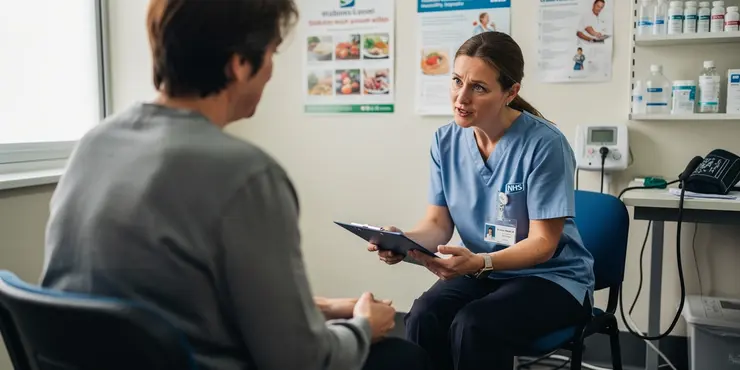

Speak To An Expert
Get clear, personalised advice for your situation.
Jot down a few questions to make the most of your conversation.
Understanding Mounjaro
Mounjaro is a medication used in the management of type 2 diabetes. It belongs to a class of drugs known as GLP-1 receptor agonists. These medications work by stimulating the secretion of insulin and inhibiting glucagon secretion, leading to improved blood glucose control. Mounjaro is effective in lowering blood sugar levels, but patients and healthcare providers must be aware of potential side effects, including hypoglycemia.
What is Hypoglycemia?
Hypoglycemia, or low blood sugar, occurs when blood glucose levels fall below normal levels. It is a serious condition that can cause a range of symptoms, from mild discomfort to severe complications if left untreated. Common signs of hypoglycemia include shakiness, sweating, confusion, and irritability. Severe hypoglycemia can lead to seizures, loss of consciousness, and in extreme cases, death.
Risks of Hypoglycemia with Mounjaro
The risk of hypoglycemia while using Mounjaro is generally considered low, especially when compared to other diabetes medications, such as insulin or sulfonylureas. GLP-1 receptor agonists like Mounjaro primarily enhance glucose-dependent insulin secretion, meaning that they are less likely to cause hypoglycemia on their own. However, the risk is not completely absent and can be influenced by several factors.
Factors Increasing Risk of Hypoglycemia
Hypoglycemia risk may increase when Mounjaro is prescribed alongside other diabetes medications, particularly those that are known for lowering blood glucose significantly, such as insulin or sulfonylureas. Additionally, dietary changes, increased physical activity, and alcohol consumption can also heighten the risk of hypoglycemia in patients taking Mounjaro.
Preventing and Managing Hypoglycemia
Patients taking Mounjaro should regularly monitor their blood glucose levels to detect any dips into hypoglycemic ranges early. It is important for patients to be educated about the symptoms of hypoglycemia and to have strategies in place to manage it, such as consuming fast-acting carbohydrates when symptoms appear. Consulting with healthcare providers to adjust dosages of Mounjaro or other concurrent diabetes medications can further mitigate risks.
Consulting Healthcare Providers
As always, patients are encouraged to have open discussions with their healthcare providers regarding their treatment plans. This includes discussing the potential risks of hypoglycemia, particularly if other medications are involved, or if the patient has lifestyle factors that could affect glucose levels. Tailoring a diabetes management plan to each patient's unique situation can help ensure both efficacy and safety.
Conclusion
While Mounjaro is associated with a lower risk of hypoglycemia compared to other diabetes treatments, particularly insulin, it is not entirely risk-free. Patients should remain vigilant and work closely with their healthcare team to manage their diabetes effectively while minimizing the risk of hypoglycemia.
Understanding Mounjaro
Mounjaro is a medicine that helps people with type 2 diabetes. It helps control blood sugar by making the body release more insulin. Insulin is a hormone that lowers blood sugar. Mounjaro works well to lower blood sugar, but it can have side effects. One side effect to watch out for is low blood sugar, called hypoglycemia.
What is Hypoglycemia?
Hypoglycemia is when your blood sugar is too low. This can be dangerous if not treated. Symptoms include feeling shaky, sweating, being confused, and getting irritated. If it gets very bad, it can cause seizures, fainting, or even be life-threatening.
Risks of Hypoglycemia with Mounjaro
Using Mounjaro usually has a lower risk of causing low blood sugar compared to some other diabetes medications. But the risk is still there. Mounjaro makes the body release insulin mainly when blood sugar is high, so it is less likely to cause low blood sugar on its own.
Factors Increasing Risk of Hypoglycemia
Low blood sugar risk can increase if you use Mounjaro with other diabetes medicines, such as insulin. Changes in diet, more exercise, or drinking alcohol can also raise the risk of low blood sugar when using Mounjaro.
Preventing and Managing Hypoglycemia
If you take Mounjaro, check your blood sugar often to catch it early if it gets low. Learn the signs of low blood sugar and keep snacks with fast sugar handy, like glucose tablets or juice. Talk to your doctor to adjust your medicine if needed.
Consulting Healthcare Providers
Always talk to your doctor about your treatment. This includes talking about the risk of low blood sugar, especially if you take other medicines or have lifestyle changes. Your doctor can help you make a safe and effective plan to manage your diabetes.
Conclusion
Mounjaro lowers the chance of low blood sugar more than some other medicines like insulin, but the risk is not zero. Stay careful and work with your doctor to keep your diabetes under control and reduce the chance of low blood sugar.
Frequently Asked Questions
Mounjaro is a medication used to manage blood sugar levels in individuals with diabetes.
Yes, there is a potential risk of hypoglycemia when using Mounjaro, particularly when used with other medications that lower blood glucose levels.
Hypoglycemia is a condition characterized by abnormally low blood sugar levels.
Symptoms of hypoglycemia can include shakiness, sweating, confusion, dizziness, and, in severe cases, loss of consciousness.
It is important to monitor your blood sugar levels regularly and follow your healthcare provider's instructions regarding diet and medication use.
Yes, maintaining a balanced diet and exercising regularly can help manage blood sugar levels and reduce the risk of hypoglycemia.
Mounjaro can be used alone or in combination with other diabetes medications, but the risk of hypoglycemia may increase with combination therapy.
Anyone taking Mounjaro should monitor their blood sugar levels as advised by their healthcare provider.
Yes, like all medications, Mounjaro comes with warnings, including the risk of hypoglycemia and potential interactions with other medications.
If you experience symptoms of hypoglycemia, consume fast-acting carbohydrates and contact your healthcare provider.
Severe hypoglycemia can occur, especially if used in conjunction with other glucose-lowering medications, so proper monitoring is essential.
The risk of hypoglycemia varies among individuals and depends on factors such as dosage and concurrent medications.
Adjusting the dose may help, but it should only be done under the guidance of a healthcare provider.
Common causes include taking too much medication, skipping meals, and engaging in more physical activity than usual.
Mounjaro helps to lower blood sugar by mimicking certain hormones that control blood glucose levels.
It's best to follow dietary recommendations from a healthcare provider, and avoid excessive intake of sugar-heavy foods.
Yes, alcohol can increase the risk of hypoglycemia and should be consumed with caution.
Healthcare providers can offer guidance on medication dosage, lifestyle changes, and effective monitoring to minimize risk.
Regular follow-up is important to assess efficacy and safety, including the risk of hypoglycemia.
Switching medications may alter hypoglycemia risk, so it should be managed carefully with professional guidance.
Mounjaro is a medicine. It helps control sugar in the blood for people with diabetes.
Yes, using Mounjaro can sometimes make your blood sugar level too low. This is more likely if you take other medicine that lowers blood sugar too.
Hypoglycemia means your blood sugar is too low.
Signs of low blood sugar can be feeling shaky, sweaty, confused, or dizzy. If it is really bad, you might even faint.
It is important to check your blood sugar levels often. Listen to what your doctor says about what to eat and how to take your medicine.
Yes, eating healthy meals and doing exercises can help keep your blood sugar normal and lower the chance of having low blood sugar.
Mounjaro is a medicine that helps people with diabetes. You can use it by itself or with other diabetes medicines. But, if you use more than one medicine, your blood sugar might get too low. This can be risky.
If you take Mounjaro, you should check your blood sugar levels. Ask your doctor how to do this.
Yes, like all medicines, Mounjaro has warnings. It can cause low blood sugar. It can also mix with other medicines in a bad way.
If you feel signs of low blood sugar, eat something sweet like fruit juice or candy. Tell your doctor right away.
Sometimes, blood sugar can get too low. This is called severe low blood sugar. It can happen if you take this medicine with other medicine that lowers blood sugar. It is important to keep an eye on your blood sugar levels.
Low blood sugar can happen to some people. It depends on how much medicine they take and if they are taking other medicines too.
Changing the amount of medicine might help. But only a doctor or nurse should tell you how to do it.
Low blood sugar can happen if you take too much medicine, miss a meal, or if you exercise more than usual.
Mounjaro helps to lower blood sugar. It acts like certain hormones that keep blood sugar levels steady.
It is good to listen to what your doctor or nurse says about food. Try not to eat too many sweet foods.
Yes, drinking alcohol can make your blood sugar go too low. Be careful when you drink alcohol.
Doctors and nurses can help by telling you how much medicine to take, suggesting healthy habits, and checking your health to keep you safe.
It's important to have regular check-ups to make sure the treatment is working well and is safe. We need to check if your blood sugar gets too low, which can be dangerous.
Changing your medicine can change how it affects your blood sugar levels. This means you might have a higher or lower chance of having low blood sugar. It's important to get help from a doctor or nurse when changing your medicine.

Ergsy Search Results
This website offers general information and is not a substitute for professional advice.
Always seek guidance from qualified professionals.
If you have any medical concerns or need urgent help, contact a healthcare professional or emergency services immediately.
Some of this content was generated with AI assistance. We've done our best to keep it accurate, helpful, and human-friendly.
- Ergsy carefully checks the information in the videos we provide here.
- Videos shown by Youtube after a video has completed, have NOT been reviewed by ERGSY.
- To view, click the arrow in centre of video.
- Most of the videos you find here will have subtitles and/or closed captions available.
- You may need to turn these on, and choose your preferred language.
- Go to the video you'd like to watch.
- If closed captions (CC) are available, settings will be visible on the bottom right of the video player.
- To turn on Captions, click settings.
- To turn off Captions, click settings again.