
Get Answers
Understanding the Threat
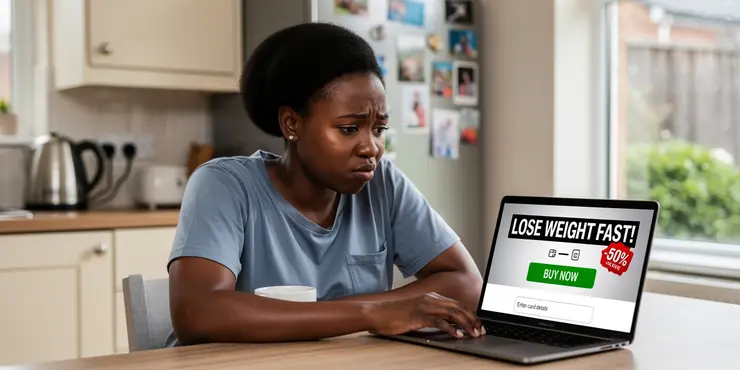
Identity theft is a growing concern in the UK, particularly with the increased reliance on online shopping. Among the various fraudulent schemes, the sale of fake weight loss drugs is notably worrisome. Unsuspecting consumers searching for quick and easy solutions to weight management may inadvertently expose themselves to significant risks, including identity theft.
How Identity Theft Occurs
When purchasing weight loss drugs from dubious online sources, consumers often provide sensitive personal information. This typically includes names, addresses, and credit card details. Fraudsters operating these sites can capture this data and use it to commit identity theft. This might involve accessing bank accounts, opening credit lines in the victim's name, or selling personal data to other criminals on the dark web.
Recognising Fake Sites
Fake websites can be deceptively convincing, often mimicking professional and legitimate pharmaceutical sites. Indicators of fraudulent websites include poor grammar, unprofessional design, suspicious domain names, and lack of contact details. Additionally, prices that are significantly lower than legitimate sources can also be a red flag. Consumers are urged to verify the credibility of the sites by checking for reviews and authentication seals.
The Financial Impact
The financial repercussions of identity theft can be severe. Victims may face unauthorized charges on their accounts and spend considerable time resolving these fraudulent actions. The emotional toll, alongside damaged credit ratings, can be long-lasting. For many, reclaiming their identity and financial standing becomes an arduous process.
Protecting Yourself Online
Consumers should employ rigorous safety practices when shopping online to safeguard themselves from identity theft. This includes using secure payment methods, ensuring websites are HTTPS-encrypted, and maintaining updated antivirus software. Additionally, using strong, unique passwords for online accounts and enabling two-factor authentication where possible can significantly enhance security.
Reporting Suspected Fraud
If you suspect you are a victim of identity theft, it is important to act swiftly. In the UK, report the incident to Action Fraud, the national fraud and cybercrime reporting centre. It's also crucial to inform your bank to prevent further unauthorized access as they can advise on immediate protection measures. Monitoring your credit report for unfamiliar activity is recommended to detect any fraudulent use of your identity.
Conclusion
While the appeal of quick weight loss solutions can be strong, it is imperative to exercise caution and diligence online. By understanding the tactics used in fraudulent schemes, recognising fake sites, and applying robust online safety practices, consumers can greatly reduce the risk of identity theft. Stay informed and vigilant to protect your personal information and financial wellbeing.
Understanding the Threat
Identity theft means someone steals your personal information. This is happening more often in the UK because people shop online a lot. Some websites sell fake weight loss drugs. These sites are dangerous. People looking to lose weight fast might give their personal details to these fake sites, which puts them at risk.
How Identity Theft Happens
When you buy weight loss drugs from untrustworthy websites, you give them important information like your name, address, and credit card details. Bad people can steal this information. They might use it to take your money or pretend to be you. This is called identity theft. They might also sell your details to other criminals.
Spotting Fake Websites
Fake websites can look real but have clues that they are not. These websites might have bad spelling, look poorly made, and have strange website names. They might not have contact details, and their prices can be too good to be true. Always check if a website is real by reading reviews and looking for trust seals.
The Financial Effects
Identity theft can cost you a lot of money. It can also take a lot of time to fix the problems caused by thieves. You might find wrong charges on your credit card and get stressed. Your credit score can go down, and it can take a long time to make things right again.
Protecting Yourself Online
To stay safe online, use safe ways to pay for things. Make sure the websites you use have HTTPS and keep your antivirus up to date. Use strong and different passwords for each account. Use two-factor authentication if you can, as it makes your accounts even safer.
Reporting Fraud
If you think someone has stolen your identity, act quickly. In the UK, tell Action Fraud, which is the centre for reporting fraud. Tell your bank too, so they can help keep your money safe. Check your credit report often to see if there is anything unusual happening with your identity.
Conclusion
It is tempting to try quick solutions for weight loss, but it's important to be careful online. By knowing what tricks fraudsters use and identifying fake sites, you can keep your personal information safe. Be smart and careful to protect your identity and money.
Frequently Asked Questions
Identity theft occurs when someone uses your personal information, such as your name, Social Security number, or credit card details, without your permission to commit fraud or other crimes.
When purchasing fake weight loss drugs, you may be required to provide personal information such as credit card details and address. Scammers can use this information to steal your identity.
Personal information such as credit card numbers, addresses, phone numbers, and email addresses are at risk when purchasing from illegitimate sources.
Yes, fraudulent websites selling fake drugs can capture your credit card information and use it for unauthorized transactions.
Fake products often promise quick results, are sold at very low prices, lack detailed information about the seller, and are not approved by regulatory agencies.
Report it to your bank, check your credit report for unauthorized transactions, and contact government identity theft resources like the FTC in the U.S.
Warning signs include unexplained withdrawals, unauthorized charges, receiving bills for unknown accounts, or being denied credit unexpectedly.
Yes, scammers may use your email for spamming, phishing, or attempting to gain further personal information.
Purchase from reputable and verified online pharmacies, use secure payment methods, and ensure the website uses encryption protocols like HTTPS.
Phishing scams trick individuals into providing personal information through fake emails or websites that appear legitimate, leading to identity theft.
Purchasing from a licensed pharmacy in person or online is generally safer as they are regulated and offer genuine products.
Scammers make money by selling counterfeit products and stealing financial and personal information for identity theft purposes.
Authorities can shut down fraudulent websites, prosecute offenders, and warn consumers about potential scams.
Yes, if scammers open new accounts or make unauthorized transactions in your name, it can negatively impact your credit score.
Identity theft is a common risk with online purchases, especially on unverified or fraudulent platforms.
Yes, tools like WHOIS for domain information, regulatory agency databases, and online reviews can help identify fake websites.
Shred physical records, delete digital copies securely using software, and regularly monitor your financial statements.
Pharming redirects users from legitimate websites to fraudulent ones to steal information, commonly affecting online drug purchases.
Yes, once scammers have your personal information, they can commit other types of fraud like medical or insurance fraud.
Unknowingly buying fake drugs is generally not punishable, but the focus is on educating consumers about potential risks and staying vigilant.
Identity theft is when someone takes your personal information, like your name, Social Security number, or credit card details, without asking you. They use it to do bad things or break the law.
When you buy fake weight loss pills, you might have to give your credit card number and address. Bad people can use this information to pretend to be you and steal from you.
Your personal information is in danger. This includes things like your credit card numbers, where you live, your phone number, and your email address.
This can happen when you buy from places that are not safe or trustworthy.
You can stay safe by using tools like password managers and secure websites. Ask a friend or use a trusted service to help you shop safely online.
Yes, bad websites that sell fake medicines can take your credit card numbers and use them without asking you.
Fake products can seem too good to be true.
- They might say they work really fast.
- They might be really cheap.
- You might not find much information about who is selling them.
- They are not checked or approved by important safety groups.
To be safe, always do some checking before buying. You can ask for help from a trusted adult or use the internet to learn more.
Tell your bank right away. Look at your credit report to see if there are things you didn't do. Call places that help with stolen identity, like the FTC in America.
Watch out for these warning signs:
- Money leaving your account that you can't explain.
- Charges on your card that you didn't make.
- Getting bills for things you didn't buy.
- Being told you can't borrow money when you thought you could.
If you see these signs, ask for help. You can talk to a family member or someone you trust. You can also use tools like online banking alerts to keep track of your money.
Yes, bad people might use your email to send a lot of unwanted messages. They might also try to trick you into giving them more personal information.
Buy medicine from trusted and checked online pharmacies. Use safe ways to pay. Make sure the website starts with HTTPS to keep your information safe.
Phishing scams are sneaky tricks. They use fake emails or websites to make you share your personal information. This can lead to identity theft.
It is safer to buy medicine from a pharmacy. You can visit a pharmacy in person or use a trusted website. Pharmacies have rules they follow and sell real medicine.
Bad people called scammers try to make money by selling fake things. They also try to steal your money and personal details, like your name and address. This can be very bad because they might pretend to be you.
People in charge can close fake websites, punish bad people, and tell everyone about scams to watch out for.
If bad people use your name to open new accounts or move your money without asking, it can hurt your credit score.
Stealing someone's identity is a big problem when buying things online. It can happen a lot, especially if you use websites that might not be safe or real.
Here are some tips to stay safe:
- Use websites you know and trust.
- Look for a padlock symbol in the address bar. This shows the site is safe.
- Use tools that protect your information, like antivirus software.
- If a deal looks too good to be true, it might be a trick.
Yes, you can use different tools to find out if a website is fake. Here are some ideas:
- Use WHOIS to check website information.
- Look at government websites that check businesses.
- Read online reviews about the website.
Tear up paper records into small pieces, use software to safely delete files on your computer, and check your money statements often.
Pharming is when bad people trick you into going to fake websites. They want to take your information. This often happens when people buy medicine online.
Yes, if bad people get your personal info, they can do bad things like tricking doctors or insurance companies.
Buying fake medicine by mistake usually does not get you in trouble. It is more important to learn about the dangers of fake medicine and how to watch out for it.

Ergsy Search Results
This website offers general information and is not a substitute for professional advice.
Always seek guidance from qualified professionals.
If you have any medical concerns or need urgent help, contact a healthcare professional or emergency services immediately.
Some of this content was generated with AI assistance. We've done our best to keep it accurate, helpful, and human-friendly.
- Ergsy carefully checks the information in the videos we provide here.
- Videos shown by Youtube after a video has completed, have NOT been reviewed by ERGSY.
- To view, click the arrow in centre of video.
- Most of the videos you find here will have subtitles and/or closed captions available.
- You may need to turn these on, and choose your preferred language.
- Go to the video you'd like to watch.
- If closed captions (CC) are available, settings will be visible on the bottom right of the video player.
- To turn on Captions, click settings.
- To turn off Captions, click settings again.