
Get Answers
Common Signs of Leaks in Water Infrastructure
Water infrastructure leaks can cause significant damage over time, leading to increased costs and potential safety hazards. Identifying these leaks early is crucial for maintaining efficiency and preventing more severe issues. Here are common signs that indicate possible leaks in water infrastructure, specific to the UK environment.
Unexplained Increase in Water Bills
A sudden spike in your water bill without any change in your water usage habits is one of the most straightforward indicators of a leak. Even a small leak can result in a substantial increase in wasted water, thus inflating your bill unexpectedly. Monitoring your bill closely can help in early detection of leaks.
Damp or Wet Patches
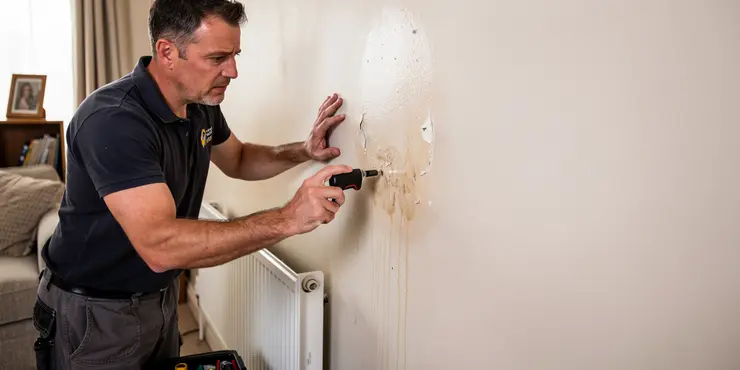
Noticeable damp patches on walls, ceilings, or floors can signify a leak in the plumbing. In the UK, where periods of wet weather are common, it's important to distinguish these signs from rising damp or condensation. Persistently wet areas inside the home, especially if they are warm, are typical indicators of leaking pipes.
Decreased Water Pressure
A significant drop in water pressure can often be indicative of a leak in the water main or service pipe. If your taps or showers have less force than usual, and you've ruled out blockages, a leak might be diverting water before it reaches your taps.
Mould and Mildew
Excessive mould and mildew, especially when they appear even when cleaning regularly, can indicate a moisture problem due to a water leak. These fungi thrive in moist environments and can cause health issues, making it crucial to identify and fix the source of moisture promptly.
Sound of Running Water
If you hear water flowing through pipes when all taps and water-using appliances are turned off, it is likely that there is a leak. Standalone sounds of dripping or hissing in the walls or floors often indicate that water is escaping from the pipes.
Unusual Smells
Foul odours or musty smells in your home can suggest a hidden leak, particularly if the smell is of stagnant water. In some cases, a sewage or damp smell might mean that sewage pipes are leaking or there’s standing water under properties.
Lush Patches in Your Garden
In garden areas, particularly during dry seasons, an unusually green or lush patch of grass or vegetation may indicate an underground leak. The additional moisture from the leak can promote rapid plant growth.
Detecting leaks early can prevent extensive structural damage and reduce repair costs. If you suspect a leak, consider hiring a professional to perform a thorough inspection and address the problem promptly.
Common Signs of Leaks in Water Pipes
Leaks in water pipes can cause a lot of problems over time. They can make things more expensive and even be dangerous. Finding these leaks early is important. It helps keep things working well and stops bigger problems. Here are some common signs of leaks in water pipes, especially in the UK.
Higher Water Bills
If your water bill goes up a lot and you haven't been using more water, you might have a leak. Even a small leak can waste a lot of water and make your bill go up. Check your bill often to catch leaks early.
Wet Spots
If you see wet or damp spots on walls, ceilings, or floors, there might be a leak in the pipes. In the UK, it's important to know if these spots are from the weather or a leak. Wet spots inside the house that stay wet could mean leaky pipes.
Low Water Pressure
If the water in your taps or shower comes out slower than usual, you might have a leak. If there are no blockages and the water pressure is still low, a leak might be taking water away before it gets to your taps.
Mould and Mildew
If you see a lot of mould and mildew, even after cleaning, there might be a leak. Mould likes wet places and can make people sick. It's important to find and fix where the moisture is coming from.
Sound of Running Water
If you hear water running when all taps and appliances are off, there might be a leak. Sounds like dripping or hissing in walls or floors often mean water is escaping from the pipes.
Strange Smells
Bad or musty smells in your home can mean there is a hidden leak. If it smells like stagnant water or sewage, there might be a leak in the sewage pipes or water sitting under the building.
Green Patches in Your Garden
If your garden has a very green or lush spot during dry times, there might be an underground leak. The extra water helps plants grow faster.
Finding leaks early can stop big damage and save money on repairs. If you think you have a leak, it's a good idea to get a professional to check and fix it quickly.
Frequently Asked Questions
Common signs include unexplained increases in water bills, damp spots on floors or walls, loss of water pressure, and the sound of running water when all taps are closed.
If your water bill shows a significant increase without a corresponding rise in water usage, it could indicate a hidden leak in the system.
Damp spots on floors, walls, or ceilings may indicate water escaping from pipes or fixtures, suggesting a possible leak.
Leaks can reduce the amount of water available to reach your taps, resulting in lower water pressure.
Hearing the sound of running water when all taps and water-using appliances are off may indicate water escaping from a pipe or fixture.
Yes, mold or mildew growth in unexpected areas often results from excess moisture, which could be due to a leak.
Water stains on ceilings or walls suggest water accumulation over time, usually from a leaking pipe.
Yes, moisture from leaks can cause paint to bubble or crack as water seeps underneath.
Wet or unusually lush areas in your yard can be signs of underground water line leaks, especially if they occur without rainfall.
Unexplained musty or earthy odors can signal mold or mildew growth due to excess moisture from a leak.
Water pooling inside or outside your home with no obvious source often indicates a leak.
Yes, if your water meter is running when no water is being used, it could indicate a leak.
A hissing or whooshing noise coming from pipes might indicate a pressurized water line leak.
Corroded or discolored pipes can weaken and eventually leak, indicating potential water damage.
Sudden unexplained increases in indoor humidity can result from hidden leaks adding moisture to the air.
A warm or hot spot on the floor might result from a hot water pipe leak beneath the surface.
Leaks can cause structural damage, leading to cracks in the foundation from soil erosion or water pressure.
If you suspect a leak, investigate common signs, check your water meter, or consult a professional plumber.
Not always; many leaks can occur in hidden places, causing damage without immediate visible signs.
Regular inspections, ideally annually or more frequently if you notice signs, can prevent severe leak damage.
Here are some signs to look out for:
- Your water bill is higher than usual, but you don't know why.
- You see wet patches on the floor or wall.
- The water from your taps is not as strong as before.
- You hear water running, but no taps are on.
If you find this hard, here are some tips to help:
- Ask someone to read it with you.
- Use a text-to-speech tool to hear the words.
- Highlight keywords to focus on the important parts.
If your water bill is much higher than usual, and you are not using more water, you might have a leak that you can't see.
Wet patches on the floors, walls, or ceilings might mean water is leaking from the pipes. This could be a sign of a leak.
Leaks let water escape. This means less water gets to your taps. This can make the water pressure low.
If you hear water running, but all the taps are off, there might be a leak. Maybe water is escaping from a pipe or something similar.
Yes, mold or mildew happens because there is too much wetness. This might be because of a leak.
Water marks on the ceiling or walls mean water is getting in. This usually happens because there is a pipe that is leaking.
Yes, water from leaks can make paint bubble or crack. This happens when the water gets under the paint.
If you see wet spots or really green areas in your yard, it might mean there is a water leak underground. This can happen even if it hasn’t rained.
If you smell a musty or earthy smell, it could mean there is mold or mildew. This can happen if there is too much water because of a leak.
If you see water inside or outside your home and you don't know where it's coming from, there might be a leak.
Yes, if your water meter is moving when you are not using water, there might be a leak.
If you hear a hissing or whooshing sound from the pipes, it could mean there is a leak in the water pipes. This might happen when water is under pressure.
You can use a simple tool to listen around the pipes. If you think there is a leak, ask an adult to help fix it. They can call a plumber.
Pipes that are rusty or have changed color can get weak. They might start to leak. This can cause water problems.
If there is more water in the air inside suddenly, it might be because there is a hidden leak somewhere that is making the air wet.
You might feel a warm or hot spot on the floor because a hot water pipe underneath is leaking.
Leaks can make buildings weak. Water can wash away the soil underneath. This makes cracks in the base of the building. This is why leaks are bad.
If you think there might be a leak, look for warning signs. You can also check your water meter or ask a skilled plumber for help.
No, not always. Leaks can happen in places you can't see. They can cause damage before you spot them.
Check your roof every year to stop leaks. If you see anything wrong, check it more often.

Ergsy Search Results
This website offers general information and is not a substitute for professional advice.
Always seek guidance from qualified professionals.
If you have any medical concerns or need urgent help, contact a healthcare professional or emergency services immediately.
Some of this content was generated with AI assistance. We've done our best to keep it accurate, helpful, and human-friendly.
- Ergsy carefully checks the information in the videos we provide here.
- Videos shown by Youtube after a video has completed, have NOT been reviewed by ERGSY.
- To view, click the arrow in centre of video.
- Most of the videos you find here will have subtitles and/or closed captions available.
- You may need to turn these on, and choose your preferred language.
- Go to the video you'd like to watch.
- If closed captions (CC) are available, settings will be visible on the bottom right of the video player.
- To turn on Captions, click settings.
- To turn off Captions, click settings again.