
Get Answers
What Are 'Free Sugars'?
'Free sugars' refer to sugars that are added to foods and drinks. These also include sugars naturally present in honey, syrups, and fruit juices.
Unlike intrinsic sugars found in whole fruits and vegetables, free sugars are not bound within the cellular structure of food. This means they are digested and absorbed more quickly into the bloodstream.
Examples of free sugars are those added during manufacturing, cooking, or at the table. These sugars are not essential for our diet, yet they increase calorie intake significantly.
Health Implications of Excess Free Sugar Intake
Excessive consumption of free sugars is linked to a range of health issues. Predominantly, it leads to weight gain and obesity, increasing the risk of associated conditions like type 2 diabetes.
High sugar intake is also detrimental to dental health. It can cause tooth decay, a serious and painful condition that impacts both children and adults.
Additionally, a diet high in free sugars has been associated with increased risk factors for cardiovascular disease. Maintaining a balanced diet is essential for long-term heart health.
Guidelines for Limiting Free Sugars
Health experts, like Public Health England, recommend reducing free sugar intake to no more than 5% of our daily energy intake. This equates to about 30g or seven teaspoons a day for adults.
Reducing sugary drinks and snacks is an effective strategy to cut down free sugars. Opting for water, milk, or unsweetened drinks can significantly align with these guidelines.
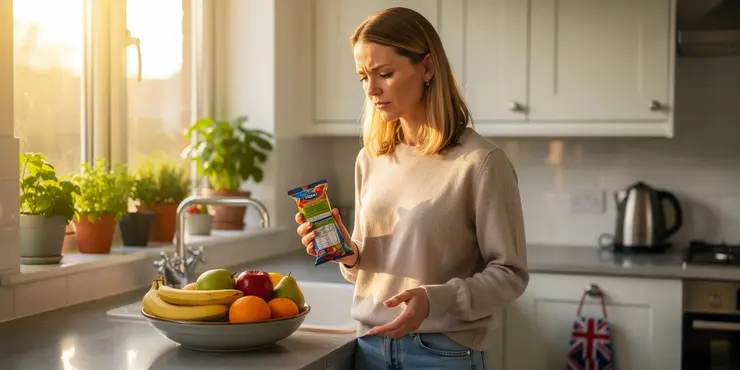
Reading food labels is a useful tactic to identify and limit free sugar consumption. By checking the total sugar content, you can make more informed dietary choices.
Why Prioritize Intrinsic Sugars?
While it's important to cut down on free sugars, intrinsic sugars need not be limited. Intrinsic sugars, found within whole foods, come with vitamins, minerals, and fibre.
Whole fruits and vegetables are beneficial to health, offering numerous nutrients essential for bodily functions. Consuming these also contributes to feeling full, aiding in weight management.
Therefore, it's crucial to distinguish between reducing free sugars while encouraging intake of intrinsic sugars from natural sources like fruits and vegetables.
Frequently Asked Questions
Free sugars refer to sugars added to foods and drinks by manufacturers, cooks, or consumers, as well as sugars naturally present in honey, syrups, and unsweetened fruit juices.
Excessive consumption of free sugars is linked to weight gain, dental cavities, and the risk of developing metabolic diseases such as type 2 diabetes.
Naturally occurring sugars are found within the structure of whole fruits, vegetables, and dairy products, while free sugars are those separate from the original structure, often added during processing.
All added sugars are free sugars, but free sugars also include naturally occurring sugars found in honey, syrups, and fruit juices.
The World Health Organization recommends that free sugars should make up less than 10% of total daily energy intake, with a conditional recommendation to reduce it to less than 5% for additional health benefits.
Limiting free sugars in a child's diet helps prevent tooth decay, unhealthy weight gain, and establishes healthy eating habits from an early age.
Look for ingredients such as sucrose, glucose, fructose, corn syrup, honey, and fruit juice concentrates, which indicate the presence of free sugars.
Yes, fruit juices are considered free sugars because the sugars are no longer contained in the fibrous structure of the fruit and can contribute to excessive sugar intake.
No, artificial sweeteners are not considered free sugars since they are low-calorie or calorie-free substitutes that do not provide the energy found in sugars.
While it's beneficial to limit free sugars, moderate consumption within the recommended limits is generally safe. Complete elimination isn't necessary for most healthy individuals.
Free sugars contribute to dental caries (cavities) because they provide a food source for bacteria in the mouth, which produce acid that damages tooth enamel.
Excessive free sugar intake may be associated with higher risks of mood disorders, including depression and anxiety, likely due to energy spikes and crashes.
While honey is often perceived as healthier, it is still considered a free sugar and should be consumed in moderation like other forms of sugar.
No, not all carbohydrates are free sugars. Complex carbohydrates like those found in whole grains and vegetables are not free sugars.
Free sugars can contribute to obesity by providing excess calories without nutritional benefits, leading to increased calorie intake and weight gain over time.
High intake of free sugars can lead to insulin resistance and increased fat storage, which are risk factors for metabolic diseases like type 2 diabetes.
To reduce free sugar intake, limit sugary drinks, choose whole fruits over fruit juices, and check nutrition labels for hidden sugars.
Reducing free sugar intake can improve overall health, reduce the risk of obesity, dental caries, and decrease the likelihood of developing chronic diseases.
Yes, you can have a healthy diet with limited free sugar consumption by ensuring most of your calories come from nutrient-dense foods.
Yes, many sports drinks contain added sugars and are thus considered a source of free sugars. Checking labels can help identify lower sugar options.

Ergsy Search Results
This website offers general information and is not a substitute for professional advice.
Always seek guidance from qualified professionals.
If you have any medical concerns or need urgent help, contact a healthcare professional or emergency services immediately.
Some of this content was generated with AI assistance. We've done our best to keep it accurate, helpful, and human-friendly.
- Ergsy carefully checks the information in the videos we provide here.
- Videos shown by Youtube after a video has completed, have NOT been reviewed by ERGSY.
- To view, click the arrow in centre of video.
- Most of the videos you find here will have subtitles and/or closed captions available.
- You may need to turn these on, and choose your preferred language.
- Go to the video you'd like to watch.
- If closed captions (CC) are available, settings will be visible on the bottom right of the video player.
- To turn on Captions, click settings.
- To turn off Captions, click settings again.