
Get Answers
Introduction to Choosing a Walker
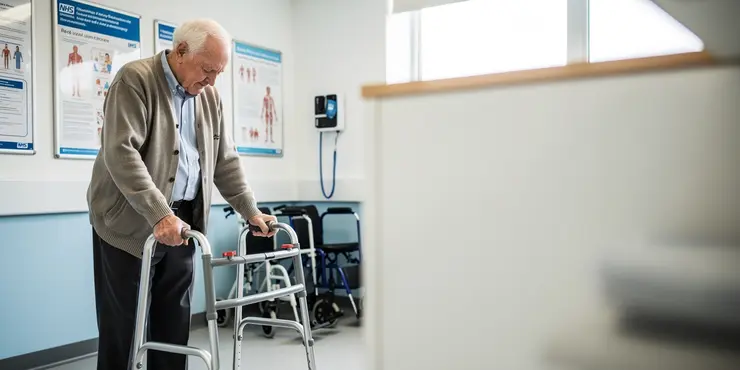
Choosing the right walker is crucial for individuals who require assistance with mobility. In the UK, there are various options available to suit different needs. When selecting a walker, there are several key features to consider to ensure safety, comfort, and functionality.
Adjustable Height
One of the most important features to look for in a walker is adjustable height. A walker that can be adjusted to suit the user's height will promote good posture and reduce the risk of strain or injury. It is essential that the handles are at wrist height when the user is standing upright, allowing their arms to be slightly bent when holding onto the walker.
Stability and Durability
Stability is paramount for a user's safety. Look for walkers constructed from durable materials, such as aluminium or steel, which provide a stable base. Features like non-slip rubber tips on the legs or wheels will further enhance stability, reducing the risk of slipping on various surfaces prevalent in the UK, such as wet pavements.
Weight Capacity
Each walker is designed with a specific weight capacity. It is crucial to choose one that can safely support the user's weight. Exceeding the weight limit can compromise the walker's structural integrity and safety. Check the manufacturer’s guidelines to ensure the walker is appropriate for the user's weight.
Portability and Storage
For those who need to transport their walker or have limited space, portability and storage are important considerations. Lightweight walkers are easier to handle, and foldable models offer convenience for storage and travel. Consider the ease of folding and unfolding the walker, ensuring it can be done without too much effort.
Wheels and Maneuverability
Consider wheeled walkers for users who require more mobility. Two-wheeled walkers provide additional stability, while four-wheeled models offer greater maneuverability. In the UK, where surfaces can be uneven, wheels with a larger diameter often navigate smoother over obstacles. Brakes are essential for controlling speed and ensuring the walker remains stationary when needed.
Additional Features
Some walkers come with additional features such as seats, baskets, or storage pouches. These can be beneficial for users who need to rest frequently or carry belongings without extra bags. Outdoor users in particular may benefit from a walker with a seat, allowing them to rest during longer journeys.
Comfort and Grip
Handles should be comfortable to grip, especially for long-term use. Ergonomic designs reduce strain on the hands and wrists. Consider padded or textured grips to prevent slipping, which is particularly useful in the UK's unpredictable weather conditions.
Conclusion
In summary, the key features to look for in a walker include adjustable height, stability, weight capacity, portability, wheels, additional features, and comfort. Taking the time to choose the right walker will contribute significantly to the user's independence and quality of life. Always consider consulting with healthcare professionals or occupational therapists who can provide personalised advice suited to the user's specific needs.
Introduction to Choosing a Walker
Picking the right walker is important for people who need help walking. In the UK, there are many kinds to choose from. Always think about safety, comfort, and how well it works when picking a walker.
Adjustable Height
A walker should have adjustable height. This means you can change how high it is. The handles should be at wrist level so you can stand up straight and not hurt yourself. Your arms should bend a little when you hold the walker.
Stability and Durability
Stability means the walker won't wobble. Get a walker made from strong materials like aluminium or steel. Look for walkers with rubber tips on the legs or wheels. This helps keep you safe on wet or slippery roads.
Weight Capacity
Each walker can hold a certain weight. Make sure the walker you pick can safely hold your weight. Check the label or ask to be sure it's strong enough.
Portability and Storage
If you need to carry your walker or have little space, pick one that is easy to move and store. Light walkers are easier to carry. Foldable walkers can be stored and taken with you when traveling. Make sure you can fold it easily.
Wheels and Maneuverability
If you want more freedom to move, a wheeled walker might help. Walkers with two wheels are very stable. Walkers with four wheels are easier to turn. Bigger wheels help on bumpy roads. Brakes are important to stop the walker safely.
Additional Features
Some walkers have extras like seats or baskets. A seat can be nice if you need to rest. A basket helps carry things. These extras are good if you walk outside a lot.
Comfort and Grip
The handles should be easy to hold. A comfy grip is important if you use the walker a lot. Look for grips that are soft or have a good texture. This helps even in rainy weather.
Conclusion
When picking a walker, think about height, stability, weight it can hold, ease of moving and storing, wheels, extras, and comfort. Taking time to pick the right walker helps you stay independent and happy. It can be helpful to talk with healthcare experts for advice that fits your needs.
Frequently Asked Questions
The primary purpose of a walker is to provide support and stability to individuals with mobility challenges, helping them move safely and independently.
The weight capacity is important to ensure the walker can safely support the user's weight without risk of damage or failure.
Adjustability allows the walker to be customized to the user's height, enhancing comfort and reducing strain during use.
There are several types, including standard walkers, rolling walkers, and rollators, each designed for different levels of mobility and support needs.
Comfortable and non-slip handgrip materials enhance user comfort and safety by preventing hand fatigue and ensuring a secure grip.
The size and type of wheels determine how easily the walker can traverse different surfaces, with larger wheels often providing better outdoor capability.
A rollator is a type of walker equipped with wheels on all legs, often featuring a seat and sometimes additional storage, making it useful for longer distances.
A seat allows the user to rest whenever needed, providing convenience and reducing the risk of overexertion during walks.
A lightweight walker is easier to maneuver and transport, which is important for users who need to carry or store it frequently.
Foldable walkers are designed to collapse for easy storage and transport, making them convenient for travel or when space is limited.
Brakes provide control over the walker's movement on slopes or uneven surfaces, preventing falls and improving user confidence.
Accessories like baskets, trays, or cup holders can enhance functionality by allowing the user to carry items while using the walker.
Durable frame materials, such as aluminum or steel, ensure the walker's longevity and provide stability while remaining lightweight or sturdy.
A wider base offers more support and balance, reducing the likelihood of tipping, which is especially beneficial for users with significant stability needs.
Correct height adjustment ensures proper posture and reduces strain on the back and shoulders, improving comfort and reducing injury risk.
Specialty walkers include knee walkers or three-wheeled walkers, designed for specific mobility challenges like foot injuries or tight spaces.
Walker feet with non-skid tips provide better grip on surfaces, preventing slips and enhancing stability on different terrains.
Larger wheels can navigate uneven surfaces more easily, providing a smoother ride outdoors and improving the overall user experience.
Ease of assembly ensures that the walker can be quickly and properly put together without tools, allowing immediate use and convenience for the user.
Consideration should be given to whether the walker can be easily folded or disassembled for storage in smaller spaces or for transport, enhancing practicality.
A walker helps people who have trouble moving. It gives them support so they can move safely and on their own.
The weight limit is important. It tells us how much weight the walker can hold safely. This way, it won't break or get damaged while you use it.
You can change the height of the walker. This makes it more comfortable and easier to use. It helps prevent hurting yourself.
There are different kinds of walkers. There are standard walkers, rolling walkers, and rollators. They help people who need different kinds of support to move around.
The handle is made of comfy and no-slip stuff. This makes it safe and easy to hold. Your hand won't get tired so fast, and you won't drop it.
The size and type of wheels help the walker move on different surfaces. Bigger wheels usually work better outside.
A rollator is a special kind of walker. It has wheels on all its legs. This makes it easy to push. It often has a seat, so you can sit down when you are tired. Some rollators also have a basket or a bag. This helps you carry things when you walk a long way.
Tip: If you find it hard to walk, a rollator might help you. It gives you support and helps carry your things. Ask a helper or try one in a store to see if it works for you.
A seat helps you sit down and rest when you are tired. This makes walking easier and safer because you won't get too tired.
A lightweight walker is easy to move and carry. This is good for people who need to use it often and take it with them places.
Foldable walkers can be closed up. This makes them easy to store and carry. They are good for trips or when you don't have much space.
Brakes help you stay safe when you use a walker. They stop you from going too fast on hills or bumpy places. This keeps you from falling and makes you feel sure and safe.
Things like baskets, trays, or cup holders can make a walker more useful. They help you carry things while using the walker.
Walkers with strong frames made from aluminum or steel last a long time. They stay steady and are still easy to move around.
A wide base gives better support and balance. This makes it less likely to tip over. It's really helpful for people who need extra help to stay steady.
Setting the right height helps you sit up straight. It stops your back and shoulders from hurting. This makes you feel better and keeps you safe.
Special walkers help people move when walking is hard. Some walkers have a place for your knee, for when your foot is hurt. Others have three wheels, to help in small spaces.
Walker feet with special tips help you stay steady when you walk. They stop slipping and make it easier to walk on different surfaces.
Big wheels help move over bumpy ground more easily. They make your ride smoother when you are outside and make it feel better.
The walker is easy to put together. You don’t need tools. You can start using it right away. This makes it very handy for you.
Think about if the walker can be folded or taken apart. This makes it easier to put away in small spaces or take with you when you travel.

Ergsy Search Results
This website offers general information and is not a substitute for professional advice.
Always seek guidance from qualified professionals.
If you have any medical concerns or need urgent help, contact a healthcare professional or emergency services immediately.
Some of this content was generated with AI assistance. We've done our best to keep it accurate, helpful, and human-friendly.
- Ergsy carefully checks the information in the videos we provide here.
- Videos shown by Youtube after a video has completed, have NOT been reviewed by ERGSY.
- To view, click the arrow in centre of video.
- Most of the videos you find here will have subtitles and/or closed captions available.
- You may need to turn these on, and choose your preferred language.
- Go to the video you'd like to watch.
- If closed captions (CC) are available, settings will be visible on the bottom right of the video player.
- To turn on Captions, click settings.
- To turn off Captions, click settings again.