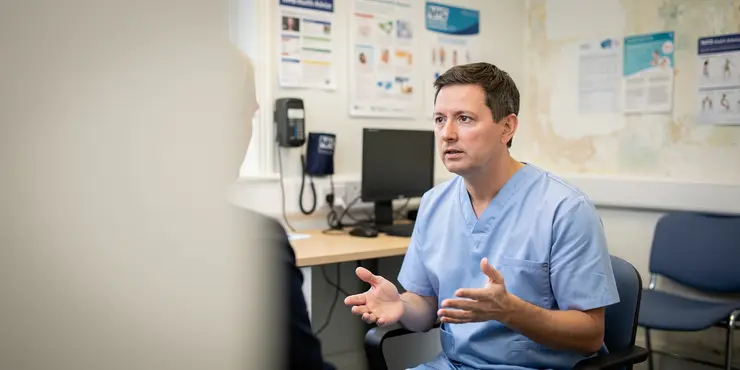

Speak To An Expert
Get clear, personalised advice for your situation.
Jot down a few questions to make the most of your conversation.
What Are Opportunistic Infections?
Opportunistic infections are illnesses that occur more frequently and are more severe in individuals with weakened immune systems compared to those with healthy immune systems. These infections take advantage of the body's reduced ability to fight off disease. Common causes of immune system suppression include conditions such as HIV/AIDS, cancer treatments, organ transplantation, and the use of immunosuppressive medications.
Common Types of Opportunistic Infections
There are several types of opportunistic infections, each caused by different microorganisms such as bacteria, viruses, fungi, and parasites. Some of the most common opportunistic infections include Pneumocystis pneumonia (PCP), Kaposi's sarcoma, and cytomegalovirus (CMV) infection. These infections can affect various parts of the body, leading to serious health complications.
Pneumocystis pneumonia is a fungal infection of the lungs that can cause severe respiratory problems. Kaposi's sarcoma, a type of cancer, causes lesions in the skin, lymph nodes, and internal organs. Cytomegalovirus infection can affect the eyes, resulting in vision impairment or blindness if not treated promptly.
Causes and Risk Factors
Opportunistic infections occur when the immune system is unable to effectively defend the body against pathogens. Various factors can weaken the immune system, making individuals more susceptible to these infections. People with HIV/AIDS are at particularly high risk because the virus specifically targets and destroys critical immune cells.
Other risk factors include chronic diseases such as diabetes, the use of corticosteroids, chemotherapy, and radiation therapy in cancer treatment. Organ transplant recipients are also at increased risk due to the immunosuppressive drugs required to prevent organ rejection.
Prevention and Management
Preventing opportunistic infections involves a combination of lifestyle adjustments, vaccination, and prophylactic medications. Maintaining a healthy lifestyle, including a balanced diet and regular exercise, can help support the immune system. Vaccinations against common pathogens can reduce the risk of specific infections.
For individuals at high risk, doctors may prescribe medications to prevent certain infections before they occur, a strategy known as prophylaxis. For those already infected, prompt medical treatment is crucial to manage symptoms and prevent complications.
Conclusion
Opportunistic infections pose significant challenges for individuals with weakened immune systems. Understanding the causes, prevention strategies, and management options can help mitigate the risks associated with these infections. Anyone at risk should work closely with healthcare providers to develop an appropriate plan for prevention and management.
What Are Opportunistic Infections?
Opportunistic infections are sicknesses that happen more often and are worse for people whose bodies can't fight germs well. This happens to people who are very sick or are taking special medicines. People with illnesses like HIV/AIDS, cancer, or who had an organ replaced have weaker protection against germs.
Common Types of Opportunistic Infections
There are different kinds of opportunistic infections caused by germs like bacteria and viruses. Some common ones are Pneumocystis pneumonia (PCP), Kaposi's sarcoma, and cytomegalovirus (CMV) infection.
Pneumocystis pneumonia is a lung infection that makes it hard to breathe. Kaposi's sarcoma is a special kind of cancer that makes spots on the skin and inside the body. Cytomegalovirus infection can hurt the eyes and might make someone lose their sight if not treated.
Causes and Risk Factors
Opportunistic infections happen when the body can't fight off bad germs. Many things can make the body weak like HIV/AIDS because this virus destroys the cells that help us stay healthy.
People with long-lasting illnesses like diabetes, or those who take strong medicines like for cancer, are more likely to get these infections. People with a new organ in their body are also more likely to get sick because of the special medicines they take.
Prevention and Management
We can try to stop opportunistic infections by living healthily, getting shots, and taking safety medicines. Eating good food and exercising helps our bodies stay strong. Getting vaccines can stop some infections.
Doctors can give medicines to people who might get sick to stop infections from happening. If someone does get an infection, seeing a doctor quickly is important to feel better and stop more problems.
Conclusion
Opportunistic infections are tough for people who don't have strong bodies to fight germs. Knowing how they happen and how to stop them helps. People should talk with their doctors to stay safe and healthy.
Frequently Asked Questions
Opportunistic infections are infections caused by organisms that usually do not cause serious illness in healthy people. They occur more often when the immune system is weakened, such as with HIV, cancer treatment, organ transplant medicines, advanced age, or certain chronic illnesses.
Opportunistic infections develop when normal immune defenses are reduced, allowing bacteria, viruses, fungi, or parasites that are usually controlled by the body to multiply and cause disease.
People at higher risk for opportunistic infections include those with HIV or AIDS, people receiving chemotherapy or steroids, organ transplant recipients, people taking immunosuppressive drugs, and anyone with a condition that weakens the immune system.
Common symptoms of opportunistic infections can include fever, cough, shortness of breath, fatigue, diarrhea, weight loss, mouth sores, skin rashes, and localized pain or swelling, depending on the infection.
Opportunistic infections are diagnosed using a medical history, physical examination, lab tests, cultures, imaging studies, and sometimes specialized tests such as blood tests, stool tests, sputum tests, or biopsies.
Treatment for opportunistic infections depends on the cause and may include antibiotics, antiviral medicines, antifungal medicines, antiparasitic drugs, supportive care, and treatment of the underlying immune problem.
Many opportunistic infections can be prevented by maintaining immune health, taking prescribed preventive medicines, getting recommended vaccines, practicing good hygiene, and avoiding exposure to known infectious sources.
Common opportunistic infections in people with HIV include pneumocystis pneumonia, candidiasis, toxoplasmosis, cytomegalovirus disease, tuberculosis, cryptococcal meningitis, and certain herpesvirus infections.
Some opportunistic infections are contagious and can spread from person to person, while others are caused by organisms already present in the body or from environmental exposure. Whether an opportunistic infection is contagious depends on the specific organism.
Opportunistic infections differ from regular infections because they mainly affect people with weakened immune systems and are caused by organisms that often do not cause disease or only mild disease in healthy people.
In people with HIV, CD4 counts help show immune function. Lower CD4 counts mean a higher risk of opportunistic infections, and certain preventive treatments are recommended when the count falls below specific thresholds.
Urgent care for opportunistic infections is needed if there is high fever, trouble breathing, chest pain, confusion, severe dehydration, stiff neck, vision changes, or rapid worsening of symptoms.
Yes, opportunistic infections can affect many organs, including the lungs, brain, skin, eyes, digestive tract, blood, and kidneys, depending on the infectious organism and the person's immune status.
Preventive medications for opportunistic infections may include antibiotics like trimethoprim-sulfamethoxazole, antifungals, antivirals, or antiparasitic drugs, depending on the person's risk factors and immune condition.
Vaccines can help prevent some infections that may become serious in people with weakened immunity. However, vaccine choices and timing should be guided by a clinician because some vaccines are not safe for certain immunocompromised people.
Yes, opportunistic infections can recur if the immune system remains weak or if preventive treatment is not continued. Ongoing medical follow-up is often needed to reduce the chance of recurrence.
Cancer treatments such as chemotherapy, radiation, stem cell transplant, and some targeted therapies can weaken the immune system, increasing the risk of opportunistic infections during and after treatment.
Yes, opportunistic infections can be serious or life-threatening, especially when diagnosis is delayed or the immune system is severely weakened. Early detection and treatment are important.
A person can lower the risk of opportunistic infections at home by washing hands often, avoiding sick contacts, cooking food safely, keeping wounds clean, taking prescribed medicines, and following medical advice about exposure precautions.
A person should ask their doctor about their specific risk for opportunistic infections, warning signs to watch for, recommended preventive medicines, vaccine options, and when to seek urgent medical care.

Ergsy Search Results
This website offers general information and is not a substitute for professional advice.
Always seek guidance from qualified professionals.
If you have any medical concerns or need urgent help, contact a healthcare professional or emergency services immediately.
Some of this content was generated with AI assistance. We've done our best to keep it accurate, helpful, and human-friendly.
- Ergsy carefully checks the information in the videos we provide here.
- Videos shown by Youtube after a video has completed, have NOT been reviewed by ERGSY.
- To view, click the arrow in centre of video.
- Most of the videos you find here will have subtitles and/or closed captions available.
- You may need to turn these on, and choose your preferred language.
- Go to the video you'd like to watch.
- If closed captions (CC) are available, settings will be visible on the bottom right of the video player.
- To turn on Captions, click settings.
- To turn off Captions, click settings again.