
Get Answers
Introduction to Peer Support Groups
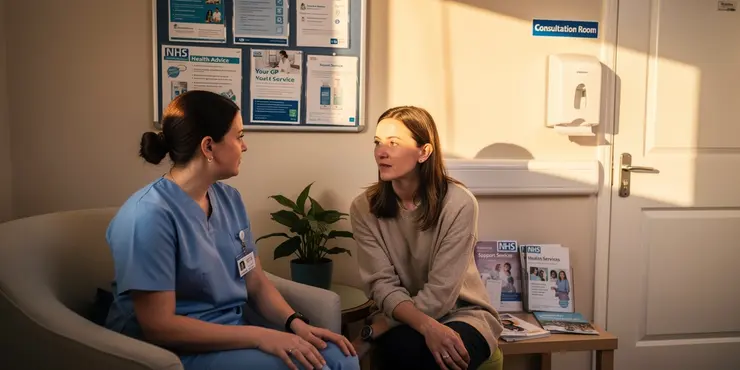
Peer support groups are vital resources for individuals within community-focused professions, such as healthcare workers, educators, emergency responders, and social services personnel. These groups provide a platform where community helpers can connect, share experiences, and offer mutual support. By fostering a sense of camaraderie, peer support groups help alleviate the unique stresses faced by those serving others, promoting mental well-being and resilience.
The Role and Benefits of Peer Support Groups
Peer support groups serve multiple purposes. They act as safe spaces where community helpers can openly discuss the challenges and emotional demands of their roles. This sharing helps alleviate feelings of isolation, as group members realize they are not alone in their struggles. Furthermore, these groups facilitate the exchange of coping strategies and practical advice, empowering members to manage stress more effectively.
Another significant benefit of peer support groups is the reduction of stigma associated with seeking help for mental health issues. Within these groups, participants are more likely to feel understood and validated by their peers, which can encourage them to seek further professional assistance if needed. Additionally, by participating in peer support groups, community helpers can enhance their communication and interpersonal skills, which are crucial in their line of work.
Structure and Functioning of Peer Support Groups
Peer support groups can vary in structure, ranging from informal gatherings to structured programmes led by trained facilitators. In the UK, these groups often meet in person, although online platforms are becoming increasingly popular, especially in the wake of the COVID-19 pandemic. Regardless of the format, the central aim remains the same: to provide a confidential and empathetic environment for open dialogue.
These groups function on the principles of mutual support and respect. Each member has an equal opportunity to share their experiences and insights, fostering a balanced exchange of ideas. Group meetings might include discussions on specific topics, peer-led workshops, or activities designed to build team cohesion and resilience.
How to Access Peer Support Groups
Accessing peer support groups in the UK can be straightforward. Many organisations offer these groups as part of their employee support programs. Additionally, there are numerous national charities and local community organisations dedicated to facilitating peer support networks. Online directories and healthcare providers can also be valuable resources for finding groups relevant to specific professions.
For those interested in setting up a peer support group, resources and training are often available through professional bodies or mental health charities. It is crucial to ensure that groups maintain a welcoming and inclusive atmosphere, adhering to guidelines on confidentiality and respectful communication.
Conclusion
In conclusion, peer support groups play a crucial role in supporting the mental health and well-being of community helpers in the UK. By offering a space for shared experiences and support, these groups help members manage the demands of their work and enhance their capacity to serve the community effectively. Investing time in peer support can lead to healthier, more resilient community workers, benefiting both individuals and the communities they serve.
Introduction to Peer Support Groups
Peer support groups are important for people who help in jobs like healthcare, teaching, emergency work, and social services. These groups let helpers meet and talk about their work. People can share their stories and support each other. This makes them feel better and stronger in their jobs.
The Role and Benefits of Peer Support Groups
Peer support groups are safe places where helpers can talk about their tough jobs. By sharing, they see they are not alone. In these groups, people share tips on handling stress. This makes them feel stronger and better at their work.
Another good thing about these groups is they help people feel okay about asking for mental health help. People feel understood and might decide to get more help if needed. Being part of these groups also helps people talk and listen better, which is important for their jobs.
Structure and Functioning of Peer Support Groups
Peer support groups can be simple meet-ups or organized meetings led by trained leaders. In the UK, groups can meet face-to-face or online. Online meetings are popular, especially after COVID-19. All groups have the same goal: to offer a private and caring place to talk.
The groups work on helping each other and being respectful. Everyone can talk and share their ideas. Meetings might have talks about certain topics, workshops, or team games to help everyone feel part of the group.
How to Access Peer Support Groups
Finding peer support groups in the UK is usually easy. Many jobs offer these groups for their workers. There are also charities and local organisations that help people find the right group. You can look online or ask health workers to find a group for your job.
If you want to start a peer support group, there are resources and training from charities and professional groups. It’s important to make sure the group is welcoming, follows rules about privacy, and treats everyone with respect.
Conclusion
In conclusion, peer support groups are important for the mental health of community helpers in the UK. They offer a space for people to share experiences and help each other. This way, helpers can manage their work better and be strong for their community. Spending time in peer groups can lead to healthier, stronger workers, which helps everyone.
Frequently Asked Questions
Peer support groups for community helpers are gatherings where individuals who work in community-centered roles, like firefighters, police officers, healthcare workers, and teachers, come together to share experiences, provide emotional support, and discuss ways to manage stress and challenges associated with their work.
Typically, anyone working in roles that directly benefit the community, such as emergency responders, medical staff, social workers, and educators, can join these groups. Membership might also extend to other roles depending on the group's focus.
Peer support groups are important because they provide a safe space for community helpers to share their experiences, reduce feelings of isolation, receive support from peers who understand their challenges, and develop coping strategies for stress and trauma.
Topics can include stress management, dealing with trauma and grief, work-life balance, mental health awareness, coping mechanisms, and strategies for improving community service effectiveness.
Peer support groups help in stress management by allowing members to express their feelings, gain insights from others' experiences, and learn effective coping techniques, all of which contribute to reducing stress levels.
Yes, maintaining confidentiality is a fundamental aspect of peer support groups, ensuring that members can freely share personal experiences without fear of judgment or breaches of privacy.
A typical meeting may include a check-in period, a discussion of pre-selected topics or issues raised by members, sharing personal experiences, and ending with resources or strategies for managing discussed issues.
Yes, community helpers can independently form their own support groups, often based on shared workplace experiences, geographic location, or specific professional challenges.
The frequency of meetings can vary across groups, with some meeting weekly, bi-weekly, or monthly based on the needs and availability of the members.
Yes, there are online peer support groups which offer flexibility and accessibility for members who may have scheduling constraints or who live in areas without easily accessible in-person groups.
Interested individuals can find support groups through professional networks, community health organizations, online directories, or by inquiring within their workplaces.
Benefits include emotional support, shared experiences, professional camaraderie, improved mental health, access to resources, and enhanced personal and professional coping strategies.
While peer support groups can function without a professional facilitator, having one can help ensure the meetings remain structured, respectful, and productive.
A facilitator guides the discussion, ensures everyone has the opportunity to speak, maintains confidentiality and respect among members, and provides resources when necessary.
Many peer support groups are free or require a nominal fee to cover basic meeting expenses, though it can vary by organization or group.
Peer support groups focus on mutual support and shared experiences rather than professional psychological treatment, which is provided by licensed therapists in a therapeutic setting.
Yes, by enhancing emotional resilience and providing coping strategies, support groups can improve mental health and job satisfaction, leading to better job performance.
Participation is typically voluntary; however, some workplaces may encourage it as part of a broader employee wellness program.
Peer support groups have roots in the early 20th century, gaining prominence through organizations like Alcoholics Anonymous, and have evolved to support various professional and personal challenges.
By providing a supportive environment for self-reflection, sharing, and learning from others, peer support groups can enhance self-awareness, emotional intelligence, and interpersonal skills, contributing to personal growth.
Peer support groups are meetings for people who help others in the community. People like firefighters, police officers, healthcare workers, and teachers get together. They talk about their jobs, help each other feel better, and find ways to handle stress and tough things about their work.
People who help the community, like firefighters, doctors, nurses, social workers, and teachers, can join these groups. Sometimes other people can join too if it fits what the group wants to do.
Peer support groups are important. They give a safe place for community helpers to talk about their experiences. This helps them feel less alone. They can get help from others who know what they are going through. They can also learn ways to handle stress and difficult feelings.
Topics can include ways to handle stress, dealing with very sad events, balancing work and home life, learning about mental health, ways to feel better, and ideas for helping in the community.
Peer support groups can help you feel less stressed. In these groups, you can talk about your feelings, listen to others, and learn how they deal with stress. This can help you feel better and less worried.
Yes, keeping secrets is a big part of peer support groups. This way, everyone can talk about their own stories and not worry about being judged or having their secrets shared.
In a usual meeting, we do a few things:
First, we say hello and see how everyone is feeling. Then, we talk about some topics we picked before the meeting or any problems people want to talk about. We also share our own stories. At the end, we talk about helpful tips or ideas to deal with these problems.
Yes, community helpers can make their own support groups. These groups can be formed based on where they work, the area they live in, or the challenges they face in their jobs.
Tools like talking boards or apps that read text out loud can help understand better. Joining these groups can also be a great way to learn and share ideas.
Different groups have meetings at different times. Some groups meet once a week, some meet every two weeks, and others meet once a month. It depends on what the group needs and when members are free.
Yes, there are online support groups where you can talk to others. These groups are easy to join and you can use them anytime. They are great if you have a busy schedule or if you live far away from in-person groups.
You can find support groups in different ways. You can ask at work, check online lists, or talk to community health centers. Professional networks might help too.
Being part of a group has many good things. You can feel better with others who care, and share similar stories. You can make friends at work and feel happier. You can also find help and learn ways to deal with hard times, both at work and in your own life.
Peer support groups can work without a leader. But having a leader can help the meetings go smoothly, stay respectful, and be useful for everyone.
A helper leads the talk. They make sure everyone gets a turn to speak. They keep secrets safe and make sure everyone is nice to each other. They also give help if it is needed.
A lot of peer support groups are free. Some ask for a small amount of money to pay for meeting costs. Different groups may ask for different amounts.
Peer support groups are people who help each other. They share their own stories and listen to others. It is not the same as talking to a trained therapist. Therapists are professionals who work with people to help them in special therapy sessions.
Here are some tools and ideas that might help you:
- Simple words – Use words that are easy to understand.
- Pictures – Use pictures to explain things.
- Ask questions – It’s okay to ask if you don’t understand something.
Yes, support groups help people feel stronger and teach them ways to handle tough times. This can make them happier and more satisfied at work, which helps them do their jobs better.
Joining in is usually a choice. But some workplaces might ask you to join to help you stay healthy.
Peer support groups started a long time ago, in the early 1900s. They became popular with groups like Alcoholics Anonymous. Now, they help people with many different problems at work and in their personal lives.
Peer support groups help people learn and grow. They give us a safe place to think about ourselves, talk with others, and learn new things. This helps us understand ourselves better, handle our feelings, and get along with others.

Ergsy Search Results
This website offers general information and is not a substitute for professional advice.
Always seek guidance from qualified professionals.
If you have any medical concerns or need urgent help, contact a healthcare professional or emergency services immediately.
Some of this content was generated with AI assistance. We've done our best to keep it accurate, helpful, and human-friendly.
- Ergsy carefully checks the information in the videos we provide here.
- Videos shown by Youtube after a video has completed, have NOT been reviewed by ERGSY.
- To view, click the arrow in centre of video.
- Most of the videos you find here will have subtitles and/or closed captions available.
- You may need to turn these on, and choose your preferred language.
- Go to the video you'd like to watch.
- If closed captions (CC) are available, settings will be visible on the bottom right of the video player.
- To turn on Captions, click settings.
- To turn off Captions, click settings again.