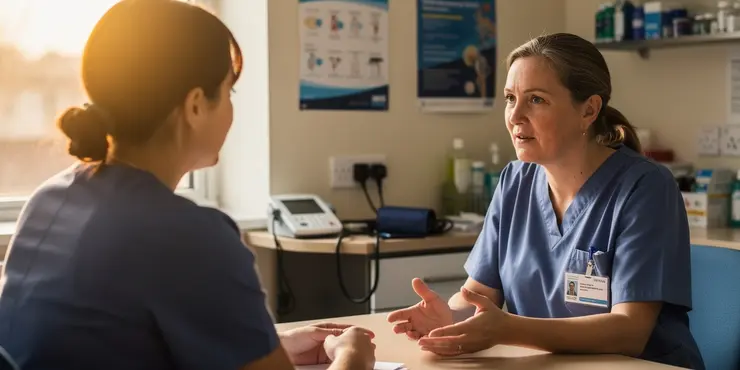

Speak To An Expert
Get clear, personalised advice for your situation.
Jot down a few questions to make the most of your conversation.
Side Effects of Bowel Cancer Treatment
Treatment for bowel cancer often involves a combination of surgery, chemotherapy, and radiotherapy. Each treatment modality may have its own set of side effects, and it is important for patients to be informed about these potential issues. Understanding the side effects can help patients manage them effectively and improve their quality of life during and after treatment.
Surgical Side Effects
Surgery is a common treatment for bowel cancer, particularly if the cancer is detected early. Post-surgical side effects can include pain and discomfort in the area where surgery was performed. Patients may also experience fatigue and a temporary loss of appetite. In addition, bowel habits may change, leading to symptoms such as diarrhoea, constipation, or bowel incontinence. These symptoms can persist as the body adjusts after surgery, but they often improve over time.
There is also a risk of developing a stoma, a colostomy or ileostomy, where an opening is made on the abdomen to allow waste to exit the body. While this is sometimes temporary, it can significantly impact a patient’s lifestyle and require adjustments.
Chemotherapy Side Effects
Chemotherapy drugs can lead to a range of side effects due to their impact on healthy, rapidly-dividing cells. Common side effects include nausea and vomiting, which are often managed with anti-nausea medications. Hair loss and increased vulnerability to infections due to reduced white blood cell counts are also possible.
Patients might experience oral ulcers, leading to discomfort and difficulty eating. Other possible side effects include fatigue, hand-foot syndrome, where palms and soles can become red and sore, and peripheral neuropathy, which manifests as tingling or numbness in extremities.
Radiotherapy Side Effects
For patients undergoing radiotherapy, side effects are typically localized to the area being treated. Common effects include skin irritation or changes in the treatment area, such as redness, soreness, or peeling. Patients may also experience fatigue that persists throughout treatment.
The radiation can also lead to changes in bowel habits, with symptoms similar to those experienced post-surgery, such as diarrhoea. In some cases, patients may experience bladder irritation or urinary symptoms.
Managing Side Effects
Healthcare providers aim to manage side effects with supportive treatments, lifestyle changes, and medication adjustments. It is crucial for patients to communicate any side effects to their medical team to tailor management approaches effectively. Nutritional support and psychological counselling may also be beneficial in managing the emotional and physical challenges during treatment.
Understanding the possible side effects and how to manage them can equip patients and their families with the tools needed to navigate bowel cancer treatment more effectively, improving overall outcomes and maintaining a better quality of life.
Side Effects of Bowel Cancer Treatment
If you have bowel cancer, you might need treatments like surgery, chemotherapy, or radiotherapy. Each treatment can cause different side effects, and it's important to know what they are. This can help you handle them better and feel more comfortable during and after treatment.
Surgical Side Effects
Surgery is a common way to treat bowel cancer, especially if it's caught early. After surgery, you might feel pain where the operation happened. You could also feel really tired and not want to eat much. Your bathroom habits might change too - you could have diarrhoea, constipation, or trouble controlling when you need to go. These might get better as your body heals.
Sometimes, surgery means you need a stoma, which is a special opening on your tummy to help waste leave your body. This can be a big change in your life, but sometimes it's only needed for a little while.
Chemotherapy Side Effects
Chemotherapy uses strong medicine to fight cancer, but it can also affect healthy cells. This might make you feel sick or throw up, but there are medicines to help stop this. You might lose your hair or catch colds more easily because your body has fewer white blood cells.
You might get sores in your mouth, making it hard to eat. Other effects can include feeling very tired, having red and sore hands and feet, and feeling tingling or numbness in your fingers and toes.
Radiotherapy Side Effects
Radiotherapy is another treatment option, and its side effects are usually where you get the treatment. Your skin might get red, sore, or peel. You might also feel very tired.
The treatment might change how your bowels work, like causing diarrhoea. You might also have issues with your bladder, like needing to go to the bathroom more often.
Managing Side Effects
Doctors try to help with side effects using other treatments and changes in your daily routine. It's important to tell your doctor about any side effects you have, so they can help find ways to make things better. Eating well and talking to someone about how you feel can also help.
Knowing about these side effects and how to handle them means you and your family can feel more prepared during your treatment. This can help you feel better overall and keep your spirits up.
Frequently Asked Questions
Common side effects of bowel cancer surgery include pain, fatigue, bowel changes, and risk of infection.
Yes, chemotherapy for bowel cancer can cause hair loss, although the extent varies depending on the drug regimen.
Gastrointestinal side effects may include nausea, vomiting, diarrhea, constipation, and changes in appetite.
Yes, fatigue is a very common side effect experienced by many patients undergoing bowel cancer treatment.
Radiation therapy can cause skin irritation, redness, and peeling in the area being treated.
Yes, treatment can lead to changes such as increased frequency, urgency, and consistency of bowel movements.
Potential side effects of targeted therapy include high blood pressure, fatigue, mouth sores, and liver function changes.
Yes, patients may experience anxiety, depression, and stress due to the impact of the disease and treatment.
Some treatments may affect fertility, so it is important to discuss fertility preservation options with your doctor.
Some treatments can increase the risk of high blood pressure, heart attack, and blood clots.
Surgery may affect digestion by altering the digestive tract, leading to changes in nutrient absorption and bowel habits.
Severe pain, signs of infection, unusual bleeding, and significant changes in bowel habits should be reported immediately.
Some chemotherapy drugs can cause neuropathy, resulting in tingling, numbness, and pain in the hands and feet.
Yes, patients may experience weight loss or gain due to changes in appetite, metabolism, and lifestyle.
The duration of side effects varies; some may resolve quickly, while others can last months or be permanent.
Yes, medications like antiemetics, dietary adjustments, and hydration can help manage these symptoms.
The stress and lifestyle changes during treatment can lead to anxiety and depression; seeking support is important.
Yes, immunotherapy can lead to side effects such as skin rashes, diarrhea, liver problems, and fatigue.
Less common side effects include allergic reactions to medications, changes in taste, and insomnia.
Side effects can be managed with medications, lifestyle changes, dietary adjustments, and support from healthcare providers.
After bowel cancer surgery, some common effects are:
- You might feel pain.
- You could feel very tired.
- Your bowel movements might change.
- There is a chance of getting an infection.
Yes, medicine to treat bowel cancer can make you lose hair. How much hair you lose depends on the kind of medicine you take.
Your tummy might feel sick, or you could throw up. You might have runny poop (diarrhea) or find it hard to poop (constipation). You could also feel more or less hungry than usual.
To help, try eating small meals and drinking plenty of water. If you feel sick a lot, tell a grown-up or a doctor. They can help you feel better.
Yes, feeling very tired is a common side effect for many people getting bowel cancer treatment.
Radiation therapy can make your skin sore, red, and peel where you get the treatment.
Yes, treatment can change how often you need to go to the toilet, how quickly you need to go, and what your poo is like.
Taking this medicine can sometimes make you feel unwell. You might get:
- High blood pressure, which is when your blood pushes too hard against your veins.
- Tiredness, which means feeling very sleepy or worn out.
- Mouth sores, which are painful spots inside your mouth.
- Changes in how your liver works. The liver is a part of your body that helps clean your blood.
It's helpful to talk to your doctor if you feel any of these. Using a diary to keep track of how you feel can be a good idea.
Yes, people can feel worried, sad, or stressed because of the sickness and the treatments they have to go through.
Some treatments can make it hard to have babies later. Talk to your doctor about ways to keep your chance to have babies in the future.
Some treatments can make it more likely to get high blood pressure, a heart attack, or blood clots.
Using tools like pictures or simple apps can help understand more.
Having an operation can change the way your tummy works. It might make it harder for your body to get the goodness from food. It can also change how often you need to go to the toilet.
If it really hurts a lot, you see signs of an infection, there is unusual bleeding, or your toilet habits change a lot, tell someone right away.
Some cancer medicines can hurt the nerves. This can make your hands and feet tingle, feel numb, and hurt.
Yes, people might lose or gain weight because they feel more or less hungry, their bodies use energy differently, or their daily habits change.
Side effects can last for different times. Some go away quickly, but others might last for a long time or even forever.
Yes, medicines can help with these symptoms. Eating the right foods and drinking plenty of water can help too.
When someone is getting treatment, they might feel worried and sad. This is because of stress and changes in daily life. It is important for them to get help from others.
Yes, immunotherapy can cause side effects. These can include skin rashes, diarrhea, liver problems, and feeling very tired.
Some side effects do not happen very often. These include:
- Being allergic to the medicine. This means your body does not like the medicine and can make you feel unwell.
- Your sense of taste might change. Food may taste different than usual.
- Having trouble sleeping, or insomnia. This means you find it hard to sleep at night.
If you have questions or worries, talk to a doctor or nurse. It can help to use tools like a diary to keep track of how you feel. This way, you can share this information with your healthcare person.
You can handle side effects by taking medicine, changing your lifestyle, eating different foods, and getting help from doctors and nurses.

Ergsy Search Results
This website offers general information and is not a substitute for professional advice.
Always seek guidance from qualified professionals.
If you have any medical concerns or need urgent help, contact a healthcare professional or emergency services immediately.
Some of this content was generated with AI assistance. We've done our best to keep it accurate, helpful, and human-friendly.
- Ergsy carefully checks the information in the videos we provide here.
- Videos shown by Youtube after a video has completed, have NOT been reviewed by ERGSY.
- To view, click the arrow in centre of video.
- Most of the videos you find here will have subtitles and/or closed captions available.
- You may need to turn these on, and choose your preferred language.
- Go to the video you'd like to watch.
- If closed captions (CC) are available, settings will be visible on the bottom right of the video player.
- To turn on Captions, click settings.
- To turn off Captions, click settings again.