
Find Help
More Items From Ergsy search
-
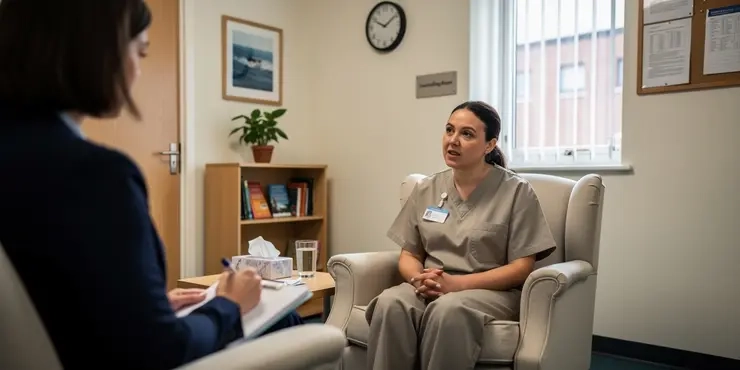
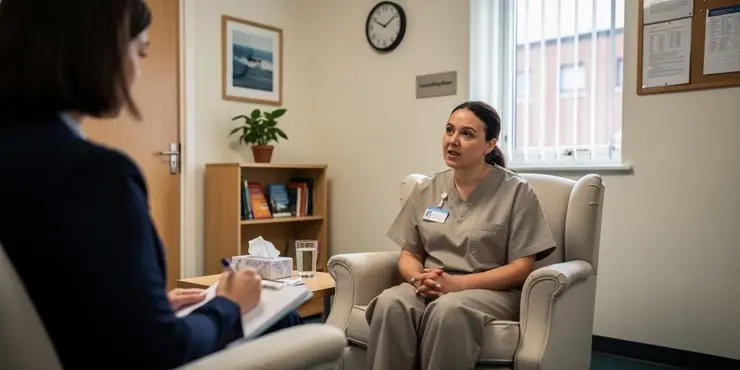
What are women's prisons like in the UK?
Relevance: 100%
-
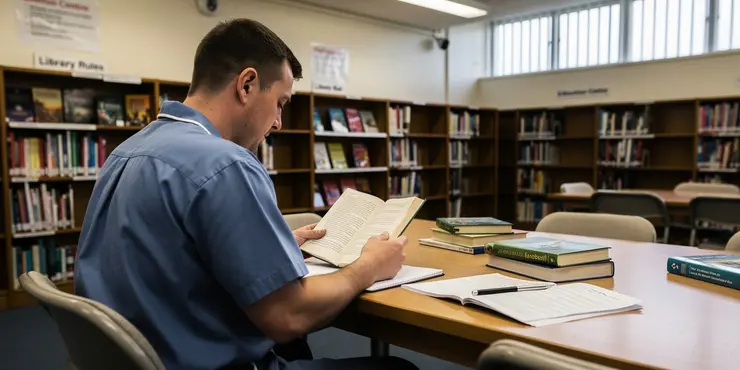
Is there a library service in the prison?
Relevance: 53%
-
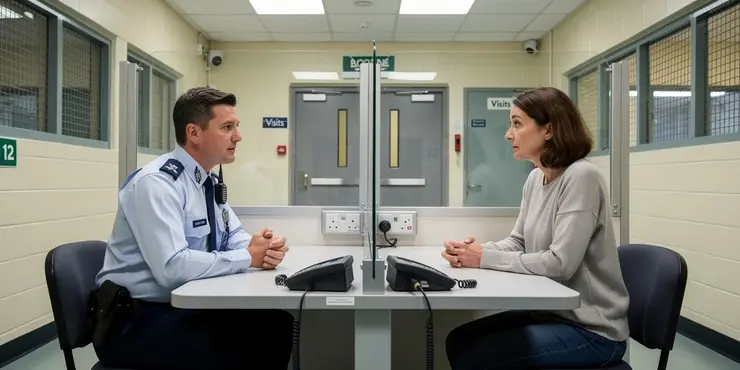
Will I meet with a prison officer?
Relevance: 53%
-
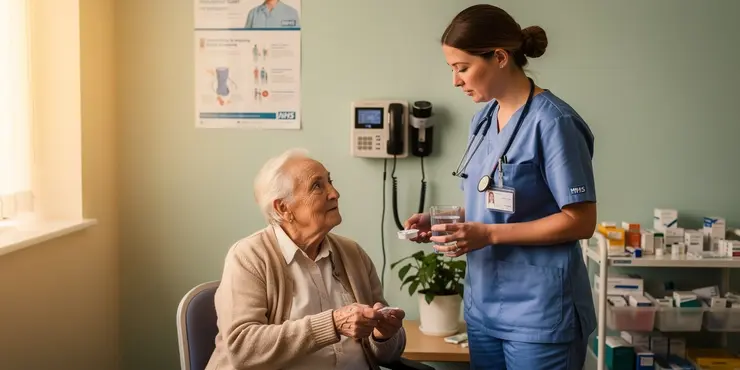
Do I get issued with prison clothing?
Relevance: 51%
-
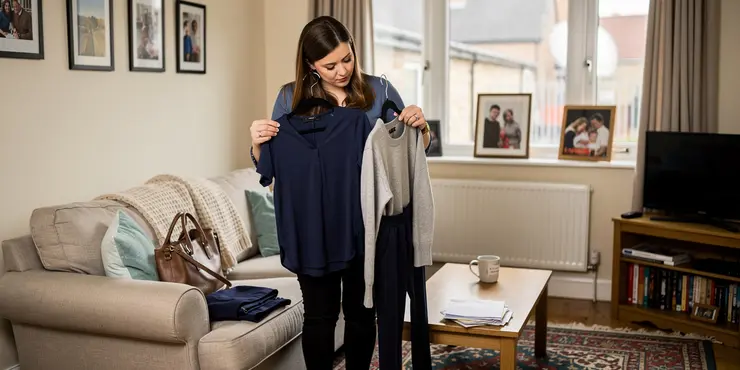
Visiting a Prisoner - What To Wear on a prison visit
Relevance: 51%
-

How are health services provided in prison?
Relevance: 51%
-

Are phone calls from prison free?
Relevance: 50%
-

What is an indefinite prison sentence?
Relevance: 50%
-
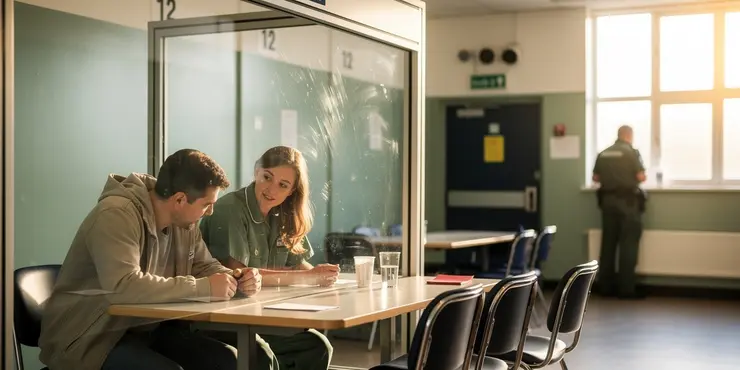
How often can I visit someone in prison?
Relevance: 50%
-
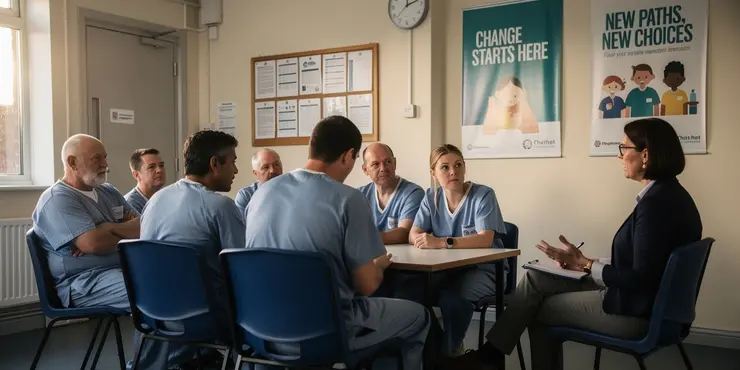
Are there special programs for prisoners with indefinite sentences?
Relevance: 50%

-
How can I contact someone in prison?
Relevance: 49%
-

What is an indefinite prison sentence?
Relevance: 49%
-
What to expect on the first day in a British prison.
Relevance: 49%
-
Someone I know has been sent to prison.
Relevance: 49%
-
Are there alternatives to indefinite prison sentences?
Relevance: 48%
-

Are indefinite prison sentences given in all countries?
Relevance: 48%
-
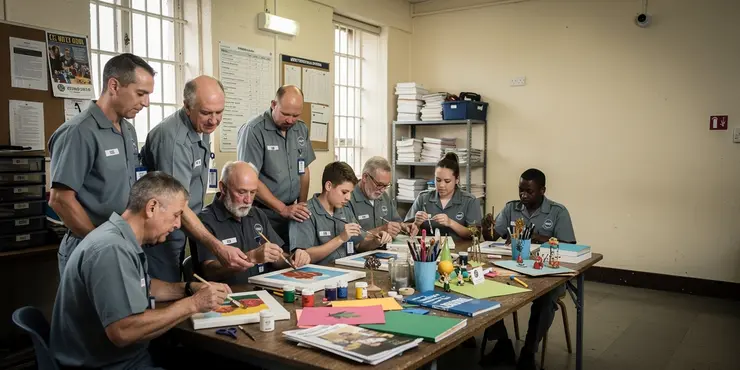
Do prisoners with indefinite sentences have the same privileges as others?
Relevance: 48%
-
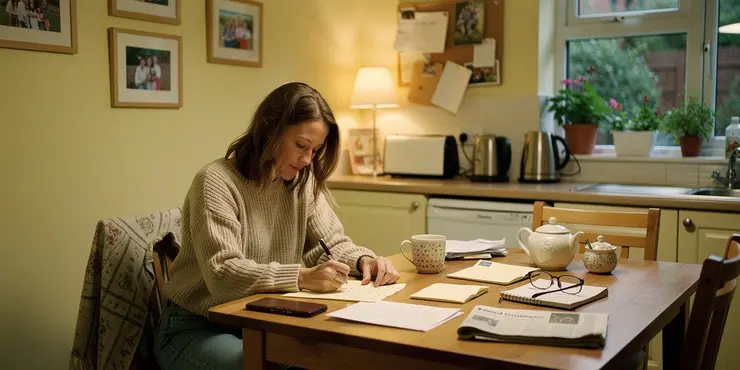
What items can I send to someone in prison?
Relevance: 47%
-

How frequently are prisoners with indefinite sentences reviewed for possible release?
Relevance: 47%
-

Why do courts issue indefinite prison sentences?
Relevance: 46%
-
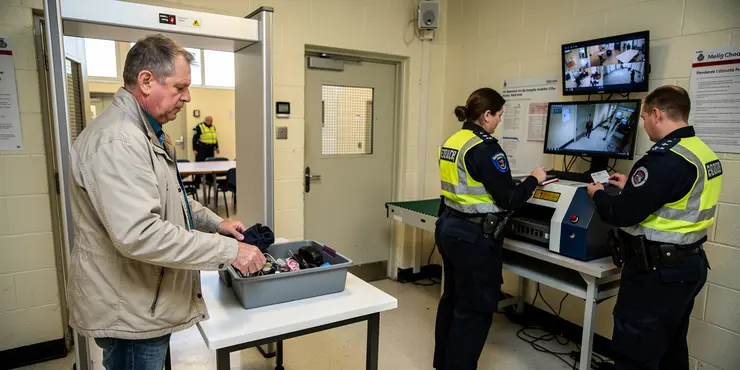
What should I expect when visiting a prison?
Relevance: 45%
-
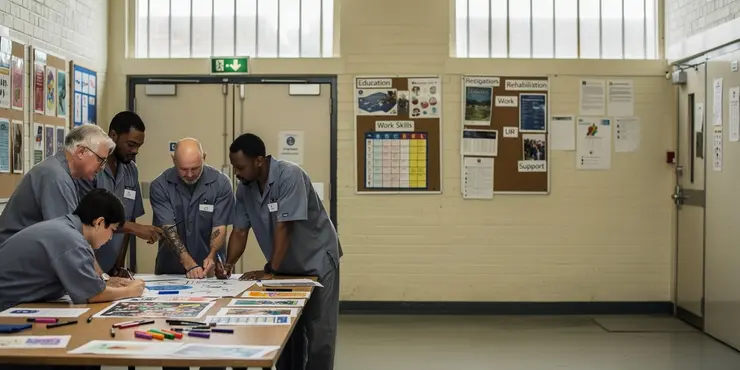
Is rehabilitation considered in indefinite prison sentences?
Relevance: 44%
-

Can an indefinite prison sentence be appealed?
Relevance: 43%
-

Who decides when a person with an indefinite prison sentence is released?
Relevance: 41%
-

How does parole work with indefinite prison sentences?
Relevance: 41%
-
What precautions should pregnant women in the UK take regarding Zika virus?
Relevance: 39%
-
Are men and women's pension ages equalized?
Relevance: 39%
-

What are some examples of crimes that might result in an indefinite prison sentence?
Relevance: 38%
-

How does an indefinite prison sentence differ from a life sentence?
Relevance: 37%
-

Surge in HPV Vaccination Rates Among Young Women in the UK
Relevance: 33%
-

Is it safe to vape around pregnant women?
Relevance: 33%
-
Can inmates access legal assistance?
Relevance: 33%
-
Can women use Abiraterone for treatment?
Relevance: 33%
-

How is an indefinite sentence reviewed?
Relevance: 32%
-
Can pregnant women get chickenpox?
Relevance: 32%
-
Can pregnant women take Baxdrostat?
Relevance: 32%
-
Women talking about their personal experiences of female genital mutilation (FGM) | NHS
Relevance: 32%
-
Can pregnant women get the flu vaccine?
Relevance: 31%
-

How can I advocate for an inmate's needs?
Relevance: 31%
-
How do I find out where they are incarcerated?
Relevance: 31%
Understanding Women's Prisons in the UK
Overview of Women's Prisons
In the United Kingdom, women's prisons are designed to address the specific needs and conditions of female inmates. There are currently a limited number of dedicated women's prisons compared to men's facilities, as women represent a minority of the incarcerated population. As of recent counts, there are approximately 3,000 women held in these establishments. The prison system aims to provide a supportive environment for women, some of whom might have experienced trauma, domestic abuse, or mental health issues prior to incarceration.
Facilities and Programs
Women's prisons in the UK strive to offer a range of programs and facilities aimed at rehabilitation and reducing re-offending rates. Educational programs, vocational training, and therapy sessions are commonly available to equip inmates with skills that can assist with their reintegration into society post-release. Many facilities also provide childcare services and parenting classes, recognizing the significant proportion of female inmates who have dependent children. This focus on family connection is pivotal, considering the potential impact of separation on both the mothers and their children.
Healthcare and Support
Healthcare is a critical component of the services provided in women's prisons. Female inmates often have specific health needs, including reproductive health services, mental health support, and interventions for substance abuse. The prison healthcare system tries to address these needs with specialized staff and tailored medical programs. Mental health support is particularly emphasized, given the higher prevalence of mental health issues among women prisoners compared to their male counterparts.
Challenges and Reforms
Despite efforts to improve conditions, women's prisons in the UK face numerous challenges. Overcrowding, limited resources, and the varying quality of programs and support remain significant issues. Additionally, the high rates of self-harm and mental health struggles among female prisoners indicate the need for ongoing reforms. Policymakers and prison reform advocates continue to push for changes that prioritize rehabilitation and the humane treatment of inmates. Recent initiatives include greater investment in community sentences and diversion programs, which aim to reduce the number of women entering the prison system altogether.
Understanding Women's Prisons in the UK
Overview of Women's Prisons
Women's prisons in the UK are special places for women who have broken the law. There are fewer women's prisons than men's because there are not as many women in jail. Right now, there are about 3,000 women in these prisons. Women's prisons try to help women who might have had tough lives before, like experiencing hurt, abuse at home, or mental health problems.
Facilities and Programs
Women's prisons try to help women get better and not break the law again. They have classes and job training to teach new skills. They also offer therapy sessions. Some prisons have childcare and classes for being a good parent because many women in prison have children. Keeping families connected is important, because being apart can be hard for both mothers and their children.
Healthcare and Support
Healthcare is very important in women's prisons. Women in prison might need special health help, like for having babies, feeling sad or worried, or for problems with drugs or alcohol. Prisons have doctors and nurses to help with these needs. Many women in jail have mental health problems, so prisons try hard to give extra support for this.
Challenges and Reforms
Women's prisons in the UK have some problems. They can be too crowded, have not enough money, and the programs can be different quality. Many women in prison hurt themselves or have mental health problems, so changes are needed. People who make rules and those wanting better prisons are working to make things better. They want to spend more money on community programs to help women stay out of prison.
Frequently Asked Questions
What is the main purpose of women's prisons in the UK?
The main purpose of women's prisons in the UK is to detain women who have been convicted or are awaiting trial for criminal activities, with a focus on rehabilitation, reducing reoffending, and preparing them for reintegration into society.
How many women’s prisons are there in the UK?
As of recent data, there are 12 women's prisons in England, with none in Scotland, Wales, or Northern Ireland. The women's prison population is significantly smaller compared to men’s.
What types of facilities are available in women's prisons?
Women's prisons in the UK typically have facilities like healthcare units, education and vocational training centres, sports facilities, and sometimes nurseries for mothers with babies.
How is healthcare provided in women's prisons?
Healthcare in women's prisons is provided by the NHS and includes physical and mental health services tailored to women's specific needs, including services for pregnancy and substance abuse.
Are women in prison allowed to have contact with their families?
Yes, women in prison can maintain contact with their families through visits, phone calls, and letters, though these are subject to certain regulations and security procedures.
Do women's prisons offer educational opportunities?
Yes, women's prisons in the UK offer educational opportunities, including basic literacy and numeracy courses, vocational training, and sometimes higher education programs, to aid rehabilitation and skill development.
What kind of work can women do in prison?
Women in prison may participate in work programs that include tasks like laundry, kitchen duties, gardening, or crafting, all of which are designed to teach valuable skills and maintain prison operations.
How is mental health addressed in women's prisons?
Mental health in women's prisons is addressed through dedicated mental health services, including counseling, psychological therapies, and specialized support for issues like trauma and substance abuse.
What are the challenges faced by women in prisons in the UK?
Challenges include separation from family, particularly children, mental health issues, overcrowding, and limited access to certain rehabilitation programs.
Can women have their babies with them in prison?
Some women's prisons in the UK have mother and baby units where women can stay with their babies up to 18 months old, depending on circumstances and space availability.
What support is available for women leaving prison?
Support for women leaving prison includes resettlement services, housing assistance, employment training, and connections to community support networks to aid their reintegration.
How are women's specific needs addressed in UK prisons?
Women’s specific needs are addressed through gender-specific services, including healthcare, trauma-informed care, and initiatives that focus on issues like domestic violence history and motherhood.
Are there any programs for victims of domestic violence in women's prisons?
Yes, many women's prisons have programs aimed at supporting victims of domestic violence, including counseling services and partnerships with external organizations specialized in providing such support.
What is the role of prison staff in women's prisons?
Prison staff in women's prisons are responsible for the safety, security, and rehabilitation of inmates, while also providing support and guidance to help them meet their individual needs.
How does prison life differ for women compared to men in the UK?
While the basic structure is similar, women's prisons often have more emphasis on addressing issues specific to women, such as childcare and abuse history, and fostering a supportive environment for rehabilitation.
Why do we have women's prisons in the UK?
Women's prisons in the UK are places for women who have broken the law. They are there to keep the public safe and to help the women learn from their mistakes. The prisons try to help women so they won't break the law again.
Some women might learn new skills or get help with problems while in prison. This can help them lead better lives after leaving prison.
There are helpful tools and people to support women in prison. For example, they might have teachers or counselors to talk to.
The main job of women's prisons in the UK is to keep women who have broken the law. These women might be waiting for their trial or have already been judged guilty. Prisons want to help these women learn new skills, stop doing bad things again, and get ready to live happily in their towns.
If learning is hard, some tools can help, like using pictures or short sentences. You can also ask someone to read with you or use apps that read text out loud.
How many prisons for women are there in the UK?
There are some prisons just for women in the UK. It's a special number for these places.
If reading is hard, try pointing to words as you read. Use your finger or a pen.
As of the latest information, there are 12 prisons for women in England. There are no women's prisons in Scotland, Wales, or Northern Ireland. There are far fewer women in prison compared to men.
What places and things can you find in women's prisons?
Women's prisons have different areas and things to help the people who live there. Here are some of them:
- Rooms to Stay: These are spaces where women sleep and keep their personal things.
- Eating Area: A place where women eat their meals.
- Outdoor Space: An area outside where women can walk and exercise.
- Library: A place with books to read and learn from.
- Learning Rooms: Classrooms where women can attend classes.
- Health Center: A place where women can see a doctor or nurse if they feel sick.
If you find reading hard, you can:
- Ask someone to read with you.
- Use a ruler or your finger to follow the words.
- Take breaks if you get tired.
In women's prisons in the UK, there are places like healthcare rooms where you can see a doctor, spots to learn and get job training, areas to play sports, and sometimes nurseries for mums with babies.
How do women in prison get healthcare?
Women in prison get healthcare from doctors and nurses who work there. They help with check-ups, medicine, and other health needs.
Here are some ways to understand better:
- Use pictures to show what happens during a doctor's visit.
- Listen to audio recordings that explain how healthcare works.
- Ask someone to read this information aloud to you.
- Watch videos that show how women in prison get care.
In women's prisons, doctors and nurses from the NHS take care of the women. They make sure the women are healthy. This includes looking after their body and mind. They have special care for pregnant women and for those who need help with drugs.
Can women in prison talk to their families?
Yes, women in prison can talk to their families. They can write letters or make phone calls. Sometimes, families can visit them, but there are special rules they must follow.
It's important for families to keep in touch. It helps women feel better.
If you find it hard to read or understand, you can use tools that read text out loud or watch videos about the topic.
Yes, women in prison can keep in touch with their families. They can do this by having visits, making phone calls, and sending letters. But there are rules and safety checks they must follow.
Do women's prisons have schools or classes?
Do women in prison get to learn new things? Can they go to school or take classes?
Here are some ways women in prison can learn:
- Programs to help read and write better.
- Classes for job skills, like cooking or computers.
- Support from teachers and helpers for study.
To help understand better, use these tools:
- Ask someone to explain things in simple words.
- Look at pictures or videos to see how things work.
Yes, women's prisons in the UK let people learn new things. They have classes to help you read, write, and do math. You can also learn job skills. Sometimes, they have more advanced classes too. These classes help people get better and learn new skills.
What jobs can women do in prison?
Women in prison can do different jobs. They might wash clothes, cook food, work in the garden, or make crafts. These jobs help them learn useful skills and keep the prison running well.
How do women's prisons help with mental health?
In women's prisons, people get help for their mental health. There are special services like talking to a counselor, getting therapy, and support for problems like trauma and drug use.
What problems do women have in UK prisons?
Women in UK jails have many problems. Here are some of them:
- Many miss their families, especially their children.
- Prisons can be lonely and scary places.
- Sometimes, they do not get the help they need for health or mental health.
- It can be hard to find a good job after leaving prison.
These tools can help:
- Talking to a helper or counselor.
- Writing in a diary or drawing.
- Reading easy books about prison life.
- Joining support groups.
Some problems are:
- Being away from family and kids.
- Feeling sad or worried a lot.
- Too many people in one place.
- Not enough help to get better.
Can mums keep their babies in prison with them?
Sometimes, mums in prison can keep their babies with them. It depends on the rules of the prison and other things. Special places called "mother and baby units" might be in some prisons.
It is important to ask the prison for their rules and help. Social workers can also give support and advice to mums in prison.
Some women's prisons in the UK have special places called mother and baby units. These are places where mums can live with their babies. They can stay together until the baby is 18 months old. This depends on the situation and if there is enough room.
Help for Women Leaving Prison
When women leave prison, they can get help to start a new life. This support might include:
- A place to live
- Help to find a job
- Advice on managing money
- Someone to talk to if they feel sad or worried
- Training to learn new skills
There are people and services ready to help women so they can do well after leaving prison.
Help for women coming out of prison includes special services to help them settle back in, find a place to live, get job training, and meet people in the community for support.
How does the UK look after women in prisons?
There are special services just for women. These services help with things like healthcare, dealing with past hurts, and support for problems like being hurt at home or being a mom.
Are there programs to help women in prison who have been hurt at home?
Some women in prison have been hurt by someone at home. Are there special programs to help these women feel better and stay safe?
If you or someone you know needs help, there are people who can listen and help. Talking to a counselor can be a good start. Writing your feelings in a journal might also help.
Yes, many women's prisons have programs to help people who have been hurt by family or partners. They offer talking sessions and work with other groups that are good at giving support.
What do prison workers do in women's prisons?
Prison workers have important jobs. They help keep the place safe and secure. They look after the women who are in prison. They make sure rules are followed. They also help women get ready to live outside prison when they leave.
Prison workers can talk to the women and listen to their problems. They help them learn new things, like reading or working on computers. This helps women feel better and plan for the future.
For more help, you can use tools like picture cards or simple videos. These can explain what prison workers do in a way that is easy to understand.
Workers in women's prisons have important jobs. They keep everyone safe and make sure the prison is secure. They also help women in prison to become better people. They give advice and support to help each woman with what they need.
How is life in prison different for women and men in the UK?
Life in prison is not the same for women and men in the UK. This means women and men have different experiences when they are in prison.
Here are some things that can be different:
- Number of prisons: There are more prisons for men than for women.
- Family visits: Women in prison may miss their children more since they are often the main carers at home.
- Health care: Women might need different health care services, like doctors for pregnancy.
- Activities: The programs and activities offered can be different for men and women.
If you find reading hard, you can try these tips:
- Use a ruler or your finger to keep your place while reading.
- Read slowly and one sentence at a time.
- Ask someone to read with you.
- Use audiobooks to listen to the information.
Women's prisons are a lot like other prisons, but they focus more on helping women. They talk about things like being a mom and past bad experiences. They try to make it a place where women can get better and feel supported.

Useful Links
This website offers general information and is not a substitute for professional advice.
Always seek guidance from qualified professionals.
If you have any medical concerns or need urgent help, contact a healthcare professional or emergency services immediately.
Some of this content was generated with AI assistance. We’ve done our best to keep it accurate, helpful, and human-friendly.
- Ergsy carfully checks the information in the videos we provide here.
- Videos shown by Youtube after a video has completed, have NOT been reviewed by ERGSY.
- To view, click the arrow in centre of video.
- Most of the videos you find here will have subtitles and/or closed captions available.
- You may need to turn these on, and choose your preferred language.
- Go to the video you'd like to watch.
- If closed captions (CC) are available, settings will be visible on the bottom right of the video player.
- To turn on Captions, click settings .
- To turn off Captions, click settings again.
More Items From Ergsy search
-
What are women's prisons like in the UK?
Relevance: 100%
-
Is there a library service in the prison?
Relevance: 53%
-
Will I meet with a prison officer?
Relevance: 53%
-
Do I get issued with prison clothing?
Relevance: 51%
-
Visiting a Prisoner - What To Wear on a prison visit
Relevance: 51%
-
How are health services provided in prison?
Relevance: 51%
-
Are phone calls from prison free?
Relevance: 50%
-
What is an indefinite prison sentence?
Relevance: 50%
-
How often can I visit someone in prison?
Relevance: 50%
-
Are there special programs for prisoners with indefinite sentences?
Relevance: 50%
-
How can I contact someone in prison?
Relevance: 49%
-
What is an indefinite prison sentence?
Relevance: 49%
-
What to expect on the first day in a British prison.
Relevance: 49%
-
Someone I know has been sent to prison.
Relevance: 49%
-
Are there alternatives to indefinite prison sentences?
Relevance: 48%
-
Are indefinite prison sentences given in all countries?
Relevance: 48%
-
Do prisoners with indefinite sentences have the same privileges as others?
Relevance: 48%
-
What items can I send to someone in prison?
Relevance: 47%
-
How frequently are prisoners with indefinite sentences reviewed for possible release?
Relevance: 47%
-
Why do courts issue indefinite prison sentences?
Relevance: 46%
-
What should I expect when visiting a prison?
Relevance: 45%
-
Is rehabilitation considered in indefinite prison sentences?
Relevance: 44%
-
Can an indefinite prison sentence be appealed?
Relevance: 43%
-
Who decides when a person with an indefinite prison sentence is released?
Relevance: 41%
-
How does parole work with indefinite prison sentences?
Relevance: 41%
-
What precautions should pregnant women in the UK take regarding Zika virus?
Relevance: 39%
-
Are men and women's pension ages equalized?
Relevance: 39%
-
What are some examples of crimes that might result in an indefinite prison sentence?
Relevance: 38%
-
How does an indefinite prison sentence differ from a life sentence?
Relevance: 37%
-
Surge in HPV Vaccination Rates Among Young Women in the UK
Relevance: 33%
-
Is it safe to vape around pregnant women?
Relevance: 33%
-
Can inmates access legal assistance?
Relevance: 33%
-
Can women use Abiraterone for treatment?
Relevance: 33%
-
How is an indefinite sentence reviewed?
Relevance: 32%
-
Can pregnant women get chickenpox?
Relevance: 32%
-
Can pregnant women take Baxdrostat?
Relevance: 32%
-
Women talking about their personal experiences of female genital mutilation (FGM) | NHS
Relevance: 32%
-
Can pregnant women get the flu vaccine?
Relevance: 31%
-
How can I advocate for an inmate's needs?
Relevance: 31%
-
How do I find out where they are incarcerated?
Relevance: 31%