
Get Answers
Introduction
Engaging in new hobbies can bring a wealth of benefits for older adults, enhancing their physical, mental, and emotional well-being. While the prospect of starting new activities in later life might seem daunting, the rewards are substantial, offering opportunities for learning, social interaction, and improved quality of life.
Mental Health and Cognitive Function
One of the key benefits of new hobbies for older adults is the positive impact on mental health and cognitive function. Research has shown that staying mentally active can help reduce the risk of cognitive decline and dementia. Engaging in activities such as puzzles, reading, or learning a new language stimulates the brain, keeping it active and engaged. Hobbies that require strategic thinking or problem-solving can improve memory and sharpen the mind.
Physical Health Benefits
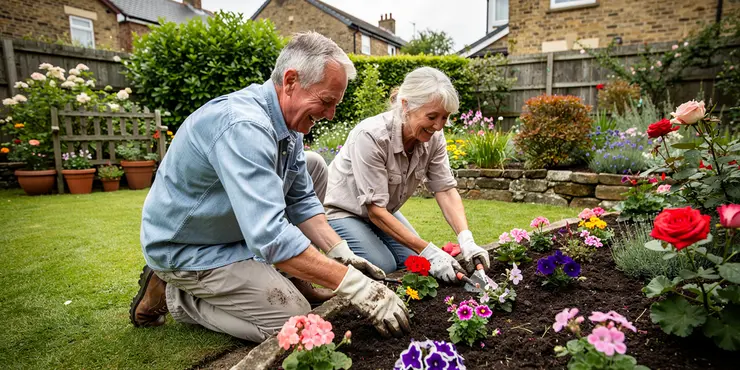
Physical hobbies can greatly improve health and mobility. Activities such as gardening, walking, or yoga not only enhance physical fitness but also contribute to flexibility, strength, and balance. These physical benefits are critical in reducing the risk of falls, a significant concern for older adults. Regular physical activity has also been linked to better cardiovascular health and reduced risk of chronic diseases such as heart disease and arthritis.
Social Interaction and Community Involvement
Starting new hobbies often involves joining clubs or groups, which provides an excellent opportunity for social interaction. This is particularly important in combating loneliness and isolation, common issues among the older population. Building connections with others through shared interests can lead to new friendships and a sense of belonging. Participating in community activities can also enhance mental well-being and provide a renewed sense of purpose.
Emotional Well-being and Relaxation
Hobbies can provide a much-needed emotional outlet and a way to relax. Creative activities like painting or writing allow for self-expression and have been shown to reduce stress and anxiety. Focusing on a task can be meditative, helping to calm the mind and improve mood. This kind of emotional engagement can lead to a happier, more fulfilled life.
Continuous Learning and Personal Growth
Lastly, new hobbies present opportunities for continuous learning and personal growth, which are essential at any age. Whether it’s learning to play a musical instrument, taking up photography, or mastering a new craft, these activities stimulate curiosity and provide a sense of achievement. The process of discovering and improving new skills can be incredibly rewarding, fostering a positive outlook on aging.
Conclusion
In conclusion, new hobbies bring numerous benefits for older adults in the UK, supporting their physical health, mental acuity, social connections, and overall happiness. Embracing new interests can lead to a more active, enjoyable, and fulfilling life, making the golden years truly vibrant and enriching.
Introduction
Trying new hobbies can be very good for older people. Hobbies can help them feel better in their mind and body. It can seem hard to start something new when you are older, but it is worth it. Hobbies give you chances to learn, make friends, and have a better life.
Mental Health and Cognitive Function
New hobbies are good for your brain and can make you feel happier. Doing things like puzzles, reading, or learning new words keeps your brain busy. This helps your brain stay strong and can make you remember things better. It can also help you think more clearly.
Physical Health Benefits
Hobbies that use your body, like gardening, walking, or yoga, can make you stronger and healthier. These activities help you stay fit and make your muscles and bones strong. Being active can help keep your heart healthy and stop you from getting diseases like arthritis.
Social Interaction and Community Involvement
New hobbies can help you meet people and make friends. Joining groups for hobbies can stop you from feeling lonely. Making new friends through hobbies can make you feel happy and part of a community. Being with others can also make you feel like you have a purpose.
Emotional Well-being and Relaxation
Hobbies can help you feel calm and happy. Doing creative things like painting or writing lets you show how you feel and can make you less worried. Focusing on hobbies can make you feel relaxed and improve your mood.
Continuous Learning and Personal Growth
Learning something new is always good, no matter how old you are. You can learn to play music, take pictures, or start a new craft. This keeps you curious and gives you a sense of achievement. It makes you feel proud and happy with yourself.
Conclusion
In conclusion, new hobbies are great for older people. They help keep your body and mind healthy, help you make friends, and make you feel happy. Trying new hobbies can make your life more fun and fulfilling.
Frequently Asked Questions
Engaging in new hobbies can help improve memory, sharpen mental acuity, and increase cognitive reserve, potentially delaying the onset of cognitive decline.
New hobbies can reduce stress, alleviate symptoms of depression and anxiety, and provide a sense of purpose and achievement, boosting overall mental well-being.
New hobbies often present opportunities to meet new people, build friendships, and engage in social activities, reducing feelings of loneliness and isolation.
Hobbies that involve physical activity can enhance mobility, increase strength and balance, and contribute to overall physical fitness, reducing the risk of chronic diseases.
Yes, hobbies can serve as a form of relaxation and stress relief, helping older adults manage stress better by providing an enjoyable and fulfilling way to spend their time.
New hobbies can greatly enhance the quality of life by adding joy, satisfaction, and a sense of accomplishment, leading to a more fulfilling retirement.
Taking up new hobbies encourages older adults to learn new skills, stay curious, and engage in continuous personal development, keeping their minds active and engaged.
Yes, by providing a creative outlet for expression, hobbies can help older adults manage emotions and cope with life's challenges more effectively.
While hobbies might seem like an expense, they can become inexpensive ways to occupy time meaningfully, and some hobbies could even be turned into income streams or cost-saving activities.
Hobbies can help older adults maintain a sense of self and identity as they transition into retirement, offering new roles and a sense of self-worth.
By challenging themselves and learning new things, older adults can build resilience, increasing their ability to adapt to changes and overcome adversity.
Engaging in enjoyable and physically active hobbies can help improve sleep patterns and contribute to better sleep quality.
Yes, many hobbies can be shared with family or friends across generations, enhancing relationships and fostering meaningful connections.
Establishing a regular hobby can provide structure to an older adult's days, helping them maintain a routine that includes regular physical and social activities.
Hobbies like gardening, playing music, painting, walking, or joining clubs can offer a range of benefits that improve physical health, creativity, and social interactions.
Yes, hobbies provide continual growth and new challenges, which can help prevent older adults from feeling stagnant or without direction.
Hobbies release endorphins and foster a sense of achievement and joy, which can improve overall mood and reduce negative feelings.
Hobbies that involve technology, such as digital photography or online courses, help older adults stay current with technological advancements and improve digital literacy.
Hobbies that promote physical activity or intellectual engagement can lower the risk factors for diseases like heart disease or Alzheimer's.
Hobbies can provide a sense of connection to the world, offer opportunities for mindful reflection, and enhance spiritual well-being by promoting gratitude and presence.
Doing new hobbies can help you remember things better and make your brain sharper. It can also help your brain stay strong longer, which might keep your brain young and healthy.
Starting new hobbies can help you feel less worried and sad. They can make you feel happier and give you something fun to do. Doing something you enjoy can also make you feel proud and good about yourself.
Trying new hobbies can help you meet new friends and have fun with others. This can make you feel less lonely.
Hobbies where you move your body can help you get stronger and move better. They can also keep you fit and healthy so you get sick less often.
Yes, hobbies can help you relax and feel less stressed. Doing fun activities can make older people feel happy and calm.
New hobbies can make life better. They bring happiness, fun, and make people feel proud. This can make retirement more enjoyable.
Having new hobbies helps older people learn fun skills. It keeps them curious and happy, and it helps their brains stay busy.
Hobbies are fun things you like to do. They can help older people feel better and handle problems in life.
Hobbies are fun things to do. Some people think they cost a lot of money. But hobbies can be cheap and fun. Sometimes, hobbies can help you make money or save money too!
Hobbies can help older people feel good about themselves when they stop working. They give you things to do and make you feel important.
Older people can try new things and learn more. This helps them get stronger inside and handle changes and hard times better.
Doing fun and active hobbies, like playing or dancing, can help you sleep better at night.
Yes, you can do many hobbies with your family or friends. This is a nice way to get closer and have fun together.
Having a regular hobby can help older people have a daily routine. It gives them something fun to do that keeps their bodies and minds busy.
Hobbies are things you like to do for fun. They can be things like gardening, playing music, painting, walking, or joining a club. Doing these activities can help you feel better in many ways. They can make you healthier, help you be more creative, and give you a chance to make friends.
Yes, hobbies help you learn new things and try new challenges. This can stop older people from feeling stuck or not knowing what to do.
Hobbies make you feel happy and proud. They help you feel better and less sad.
Hobbies that use technology, like taking pictures with a digital camera or doing online classes, help older people learn new tech and get better at using computers and the internet.
Having hobbies that keep your body moving or your brain busy can help you stay healthy. They can lower your chances of getting sick with heart problems or Alzheimer's disease.
Hobbies are fun things we do in our free time. They help us feel connected to the world. Hobbies can also make us feel calm and happy by helping us focus on the moment and be thankful for what we have.
If reading is hard, try these tips:
- Use pictures to help understand.
- Listen to audiobooks.
- Take breaks often.
- Ask someone to read with you.

Ergsy Search Results
This website offers general information and is not a substitute for professional advice.
Always seek guidance from qualified professionals.
If you have any medical concerns or need urgent help, contact a healthcare professional or emergency services immediately.
Some of this content was generated with AI assistance. We've done our best to keep it accurate, helpful, and human-friendly.
- Ergsy carefully checks the information in the videos we provide here.
- Videos shown by Youtube after a video has completed, have NOT been reviewed by ERGSY.
- To view, click the arrow in centre of video.
- Most of the videos you find here will have subtitles and/or closed captions available.
- You may need to turn these on, and choose your preferred language.
- Go to the video you'd like to watch.
- If closed captions (CC) are available, settings will be visible on the bottom right of the video player.
- To turn on Captions, click settings.
- To turn off Captions, click settings again.