
Speak To An Expert
Get clear, personalised advice for your situation.
Jot down a few questions to make the most of your conversation.
Overview
Methanol exposure can be extremely hazardous and potentially life-threatening. It is essential to act promptly and follow appropriate first aid measures. Methanol is a type of alcohol used in various industrial applications, but unlike ethanol, it is highly toxic if ingested, inhaled, or absorbed through the skin. Immediate action can significantly reduce the risk of severe health effects and increase the chances of recovery.
Eye Exposure
If methanol comes into contact with the eyes, it is crucial to flush them immediately with plenty of water. Use clean running water to rinse the eyes for at least 15 to 20 minutes. Ensure that the eyelids are kept open and water is not sprayed directly into the eyes, as this could cause additional damage. Following this, seek urgent medical attention, even if there are no immediate symptoms, as methanol can cause delayed damage to ocular tissues.
Skin Exposure
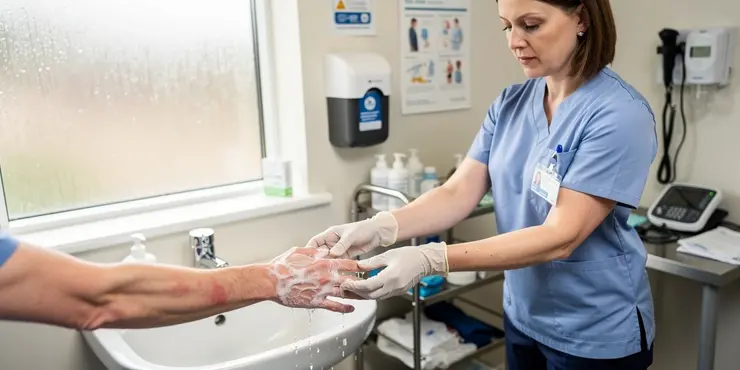
In cases of skin exposure, quickly remove any contaminated clothing while ensuring personal safety. Wash the affected skin area with soap and water thoroughly to remove any traces of methanol. Avoid using solvents or alcohol-based products to clean the skin as these can enhance methanol absorption. Monitor for any symptoms of irritation or allergic reactions and seek medical advice if necessary.
Ingestion
If methanol is ingested, it is vital not to induce vomiting. Instead, immediately call for medical assistance and provide them with details about the exposure. Do not give anything by mouth unless instructed by medical personnel. Activated charcoal is generally not recommended for methanol poisoning; medical treatment typically involves administering antidotes such as ethanol or fomepizole under professional supervision.
Inhalation
If methanol vapors are inhaled, move the affected person to fresh air right away. Ensure that they are breathing without difficulty. If the person is experiencing difficulties in breathing, provide oxygen if available and trained to do so. For individuals who are unconscious or have difficulty breathing, perform cardiopulmonary resuscitation (CPR) if you are trained and qualified. Seek immediate medical attention, as inhalation can result in serious systemic effects.
Seeking Medical Attention
Regardless of the route of exposure, it is imperative to seek medical attention promptly. Methanol poisoning can lead to metabolic acidosis, organ damage, and even blindness or death if not treated quickly. Hospital treatment may include the administration of fomepizole or ethanol as antidotes, alongside supportive measures such as dialysis in severe cases.
What You Need to Know
Methanol can be very dangerous and make you very sick. We need to act fast if someone is exposed. Methanol is a type of alcohol used in factories. It is not the same as the alcohol in drinks and can be very harmful if swallowed, breathed in, or if it touches the skin. Acting quickly can help stop serious health problems and help the person get better.
If It Gets in the Eyes
If methanol gets in the eyes, wash the eyes with lots of water right away. Use clean water to wash for 15 to 20 minutes. Keep the eyelids open and do not spray water directly into the eyes. After washing, go to a doctor quickly, even if the eyes feel okay at first. Methanol can hurt the eyes later on.
If It Gets on the Skin
If methanol touches the skin, take off any clothes with methanol on them. Be sure you are safe too. Wash the skin with soap and water to clean off the methanol. Do not use products with alcohol to clean the skin. Look for signs of skin redness or itching. Go to a doctor if you see these changes.
If Swallowed
If someone swallows methanol, do not make them throw up. Call a doctor right away and tell them what happened. Do not give them anything to eat or drink unless a doctor says so. Doctors usually do not use activated charcoal for methanol. They may give special medicines like ethanol or fomepizole instead.
If Breathed In
If someone breathes in methanol fumes, move them to a place with fresh air. Make sure they can breathe easily. If they have trouble breathing, give them oxygen if you know how. If they are not breathing well or are unconscious, do CPR if you know how. Go to a doctor right away because breathing in methanol can make you very sick.
Get Medical Help
No matter how methanol gets into the body, see a doctor quickly. Methanol can cause big problems like hurting organs or even causing death if not treated fast. In the hospital, doctors might use fomepizole or ethanol as treatments. They may also use other treatments if needed.
Frequently Asked Questions
Call emergency services or poison control immediately. Do not induce vomiting unless told to do so by a professional. If the person is awake and able to swallow, follow poison control instructions, which may include giving water only if advised. Get urgent medical care right away because methanol poisoning can be life-threatening.
Remove contaminated clothing and wash the skin thoroughly with plenty of soap and water for at least 15 minutes. Avoid spreading the chemical to other areas. If irritation, dizziness, headache, or other symptoms occur, seek medical care and contact poison control.
Rinse the eyes with lukewarm running water or saline immediately for at least 15 minutes, holding the eyelids open. Remove contact lenses if they do not come out easily during rinsing. Get urgent medical evaluation even if symptoms seem mild.
Move the person to fresh air immediately and keep them at rest. If breathing is difficult, call emergency services. If the person is not breathing or has no pulse, begin CPR if you are trained and continue until help arrives.
Call poison control or emergency services right away. Do not wait for symptoms, because children can become seriously ill quickly. Remove the child from exposure, rinse skin or eyes if affected, and follow emergency instructions without giving food, drink, or inducing vomiting unless directed.
Keep the person away from the source of exposure, monitor breathing and consciousness, and follow poison control instructions. Do not give alcohol, home remedies, or medications unless instructed by a professional. Be ready to report the exposure time, amount, route, and product name.
Even if the person feels fine, contact poison control or a clinician immediately. Methanol symptoms can be delayed for hours, and serious complications can appear later. Observation and medical assessment are important after any significant exposure.
Move the person to safety, rinse affected skin or eyes, and call for emergency medical advice. Notify workplace safety personnel and follow the site spill or exposure protocol. Do not let the person return to work until medically cleared if symptoms occurred.
Remove contaminated clothing as soon as possible and place it in a sealed bag if instructed by safety procedures. Wash exposed skin with soap and water. If the clothing soaked through or there was prolonged contact, seek medical advice.
Keep the person on their side to reduce the risk of choking and call emergency services or poison control immediately. Do not give anything by mouth unless instructed. Seek urgent medical care because vomiting can be a sign of serious poisoning.
Treat this as a medical emergency. Call emergency services immediately, keep the person awake if possible, and monitor breathing. If they become unresponsive but are breathing, place them on their side; if not breathing, start CPR if trained.
Call emergency services or poison control immediately, even if the amount is unknown. Do not wait for symptoms, because homemade alcohol may contain dangerous methanol levels. The person needs urgent medical evaluation and may require specific antidotal treatment.
Stop the cleaning task, leave the area if fumes are strong, and get the person to fresh air. Rinse any skin or eye contact immediately with water. Seek medical guidance, especially if the product label indicates methanol or if symptoms develop.
Flush the eyes continuously with water or saline for at least 15 minutes and seek urgent medical care right away. Eye pain can indicate significant irritation or injury, and prompt evaluation is important even after rinsing.
Move everyone away from the exposure source and call emergency services or poison control. Prioritize anyone with breathing problems, altered mental status, or eye contact. Do not re-enter the area until it is safe and the source has been controlled.
Get the person and others into fresh air immediately and avoid further exposure. Call emergency services if anyone has symptoms such as headache, dizziness, nausea, confusion, or shortness of breath. Ventilate the area only if it can be done safely.
Call ahead if possible and bring the product container, label, or safety data sheet. Remove contaminated clothing, rinse affected areas, and keep the person under observation. Do not delay transport if the person has symptoms or a significant exposure.
Call emergency services immediately and do not give anything by mouth. Check breathing and pulse; if absent, begin CPR if trained. If breathing, place the person on their side and continue to monitor until help arrives.
Protect yourself from exposure, use appropriate gloves and eye protection if available, and avoid secondary contamination. Remove the person from the source, decontaminate skin or eyes, call poison control or emergency services, and document the exposure details for clinicians.
Continue to observe the person for delayed symptoms such as headache, nausea, vision changes, rapid breathing, confusion, or weakness. Seek urgent medical care because methanol poisoning can worsen over time even after initial first aid.

Ergsy Search Results
This website offers general information and is not a substitute for professional advice.
Always seek guidance from qualified professionals.
If you have any medical concerns or need urgent help, contact a healthcare professional or emergency services immediately.
Some of this content was generated with AI assistance. We've done our best to keep it accurate, helpful, and human-friendly.
- Ergsy carefully checks the information in the videos we provide here.
- Videos shown by Youtube after a video has completed, have NOT been reviewed by ERGSY.
- To view, click the arrow in centre of video.
- Most of the videos you find here will have subtitles and/or closed captions available.
- You may need to turn these on, and choose your preferred language.
- Go to the video you'd like to watch.
- If closed captions (CC) are available, settings will be visible on the bottom right of the video player.
- To turn on Captions, click settings.
- To turn off Captions, click settings again.