
Get Answers
Introduction to HMRC Tax Refund Letters
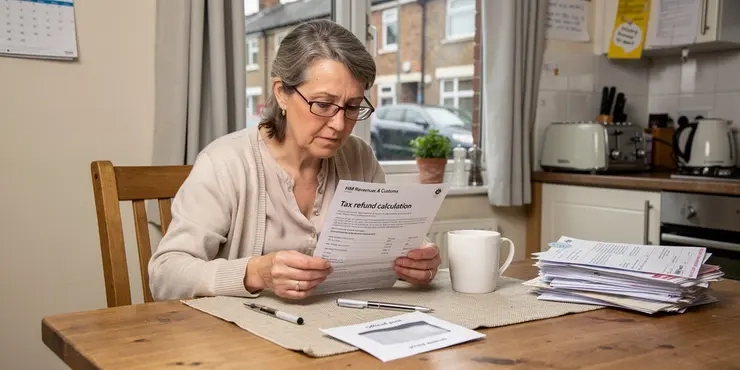
An HMRC tax refund letter is a communication from Her Majesty's Revenue and Customs (HMRC) to an individual or business in the United Kingdom. This letter notifies the recipient that they have overpaid on their taxes and are eligible for a refund. Understanding these letters is crucial as they directly impact your financial obligations and can indicate a return of your money.
Why You Might Receive an HMRC Tax Refund Letter
There are several reasons you might receive a tax refund letter from HMRC. It could be due to changes in your income or tax code during the year, or you may have overpaid taxes through your Pay As You Earn (PAYE) scheme. Self-employed individuals might find discrepancies when they reconcile their annual tax returns, leading to overpayment and entitlement to a refund.
Contents of an HMRC Tax Refund Letter
Typically, a tax refund letter will include details about the overpayment, specifying the tax year it applies to and the amount which HMRC intends to return. The letter will also provide instructions on how to claim the refund if the funds are not automatically transferred back to you. Crucially, the document might include guidance on updating your personal details to avoid future miscalculations.
Steps After Receiving a Tax Refund Letter
Upon receiving a refund letter, you should verify the details to ensure its authenticity and accuracy. Compare the information with your financial records to confirm the overpayment. If the letter asks you to respond or take specific actions, such as verifying your bank details through an approved HMRC portal, it is essential to do so promptly to facilitate the refund process.
Beware of Scams
It's important to note that tax refund scams are prevalent, where fraudsters impersonate HMRC to obtain personal information. Always confirm the legitimacy of any correspondence by checking the official HMRC website or contacting them directly through recommended channels. Avoid sharing sensitive information via email or phone unless you are sure about the authenticity of the request.
Conclusion
Understanding an HMRC tax refund letter is vital for ensuring that any entitled refunds are received promptly and accurately. These letters serve as an opportunity to correct overpayments that have been made throughout the tax year. Staying informed about the processes involved and cautious about potential scams will help protect your financial interests. If in doubt, seek advice from a tax professional or directly consult HMRC for clarification.
What is an HMRC Tax Refund Letter?
An HMRC tax refund letter is a message from the tax office in the UK. It tells you that you paid too much tax and you can get some money back. It is important to understand these letters because they can give you back money that belongs to you.
Why You Might Get an HMRC Tax Refund Letter
You might get this letter if your job or the amount of money you earn changes. It might also be because you paid too much tax through your job. People who work for themselves might also get money back if they paid too much tax.
What is in an HMRC Tax Refund Letter?
The letter will tell you how much tax you paid too much. It will also tell you which year this happened. The letter explains how to get your money back. It might also tell you to update your personal information so that this does not happen again.
What to Do When You Get a Tax Refund Letter
When you get a refund letter, check it carefully. Make sure everything is correct by looking at your own money records. If the letter asks you to do something, like check your bank details using the HMRC website, do it quickly to get your money back faster.
Watch Out for Scams
Some people pretend to be from HMRC to steal personal information. Always check if a letter is real by looking at the HMRC website or calling them directly. Never give personal details over email or the phone unless you are sure it is safe.
Final Thoughts
Knowing about HMRC tax refund letters is important to get your money back. These letters help fix mistakes in tax payments. Stay careful and watch out for scams. If you are unsure, talk to a tax expert or HMRC for help.
Frequently Asked Questions
An HMRC tax refund letter is a communication from the UK's HM Revenue and Customs office indicating that you are due a tax refund.
HMRC typically notifies taxpayers of a tax refund through a P800 or Simple Assessment letter.
You should follow the instructions in the letter, which may involve checking your tax account online and confirming your bank details for direct deposit.
Yes, scammers sometimes send fake tax refund letters. Always verify directly with HMRC if you suspect fraud.
You can verify a letter's authenticity by contacting HMRC directly through their official channels.
Yes, you can check your tax refund status through your personal tax account on the HMRC website.
The letter usually includes the amount of the refund and instructions on how to receive it.
Refunds are generally processed within 5 working days if bank details are provided, but it can take longer.
If you believe there is an error in the refund amount, you should contact HMRC to discuss it.
Yes, if bank details are not on file or you choose this option, HMRC can issue a refund via cheque.
While it may not be necessary, it is often a good idea to inform your accountant about any tax refund.
You should contact HMRC if you do not receive your refund within the expected time frame.
Eligibility for a tax refund depends on over-payment of taxes, eligible tax credits, or adjustments.
Common reasons include overpayment of taxes, adjustments to income or tax credits, and changes in tax codes.
If you disagree, you can appeal the decision by contacting HMRC and providing additional information.
No, it's not mandatory, but it is advisable to claim to recover overpaid taxes.
Yes, HMRC can offset your tax refund against other debts you may owe the government.
You can update your bank details by logging into your HMRC account and following the instructions.
Receiving a tax refund should not affect your future tax returns, but keep records of the refund.
Technically, you can choose not to claim a refund, but it's advisable to recover any overpaid taxes.
A tax refund letter from HMRC is a letter from the UK tax office. It tells you that you will get some money back from your taxes.
HMRC sends you a letter to tell you if you paid too much tax. This letter is called a P800 or a Simple Assessment letter.
You should do what the letter says. This might mean looking at your tax information online and making sure your bank details are correct for getting money directly into your bank account.
Yes, bad people sometimes send fake letters about tax refunds. Always check with HMRC if you think it might be a trick.
You can check if a letter is real by reaching out to HMRC. Use their official phone number or website to do this.
Yes, you can see where your tax refund is by checking your personal tax account on the HMRC website.
The letter tells you how much money you will get back. It also tells you how to get your money.
You will usually get your money back in 5 working days if you give us your bank details. Sometimes it can take more time.
If you think the refund money is wrong, talk to HMRC about it.
Yes, if the bank details are not saved or if you pick this choice, HMRC can send your money back with a check.
It’s a good idea to tell your accountant if you get a tax refund. You don’t have to, but it can help.
If you do not get your money back when you expect, you should tell HMRC.
You can get money back from taxes if you have paid too much money, have special credits, or need to make changes.
People might get money back from taxes because they paid too much, their income changed, they got more tax credits, or the tax rules changed.
If you do not agree, you can ask HMRC to look at it again. You need to tell them why and give more information.
No, you don't have to do it, but it is a good idea to claim if you paid too much tax.
Yes, HMRC can use your tax refund to pay other money you owe the government.
You can change your bank details. Just log in to your HMRC account and follow the steps they give you.
Getting money back from your taxes won't change your future taxes. But it's good to keep a note of it.
You can decide not to get your tax refund, but it’s a good idea to get back any extra money you paid in taxes.

Ergsy Search Results
This website offers general information and is not a substitute for professional advice.
Always seek guidance from qualified professionals.
If you have any medical concerns or need urgent help, contact a healthcare professional or emergency services immediately.
Some of this content was generated with AI assistance. We've done our best to keep it accurate, helpful, and human-friendly.
- Ergsy carefully checks the information in the videos we provide here.
- Videos shown by Youtube after a video has completed, have NOT been reviewed by ERGSY.
- To view, click the arrow in centre of video.
- Most of the videos you find here will have subtitles and/or closed captions available.
- You may need to turn these on, and choose your preferred language.
- Go to the video you'd like to watch.
- If closed captions (CC) are available, settings will be visible on the bottom right of the video player.
- To turn on Captions, click settings.
- To turn off Captions, click settings again.