

Find Help
More Items From Ergsy search
-

What if I made a mistake on my application?
Relevance: 100%
-

How do I submit an application to the tribunal?
Relevance: 78%
-

What should students do if their application for the payment is denied?
Relevance: 69%
-

What is the deadline for filing a tribunal application?
Relevance: 67%
-

What happens if my application is denied?
Relevance: 64%
-

Is there a phone number I can call for assistance with my application?
Relevance: 57%
-

Where can I check the status of my application?
Relevance: 57%
-

What happens if my application for the Warm Home Discount is unsuccessful?
Relevance: 56%
-

Can international applicants apply for jobs at the National Trust?
Relevance: 55%
-

Mortgage Turned Down In The UK - Why mortgage applications are declined
Relevance: 51%

-

Using 100% of your Second Income for a Mortgage Application
Relevance: 48%
-

What should I do if I made an error on my CGT report?
Relevance: 47%
-

What if I make a mistake on my tax return?
Relevance: 45%
-
What should I do if I made a mistake on my tax return?
Relevance: 45%
-
Can I amend an online tax return?
Relevance: 44%
-

How long does it take to process an immigration case?
Relevance: 42%
-
What should I do if I think I'm eligible but haven't received the payment?
Relevance: 40%
-

Can I amend my tax return after submitting it?
Relevance: 38%
-

My friend has received their status update, and I haven't. Should I be worried?
Relevance: 38%
-

How can students apply for the £500 cost of living payment?
Relevance: 38%
-

How do I request corrections to my medical records?
Relevance: 37%
-

How can I apply for a Household & Cost-of-Living Support grant?
Relevance: 37%
-

What happens if my application is denied?
Relevance: 36%
-

How do I apply for the £500 cost of living payment?
Relevance: 35%
-
Is my healthcare provider obligated to correct errors in my medical records?
Relevance: 35%
-
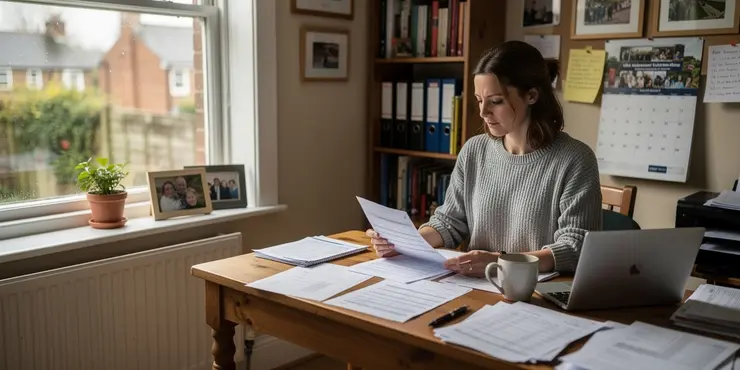
How long does it take to receive funds after I apply?
Relevance: 35%
-

Where can I apply for the EVHS grant?
Relevance: 35%
-

What should drivers do if there are errors in their digital license data?
Relevance: 35%
-

How can I apply for the £500 cost of living payment?
Relevance: 35%
-
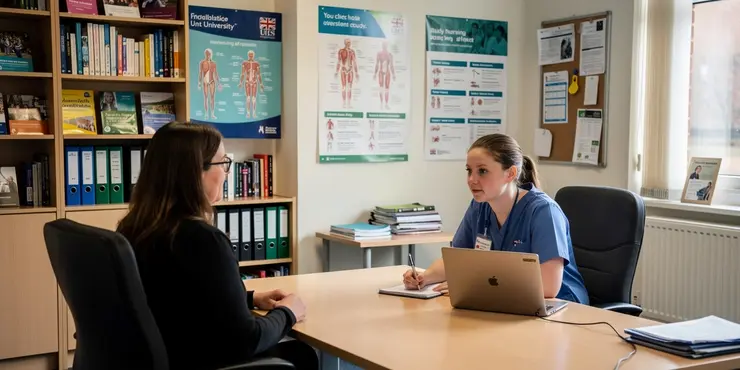
What is the process for applying to a nursing degree course?
Relevance: 35%
-

How long does it take to register for VAT?
Relevance: 35%
-

What is the deadline for students to apply for the £500 payment?
Relevance: 34%
-

How can I apply for Universal Credit?
Relevance: 33%
-

What documents are needed to apply for these grants?
Relevance: 33%
-
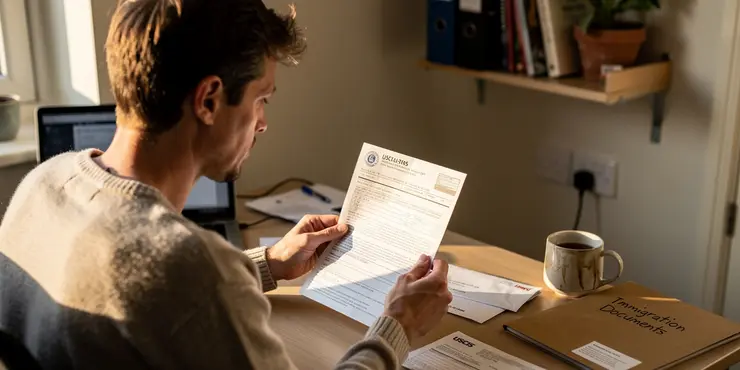
Where can I find my USCIS receipt number?
Relevance: 33%
-

How can I apply for a job at the National Trust?
Relevance: 33%
-
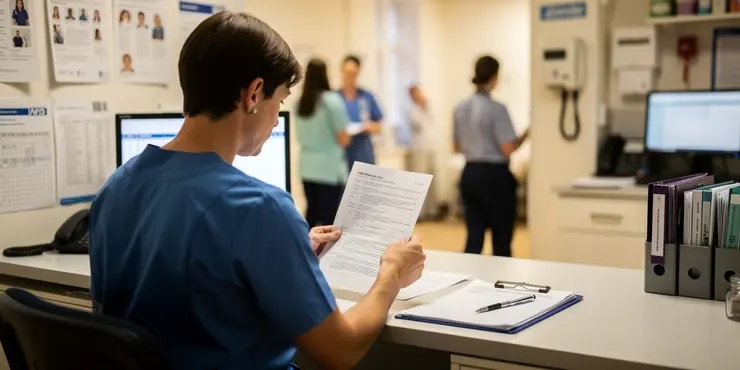
I received a refund but think I owe tax instead. What should I do?
Relevance: 33%
-
What documentation is needed to receive the EV grant?
Relevance: 32%
-

Can I request corrections to my medical records?
Relevance: 32%
-

Can overpayments occur due to discounts or exemptions?
Relevance: 32%
Identifying the Mistake on Your Application
Making a mistake on an application can be stressful, but it’s important to stay calm and address the issue as soon as possible. Mistakes may include incorrect personal details, omissions, or errors in employment history. The first step is to carefully review your application to identify exactly what went wrong and where the mistake occurred. This will help in determining the best course of action to rectify it.
Contacting the Organization
Once you have pinpointed the mistake, the next step is to contact the organization you applied to. This could be a university, employer, or government institution. It is advisable to reach out through official communication channels, such as email or a dedicated phone line for applicant inquiries. Be clear and concise in your communication, specifying the mistake made, and providing any corrected information. In many cases, organizations appreciate proactive communication and will guide you on the steps to amend your application.
Rectifying the Mistake
Depending on the type of application, there may be different procedures for correcting mistakes. For instance, if you are applying to a university through UCAS, you might be able to update your information directly on their platform. For employment applications, employers may allow you to resubmit parts of the application or provide additional documentation. Government-related applications, such as passport renewals or visa applications, may require specific forms to be filled out for corrections. Always follow the specific instructions given by the organization to ensure your application is properly amended.
Understanding the Implications
In some cases, making a mistake on your application can have implications for your eligibility or processing time. It is important to understand any potential consequences and plan accordingly. For example, a delay in correcting your application could affect your start date for a job or admission timeframe for a university. If deadlines are involved, consider asking for an extension if applicable. It is crucial to act promptly and stay informed about how the correction process might impact your application.
Preventing Future Mistakes
To avoid similar situations in the future, it is beneficial to implement a few best practices. Always proofread your application multiple times and, if possible, have someone else review it as well. Ensure that you have all necessary documents and information ready before starting the application. Take your time to carefully fill out each section, avoiding rushing through the process. Keeping organized records and setting reminders for deadlines can also help you submit error-free applications in the future.
Conclusion
While it is natural to worry about making mistakes on an application, most organizations understand that errors happen and provide avenues for corrections. By identifying the mistake, contacting the relevant organization, and following their procedures, you can effectively rectify the situation. Moving forward, adopting careful application practices will aid in minimizing potential mistakes.
Spotting a Mistake on Your Application
It can be worrying if you make a mistake on your application. But try to stay calm and fix it quickly. Mistakes could be wrong contact details or missing info. First, check your application carefully to find what went wrong. This helps you know how to fix it.
Getting in Touch with Them
After finding the mistake, reach out to where you applied. This could be a school, job, or government office. Use official ways to contact them, like email or a special phone number. Explain the mistake clearly and give the right info. Many places like it when you tell them early and will help you fix it.
Fixing the Mistake
The way to fix a mistake depends on the type of application. For a school like UCAS, you might be able to change it online. For job applications, the employer might let you send updated parts. For things like passports or visas, you might need to fill in special forms. Always follow the instructions they give you.
Knowing What Happens Next
If you make a mistake, it might change how fast your application is processed or if you can still apply. This means you should know what could happen and plan for it. Fixing mistakes late could change when you can start a job or school. If you have a deadline, you might need to ask if you can have more time. Act fast and know what will happen while you fix your application.
Stopping Mistakes Next Time
To stop mistakes, it's good to follow some tips. Always check your application a few times and ask someone else to check it too. Have all your papers ready before you start. Fill each part carefully and slowly. Keep your documents tidy and set reminders for deadlines to help you send applications without mistakes.
End Note
It’s normal to worry about application mistakes, but most places understand and let you fix them. By finding the mistake, contacting the place, and following their steps, you can fix the problem. In the future, being careful with applications will help you avoid mistakes.
Frequently Asked Questions
What should I do if I made a mistake on my application?
If you made a mistake on your application, contact the relevant authority or organization as soon as possible to find out how to correct it.
Can I edit my application after submission?
This depends on the guidelines of the organization you submitted your application to. Check their policy on edits and corrections.
Will a mistake on my application affect my chances?
It might, depending on the nature of the mistake. Contact the organization to clarify how to rectify the error.
How can I contact the organization to correct my application?
Look for contact information such as a phone number or email on their website or in the submission confirmation details.
Can I submit a new application to correct the mistake?
Some organizations may allow you to submit a new application. Check their policies or contact them for guidance.
Is there a deadline for correcting mistakes on my application?
Deadlines may vary by organization. Contact them promptly to ensure you can correct the mistake in time.
What types of mistakes are most problematic on applications?
Mistakes relating to personal details, qualifications, or application requirements can be problematic. Check thoroughly before submission.
Can small mistakes be overlooked?
It depends on the organization and the importance of the information. It's best to address any mistake, no matter how small.
Do I need to provide documentation to correct a mistake?
Some organizations may require supporting documentation. It’s best to inquire directly with them about their requirements.
Should I send an updated resume if I made a mistake?
If your resume contains mistakes and is part of the application, it’s advisable to send an updated version if allowed.
What can I do if my application was rejected due to an error?
Contact the organization, explain the situation, and ask if you can submit a corrected application.
How can I prevent mistakes in future applications?
Double-check all information, proofread, and have someone else review your application before submitting.
Are there any penalties for making a mistake on my application?
Penalties vary by organization. Some may disqualify applications with errors, while others may allow corrections.
Will I receive confirmation after correcting my application?
Some organizations might send confirmation. Ask them if they provide confirmation for corrections made.
Is it possible to retract my application to correct a mistake?
Some applications can be retracted before a certain stage. Contact the organization to see if this is possible.
Who should I address when requesting a correction?
Contact the individual or department designated for handling applications, often listed in submission guidelines.
What should I include in my correction request?
Clearly explain the mistake, provide the correct information, and include any reference numbers or identifiers.
Will my corrected application still be considered on time?
Corrections are typically considered if made before the deadline, but confirm with the organization.
Can I use a correction form to fix mistakes on my application?
Some organizations provide correction forms. Check their website or contact them to find out the procedure.
Is there a fee for correcting mistakes on my application?
Most organizations do not charge a fee for corrections, but confirm with them to be sure.
What can I do if I made a mistake on my form?
If you made a mistake on your form, tell the right people or group as soon as you can. They can help you fix it.
Can I change my application after I send it?
Yes, you can change your application after you send it. This means you can fix mistakes or add new information. To do this, go to the application page and follow the steps to edit.
If you find it tricky, you can ask for help from a family member, friend, or teacher. You can also use tools like a dictionary or spell-checker to help you with writing.
This depends on the rules of the place you sent your application to. Look at their rules about making changes and fixing mistakes.
Will a mistake on my application affect my chances?
Don’t worry if you make a mistake on your form. It might make it harder, but you can fix it.
Here are some helpful tips:
- Try to read your form again and check for mistakes.
- Ask someone to help you read it. Two sets of eyes are better than one!
- If you find a mistake, contact the place you are sending it to. They might let you correct it.
Remember, everyone makes mistakes. It’s okay to ask for help!
It depends on what kind of mistake it is. Talk to the organization to find out how to fix the mistake.
How can I reach the group to fix my form?
Check their website or the details you got after you sent something. Find a phone number or an email to contact them.
Can I send a new form to fix my mistake?
Some places might let you fill out a new form. Look at their rules or ask them for help.
Can I fix mistakes on my form later?
If you make a mistake on your form, you can fix it. But you need to fix it before a certain date. This date is called a "deadline." So, check when the deadline is. Try to fix mistakes as soon as you can. If you need help, ask someone you trust or use tools like spell check.
Different places have different deadlines. Talk to them quickly to fix your mistake on time.
What are the biggest problems when people fill out forms?
Mistakes about your personal info, qualifications, or what the application needs can be a problem. Make sure to check everything carefully before you send it.
Is it okay to ignore small mistakes?
It depends on where you work and how important the information is. It's always a good idea to fix any mistake, even if it seems small.
Do I need to show papers to fix a mistake?
Some groups might need extra papers. It's a good idea to ask them what they need.
What should I do if I find a mistake in my resume?
If you see a mistake in your resume, it's okay. Here are some easy steps to fix it:
- Make the changes on your resume.
- Send the new version to the person who needs it.
- You can say sorry for the mistake in your email.
It's good to fix the mistake, so they know you care.
Some tools can help you check your resume:
- Spell checkers can find spelling errors.
- Ask someone you trust to read it and check for mistakes.
If there are mistakes in your resume, you should try to send a new, corrected one if you can.
What can I do if my application was not accepted because of a mistake?
If your application was not accepted because of a mistake, you can try these steps:
- Read the rejection message carefully to understand the mistake.
- Fix the mistake on your application.
- Contact the people who took your application for help. You can ask them what to do next.
- Send your application again with the correct information.
If you need help, you can ask a friend or use tools like spell checkers to find mistakes.
Get in touch with the group. Tell them what's wrong. Ask if you can send a fixed application.
How can I stop making mistakes on forms?
Use these tips to help:
1. Take your time. Don't rush. Go slowly.
2. Check your work. Read it again to spot mistakes.
3. Ask for help. A friend or adult can look at it with you.
4. Use tools. A spell checker can fix words.
5. Make a list. Write down steps to follow.
These can help you do better next time!
Check your work twice. Ask someone to look at it and read it to make sure it's good before you send it.
Will I get in trouble if I make a mistake on my form?
Different groups have different rules. Some might say you can't apply if you make a mistake. Others might let you fix your mistakes.
Will I get a message after I fix my form?
If you change your form, you might get a message to say it is done. This message says that your form was fixed.
Check your email or a message to know for sure.
It can help to ask someone to check with you to see if there is a message.
Some places might tell you when it's fixed. Ask them if they will tell you when they make changes.
Can I take back my application to fix a mistake?
You might be able to take back your application sometimes. Try asking the company or group if you can do this.
Who do I ask to fix a mistake?
Talk to the person or team in charge of applications. You can find who to contact in the instructions for sending in your application.
What should I put in my correction request?
Here are some things to add in your correction request:
- Say what the mistake is.
- Explain why it is wrong.
- Share how you would like it fixed.
Tools that can help:
- Ask someone to help you write.
- Use a computer to type your request.
- Read aloud to check your writing.
Tell them what went wrong. Give the right information. If there is a number or code they need to know, include it.
If I fix my application, will it still be on time?
Corrections usually matter if you make them on time. Check with the group in charge to be sure.
Can I use a correction form to fix mistakes on my application?
If you find a mistake on your application, you might be able to use a special form to fix it. This is like using an eraser to clean up pencil marks.
Here are some steps to help you:
- Look carefully at your application.
- Check if there is a form you can fill out to fix any mistakes.
- Ask someone if you need help to understand. You can also use tools like a dictionary to explain hard words.
Some groups give you forms to fix mistakes. Look at their website or ask them how to do it.
Do I have to pay money to fix mistakes on my form?
Most places don't ask for money to fix mistakes, but it's a good idea to check with them to make sure.

Useful Links
This website offers general information and is not a substitute for professional advice.
Always seek guidance from qualified professionals.
If you have any medical concerns or need urgent help, contact a healthcare professional or emergency services immediately.
Some of this content was generated with AI assistance. We’ve done our best to keep it accurate, helpful, and human-friendly.
- Ergsy carfully checks the information in the videos we provide here.
- Videos shown by Youtube after a video has completed, have NOT been reviewed by ERGSY.
- To view, click the arrow in centre of video.
- Most of the videos you find here will have subtitles and/or closed captions available.
- You may need to turn these on, and choose your preferred language.
- Go to the video you'd like to watch.
- If closed captions (CC) are available, settings will be visible on the bottom right of the video player.
- To turn on Captions, click settings .
- To turn off Captions, click settings again.
More Items From Ergsy search
-
What if I made a mistake on my application?
Relevance: 100%
-
How do I submit an application to the tribunal?
Relevance: 78%
-
What should students do if their application for the payment is denied?
Relevance: 69%
-
What is the deadline for filing a tribunal application?
Relevance: 67%
-
What happens if my application is denied?
Relevance: 64%
-
Is there a phone number I can call for assistance with my application?
Relevance: 57%
-
Where can I check the status of my application?
Relevance: 57%
-
What happens if my application for the Warm Home Discount is unsuccessful?
Relevance: 56%
-
Can international applicants apply for jobs at the National Trust?
Relevance: 55%
-
Mortgage Turned Down In The UK - Why mortgage applications are declined
Relevance: 51%
-
Using 100% of your Second Income for a Mortgage Application
Relevance: 48%
-
What should I do if I made an error on my CGT report?
Relevance: 47%
-
What if I make a mistake on my tax return?
Relevance: 45%
-
What should I do if I made a mistake on my tax return?
Relevance: 45%
-
Can I amend an online tax return?
Relevance: 44%
-
How long does it take to process an immigration case?
Relevance: 42%
-
What should I do if I think I'm eligible but haven't received the payment?
Relevance: 40%
-
Can I amend my tax return after submitting it?
Relevance: 38%
-
My friend has received their status update, and I haven't. Should I be worried?
Relevance: 38%
-
How can students apply for the £500 cost of living payment?
Relevance: 38%
-
How do I request corrections to my medical records?
Relevance: 37%
-
How can I apply for a Household & Cost-of-Living Support grant?
Relevance: 37%
-
What happens if my application is denied?
Relevance: 36%
-
How do I apply for the £500 cost of living payment?
Relevance: 35%
-
Is my healthcare provider obligated to correct errors in my medical records?
Relevance: 35%
-
How long does it take to receive funds after I apply?
Relevance: 35%
-
Where can I apply for the EVHS grant?
Relevance: 35%
-
What should drivers do if there are errors in their digital license data?
Relevance: 35%
-
How can I apply for the £500 cost of living payment?
Relevance: 35%
-
What is the process for applying to a nursing degree course?
Relevance: 35%
-
How long does it take to register for VAT?
Relevance: 35%
-
What is the deadline for students to apply for the £500 payment?
Relevance: 34%
-
How can I apply for Universal Credit?
Relevance: 33%
-
What documents are needed to apply for these grants?
Relevance: 33%
-
Where can I find my USCIS receipt number?
Relevance: 33%
-
How can I apply for a job at the National Trust?
Relevance: 33%
-
I received a refund but think I owe tax instead. What should I do?
Relevance: 33%
-
What documentation is needed to receive the EV grant?
Relevance: 32%
-
Can I request corrections to my medical records?
Relevance: 32%
-
Can overpayments occur due to discounts or exemptions?
Relevance: 32%