
Get Answers
Understanding Your Needs
When traveling, emergencies can arise unexpectedly. It's crucial to prepare for such occurrences. Knowing the types of emergencies that might happen can help you plan accordingly.
Common emergencies include health issues, theft, or losing your passport. Being aware of these possibilities helps you act swiftly.
Emergency Contacts and Insurance
Always have a list of emergency contacts when traveling. This should include local authorities and your country's consulate. Having quick access to these numbers can be vital.
Travel insurance is another essential. Ensure your policy covers medical emergencies and loss or theft incidents. Familiarize yourself with how to claim and what the process involves.
Accessing Medical Assistance
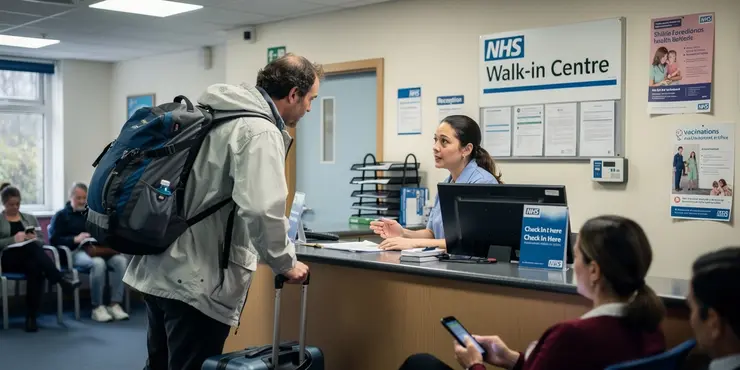
If you fall ill or have an accident, seek medical attention immediately. Most countries have emergency numbers similar to 999 in the UK.
Carry a basic first aid kit, and know how to use it. This can be a first line of defense against minor injuries or ailments.
Handling Theft or Loss
If you are a victim of theft, contact local police as soon as possible. Obtain a report, as it may be needed for insurance claims.
If you lose vital documents like your passport, contact the nearest embassy. They can assist in issuing temporary travel documents.
Using Technology
Technology can be a valuable ally during emergencies. Use smartphone apps for translations or directions if needed.
Consider installing apps that provide local emergency contact information and travel tips. These resources can save time during critical situations.
Seek Local Assistance
Local residents or hotel staff can offer assistance and guidance. Don’t hesitate to ask for help if you're unsure what to do.
Learn a few basic phrases in the local language. This effort can facilitate communication and seek help faster.
Stay Calm and Informed
Panic can exacerbate any situation. Take deep breaths and assess the situation logically.
Stay informed about any local advisories or safety warnings. Keeping abreast of news might prevent getting into dangerous situations.
Frequently Asked Questions
Immediately contact the local emergency services by dialing the local emergency number. Follow their instructions and ensure your safety first.
Research the local emergency numbers for your destination before traveling. You can also ask hotel staff or local residents for assistance.
Yes, reach out to your embassy or consulate for guidance, especially in cases involving legal issues or if you've lost your passport.
Yes, if you have travel insurance, contact your provider immediately. They can assist with medical emergencies, lost luggage, and other issues.
Be ready to provide your location, personal identification, emergency contacts, and any relevant health or insurance information.
Ask locals, hotel staff, or your embassy for recommendations. Your travel insurance provider may also offer referrals.
Report the loss to local police, obtain a copy of the report, and then contact your embassy to arrange for a replacement.
Use translation apps or phrasebooks. Seek out locals or officials who may speak English or your native language.
Stay informed through local news, your embassy, and global alert systems. Follow evacuation instructions from authorities.
Check your government's official embassy website or use apps designed for travelers that provide embassy locations.
Yes, social media can help you stay updated and contact family or friends. Be sure to verify information before acting on it.
Report the loss to local police, lock or erase your phone remotely if possible, and contact your service provider for assistance.
Other travelers can provide support, share local knowledge, or help you connect with services. Don't hesitate to ask for help.
Contact local authorities to report the crime, seek assistance from your embassy, and inform your travel insurance provider.
Carry copies of your passport, travel insurance, and emergency contacts. A digital backup on your phone or email is also advisable.
Seek medical attention immediately, inform your travel insurance provider, and keep any receipts or documents for claims.
Research emergency services, purchase travel insurance, note important contacts, and make copies of essential documents.
Yes, airlines can provide information on flight changes, rebooking options, and may assist in finding local emergency contacts.
They can provide guidance on local emergency services, offer directions, and inform you about any safety advisories.
Your embassy can help connect you with legal resources or you may contact your travel insurance provider for legal assistance information.

Ergsy Search Results
This website offers general information and is not a substitute for professional advice.
Always seek guidance from qualified professionals.
If you have any medical concerns or need urgent help, contact a healthcare professional or emergency services immediately.
Some of this content was generated with AI assistance. We've done our best to keep it accurate, helpful, and human-friendly.
- Ergsy carefully checks the information in the videos we provide here.
- Videos shown by Youtube after a video has completed, have NOT been reviewed by ERGSY.
- To view, click the arrow in centre of video.
- Most of the videos you find here will have subtitles and/or closed captions available.
- You may need to turn these on, and choose your preferred language.
- Go to the video you'd like to watch.
- If closed captions (CC) are available, settings will be visible on the bottom right of the video player.
- To turn on Captions, click settings.
- To turn off Captions, click settings again.