
Get Answers
What Lifestyle Changes Can Improve Gut Health and Support Healthy Aging?
Maintaining a healthy gut is crucial for overall well-being, especially as we age. The gut, often referred to as the 'second brain', plays a significant role in digestion, immunity, and even mental health. As people in the UK look to support healthy aging, incorporating lifestyle changes that focus on gut health can be particularly beneficial.
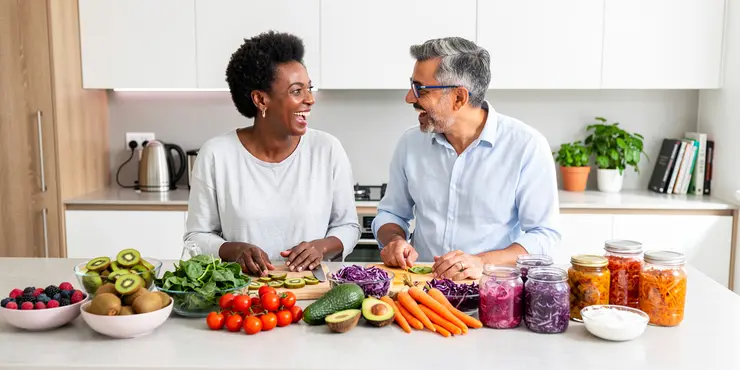
First, diet plays a fundamental role in gut health. Consuming a balanced diet rich in fibre is essential. Fibre feeds the beneficial bacteria in the gut, promoting a healthy microbiome. Foods such as fruits, vegetables, whole grains, nuts, and seeds are excellent sources of fibre. In particular, traditional British foods like porridge made from oats and root vegetables can be easily integrated for their fibre content and health benefits.
Additionally, incorporating fermented foods into the diet can significantly enhance gut health. Fermented foods such as yoghurt, kefir, sauerkraut, and kimchi are rich in probiotics, which help maintain the balance of good bacteria in the gut. In the UK, you can also find local versions of these foods in most supermarkets, often enriched with specific probiotic strains.
Hydration is another key factor. Drinking plenty of water aids digestion and nutrient absorption, both of which contribute to a healthy gut lining and overall function. Aim to drink at least 6-8 glasses of water a day, depending on activity levels and health conditions.
Regular physical activity is also important for gut health and healthy aging. Exercise stimulates the intestinal muscles, promoting regular bowel movements and reducing the risk of digestive issues. Activities like walking, cycling, or swimming can be excellent choices. Incorporating at least 150 minutes of moderate aerobic exercise coupled with strength training weekly, as recommended by NHS guidelines, can support both gut health and longevity.
Stress management is another critical component. Chronic stress can negatively affect gut health by altering the gut microbiome and increasing gut permeability. Practices such as mindfulness, meditation, yoga, or even enjoying a cup of tea can help manage stress levels. Additionally, ensuring adequate sleep each night supports both mental and physical health, contributing to a well-balanced gut environment.
It's also important to be mindful of the use of antibiotics and other medications, which can impact gut health. When taking antibiotics, consider using probiotics alongside them to help maintain gut flora balance, but always consult with a healthcare provider first.
In conclusion, making strategic lifestyle changes such as optimizing diet, staying hydrated, maintaining regular physical activity, managing stress effectively, and being cautious with medication use can greatly improve gut health. These practices not only support a healthier gut but also contribute to overall well-being and can promote healthy aging for individuals in the UK.
Frequently Asked Questions
A balanced diet rich in fiber, fruits, vegetables, and fermented foods supports a healthy gut microbiome.
Proper hydration aids in digestion and helps maintain the mucosal lining of the intestines, supporting gut health.
Yes, regular physical activity can enhance gut health by promoting a diverse microbiome and improving digestion.
Fiber helps maintain bowel regularity and feeds beneficial gut bacteria, promoting a healthy gut microbiome.
Probiotics are beneficial bacteria that can enhance gut health by balancing the microbiome and supporting digestion.
Reducing stress can positively impact the gut-brain axis, decrease inflammation, and improve digestive health.
Adequate sleep is crucial for overall health, including maintaining a balanced gut microbiome and digestive function.
Yes, fermented foods contain live bacteria that can enrich the gut microbiome and improve digestion.
Reducing sugar can prevent the overgrowth of harmful bacteria, thus maintaining a healthy gut balance.
Antibiotics can disrupt gut flora, so it's important to use them judiciously and support recovery with probiotics.
Yes, practices like meditation and yoga can reduce stress and improve gut health through the gut-brain connection.
Aging can lead to changes in the gut microbiome, digestive efficiency, and increased susceptibility to gut disorders.
Eating smaller, more frequent meals can aid in digestion and prevent overloading the digestive system.
Prebiotics are fibers that feed beneficial gut bacteria, helping maintain a balanced microbiome.
Excessive alcohol can harm the gut lining and microbiome, so moderation is important for gut health.
Consistent meal times can help regulate digestion and improve gut health by maintaining circadian rhythms.
Processed foods often contain additives and low fiber, which can disrupt gut microbiota balance and harm gut health.
For those with gluten sensitivities or celiac disease, gluten can damage the gut, but for others, it may not have a significant impact.
Thorough chewing aids digestion by breaking down food and mixing it with saliva, promoting better nutrient absorption and gut health.
Individual responses to food vary, so personalized nutrition can help optimize diet for better gut health and overall well-being.

Ergsy Search Results
This website offers general information and is not a substitute for professional advice.
Always seek guidance from qualified professionals.
If you have any medical concerns or need urgent help, contact a healthcare professional or emergency services immediately.
Some of this content was generated with AI assistance. We've done our best to keep it accurate, helpful, and human-friendly.
- Ergsy carefully checks the information in the videos we provide here.
- Videos shown by Youtube after a video has completed, have NOT been reviewed by ERGSY.
- To view, click the arrow in centre of video.
- Most of the videos you find here will have subtitles and/or closed captions available.
- You may need to turn these on, and choose your preferred language.
- Go to the video you'd like to watch.
- If closed captions (CC) are available, settings will be visible on the bottom right of the video player.
- To turn on Captions, click settings.
- To turn off Captions, click settings again.