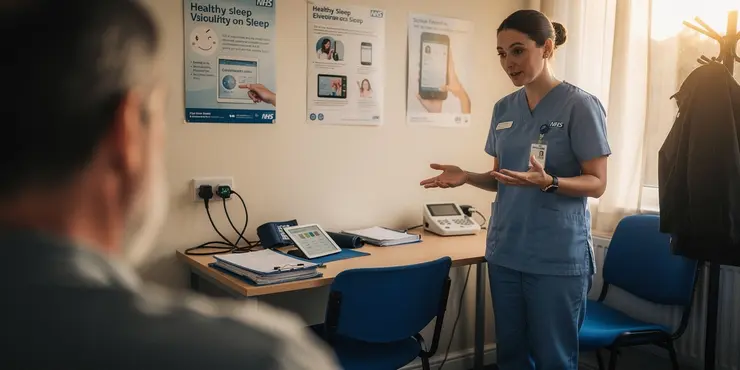

Speak To An Expert
Get clear, personalised advice for your situation.
Jot down a few questions to make the most of your conversation.
The Main Finding of the Study Linking Screen Time to Sleep Quality
Recent research has unveiled a significant correlation between screen time and sleep quality, shedding light on the ways in which increased use of electronic devices can adversely affect sleep patterns. This study, conducted by a team of researchers from a leading UK university, provides compelling evidence that individuals who spend excessive time on screens, particularly before bedtime, are more likely to experience disrupted sleep.
The research highlights that the blue light emitted from screens is a primary factor contributing to poorer sleep quality. Blue light interferes with the production of melatonin, the hormone responsible for regulating sleep-wake cycles. When melatonin production is suppressed, individuals may find it more difficult to fall asleep or achieve restful, uninterrupted sleep. The study emphasises that even devices with smaller screens, such as smartphones and tablets, can have a significant impact on sleep when used in the evening hours.
Another critical finding from the study is the behavioural component of screen time. The engaging nature of digital content, from social media to streaming services, can lead to prolonged device use and the delay of bedtime. The research notes that individuals often lose track of time while engaged with screens, leading to reduced sleep duration and an increase in sleep-related issues such as insomnia. The interplay between screen content and sleep is particularly pronounced among adolescents and young adults, who report higher levels of screen time usage.
The study also explored the implications of screen time on different demographic groups. For instance, children and teenagers are especially vulnerable to the negative effects of excessive screen use on sleep due to their developmental need for sufficient and quality sleep. Meanwhile, adults who have long working hours and use screens for both work and leisure purposes are also at risk of experiencing disturbed sleep patterns.
The findings from this study suggest practical measures to improve sleep hygiene by managing screen time. Recommendations include limiting the use of electronic devices before bed, using features like 'night mode' to reduce blue light exposure, and establishing a consistent bedtime routine that minimizes screen interaction. By implementing these strategies, individuals can potentially mitigate the adverse effects of screen time on sleep quality.
This study adds to a growing body of evidence emphasizing the importance of mindful screen usage, particularly as digital devices become an increasingly integral part of daily life. As awareness spreads regarding the impact of screen time on sleep, it is hoped that individuals will become more conscious of their habits and take steps to improve their sleep health, thereby enhancing overall well-being.
What We Learned About Screens and Sleep
A new study shows that spending a lot of time on screens can affect how well we sleep. This research was done by smart people at a big UK university. They found that using phones, tablets, or computers a lot, especially at night, can make it harder to sleep.
Screens give off something called blue light. Blue light makes it harder to sleep because it stops our bodies from making a special chemical called melatonin. Melatonin helps us sleep. If we don't make enough melatonin, we can't fall asleep easily or sleep well. Even small devices like phones or tablets can stop us from sleeping well if we use them at night.
Another big problem is that the fun stuff on screens, like social media or TV shows, makes us stay on them longer. This can make us forget to go to bed on time. If we sleep less, we might get problems like not being able to sleep at all. This problem is bigger for teenagers and young adults because they use screens more.
The study also talks about how different people are affected. Kids and teenagers need good sleep for growing, so they should really watch their screen time. Adults who use screens for work and fun can also have trouble sleeping if they don't take breaks from screens.
The study suggests ways to help us sleep better by using screens less. We can try to stop using screens before bed. We can use things like 'night mode' on devices to see less blue light. It's also good to have a regular bedtime routine without screens. These things can help us sleep better, even if we use screens a lot.
This study is one of many that shows why we should be careful with how we use screens. As more people learn about how screens affect sleep, it's important we think about our screen habits and try to get better sleep. This can make us feel better and be healthier overall.
Frequently Asked Questions
The study found that increased screen time is associated with poorer sleep quality.
Screen time, particularly before bed, can interfere with sleep by delaying sleep onset and reducing overall sleep duration.
The study suggests limiting screen exposure before bedtime to improve sleep quality.
Yes, the study indicates that blue light emitted from screens may disrupt circadian rhythms and affect sleep quality.
The study primarily focused on adolescents and young adults, who are major users of digital devices.
The study suggests reducing screen time at least an hour before bed for better sleep quality.
Increased screen time was linked to delayed melatonin release, which is crucial for regulating sleep.
Excessive screen time can lead to irregular sleep patterns and increased alertness before bedtime.
The study recommends creating a screen-free bedtime routine and using features like night mode to reduce blue light exposure.
Yes, interactive content like games may have a greater impact on sleep disruption than passive content like videos.
Increased screen time is associated with longer sleep onset latency, meaning it takes longer to fall asleep.
The main concern is that poor sleep quality can lead to various health issues, including reduced cognitive function and mood disorders.
Higher screen time is linked to shorter sleep duration, leading to inadequate rest.
Screen time can alter sleep architecture by reducing REM sleep and affecting overall sleep cycles.
The study suggests using blue light filters and apps to remind users to reduce screen time before sleep.
The study noted increased anxiety and stress levels associated with high screen time, contributing to disrupted sleep.
Chronic screen time exposure was associated with persistent sleep problems and increased risk of insomnia.
Adolescents are most affected, as they have high screen exposure and are more vulnerable to sleep disruption.
Yes, increased screen time was linked to a higher prevalence of sleep disorders, such as insomnia and delayed sleep phase disorder.
The study used a combination of self-reported surveys and objective measures like actigraphy to assess the impact of screen time on sleep quality.
The study found that more time spent on screens can lead to worse sleep.
Looking at screens, like phones or tablets, before bed can make it hard to fall asleep. It can also mean you get less sleep overall.
The study says to use screens less before bedtime. This can help you sleep better.
Yes, the study says that the blue light from screens can mess up your body clock and make it hard to sleep well.
This study looked at teenagers and young adults. These are the people who use phones, tablets, and computers the most.
The study says you should stop looking at screens, like phones or tablets, at least one hour before bedtime. This helps you sleep better.
Looking at screens too much can make it hard to sleep. This happens because screens stop the brain from making a chemical called melatonin. Melatonin helps us go to sleep.
Using screens too much can make it hard to sleep. It can also make it hard to feel sleepy at bedtime.
The study says it's a good idea to have a bedtime routine without screens. You can also use things like night mode on your devices. This helps lower the blue light that screens give off.
Yes, playing games can make it harder to sleep compared to watching videos.
Looking at screens for a long time can make it harder to fall asleep. It can take longer before you start sleeping.
Here are some tips to help:
- Turn off screens at least 1 hour before bedtime.
- Try reading a book or listening to calm music.
- Make your room dark and quiet.
Not sleeping well can make you feel sick. You might find it hard to think clearly or feel happy.
Using screens a lot can make us sleep less and not rest enough.
Looking at screens can change how we sleep. It can make us have less dream sleep (called REM). It can also change the way we move through different sleep stages.
To help with sleep, try using tools like blue light filters on screens or stop using screens an hour before bed. You can also listen to calming music or stories to relax before sleeping.
The study says using blue light filters and apps can help. These tools remind people to spend less time on screens before going to bed.
The study found that using screens a lot can make people feel more worried and stressed. This can also make it hard to sleep well.
Looking at screens for a long time can make it hard to sleep. It can also make you more likely to have trouble sleeping, like insomnia.
Teenagers have the most trouble because they spend a lot of time looking at screens. This can make it hard for them to sleep.
Yes, looking at screens for a long time can make it harder to sleep. This can cause problems like not being able to fall asleep easily or staying up too late.
The study looked at how screen time affects how well people sleep. To do this, they asked people questions in surveys and used tools that measure sleep, like actigraphy.

Ergsy Search Results
This website offers general information and is not a substitute for professional advice.
Always seek guidance from qualified professionals.
If you have any medical concerns or need urgent help, contact a healthcare professional or emergency services immediately.
Some of this content was generated with AI assistance. We've done our best to keep it accurate, helpful, and human-friendly.
- Ergsy carefully checks the information in the videos we provide here.
- Videos shown by Youtube after a video has completed, have NOT been reviewed by ERGSY.
- To view, click the arrow in centre of video.
- Most of the videos you find here will have subtitles and/or closed captions available.
- You may need to turn these on, and choose your preferred language.
- Go to the video you'd like to watch.
- If closed captions (CC) are available, settings will be visible on the bottom right of the video player.
- To turn on Captions, click settings.
- To turn off Captions, click settings again.