
Get Answers
Routine visual checks
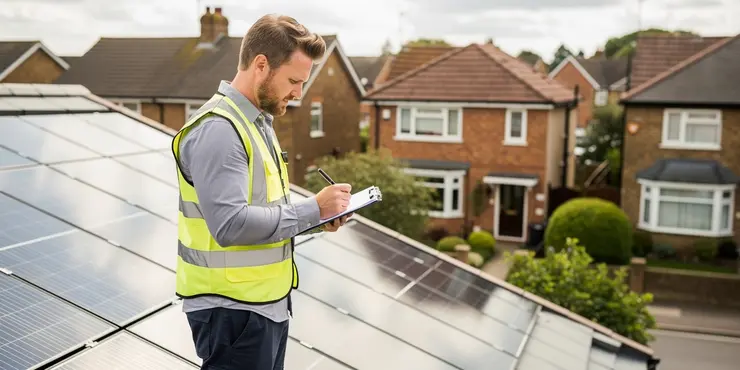
A reputable solar panel installer in the Bristol area will usually recommend regular visual checks rather than frequent hands-on maintenance. For most UK homes, a quick look every few months is enough to spot obvious issues such as cracked glass, loose fittings, shading from overgrown branches, or debris build-up.
It is also sensible to check the system after periods of bad weather. Strong winds, heavy rain, and storms can sometimes shift tiles, loosen mounting hardware, or leave dirt and leaves on the panels.
Cleaning the panels
Solar panels often need less cleaning than many homeowners expect, especially in Bristol where regular rainfall helps wash away light dirt. However, pollen, bird droppings, traffic film, and moss can still reduce performance over time.
If cleaning is needed, a reputable installer will usually advise using water and a soft brush or sponge, or booking a professional solar cleaning service. Harsh chemicals, abrasive tools, and pressure washers should be avoided because they can damage the surface or seals.
Monitoring system performance
Modern solar PV systems often include monitoring software, and installers normally recommend checking it from time to time. This helps you spot a sudden drop in generation that may indicate a fault, dirty panels, inverter issue, or wiring problem.
Comparing performance across different months is useful too, since seasonal changes are expected in the UK. If output falls well below normal levels, it is worth contacting the installer for advice before the issue becomes more serious.
Inverter and electrical checks
The inverter is one of the most important parts of the system, and installers usually advise keeping an eye on its status lights or app alerts. Unlike the panels themselves, inverters may need replacement or servicing after several years of use.
Electrical components should only be inspected by a qualified professional. A reputable installer will recommend periodic checks to make sure cabling, isolators, and protective devices remain safe and compliant with current standards.
Tree growth and roof care
In suburban and rural parts of Bristol, nearby trees can gradually reduce panel output by casting shade. A good installer will often suggest trimming branches where necessary to keep the panels exposed to as much sunlight as possible.
It is also worth keeping the roof in good condition. If tiles become damaged or gutters are blocked, water can affect both the roof structure and the mounting system, so roofing maintenance should not be ignored.
Professional servicing and warranties
Most reputable installers recommend an annual or occasional professional inspection, especially for larger systems or properties with hard-to-reach roofs. This gives peace of mind that the panels, mounts, and electrical parts are all operating safely.
Regular maintenance can also help protect warranties. Keeping records of inspections, cleaning, and any repairs may be useful if you ever need to make a claim or prove the system has been properly cared for.
Frequently Asked Questions
Recommended maintenance usually includes visual inspections, cleaning panels when needed, checking mounting hardware, verifying wiring and connectors, monitoring inverter performance, and confirming there is no shading or debris buildup that could reduce output.
Most systems benefit from a basic inspection once or twice a year, with additional checks after severe weather, storms, or any noticeable drop in performance. The exact schedule depends on system age, roof conditions, and local environmental factors.
Regular maintenance helps preserve energy output, catch faults early, prevent long-term damage, and extend the life of the installation. It also supports safe operation by identifying loose connections, degraded seals, and other issues before they worsen.
A typical inspection includes checking panel surfaces, frames, fixings, cabling, inverter status, generation data, and roof penetrations. Installers may also look for signs of water ingress, corrosion, pest damage, and hot spots.
Homeowners can usually do simple visual checks from ground level, monitor system performance, and clear light debris if safely accessible. However, roof work, electrical checks, and any repairs should be handled by a qualified professional.
Cleaning advice generally focuses on using soft water, non-abrasive tools, and gentle methods that avoid scratching the glass or damaging seals. Panels should be cleaned only when necessary and never with harsh chemicals or high-pressure washing.
Rain, wind, frost, salt in the air, and seasonal debris can all affect panel condition and output. Maintenance recommendations often emphasize checking for loosened components, dirt accumulation, and weather-related wear after harsh conditions.
Warning signs include reduced energy generation, inverter faults, visible cracks, loose wiring, unusual noises, water staining, or damage after storms. If any of these appear, an inspection should be arranged promptly.
Yes, inverter checks are an important part of maintenance recommendations because the inverter converts the generated DC electricity into usable AC power. Installers typically review fault codes, display status, efficiency, and ventilation around the unit.
If the installation includes batteries, maintenance recommendations usually cover battery health, charge cycles, temperature control, software updates, and safe operation. Any issues with battery performance should be assessed by a qualified technician.
Safety precautions include isolating electrical components before work, using proper fall protection, avoiding roof access without training, and checking for live circuits. Maintenance should only be carried out by competent personnel following relevant safety procedures.
Well-maintained panels operate more efficiently, which helps maximize generation and reduce energy costs. Keeping surfaces clean, components secure, and equipment functioning properly prevents avoidable losses in output.
After storms, installers typically check for cracked panels, displaced tiles, loose mounts, damaged cabling, debris impacts, and water ingress. Even if damage is not visible from the ground, a professional inspection may still be worthwhile.
Yes, the roof type can affect access, drainage, mounting systems, and the types of issues that need monitoring. Flat roofs may need closer checks for water pooling and ballast, while pitched roofs often require attention to fixings and tile integrity.
Shading from trees, moss, bird droppings, and accumulated debris can reduce panel output significantly. Maintenance recommendations usually include trimming overhanging branches where appropriate and removing buildup that blocks sunlight.
Yes, routine maintenance can extend the lifespan of panels, inverters, mounts, and wiring by reducing wear and catching problems early. Preventive care often lowers the risk of expensive repairs and premature component failure.
It is useful to keep service reports, inspection dates, fault records, cleaning notes, warranty details, and generation data. Good records help track system health and support warranty or insurance claims if needed.
They can be. Many warranties expect proper installation, reasonable upkeep, and evidence of professional servicing when required. Following maintenance recommendations helps protect warranty coverage and demonstrate responsible ownership.
Bird-related issues often include nesting under panels, droppings on surfaces, and damage to cables or fittings. Recommended maintenance may involve installing deterrents, checking for nests, and cleaning affected areas safely and legally.
Professional recommendations can be obtained from qualified solar installers, maintenance specialists, or service providers experienced with photovoltaic systems in Bristol. They can assess the installation, identify risks, and provide a tailored maintenance plan.

Ergsy Search Results
This website offers general information and is not a substitute for professional advice.
Always seek guidance from qualified professionals.
If you have any medical concerns or need urgent help, contact a healthcare professional or emergency services immediately.
Some of this content was generated with AI assistance. We've done our best to keep it accurate, helpful, and human-friendly.
- Ergsy carefully checks the information in the videos we provide here.
- Videos shown by Youtube after a video has completed, have NOT been reviewed by ERGSY.
- To view, click the arrow in centre of video.
- Most of the videos you find here will have subtitles and/or closed captions available.
- You may need to turn these on, and choose your preferred language.
- Go to the video you'd like to watch.
- If closed captions (CC) are available, settings will be visible on the bottom right of the video player.
- To turn on Captions, click settings.
- To turn off Captions, click settings again.