
Get Answers
What is Postnatal Depression?
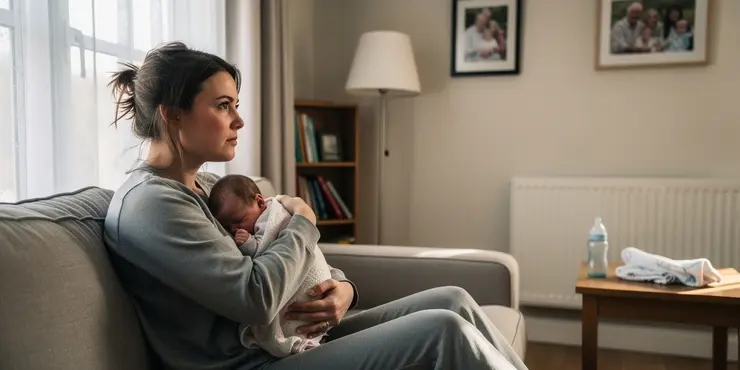
Postnatal depression (PND) is a type of depression that affects some mothers after giving birth. While feeling emotional and overwhelmed is common after childbirth—often called the "baby blues"—postnatal depression is more severe and long-lasting. It can develop within the first year after birth, affecting a mother's ability to care for herself, her baby, and her family.
Symptoms of Postnatal Depression
The symptoms of postnatal depression can vary in type and severity, but common symptoms include persistent sadness, a lack of enjoyment in activities previously found pleasurable, and feelings of hopelessness. Mothers may also experience difficulty bonding with their baby, suffer from disturbed sleep, or have thoughts of self-harm or harming their baby. Anxiety and irritability are also common symptoms, and the condition may significantly impact a mother's daily functioning and quality of life.
Causes of Postnatal Depression
There is no single cause of postnatal depression. It is likely a combination of physical, emotional, and social factors. Hormonal changes after childbirth can contribute, as can a history of mental health issues, lack of support, or stressful life events. Additionally, women who have experienced depression before are at a higher risk. It is important to remember that postnatal depression can affect any new mother, regardless of her situation or previous experiences.
Treatment and Support
Treating postnatal depression is crucial for both the mother and her family. Treatment often includes a combination of self-help, talking therapies, and medication. Cognitive behavioural therapy (CBT) and counselling are effective in many cases. Antidepressants may also be prescribed, especially if symptoms are severe. It’s important for mothers to seek help early on and for healthcare providers to offer a compassionate and supportive approach.
Support from family and friends is also vital. Encouragement and practical help with childcare or household tasks can make a significant difference. Mothers should be encouraged to talk about their feelings and seek professional help without fear of stigma.
Getting Help in the UK
In the UK, postnatal depression is recognised as a serious mental health condition. New mothers can seek help through their GP, midwife, or health visitor. Organizations such as the National Health Service (NHS), Postpartum Support International, and Mind offer resources and support. It is crucial to address postnatal depression promptly to ensure the wellbeing of both the mother and her baby.
If you suspect you or someone you know is suffering from postnatal depression, it is important to seek help as soon as possible. Early intervention can significantly improve outcomes and help mothers return to feeling healthy and capable of caring for themselves and their children.
What is Postnatal Depression?
Postnatal depression (PND) is when a new mother feels very sad after having a baby. Feeling a bit emotional after birth is normal and is called "baby blues." But postnatal depression is more serious and lasts longer. It can happen in the first year after a baby is born. It affects how a mother takes care of herself, her baby, and her family.
Symptoms of Postnatal Depression
Signs of postnatal depression can be different for everyone. Common signs are feeling very sad, not enjoying things like before, and feeling hopeless. A mother might have trouble bonding with her baby, have trouble sleeping, or have scary thoughts about hurting herself or the baby. Feeling anxious or easily annoyed is also common. These feelings can make it hard for a mother to do everyday tasks.
Causes of Postnatal Depression
There is no single reason for postnatal depression. It can be caused by a mix of body changes, feelings, and social issues. Changes in hormones after having a baby can play a part. A history of mental health problems, little support from others, or stressful events can also increase the risk. Even mothers who have never felt depressed before can get postnatal depression.
Treatment and Support
Getting help for postnatal depression is very important for the mother and her family. Treatment can include self-care, talking therapy, and medicine. Therapy like CBT (Cognitive Behavioural Therapy) and counseling can help. Medicine like antidepressants might be needed if the depression is serious. It is important for mothers to ask for help early. Doctors and nurses should be kind and supportive.
Help from family and friends is also very important. They can help by listening or helping with the baby or chores. Mothers should talk about how they feel and ask for professional help without feeling embarrassed.
Getting Help in the UK
In the UK, postnatal depression is treated as a serious health issue. New mothers can ask for help from their GP, midwife, or health visitor. Groups like the NHS, Postpartum Support International, and Mind also offer help. It is important to get help quickly so that both the mother and baby stay healthy.
If you think you or someone you know has postnatal depression, try to get help as soon as possible. Getting help early can make things much better and help mothers feel strong again, so they can take care of themselves and their children.
Frequently Asked Questions
Postnatal depression (PND) is a type of depression that many parents experience after having a baby. It's a common condition that can affect both mothers and fathers.
Symptoms can include feelings of sadness, low energy, changes in sleeping and eating patterns, anxiety, irritability, and a lack of interest or pleasure in activities.
Postnatal depression can develop within the first few weeks after giving birth, but it can also occur up to a year later.
The exact cause is unknown, but it's believed to be a combination of hormonal changes, fatigue, lifestyle adjustments, and genetic factors.
The 'baby blues' are mild, temporary symptoms that affect many new mothers and typically resolve within two weeks. Postnatal depression lasts longer and has more severe symptoms.
Yes, fathers can also experience postnatal depression, although it is less commonly recognized.
A healthcare professional can diagnose postnatal depression based on a clinical assessment and the symptoms described by the patient.
Yes, treatment options include therapy, counseling, support groups, and medication. The best treatment depends on individual circumstances.
With proper treatment, most people recover fully from postnatal depression, although some may experience ongoing challenges with mood.
Postnatal depression can make bonding with the baby difficult, as parents may feel detached or have trouble feeling affection.
Yes, regular physical activity, a healthy diet, adequate sleep, and a strong support network can help improve symptoms.
Having experienced postnatal depression increases the risk of it occurring in future pregnancies, but it does not guarantee it.
Yes, professional help is important for managing and treating postnatal depression effectively.
Yes, there are many support groups available for individuals experiencing postnatal depression, providing a space to share experiences and gain support.
While it may not be completely preventable, early intervention and support can mitigate its impact.
A balanced diet can support overall health and may help improve mood, but it is not a substitute for professional treatment.
Family members can offer emotional support, assist with childcare and household tasks, and encourage seeking professional help.
Medication is one treatment option and may be more necessary in moderate to severe cases. A healthcare provider can guide this decision.
It's possible for postnatal depression to recur, especially in future pregnancies. Ongoing support and monitoring can help manage this risk.
If you suspect you have postnatal depression, seek help from a healthcare professional to discuss your symptoms and explore treatment options.
After having a baby, some parents can feel very sad. This is called postnatal depression, or PND. It can happen to both mums and dads.
Here are some signs you might notice:
- Feeling sad.
- Feeling very tired.
- Sleeping a lot or not enough.
- Eating more or less than usual.
- Feeling worried.
- Getting upset easily.
- Not wanting to do things you used to enjoy.
Support tools or techniques can help, like:
- Talking to a friend or family member.
- Using a feelings chart to show how you feel.
- Trying relaxing activities, like deep breathing or drawing.
After a baby is born, some people may feel very sad. This can happen in the first weeks or even up to a year later.
We don't know exactly why it happens. But it might be because of changes in the body's hormones, feeling really tired, changes in how we live, and things we get from our parents.
For help, you can talk to a doctor. They can give advice and support.
The 'baby blues' happen to many new mums. It means feeling a bit sad after having a baby. It usually goes away after two weeks.
Postnatal depression is different. It lasts longer and makes you feel really sad. It needs more help to get better.
If you're not feeling yourself, talking to someone can help a lot. Friends, family, or doctors are great people to talk to. Also, writing down your feelings or using phone apps can be useful.
Yes, dads can feel sad after a new baby is born. This is called postnatal depression. People don't talk about it as much.
A doctor or nurse can find out if someone has postnatal depression. They do this by talking to the person and asking about how they feel.
Yes, there are ways to help. You can talk to a therapist, go to counseling, join support groups, or take medicine. The right help depends on what each person needs.
With the right help, most people get better from feeling sad after having a baby. Some people might still have some sad days.
After having a baby, some parents can feel very sad. This is called postnatal depression.
It can be hard for them to feel close to their baby. They might not feel loving.
If this happens, talking to a doctor or counselor can help. Joining a support group or talking to friends can also make things better.
Yes, doing exercise often, eating healthy food, getting enough sleep, and having good friends and family can make you feel better.
If you felt very sad after having a baby before, you might feel the same again with another baby, but it might not happen.
Yes, getting help from doctors or nurses is very important to feel better after having a baby.
Yes, there are many support groups for people with postnatal depression. These groups help you talk about your feelings and get support.
We might not be able to stop it completely, but getting help early can make things better.
Eating healthy food can help you feel better and stay healthy. But if you are feeling sad or worried, healthy eating is not the same as seeing a doctor. A doctor can give you the help you need.
Family can help you feel loved and happy. They can look after kids, clean the house, and tell you to see a doctor if you need it.
Medicines can help people when they are very sick. If someone is a little sick, they might not need medicine. A doctor or nurse can help decide if medicine is needed.
After you have a baby, some people can feel very sad or depressed. This is called postnatal depression. It can happen again when you have more babies.
Getting help and having someone check on you can make it easier to feel better.
If you think you might have postnatal depression, talk to a doctor or nurse. They can help you understand what you are feeling and talk about ways to feel better.

Ergsy Search Results
This website offers general information and is not a substitute for professional advice.
Always seek guidance from qualified professionals.
If you have any medical concerns or need urgent help, contact a healthcare professional or emergency services immediately.
Some of this content was generated with AI assistance. We've done our best to keep it accurate, helpful, and human-friendly.
- Ergsy carefully checks the information in the videos we provide here.
- Videos shown by Youtube after a video has completed, have NOT been reviewed by ERGSY.
- To view, click the arrow in centre of video.
- Most of the videos you find here will have subtitles and/or closed captions available.
- You may need to turn these on, and choose your preferred language.
- Go to the video you'd like to watch.
- If closed captions (CC) are available, settings will be visible on the bottom right of the video player.
- To turn on Captions, click settings.
- To turn off Captions, click settings again.