
Get Answers
The Impact of Climate Change on Water Infrastructure
Climate change poses significant challenges to water infrastructure in the UK, affecting the availability, quality, and management of water resources. As global temperatures rise, the frequency and intensity of extreme weather events, such as heavy rainfall, heatwaves, and droughts, are expected to increase. These changes strain existing water infrastructure systems, challenging their ability to supply clean water, manage wastewater, and control flooding effectively.
Extreme Weather Events and Flooding
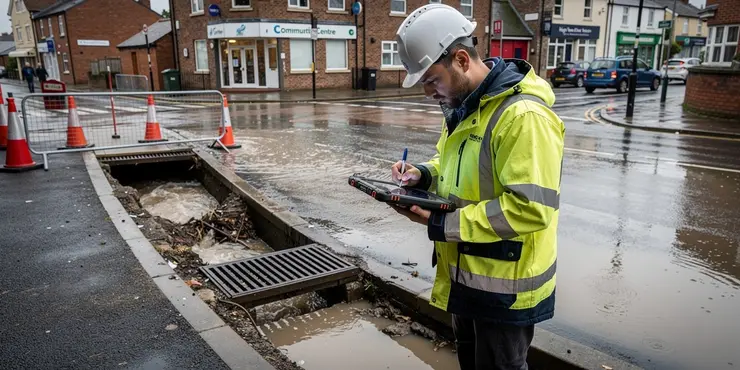
One of the primary concerns is the increased risk of flooding due to more frequent and intense rainfall events. The UK's aging water infrastructure must cope with the higher volumes of water flowing through drainage systems and watercourses. Often, these systems are unable to handle such extremes, leading to overflow situations that cause property damage, disrupt communities, and contaminate water supplies. Investment in upgrading stormwater systems and enhancing natural flood defenses is crucial to mitigating these risks.
Heatwaves and Water Scarcity
On the other end of the spectrum, heatwaves and prolonged dry periods challenge water availability by increasing demand while reducing supply. During hotter periods, water bodies tend to evaporate faster, which reduces the water available for consumption and agricultural needs. The UK’s water infrastructure must adapt to ensure adequate water storage and distribution systems are in place to manage these periods of scarcity effectively. This involves modernizing existing infrastructure, improving leakage management, and encouraging efficient water use.
The Role of Temperature Fluctuations
Rising temperatures also affect the quality of water resources. Higher temperatures can lead to more frequent and severe algal blooms in reservoirs and lakes, impacting drinking water quality and increasing the treatment burden on water utilities. To address this, there is a need for advanced monitoring systems and treatment technologies that can quickly identify and address water quality issues. Furthermore, protecting natural water sources from pollutants is essential to safeguarding water quality under changing climate conditions.
Adapting Water Infrastructure for Climate Resilience
The UK must invest in resilient water infrastructure to withstand climate-related challenges. This includes incorporating innovative technologies, such as smart water networks, to improve monitoring and response times. Additionally, integrating nature-based solutions, like restoring wetlands, can provide natural resilience against floods and improve water quality. Public and private sectors must collaborate to fund and implement these adaptations. By developing robust infrastructure capable of responding to climate change, the UK can safeguard its water resources for future generations.
The Impact of Climate Change on Water Systems
Climate change is a big problem for how we manage water in the UK. It affects how much water we have, how clean it is, and how we use it. As the Earth gets hotter, we see more storms, heatwaves, and times with no rain. This makes it hard for our water systems to give us clean water, deal with dirty water, and stop floods.
Big Storms and Floods
One major worry is flooding. This happens more because of heavy rain. In the UK, many water systems, like pipes and drains, are old. They often can't handle lots of rainwater. This can cause flooding. Houses can get damaged, places need to be fixed up, and sometimes dirty water mixes with clean water. We need to fix and improve these systems to handle more water and protect against floods.
Heatwaves and Lack of Water
Hot weather and long dry times also affect our water. People use more water when it's hot, but there's less water available because it evaporates more quickly. This means our water systems need to be improved so they can hold and share more water. We need to fix leaks and help people use water wisely.
Temperature Changes and Water Quality
When it gets hotter, the quality of water can also get worse. Hotter temperatures can cause things like algae to grow in lakes, making the water dirty and harder to clean. We need better systems to check and clean our water. Protecting natural water sources from pollution is also very important.
Making Water Systems Stronger
To protect water systems from climate change, the UK needs to invest in making them stronger. This means using new technology to better track and fix problems. We can also use nature, like bringing back wetlands, to help stop floods and clean water naturally. Everyone needs to work together—both the government and businesses—to pay for and make these changes. By doing this, we can make sure we have good water for a long time.
Frequently Asked Questions
Climate change and weather impact on water infrastructure issues refer to the ways rising temperatures, shifting rainfall patterns, droughts, floods, storms, and sea-level rise affect the design, operation, reliability, and safety of water systems such as treatment plants, pipes, reservoirs, pumping stations, dams, and stormwater networks.
Climate change and weather impact on water infrastructure issues can reduce drinking water reliability by lowering source water availability during drought, increasing contamination after floods, raising water temperatures that affect treatment, and damaging pipes and treatment facilities during extreme weather.
Floods can overwhelm drainage systems, inundate treatment plants, damage electrical and mechanical equipment, cause sewer overflows, and contaminate wells and reservoirs, making floods one of the most serious risks in climate change and weather impact on water infrastructure issues.
Droughts reduce river flows, groundwater recharge, and reservoir levels, which can strain supply systems, increase pumping costs, worsen water quality, and force utilities to ration water or use emergency sources in climate change and weather impact on water infrastructure issues.
Sea-level rise can push saltwater into groundwater aquifers, corrode pipes and equipment, flood coastal pumping stations and treatment plants, and reduce drainage capacity, all of which worsen climate change and weather impact on water infrastructure issues in coastal areas.
Extreme storms can damage power lines, wash out roads to facilities, overload stormwater systems, and introduce debris and pollutants into water sources, creating service interruptions and expensive repairs in climate change and weather impact on water infrastructure issues.
High temperatures can increase water demand, speed up pipe deterioration, reduce dissolved oxygen in water bodies, encourage harmful algae growth, and raise treatment challenges, making heat an important factor in climate change and weather impact on water infrastructure issues.
Aging pipes are more likely to crack, leak, burst, or collapse under stress from temperature swings, ground movement, flooding, and drought-related soil shrinkage, which increases failures in climate change and weather impact on water infrastructure issues.
Power outages can stop pumps, treatment processes, monitoring systems, and valve controls, so extreme weather-related outages often interrupt water service and wastewater operations, intensifying climate change and weather impact on water infrastructure issues.
Climate change and weather impact on water infrastructure issues can cause higher turbidity, contamination from runoff, algal blooms, saltwater intrusion, and wastewater overflows, all of which can make treatment more difficult and increase health risks.
Utilities can prepare by assessing risks, hardening critical assets, improving drainage, adding backup power, diversifying water sources, upgrading monitoring systems, and developing emergency response plans for climate change and weather impact on water infrastructure issues.
Resiliency in climate change and weather impact on water infrastructure issues means the ability of water systems to withstand, adapt to, and recover quickly from disruptions caused by extreme weather and long-term climate shifts while maintaining essential service.
Wastewater systems may face sewer overflows, inflow and infiltration from heavy rain, treatment plant flooding, pump failures, and higher operating loads, all of which are central concerns in climate change and weather impact on water infrastructure issues.
Stormwater management is important because heavier rainfall can exceed drainage capacity, cause urban flooding, erode infrastructure, and transport pollutants into waterways, making stormwater systems a key part of climate change and weather impact on water infrastructure issues.
Rural communities may be more vulnerable because they often have fewer backup systems, longer response times, limited funding, and greater reliance on single wells or small systems, which increases risk in climate change and weather impact on water infrastructure issues.
Economic impacts include higher repair and replacement costs, increased energy use, service interruptions, property damage from flooding, emergency response spending, and long-term capital investments needed to adapt water systems to climate change and weather impact on water infrastructure issues.
Urban expansion, paving, wetland loss, and building in flood-prone areas can increase runoff, reduce natural water storage, and expose infrastructure to greater risk, worsening climate change and weather impact on water infrastructure issues.
Helpful technologies include smart meters, leak detection systems, flood sensors, remote monitoring, predictive analytics, backup generators, corrosion-resistant materials, and adaptive control systems that improve performance under climate change and weather impact on water infrastructure issues.
Public health can be affected through contaminated drinking water, sewage backups, reduced water access during drought, and increased exposure to pollutants and pathogens after floods, making climate change and weather impact on water infrastructure issues a direct health concern.
Effective planning strategies include climate risk assessments, asset prioritization, updated design standards, watershed protection, emergency interconnections, redundancy in critical systems, and long-term capital planning for climate change and weather impact on water infrastructure issues.

Ergsy Search Results
This website offers general information and is not a substitute for professional advice.
Always seek guidance from qualified professionals.
If you have any medical concerns or need urgent help, contact a healthcare professional or emergency services immediately.
Some of this content was generated with AI assistance. We've done our best to keep it accurate, helpful, and human-friendly.
- Ergsy carefully checks the information in the videos we provide here.
- Videos shown by Youtube after a video has completed, have NOT been reviewed by ERGSY.
- To view, click the arrow in centre of video.
- Most of the videos you find here will have subtitles and/or closed captions available.
- You may need to turn these on, and choose your preferred language.
- Go to the video you'd like to watch.
- If closed captions (CC) are available, settings will be visible on the bottom right of the video player.
- To turn on Captions, click settings.
- To turn off Captions, click settings again.