
Get Answers
Introduction
Libraries have long been a cornerstone of community learning and engagement. For older adults in the UK, libraries offer various resources and opportunities to discover new hobbies and interests. As people age, engaging in enjoyable activities can significantly impact overall well-being, and libraries provide an accessible platform to explore these avenues.
Access to Resources
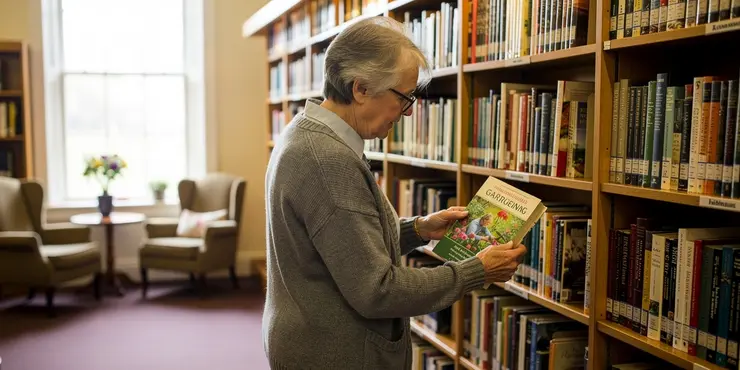
Older adults can access an extensive range of resources in libraries to help them discover new hobbies. Books, magazines, and DVDs provide valuable information on various topics ranging from gardening and cooking to crafting and history. Many libraries also offer digital resources like e-books and online courses for free, allowing older adults to learn at their own pace from home. This accessibility ensures that individuals can easily explore and pursue new interests without financial burden.
Workshops and Events
Libraries frequently host workshops and events designed to engage older adults in different activities. These workshops may include arts and crafts sessions, gardening clubs, or technology classes tailored to older participants. Such events provide hands-on experience and foster a sense of community by allowing participants to meet others with similar interests. The social aspect of participating in library-hosted events can be particularly beneficial for older adults, helping to combat isolation and build connections with peers.
Volunteering and Mentoring Opportunities
Libraries also offer volunteering and mentoring opportunities for older adults, allowing them to share their knowledge and experience while learning new skills. Engaging with the community in this manner can be incredibly rewarding, providing a sense of purpose and fulfillment. Whether it's participating in a reading group or assisting with library events, older adults can find meaningful ways to contribute while exploring new interests.
Technology and Digital Literacy
Many libraries provide digital literacy programs that help older adults become more comfortable with technology. These programs often cover basic computer skills, internet usage, and online safety. By acquiring these skills, older adults can access a wider range of hobbies available online, such as digital photography or online communities centered around specific interests. Learning to use technology opens up new possibilities for engagement and learning in a digital age.
Conclusion
Libraries play a crucial role in helping older adults in the UK discover and pursue new hobbies. Through access to diverse resources, participation in workshops and events, volunteering opportunities, and digital literacy programs, libraries offer a welcoming environment for older adults to explore their interests and enhance their quality of life. By supporting older adults in finding fulfilling activities, libraries contribute to lifelong learning and community engagement.
Introduction
Libraries are very important places for learning and fun. In the UK, older adults can go to libraries to find new hobbies and interests. Doing fun activities is good for people as they get older. Libraries are easy places to visit and explore new things.
Access to Resources
Older adults can find many resources at libraries to help them learn new hobbies. There are books, magazines, and DVDs about things like gardening, cooking, crafting, and history. Libraries also have free e-books and online courses. This means older adults can learn from home at their own speed without spending money.
Workshops and Events
Libraries host workshops and events to help older adults try new activities. These may include arts and crafts, gardening clubs, or classes about using computers. These events are fun and help people make friends who like the same things. This can help older adults feel less alone and meet new people.
Volunteering and Mentoring Opportunities
Older adults can volunteer or teach others at libraries. This helps them share what they know and learn new skills too. Volunteering can make people feel happy and useful. They can join reading groups or help with library activities to connect with others and explore new hobbies.
Technology and Digital Literacy
Libraries teach older adults how to use technology. They learn to use computers, go online safely, and more. These skills help them find new hobbies online, like digital photography or joining online groups. Learning technology opens up many new possibilities.
Conclusion
In the UK, libraries help older adults find and enjoy new hobbies. With books, workshops, volunteering, and technology classes, libraries are great places to learn and have fun. They help older adults keep learning and stay active in their communities.
Frequently Asked Questions
Libraries offer resources like books, workshops, and technology access to help older adults explore new interests and hobbies.
Yes, many libraries host classes and workshops on various hobbies such as gardening, crafts, and digital photography.
Libraries often organize clubs and social events that provide older adults with opportunities to meet others with similar interests.
Libraries provide books, magazines, DVDs, online courses, and access to creative software that cover a wide range of hobbies.
Libraries offer computer classes, internet access, and digital literacy programs to help older adults use technology effectively for their hobbies.
Yes, libraries may offer volunteer opportunities that allow older adults to share their skills or participate in community hobby projects.
Libraries provide technology workshops and one-on-one assistance to help older adults learn to use devices and software for hobbies like photography or digital art.
Librarians can recommend books, resources, and programs based on an individual's interests to help older adults find and pursue new hobbies.
Many libraries offer creative writing workshops and groups specifically designed for older adults looking to explore writing as a hobby.
Libraries provide access to educational materials, online learning platforms, and host educational events that encourage lifelong learning and exploration of hobbies.
Some libraries have maker spaces or creative labs with tools and equipment for crafts, art, and other hobbies, which older adults can use.
Library book clubs provide social engagement, intellectual stimulation, and an opportunity for older adults to explore new genres and authors.
Libraries may offer gardening workshops, access to gardening tools, and books about local plants and gardening techniques.
Libraries offer access to craft materials, instructional books, tutorials, and sometimes even host craft workshops and classes.
Libraries offer language learning resources such as books, audio CDs, and access to online language courses.
Libraries provide cookbooks, culinary magazines, and sometimes host cooking demonstrations or classes.
Libraries often have resources like music instruction books, DVDs, and may host music clubs or offer access to instruments.
Yes, libraries often have resources for genealogy research, including databases, historical records, and workshops on tracing family histories.
Libraries may organize or promote community fitness classes, walking groups, and provide resources on physical wellness and exercise.
Libraries sometimes host storytelling events or oral history projects where older adults can share their stories and learn about capturing narratives.
Libraries have books, classes, and computers that help older people learn new things and hobbies.
Yes, lots of libraries have classes and workshops. You can learn hobbies like gardening, crafts, and taking photos with a camera.
Libraries have clubs and fun events where older people can meet new friends who like the same things.
Libraries have lots of things you can use. They have books, magazines, and DVDs. You can also take online classes and use fun computer programs. These are great if you have hobbies you like!
Libraries have computer classes. They let people use the internet. They teach how to use technology. This helps older people with their hobbies.
Yes, libraries might have ways for older people to help out. They can share what they know or join fun projects with others in the community.
Libraries have classes and helpers. They teach older people how to use gadgets and computer programs. This can be for fun things like taking pictures or making art on the computer.
Librarians can help older people find new hobbies. They can suggest books, activities, and programs based on what you like.
Lots of libraries have writing groups and classes. These are for older adults who want to try writing for fun.
Libraries have books and other learning tools. They also have online websites where you can learn new things. Libraries have fun events where you can learn more about your favorite things.
Some libraries have special places called maker spaces. In these spaces, people can use tools and equipment to do crafts, art, and other fun hobbies. Grown-ups can use these spaces too.
Library book clubs are a fun way for people to make friends. They help older people think and learn. Book clubs also let people find new kinds of stories and writers.
Libraries can help you learn about gardening. They might have classes where you can learn how to garden. They might also have tools you can borrow to help you garden. You can find books about plants that grow in your area and how to take care of them.
Libraries have lots of things for making crafts. They have things you can use, books that show you how to make stuff, and sometimes even classes or workshops where people teach you how to do crafts.
Libraries have things that help you learn new languages. You can find books, listen to CDs, and use the internet to take language classes.
Libraries have cooking books, food magazines, and sometimes show you how to cook or have cooking classes.
Libraries can help you learn music. They have books and DVDs that teach music. Sometimes, they have music clubs where you can play with others. Some libraries even let you use their music instruments.
Yes, libraries can help you learn about your family's past. They have special books and online tools. Libraries also have classes to teach you how to find out about your family history.
If reading is difficult, try using a text-to-speech tool. It can read the words out loud for you.
Libraries can help people stay fit. They might have fitness classes or walking groups. They also give information about staying healthy and exercise.
Sometimes, libraries have special events where people tell stories aloud. Older people can share their own stories and learn how to tell them well.

Ergsy Search Results
This website offers general information and is not a substitute for professional advice.
Always seek guidance from qualified professionals.
If you have any medical concerns or need urgent help, contact a healthcare professional or emergency services immediately.
Some of this content was generated with AI assistance. We've done our best to keep it accurate, helpful, and human-friendly.
- Ergsy carefully checks the information in the videos we provide here.
- Videos shown by Youtube after a video has completed, have NOT been reviewed by ERGSY.
- To view, click the arrow in centre of video.
- Most of the videos you find here will have subtitles and/or closed captions available.
- You may need to turn these on, and choose your preferred language.
- Go to the video you'd like to watch.
- If closed captions (CC) are available, settings will be visible on the bottom right of the video player.
- To turn on Captions, click settings.
- To turn off Captions, click settings again.