
Get Answers
The Role of a Tribunal Judge in the UK
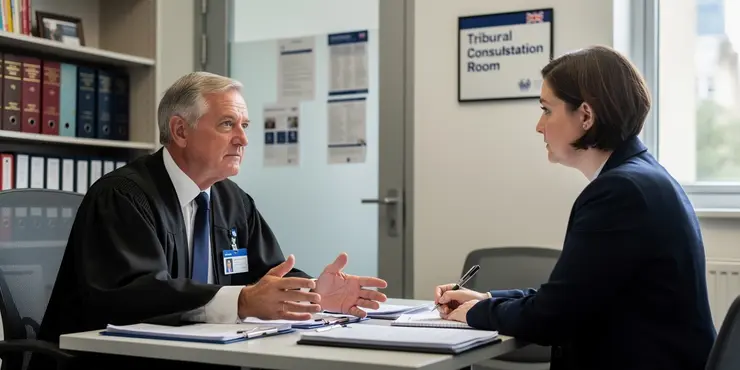
Tribunal judges in the UK play a crucial role in the justice system by overseeing tribunals, which are specialized judicial bodies designed to resolve disputes across a variety of sectors. Unlike traditional court judges, tribunal judges often deal with cases that are more informal and accessible, focusing on specific areas of law such as employment, immigration, social security, or tax. Their primary duty is to ensure fair and just hearings, make impartial decisions, and provide authoritative rulings on matters presented before them.
Responsibilities of a Tribunal Judge
A tribunal judge's responsibilities include interpreting and applying relevant laws to the cases they oversee. They are tasked with reviewing evidence, assessing witness credibility, and making findings based on the presented facts. Tribunal judges must ensure that the tribunal operates according to the principles of natural justice, ensuring that all parties have the opportunity to present their case fairly.
Moreover, tribunal judges are responsible for managing tribunal proceedings. This involves setting hearing dates, maintaining order during hearings, and making procedural rulings as necessary. They often must balance a heavy caseload, ensuring that decisions are reached in a timely manner without compromising the quality of justice.
Specialization and Expertise
Tribunal judges typically have specialized knowledge or experience in the specific area of law their tribunal covers. This expertise allows them to handle complex cases that require in-depth understanding of the subject matter. Many tribunal judges are appointed because of their background and proficiency in fields related to the tribunal's focus, such as law, industry, or public administration.
In many cases, tribunal judges operate as part of a panel that may include lay members with expertise relevant to the case. This collaborative approach can enhance the decision-making process, providing a broader perspective on the matters at hand.
Impact on Access to Justice
Tribunals offer a vital pathway for individuals seeking resolution in disputes that may not require the formality of a court setting. Tribunal judges play a key role in making justice more accessible to the public. By providing a more streamlined and less intimidating venue, tribunal judges facilitate a system where individuals can present their cases without the need for extensive legal representation, thus reducing the cost and complexity involved in seeking justice.
Furthermore, tribunal judges contribute to the overall efficiency of the justice system by handling cases expediently and providing detailed written decisions that clarify the rationale behind their judgments. This clarity helps parties understand the outcome and reduces the likelihood of further legal conflict.
Conclusion
The role of a tribunal judge in the UK is integral to the administration of justice within specialized areas of law. Their function not only ensures fair treatment of all parties involved but also upholds the efficiency and accessibility of the legal system. Through their expertise, tribunal judges provide a vital service that supports the equitable resolution of disputes and enhances public confidence in the judicial process.
Frequently Asked Questions
The primary role of a tribunal judge is to preside over hearings in tribunals, make decisions and rulings on cases, and ensure that proceedings are conducted fairly and in accordance with the law.
Yes, tribunal judges can work in various types of tribunals, covering different areas such as employment, immigration, social security, and administrative disputes.
Tribunal judges typically work in specialized fields and deal with specific types of disputes, whereas court judges handle a broader range of legal cases. Tribunals are usually less formal than courts.
Tribunal judges generally need to have a strong legal background, relevant experience in the field of the tribunal, and often must be legally qualified as solicitors or barristers.
Yes, tribunal judges can make legally binding decisions that parties must comply with, although some decisions can be appealed to a higher court or tribunal.
Many tribunal hearings are open to the public, but some may be held in private due to confidentiality or sensitivity concerns.
A tribunal judge prepares by reviewing case materials, evidence, and legal precedents relevant to the matter being heard.
No, a tribunal judge must remain impartial and cannot provide legal advice to any party involved in the proceedings.
If a party disagrees with a tribunal judge's decision, they may have the option to seek an appeal or review, depending on the type of tribunal and the specific rules governing appeal.
Tribunal judges ensure fair proceedings by maintaining impartiality, allowing both sides to present their case fully, and adhering to procedural rules and regulations.
It depends on the tribunal and the case. Some hearings are conducted by a single judge, while others may involve a panel of judges with different expertise.
Tribunal judges are usually appointed based on their legal qualifications, experience, and often through a competitive selection process managed by a judicial appointments body.
The dress code for tribunal judges varies, but it is generally less formal than in traditional courts, and does not typically require wigs and robes.
Tribunal judges can impose certain sanctions or penalties within the scope of their tribunal's jurisdiction, such as fines, ordering compensations, or enforcing compliance with regulatory standards.
Common cases include disputes related to employment rights, immigration, tax, social security benefits, and other administrative matters.
Tribunal judges often have specialized knowledge or experience in the area their tribunal covers, but they also rely on evidence and expert testimony presented during hearings.
Yes, tribunal judges are typically required to provide detailed written reasons for their decisions to ensure transparency and facilitate any potential appeals.
Tribunal judges have a degree of discretion in decision-making, particularly in interpreting laws and assessing evidence, but they must do so within the bounds of legal guidelines and precedents.
While mediation is generally a voluntary process separate from tribunal hearings, some tribunal judges may facilitate mediation sessions to help parties reach a mutually agreeable resolution before proceeding to a formal hearing.
Tribunal judges may provide input or recommendations on the drafting or revision of tribunal rules, but such rules are typically established by governmental or regulatory bodies that oversee the tribunal system.

Ergsy Search Results
This website offers general information and is not a substitute for professional advice.
Always seek guidance from qualified professionals.
If you have any medical concerns or need urgent help, contact a healthcare professional or emergency services immediately.
Some of this content was generated with AI assistance. We've done our best to keep it accurate, helpful, and human-friendly.
- Ergsy carefully checks the information in the videos we provide here.
- Videos shown by Youtube after a video has completed, have NOT been reviewed by ERGSY.
- To view, click the arrow in centre of video.
- Most of the videos you find here will have subtitles and/or closed captions available.
- You may need to turn these on, and choose your preferred language.
- Go to the video you'd like to watch.
- If closed captions (CC) are available, settings will be visible on the bottom right of the video player.
- To turn on Captions, click settings.
- To turn off Captions, click settings again.