
Get Answers
Understanding Turkey Teeth
Turkey Teeth refers to the trend of receiving dental treatments in Turkey. Many choose Turkey for its affordable and swift dental services. However, these treatments can sometimes lead to complications.
If you're experiencing issues with your Turkey Teeth, it's important to address them promptly. Ignoring dental problems can lead to more severe issues.
Seek Professional Dental Assistance
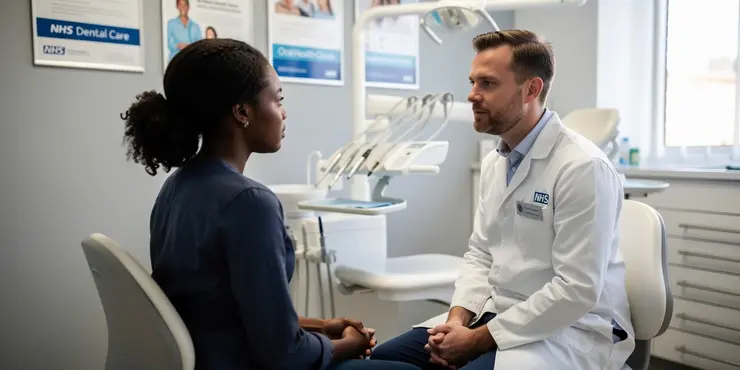
Consult a UK dentist as soon as possible if you encounter discomfort or pain. A professional evaluation can determine the specific issue and necessary treatment.
Bring any documentation from your procedure in Turkey to your appointment. This can help your UK dentist understand what was done and how to best approach your treatment.
Communicate with Your Turkish Provider
Reach out to the dental clinic in Turkey where you received the treatment. Explain your issues and seek their guidance or advice.
Some clinics may offer additional support or guarantees that cover post-treatment adjustments, even if you're back in the UK.
Consider Legal and Financial Aspects
If the problems are severe, you might need to explore legal options. This can include discussing your situation with a solicitor specializing in cross-border healthcare.
Insurance can also play a role. Check if your travel or health insurance covers corrective procedures and related expenses.
Learn from the Experience
While international dental treatments can be tempting, weigh the pros and cons carefully. Research and due diligence are essential before making such decisions in the future.
Share your experience with others who might be considering similar treatments. Your insight can help others make informed choices.
Stay Informed About Dental Health
Regular dental check-ups in the UK are crucial. They ensure that any complications are promptly identified and managed.
Education about dental procedures and their potential risks can empower you to make better healthcare decisions.
Frequently Asked Questions
If your Turkey Teeth feel loose, contact your dental provider immediately for an assessment. Avoid eating hard foods until you receive professional advice.
Mild discomfort is normal, but if you experience severe pain, contact your dentist as it could indicate an issue with the fitting or an infection.
Sensitivity is common after the procedure. Use sensitive toothpaste and avoid hot and cold foods. If sensitivity persists, see your dentist.
Swelling can occur. Rinse with warm salt water and consult with your dentist if it does not improve in a few days.
If your Turkey Teeth change color, consult your dentist to check for any potential issues with the material used or oral hygiene practices.
If your Turkey Teeth chip or break, avoid using them and contact your dental provider for an emergency appointment.
You should be able to eat normally, but avoid hard foods initially. If you experience discomfort while eating, consult your dentist.
Brush twice daily using a soft-bristled toothbrush and fluoride toothpaste. Floss and consider using an antibacterial mouthwash.
Regular dental check-ups are important. Maintain good oral hygiene and follow any specific instructions provided by your dentist.
A bad taste can indicate infection or poor fitting. Contact your dental provider to rule out any issues.
Practice speaking and reading aloud. If difficulties persist, see your dentist for adjustments.
Increased salivation is common initially. It should decrease over time. If it does not, consult your dentist.
Avoid hard, sticky, or stain-causing foods initially. Follow your dentist's guidelines for post-treatment care.
Recovery varies, but most patients adjust within a few weeks. Follow your dentist’s post-care instructions for a smoother recovery.
Avoid whitening products as they may not be suitable for the materials used in Turkey Teeth. Consult your dentist for appropriate options.
Gaps can indicate fitting issues. Schedule an appointment with your dentist to address this concern.
Signs of infection include redness, swelling, pain, and discharge. Contact your dentist immediately if you experience these symptoms.
Ensure consistent oral hygiene. If bad breath persists, consult your dentist to check for possible underlying causes.
Yes, your dentist can assess and consider removing or replacing them if persistent problems occur.
If you're unsure or uncomfortable with the advice given, seeking a second opinion from another dental professional is a good idea.

Ergsy Search Results
This website offers general information and is not a substitute for professional advice.
Always seek guidance from qualified professionals.
If you have any medical concerns or need urgent help, contact a healthcare professional or emergency services immediately.
Some of this content was generated with AI assistance. We've done our best to keep it accurate, helpful, and human-friendly.
- Ergsy carefully checks the information in the videos we provide here.
- Videos shown by Youtube after a video has completed, have NOT been reviewed by ERGSY.
- To view, click the arrow in centre of video.
- Most of the videos you find here will have subtitles and/or closed captions available.
- You may need to turn these on, and choose your preferred language.
- Go to the video you'd like to watch.
- If closed captions (CC) are available, settings will be visible on the bottom right of the video player.
- To turn on Captions, click settings.
- To turn off Captions, click settings again.