
Get Answers
Understanding Postnatal Depression
Postnatal depression is a common condition that affects many new parents in the UK. It is crucial to understand that experiencing postnatal depression is not a sign of weakness or something to feel ashamed about. Rather, it is a significant mental health condition that can be addressed with the right support and treatment.
Recognising the Signs
First, it is essential to recognise the signs of postnatal depression. Symptoms may include persistent sadness, lack of energy, difficulty bonding with your baby, withdrawing from other people, and experiencing frightening thoughts. If you notice these symptoms persist beyond the first couple of weeks postpartum or they become more intense, it may be time to seek help.
Reach Out for Support
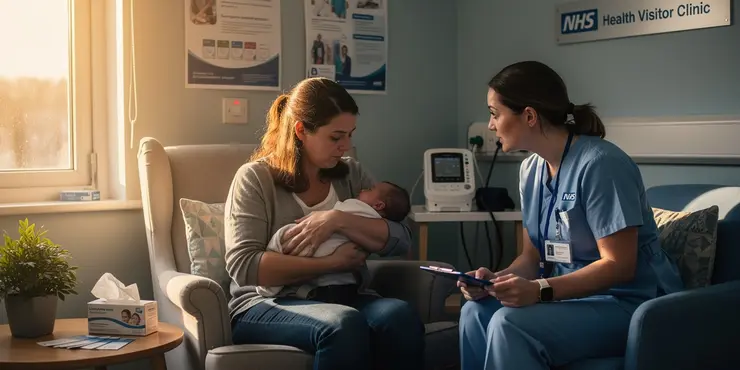
If you suspect you have postnatal depression, contacting your GP is a crucial first step. They can provide an assessment and discuss potential treatments, including counselling, therapy, or medication if necessary. Health visitors can also be a valuable resource as they are trained to support new parents with mental health concerns.
Talk to Loved Ones
Sharing your concerns with a trusted friend, partner, or family member can be immensely beneficial. It is important to communicate your feelings and get emotional and practical support from those around you. They can assist in looking after your baby and help you find time for yourself to rest and recuperate.
Connect with Support Groups
Connecting with other parents who have experienced postnatal depression can be reassuring. Many local and online groups provide a platform to share experiences and coping strategies. Organisations like PANDAS Foundation offer support groups, a helpline, and resources for anyone affected by postnatal depression in the UK.
Prioritise Self-Care
Practicing self-care is vital. Ensure you are eating well, staying hydrated, and resting whenever possible. Engaging in gentle physical activities, such as walking or yoga, can also positively impact your mood. Finding time to relax and participating in enjoyable activities can help improve your well-being.
Consider Professional Therapy
Professional therapy can be an effective treatment for postnatal depression. Cognitive Behavioural Therapy (CBT) is commonly recommended for managing symptoms and developing coping strategies. Your GP can refer you to a therapist, or you may access services through charities and mental health organisations.
Acknowledge Your Progress
Remember, recovery from postnatal depression takes time. It is essential to acknowledge any progress you make, no matter how small. Celebrating these achievements can help maintain a positive outlook and encourage further recovery.
Conclusion
If you suspect you have postnatal depression, reaching out for help is the most important step you can take. With the right support, you can manage your symptoms and move towards recovery. You are not alone; help is available in many forms, from professional medical advice to community support. Prioritising your mental health is vital for both you and your baby’s well-being.
Understanding Postnatal Depression
Postnatal depression means feeling very sad after having a baby. Many new parents in the UK feel this way. It’s important to know that feeling this way is not your fault. It is a serious health problem that can be helped with support and treatment.
Recognising the Signs
Look out for signs of postnatal depression. You might feel very sad all the time, tired, find it hard to love your baby, avoid other people, or have scary thoughts. If these feelings last more than a few weeks or get worse, it’s time to get help.
Reach Out for Support
If you think you have postnatal depression, talk to your doctor. They can help you understand your feelings and talk about ways to feel better, like talking to a therapist or taking medicine. Nurses who visit you and your baby can also offer support and advice.
Talk to Loved Ones
Tell someone you trust about how you feel, like a friend or family member. Sharing your feelings can help. They can also help take care of your baby so you can relax and rest.
Connect with Support Groups
Talking to other parents who have had postnatal depression can make you feel better. There are local and online groups where you can share your feelings and learn from others. The PANDAS Foundation is a group that helps people with postnatal depression in the UK. They have support groups and a helpline.
Prioritise Self-Care
Looking after yourself is important. Eat healthy food, drink plenty of water, and rest when you can. Gentle exercises like walking or yoga can lift your mood. Do things you enjoy to help you feel better.
Consider Professional Therapy
Talking to a therapist can really help with postnatal depression. There is a type of therapy called Cognitive Behavioural Therapy (CBT) that can help you feel better. Your doctor can help you find a therapist, or you can look for help from charities and other groups.
Acknowledge Your Progress
Remember, getting better takes time. Celebrate any little improvements you make. This will help you stay positive and keep moving forward.
Conclusion
If you think you might have postnatal depression, getting help is the best thing to do. With the right support, you can start to feel better. You are not alone, and there are many people and groups who want to help you. Taking care of your mental health is important for you and your baby.
Frequently Asked Questions
If you suspect you have postnatal depression, the first step is to reach out to a healthcare professional, such as your GP or midwife, for a proper assessment and support.
Be open and honest with your doctor about your feelings, symptoms, and any concerns. It's important to give them a full picture to get the right help.
Symptoms can include persistent sadness, lack of energy, difficulty bonding with your baby, changes in appetite or sleep, and feelings of worthlessness or guilt.
A healthcare provider may use questionnaires and conduct interviews to assess your symptoms and determine if you have postnatal depression.
Treatments can include therapy, medication, support groups, and self-care practices. Your healthcare provider can help determine the best course for you.
Yes, postnatal depression can also affect fathers and partners, and they should seek support if experiencing symptoms.
Postnatal depression is common and affects many new parents. It's important to know you are not alone and help is available.
While you can't always prevent it, maintaining a strong support network and managing stress levels can help reduce the risk.
The duration varies, but with treatment, many people start feeling better within a few months. Without treatment, it can last longer.
Many medications are considered safe during breastfeeding, but it is essential to discuss this with your doctor to ensure the best option for you and your baby.
Offer emotional support, help with baby care and household duties, and encourage them to seek professional help.
Baby blues are short-lived feelings of sadness that occur shortly after birth, while postnatal depression is more severe and lasts longer.
Yes, there are many support groups and online communities that offer peer support for those experiencing postnatal depression.
Having postnatal depression once can increase the risk, but it doesn’t guarantee it will happen again. Discuss concerns with your healthcare provider for proactive measures.
Therapy, such as cognitive-behavioral therapy (CBT), can be very effective in treating postnatal depression.
Regular exercise, rest, healthy eating, and connecting with loved ones can support recovery from postnatal depression.
Seek immediate help from a healthcare professional, helpline, or emergency service if you feel overwhelmed or unsafe.
Resources include your healthcare provider, mental health organizations, online articles, and parenting support groups.
Exercise releases endorphins and can improve mood, reduce stress, and boost overall mental well-being.
Deciding who to tell is personal, but sharing with trusted friends or family can provide additional support and understanding.
If you think you might have postnatal depression, the first thing to do is talk to a doctor or a midwife. They can check how you are feeling and help you get the support you need.
Talk to your doctor. Tell them how you feel, what hurts, and anything you are worried about. It's important they know everything so they can help you best.
Signs you might notice:
- Feeling sad for a long time
- Always feeling tired
- Finding it hard to feel close to your baby
- Eating too much or not enough
- Sleeping too much or not enough
- Feeling like you are not good enough or feeling guilty
If you feel this way, talk to someone you trust. You can also use tools like writing in a diary, using apps that help with feelings, or talking to a doctor or therapist for support.
Your doctor or healthcare worker might ask you questions about how you feel. They do this to see if you might have postnatal depression.
Treatment can help you feel better. This can include talking to a therapist, taking medicine, joining a support group, and taking care of yourself. Your doctor can help you find the best way to feel better.
Yes, dads and partners can feel sad after a baby is born too. They should ask for help if they feel this way.
Many new parents feel sad after having a baby. This is called postnatal depression. Lots of people feel this way, so you are not alone. There is help for you.
You can't always stop it, but having good friends and family around you and keeping calm can help make it less likely.
How long it takes can change. With help, many people feel better in a few months. Without help, it can take more time to feel better.
Some medicines are safe to take when breastfeeding. But it's important to talk to your doctor. They can help you choose the best medicine for you and your baby.
Be there for them with love and support. Help take care of the baby and do chores in the house. Tell them it’s okay to ask a doctor or someone who knows how to help.
Baby blues are feelings of sadness that happen soon after a baby is born. They usually don’t last very long. Postnatal depression is when these sad feelings are stronger and last a lot longer.
Yes, there are groups and online places where you can talk to others. They can help if you feel sad after having a baby.
If you had postnatal depression before, you might get it again, but not always. Talk to your doctor or nurse about your worries. They can help you feel better.
Talking therapy, like a special kind called CBT, can really help new mums who feel very sad after having a baby.
Doing exercise, getting enough sleep, eating good food, and spending time with family and friends can help you feel better after having a baby.
If you feel really upset or not safe, talk to a doctor, call a help phone number, or contact emergency services right away.
You can get help from your doctor, groups that help with feelings, things you read online, and groups for parents to talk to each other and get help.
When you exercise, your body makes something called endorphins. Endorphins help you feel happy. Exercise can also make you feel less worried and more calm. It's good for your mind and makes you feel better overall.
Choosing who to tell is a personal choice. But telling a trusted friend or family member can give you extra support and comfort.

Ergsy Search Results
This website offers general information and is not a substitute for professional advice.
Always seek guidance from qualified professionals.
If you have any medical concerns or need urgent help, contact a healthcare professional or emergency services immediately.
Some of this content was generated with AI assistance. We've done our best to keep it accurate, helpful, and human-friendly.
- Ergsy carefully checks the information in the videos we provide here.
- Videos shown by Youtube after a video has completed, have NOT been reviewed by ERGSY.
- To view, click the arrow in centre of video.
- Most of the videos you find here will have subtitles and/or closed captions available.
- You may need to turn these on, and choose your preferred language.
- Go to the video you'd like to watch.
- If closed captions (CC) are available, settings will be visible on the bottom right of the video player.
- To turn on Captions, click settings.
- To turn off Captions, click settings again.