
Get Answers
Introduction to Chiropractic Care
Visiting a chiropractor for the first time can be an intriguing experience, especially if you’re seeking relief from back pain, neck discomfort, or other musculoskeletal issues. In the UK, chiropractic care is a regulated healthcare profession that focuses on diagnosing, treating, and preventing mechanical disorders of the musculoskeletal system. Understanding what to expect during your first chiropractic visit can help alleviate any apprehensions and prepare you for the appointment.
Initial Consultation
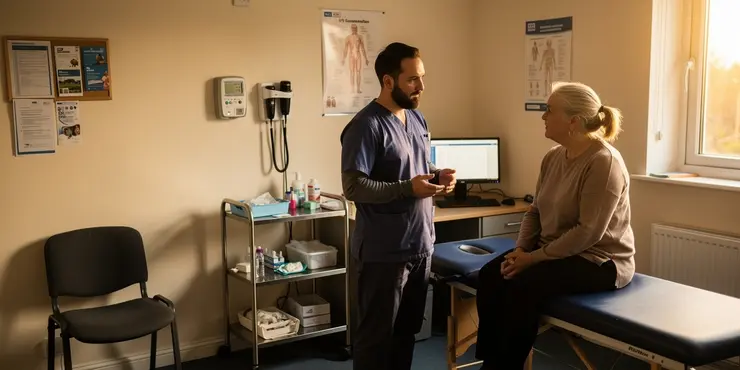
Your first chiropractic appointment typically begins with an initial consultation. The chiropractor will take time to understand your health history, current symptoms, lifestyle, and any specific health concerns. You may need to provide information about past injuries, surgeries, and existing medical conditions. The aim of this consultation is to help the chiropractor build a comprehensive picture of your overall health and how it relates to your current complaint.
Physical Examination
After the consultation, the chiropractor will perform a thorough physical examination. This typically involves assessing your posture, spinal alignment, and mobility. The chiropractor may ask you to perform specific movements or exercises to better understand your range of motion and pinpoint areas of discomfort. In some cases, neurological and orthopedic tests may be carried out to evaluate nerve, muscle, and bone function.
Diagnosis and Treatment Plan
Once the examination is complete, the chiropractor will provide a diagnosis and discuss a suitable treatment plan with you. The treatment plan is tailored to your specific needs and might include spinal adjustments, soft tissue manipulation, and advice on exercises and lifestyle changes. The chiropractor will explain the techniques they propose to use, and you will have the opportunity to ask questions and discuss any concerns you might have about the treatment.
The Chiropractic Adjustment
If a spinal adjustment is deemed appropriate, your chiropractor will apply a precise, controlled force to specific joints, often using their hands or a small instrument. The purpose of this adjustment is to improve spinal motion and enhance physical function. Some patients report instant relief after an adjustment, while for others, several sessions may be necessary to achieve the desired outcomes. It’s common to feel slight soreness or fatigue following an adjustment, similar to how you might feel after exercise.
Follow-Up and Self-Care
Your chiropractor may schedule follow-up appointments to monitor your progress and make necessary adjustments to your treatment plan. Additionally, they may provide guidance on physical activities, ergonomic improvements, and exercises that you can perform at home to aid recovery and prevent future issues. This holistic approach not only addresses immediate symptoms but also promotes long-term health and wellbeing.
Conclusion
Your first visit to a chiropractor is an essential step in addressing your musculoskeletal health concerns. Understanding the process—from consultation to treatment—can help set realistic expectations and alleviate any anxiety you may have. The collaborative nature of chiropractic care emphasises patient education and empowerment, paving the way for informed health choices and improved quality of life.
What is Chiropractic Care?
Going to a chiropractor can help with back or neck pain. Chiropractors in the UK are trained to help with this kind of pain. They look at how your body moves and find out what might be wrong. Knowing what will happen at your first visit can help you feel calm and ready.
Your First Visit
At your first visit, the chiropractor will talk to you. They will ask about your health and any pain you have. You might need to tell them about any past injuries or surgeries. This helps them understand how to help you best.
Checking Your Body
The chiropractor will look at how your body moves. They will check your posture and how your spine looks. You might need to do some simple moves so they can see where it hurts. Sometimes, they do special tests to check your nerves and muscles.
What Happens Next?
After checking you, the chiropractor will tell you what they found. They will make a plan to help you feel better. This plan might include exercises, changes in how you move, and more. You can ask questions if you are unsure about anything.
Spinal Adjustment
If needed, the chiropractor will make gentle moves to your spine. They do this to help it move better. Some people feel better right away, but others might need more visits. You might feel a bit sore, like after exercising.
After Your Visit
You might have more visits to see how you are doing. The chiropractor can give you tips on exercises and how to move safely. This helps you get better and stay healthy.
Final Thoughts
Your first visit to a chiropractor is a big step for feeling better. Knowing what to expect can help you feel less worried. Chiropractors want to help you learn and make good choices for your health.
Frequently Asked Questions
During a first chiropractic visit expectations appointment, you can expect a discussion of your health history, your current symptoms, a physical assessment, and possibly some movement or posture checks. The chiropractor will usually explain findings and discuss whether care is appropriate for you.
For a first chiropractic visit expectations appointment, bring a list of your symptoms, medications, prior imaging if you have it, and any relevant medical records. Comfortable clothing can also help make the exam easier.
A first chiropractic visit expectations appointment often takes longer than follow-up visits, commonly around 30 to 60 minutes. The exact length depends on the clinic, your condition, and how detailed the evaluation needs to be.
A first chiropractic visit expectations appointment may include an adjustment, but not always. In some cases, the chiropractor will first complete an assessment and explain the treatment plan before providing any hands-on care.
A first chiropractic visit expectations appointment is usually not painful. Some parts of the exam may cause mild discomfort if your symptoms are sensitive, but the chiropractor should work within your comfort level and explain each step.
During a first chiropractic visit expectations appointment, you may be asked about your pain location, when it started, what makes it better or worse, your medical history, past injuries, and your daily activities. These questions help the chiropractor understand your condition.
A first chiropractic visit expectations appointment may include posture checks, range-of-motion testing, muscle or joint evaluation, and sometimes neurological or orthopedic tests. The chiropractor uses these findings to determine the best approach to care.
A first chiropractic visit expectations appointment does not always require imaging. The chiropractor may recommend X-rays or other imaging only if your history or exam suggests it is necessary.
For a first chiropractic visit expectations appointment, wear loose, comfortable clothing that allows easy movement. Athletic wear or everyday clothes that are easy to adjust are often best for the examination.
To prepare for a first chiropractic visit expectations appointment, make a list of your symptoms, note when they started, gather relevant records, and think about your goals for care. Arriving a few minutes early can also help with paperwork.
Yes, many providers will discuss a treatment plan after a first chiropractic visit expectations appointment. The plan may include suggested visit frequency, home exercises, lifestyle advice, or referral options if needed.
Children can usually attend a first chiropractic visit expectations appointment if the clinic allows it and a parent or guardian is present when required. If the visit is for a child, the chiropractor will tailor the exam and explanations to age and needs.
Yes, you should ask questions during a first chiropractic visit expectations appointment. It is a good time to ask about the diagnosis, recommended care, expected results, risks, and what you can do at home.
If you are nervous about a first chiropractic visit expectations appointment, tell the chiropractor at the start. They can explain each step, answer your concerns, and move at a pace that helps you feel more comfortable.
In a first chiropractic visit expectations appointment, the chiropractor may discuss back pain, neck pain, headaches, joint stiffness, posture issues, or discomfort related to movement. They will use your symptoms and exam findings to determine whether chiropractic care may help.
Yes, many clinics discuss insurance or payment details during a first chiropractic visit expectations appointment. It is helpful to confirm coverage, copays, and any required referrals before or at the start of your visit.
In many cases, you can continue normal activities after a first chiropractic visit expectations appointment, though you may be given specific advice based on your condition. If an adjustment or exam leaves you sore, the chiropractor may recommend rest, hydration, or modified activity.
After a first chiropractic visit expectations appointment, you should expect a clearer understanding of your condition, an exam summary, and next-step recommendations. Immediate symptom relief may happen for some people, but others improve gradually over time.
After a first chiropractic visit expectations appointment, you should seek urgent medical care if you develop severe pain, weakness, numbness, trouble walking, loss of bladder or bowel control, or other serious symptoms. These signs need prompt evaluation.
A first chiropractic visit expectations appointment may be right for you if you have pain, stiffness, or movement-related concerns and want a conservative evaluation. If you have serious symptoms or major medical conditions, it is best to consult a medical professional to determine the safest next step.

Ergsy Search Results
This website offers general information and is not a substitute for professional advice.
Always seek guidance from qualified professionals.
If you have any medical concerns or need urgent help, contact a healthcare professional or emergency services immediately.
Some of this content was generated with AI assistance. We've done our best to keep it accurate, helpful, and human-friendly.
- Ergsy carefully checks the information in the videos we provide here.
- Videos shown by Youtube after a video has completed, have NOT been reviewed by ERGSY.
- To view, click the arrow in centre of video.
- Most of the videos you find here will have subtitles and/or closed captions available.
- You may need to turn these on, and choose your preferred language.
- Go to the video you'd like to watch.
- If closed captions (CC) are available, settings will be visible on the bottom right of the video player.
- To turn on Captions, click settings.
- To turn off Captions, click settings again.