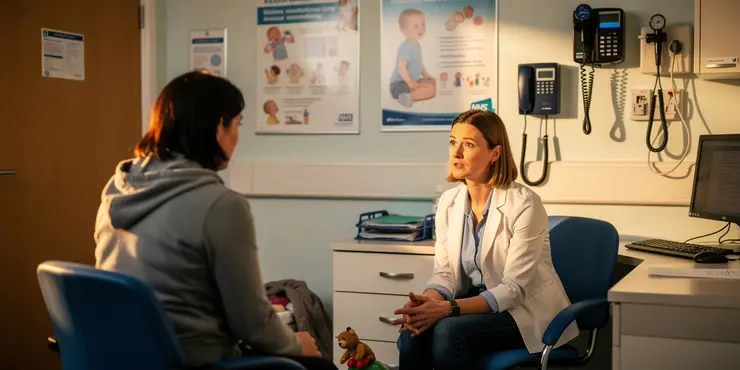

Speak To An Expert
Get clear, personalised advice for your situation.
Jot down a few questions to make the most of your conversation.
What Should You Do If You Suspect You Have Measles?
Recognize the Symptoms
If you suspect you have measles, it is essential to first recognize the symptoms, which typically begin 10 to 14 days after exposure to the virus. Measles symptoms include a high fever, cough, runny nose, inflamed eyes (conjunctivitis), and a distinctive red, spotty rash. The rash usually starts on the face and spreads downward over the body. Koplik's spots, small white spots with bluish-white centers inside the mouth, may also present themselves before the rash develops. Recognizing and understanding these symptoms can be crucial for prompt medical advice and treatment.
Seek Medical Advice
Upon recognizing symptoms suggestive of measles, it is imperative to seek medical advice immediately. Contact your General Practitioner (GP) and inform them of your symptoms, especially since measles is highly contagious. When booking an appointment, it's advisable to notify the medical staff in advance to prevent possible exposure to others, especially in communal areas, and to allow the GP to make necessary arrangements to safely evaluate your condition. Avoid visiting the GP or hospital unannounced, as this poses a risk of spreading the virus.
Stay Isolated
If measles is suspected, isolation is a crucial step to mitigate the spread of the virus. The isolation period should last at least four days after the appearance of the rash. During this time, refrain from attending work, school, or daycare settings to minimize exposure to vulnerable populations such as young children, elderly individuals, or those with compromised immune systems. This helps protect others while you receive the proper care.
Inform Close Contacts
Inform anyone you have been in close contact with since the onset of symptoms, as they might need to seek medical advice themselves or monitor for symptoms. Close contacts who are not immunised or have a weak immune system may be susceptible to contracting measles and should consider receiving the MMR vaccine if they have not already done so. The vaccine can still offer protection if administered within 72 hours of exposure.
Follow Medical Guidance
Finally, follow the advice of healthcare professionals. They may recommend resting, staying hydrated, and taking over-the-counter medications to relieve symptoms, such as fever and cough. In some cases, vitamin A supplements may be suggested, particularly for young children, to mitigate the severity of the infection. The advice of your healthcare provider is paramount in managing the illness effectively and ensuring that you recover safely.
What Should You Do If You Think You Have Measles?
Know the Signs
If you think you have measles, it’s important to know what signs to look for. Measles signs show up about 10 to 14 days after you catch the virus. You might have a high fever, a cough, a runny nose, sore eyes, and a red, spotty rash. The rash starts on your face and then moves down your body. You may also see little white spots inside your mouth. If you know these signs, you can get help from a doctor quickly.
Talk to a Doctor
If you see signs of measles, talk to a doctor right away. Call your doctor’s office and tell them your symptoms. Tell them before you go, so they can keep other people safe. Measles spreads easily, so you must be careful not to pass it on to others. Do not go to the doctor or hospital without telling them first.
Stay at Home
If you might have measles, stay at home to stop the virus from spreading. Stay at home for at least four days after you get the rash. Do not go to work, school, or anywhere with lots of people. This keeps everyone, like kids or older people, safe until you are better and can get the right care.
Tell People You Have Seen
Tell anyone you have been close to since you noticed the measles signs. They might need to see a doctor or watch for symptoms. If they haven’t had the measles shot or have a weak immune system, they should talk to a doctor about getting the shot soon. The shot can still help if given within 72 hours after being near someone with measles.
Listen to Your Doctor
Follow the doctor’s advice to get better. They might tell you to rest, drink lots of fluids, and take medicine for a fever or cough. Sometimes, they may suggest vitamin A for kids to help fight the infection. Listening to your doctor helps you feel better and keeps you safe.
Frequently Asked Questions
The initial symptoms of measles include fever, cough, runny nose, and red, watery eyes. These symptoms are often followed by a red rash that starts on the face and spreads to the rest of the body.
If you suspect you have measles, it is important to stay at home and avoid contact with others. Contact your GP or NHS 111 for advice, rather than visiting the surgery, to prevent spreading the infection.
Measles is diagnosed through a combination of symptoms and a blood test that can confirm the presence of the virus.
There is no specific antiviral treatment for measles. Management involves relieving symptoms with rest, hydration, and over-the-counter medications for fever and pain.
Seek immediate medical attention if you or your child experience complications such as difficulty breathing, persistent high fever, or signs of dehydration.
Stay isolated from others, cover your mouth and nose when coughing or sneezing, and avoid sharing personal items. Follow your doctor's advice on quarantine measures.
Complications can include ear infections, pneumonia, diarrhoea, and in severe cases, encephalitis (inflammation of the brain).
Measles is highly contagious and can spread to others via respiratory droplets from an infected person's coughs or sneezes.
The incubation period for measles is typically 10 to 12 days from exposure to the appearance of the first symptoms.
Yes, the MMR (measles, mumps, and rubella) vaccine is highly effective at preventing measles. It is routinely offered to children as part of the NHS vaccination schedule.
Yes, adults who have not been vaccinated or have no history of measles infection can receive the MMR vaccine. Speak to your GP about your vaccination status.
Yes, measles can cause complications during pregnancy, including miscarriage, premature birth, or giving birth to a low birth weight baby. Pregnant women should avoid exposure to measles.
Measles symptoms usually last 7 to 10 days, but complications can prolong the illness.
If you've been exposed and haven't been vaccinated or had measles before, contact your GP to discuss the need for post-exposure vaccination or immunoglobulin therapy.
While measles can potentially be eradicated through widespread vaccination, outbreaks can still occur due to unvaccinated populations. Maintaining high vaccination coverage is essential.
When someone first gets measles, they might feel hot, start coughing, have a runny nose, and their eyes might look red and wet.
After these signs, a red rash can appear. It usually starts on the face and then moves to other parts of the body.
To help understand these signs better, you could use pictures or videos. Also, talking with someone you trust, like a doctor or family member, can help.
If you think you have measles, it's important to stay at home. Try not to be around other people. Call your doctor or NHS 111 for help. Do not go to the doctor's office to stop the illness from spreading.
Doctors check for measles by looking at how you feel and giving you a blood test. The blood test shows if you have the virus.
There is no special medicine to cure measles. To feel better, you can rest, drink lots of water, and take medicine from the store for fever and pain.
If you or your child have trouble breathing, have a high fever that won't go away, or are very thirsty and not drinking, you should see a doctor straight away.
Stay away from other people. Cover your mouth and nose when you cough or sneeze. Don't share things like cups or towels. Listen to your doctor about staying home.
Sometimes, people can get other illnesses like ear infections, lung infections, or bad tummy problems. In very serious cases, it can make the brain swell up.
Measles can spread very easily. You can catch it if a person who is sick coughs or sneezes near you. The germs travel through the air.
When you catch measles, it takes about 10 to 12 days before you start to feel sick. This time is called the incubation period.
Yes, the MMR vaccine helps stop measles. This shot also protects against mumps and rubella. Children usually get it when they go to the doctor or clinic.
Yes, grown-ups who haven't had the measles shot or the illness can get the MMR shot. Talk to your doctor about whether you've had the vaccines or not.
Yes, measles can cause problems when a woman is pregnant. It can make her lose the baby, have the baby too early, or have a baby that is too small. Pregnant women should stay away from measles.
Measles makes you sick for 7 to 10 days. But sometimes, problems can make you sick for longer.
If you have been around someone with measles and haven't had the measles shot or the illness before, talk to your doctor. They can help you with a vaccine or special treatment to keep you safe.
We can stop measles if everyone gets a shot. But sometimes, people still get sick because some don't get the shot. It's important for lots of people to get the shot to keep everyone safe.

Ergsy Search Results
This website offers general information and is not a substitute for professional advice.
Always seek guidance from qualified professionals.
If you have any medical concerns or need urgent help, contact a healthcare professional or emergency services immediately.
Some of this content was generated with AI assistance. We've done our best to keep it accurate, helpful, and human-friendly.
- Ergsy carefully checks the information in the videos we provide here.
- Videos shown by Youtube after a video has completed, have NOT been reviewed by ERGSY.
- To view, click the arrow in centre of video.
- Most of the videos you find here will have subtitles and/or closed captions available.
- You may need to turn these on, and choose your preferred language.
- Go to the video you'd like to watch.
- If closed captions (CC) are available, settings will be visible on the bottom right of the video player.
- To turn on Captions, click settings.
- To turn off Captions, click settings again.