
Get Answers
Helping with daily personal care
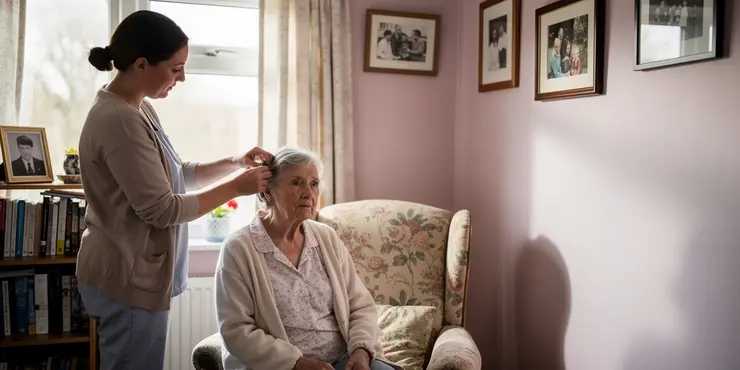
Live-in caregivers provide practical support with everyday personal care tasks. This can include helping someone wash, dress, brush their hair, shave, and manage toileting needs in a respectful and dignified way.
They may also assist with mobility, such as helping a person get in and out of bed, move around the home, or use walking aids safely. For people who need more support, they can help with continence care and skin care to reduce discomfort and health risks.
Preparing meals and supporting nutrition
A live-in caregiver often helps with meal planning, shopping, and preparing food. They can make sure meals are suitable for a person’s tastes, dietary needs, and any medical conditions such as diabetes or swallowing difficulties.
They may also encourage regular eating and drinking throughout the day. This is especially important for older adults or people recovering from illness, who may need reminders or help to stay well hydrated and maintain a healthy appetite.
Providing medication and health support
Live-in caregivers frequently assist with medication prompts and routines. They may remind the person to take tablets on time, help follow dosage instructions, and keep track of when repeat prescriptions are needed.
While they do not replace healthcare professionals, they can help spot changes in health or behaviour. If they notice signs of pain, confusion, deterioration, or side effects, they can raise concerns with family members or medical staff.
Offering companionship and emotional support
One of the key roles of a live-in caregiver is to provide companionship. They are there not only to complete practical tasks, but also to offer conversation, reassurance, and a friendly daily presence.
This support can reduce loneliness and help a person feel more secure at home. Many caregivers also help with hobbies, reading, light activities, or accompanying the person on short outings to keep life enjoyable and familiar.
Keeping the home safe and organised
Live-in caregivers usually help with light household tasks too. This can include tidying, laundry, changing bed linen, doing dishes, and keeping commonly used areas clean and safe.
They may also help reduce fall risks by keeping walkways clear, checking that lights are working, and making sure items are within easy reach. A safe, well-organised home can make daily life much easier for someone with limited mobility or memory problems.
Supporting routines and family peace of mind
Many live-in caregivers help maintain a stable daily routine, which is especially useful for people living with dementia, disability, or recovery after hospital discharge. A familiar routine can make the person feel calmer and more confident.
They also provide reassurance to families, who may not be able to be present all the time. Knowing someone is there overnight and throughout the day can offer peace of mind and help loved ones balance care with work and family life.
Frequently Asked Questions
Live-in caregiver tasks in a home setting typically include assisting with personal care, meal preparation, medication reminders, light housekeeping, mobility support, companionship, and monitoring the care recipient's safety and daily routine.
Common personal care live-in caregiver tasks include bathing, grooming, dressing, toileting assistance, oral hygiene support, and helping with transfers or repositioning as needed.
Meal-related live-in caregiver tasks usually include planning simple meals, preparing food, serving meals, helping with feeding if needed, monitoring hydration, and following dietary restrictions or preferences.
Medication-related live-in caregiver tasks often include reminders, tracking schedules, and observing whether doses are taken as prescribed. In many cases, caregivers are not allowed to administer medication unless they are specifically trained and authorized.
Typical housekeeping live-in caregiver tasks include laundry, changing bed linens, tidying living areas, washing dishes, organizing supplies, and keeping the care environment clean and safe.
Mobility support live-in caregiver tasks may include helping the person walk, supporting transfers between bed and chair, using mobility aids, and reducing fall risks during movement around the home.
Companionship live-in caregiver tasks include conversation, social engagement, reading aloud, playing games, accompanying the person to appointments or activities, and helping reduce loneliness and isolation.
Safety monitoring live-in caregiver tasks include watching for falls, checking for hazards, ensuring doors and appliances are secure, observing changes in condition, and responding quickly in emergencies.
Overnight live-in caregiver tasks may include assisting with bathroom needs, repositioning, providing reassurance, monitoring for distress, and responding to calls for help during the night.
The boundaries of live-in caregiver tasks depend on the care plan, employer agreement, and local regulations. Tasks may exclude medical procedures, heavy lifting, or duties outside the caregiver's training unless specifically authorized.
Live-in caregiver tasks often involve ongoing presence in the home and support throughout the day and night, while hourly caregiver tasks are limited to scheduled shifts and specific time blocks.
Emergency response live-in caregiver tasks include recognizing urgent symptoms, calling emergency services when needed, following the care plan, notifying family or supervisors, and providing basic assistance until help arrives.
Important communication live-in caregiver tasks with family members include reporting changes in condition, discussing daily routines, updating concerns, sharing completed tasks, and coordinating schedules or care needs.
Documentation live-in caregiver tasks may include recording meals, medication reminders, sleep patterns, symptoms, incidents, and completed care activities according to the employer's or agency's procedures.
Hygiene-related live-in caregiver tasks help maintain a healthy home by supporting bathing, cleaning frequently touched areas, managing laundry, disposing of waste properly, and keeping personal care items sanitary.
Emotional support live-in caregiver tasks can improve well-being by offering encouragement, listening patiently, reducing anxiety, maintaining routines, and promoting a sense of dignity and independence.
Transportation-related live-in caregiver tasks may include accompanying the person to appointments, helping them enter and exit vehicles, and ensuring they have essentials for trips, if driving or travel assistance is part of the arrangement.
Meal safety live-in caregiver tasks should include checking food freshness, preventing cross-contamination, following diet instructions, ensuring proper cooking temperatures, and monitoring for swallowing difficulties if applicable.
Nighttime routine live-in caregiver tasks commonly include preparing the person for bed, assisting with toileting, setting out water or necessities, ensuring comfort, and making the sleeping area safe and accessible.
Live-in caregiver tasks should be prioritized based on the care recipient's immediate needs, safety concerns, medical instructions, scheduled routines, and any urgent changes in condition, with the care plan guiding daily decisions.

Ergsy Search Results
This website offers general information and is not a substitute for professional advice.
Always seek guidance from qualified professionals.
If you have any medical concerns or need urgent help, contact a healthcare professional or emergency services immediately.
Some of this content was generated with AI assistance. We've done our best to keep it accurate, helpful, and human-friendly.
- Ergsy carefully checks the information in the videos we provide here.
- Videos shown by Youtube after a video has completed, have NOT been reviewed by ERGSY.
- To view, click the arrow in centre of video.
- Most of the videos you find here will have subtitles and/or closed captions available.
- You may need to turn these on, and choose your preferred language.
- Go to the video you'd like to watch.
- If closed captions (CC) are available, settings will be visible on the bottom right of the video player.
- To turn on Captions, click settings.
- To turn off Captions, click settings again.