
Get Answers
Introduction to Vegetarian Meal Planning
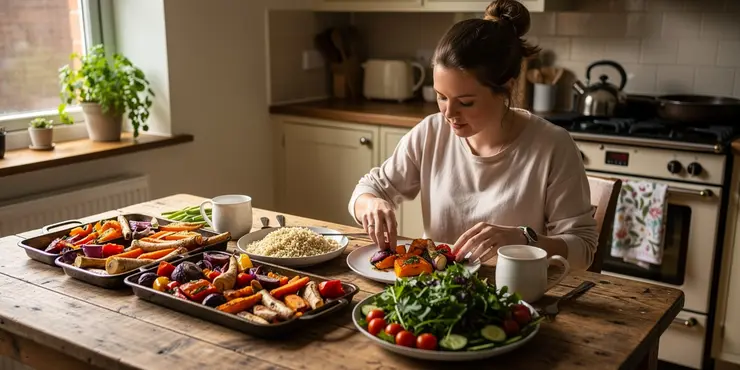
Creating a well-balanced vegetarian meal plan is essential for maintaining good health. It involves understanding the nutritional needs specific to a plant-based diet.
While avoiding meat, it's crucial to ensure you're receiving adequate vitamins, minerals, and other nutrients from varied sources.
Key Nutrients to Consider
An important consideration is protein intake. Vegetarians can obtain protein from beans, lentils, tofu, and quinoa.
Iron and vitamin B12 are also critical, as they're typically associated with animal products. Consuming fortified foods and supplements can help meet these needs.
Calcium, commonly found in dairy, is essential for bone health. Plant-based sources include green leafy vegetables, almonds, and fortified plant milks.
Breakfast Ideas
A well-rounded breakfast can set the tone for the day. Consider oatmeal topped with fruits and nuts or whole grain toast with avocado.
Smoothies are another great option, packed with spinach, berries, and a scoop of protein powder.
For those who enjoy a heartier breakfast, scrambled tofu with vegetables offers a protein-rich start.
Lunch Options
Lunch should be satisfying to sustain energy levels. A chickpea salad with mixed greens and a lemon-tahini dressing is both delicious and nutritious.
A vegetable-stuffed wrap or sandwich can be quick to prepare and eat on the go. Use spreads like hummus for added flavour and protein.
Soups made with lentils or a variety of vegetables can offer warmth and comfort while delivering essential nutrients.
Dinner Inspirations
Dinner is an opportunity to enjoy a more substantial meal. Consider a stir-fry with tofu or tempeh, colourful vegetables, and brown rice.
Curries made with chickpeas or lentils and served with quinoa are hearty and flavourful. They're also easy to batch cook for convenience.
Pasta dishes using whole grain spaghetti, enriched with spinach and nuts, can offer a balanced blend of carbs and protein.
Snacks and Supplements
Healthy snacks can help keep hunger at bay between meals. Nuts, seeds, and fruit are nutrient-rich and easy to carry.
Energy bars and trail mixes can also provide a quick pick-me-up. It's beneficial to choose snacks that complement your daily nutritional needs.
If you find it hard to meet certain nutrient requirements through diet alone, consider appropriate supplements after consulting a healthcare provider.
Frequently Asked Questions
A well-balanced vegetarian meal plan includes a variety of foods to meet nutritional needs, focusing on fruits, vegetables, whole grains, legumes, nuts, and seeds.
Key nutrients include protein, iron, calcium, vitamin D, vitamin B12, omega-3 fatty acids, and zinc.
Protein needs can be met through foods such as beans, lentils, tofu, tempeh, nuts, seeds, and whole grains.
Good sources of iron include lentils, chickpeas, beans, tofu, quinoa, fortified cereals, and spinach.
Vegetarians can get vitamin B12 from fortified foods like plant-based milks, breakfast cereals, and nutritional yeast, or through supplements.
Calcium sources include fortified plant milks, tofu, almonds, sesame seeds, tahini, and leafy green vegetables like kale.
Omega-3s can be obtained from flaxseeds, chia seeds, walnuts, hemp seeds, and algae-based supplements.
Legumes are an essential protein and nutrient source, providing fiber, iron, and other important minerals.
Whole grains provide fiber, complex carbohydrates, and essential nutrients like B vitamins, iron, and magnesium.
Vegetarians can get vitamin D from fortified foods, responsible sun exposure, and supplements if necessary.
A balanced vegetarian breakfast could include oatmeal with nuts and fruit, whole-grain toast with avocado, or a smoothie with spinach and protein powder.
Vegetarian lunch ideas include quinoa salad with chickpeas, whole grain wraps with hummus and vegetables, or a lentil soup.
A satisfying vegetarian dinner might be a stir-fry with tofu, brown rice, and mixed vegetables, or a hearty bean chili.
Yes, vegetarian diets can support athletic performance if they provide sufficient calories and nutrients for energy and recovery.
Planning ahead by researching vegetarian-friendly restaurants, packing snacks, and communicating dietary needs helps manage a vegetarian diet while traveling.
It is not necessary to combine proteins at every meal as long as a variety of protein sources are consumed throughout the day.
Iron absorption can be boosted by consuming vitamin C-rich foods such as citrus fruits or bell peppers alongside iron-rich meals.
A good protein-rich snack could be a handful of nuts, a piece of fruit with almond butter, or hummus with vegetable sticks.
Yes, there are several apps for vegetarian meal planning, such as Forks Over Knives, Yummly, and Mealime.
Buy in bulk, plan meals around seasonal produce, use affordable staples like rice and beans, and reduce food waste by using leftovers creatively.

Ergsy Search Results
This website offers general information and is not a substitute for professional advice.
Always seek guidance from qualified professionals.
If you have any medical concerns or need urgent help, contact a healthcare professional or emergency services immediately.
Some of this content was generated with AI assistance. We've done our best to keep it accurate, helpful, and human-friendly.
- Ergsy carefully checks the information in the videos we provide here.
- Videos shown by Youtube after a video has completed, have NOT been reviewed by ERGSY.
- To view, click the arrow in centre of video.
- Most of the videos you find here will have subtitles and/or closed captions available.
- You may need to turn these on, and choose your preferred language.
- Go to the video you'd like to watch.
- If closed captions (CC) are available, settings will be visible on the bottom right of the video player.
- To turn on Captions, click settings.
- To turn off Captions, click settings again.