
Find Help
More Items From Ergsy search
-
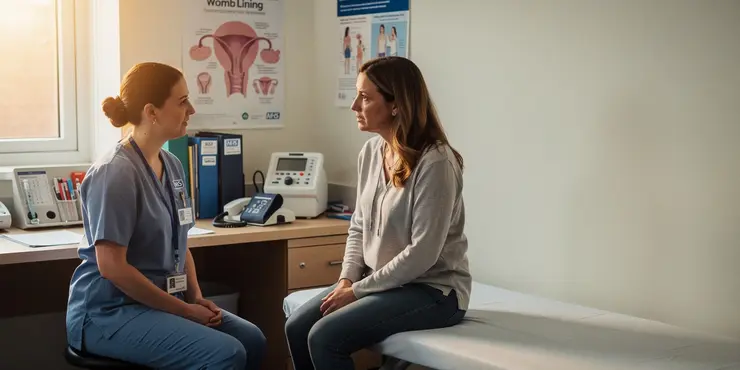
What is the womb lining test?
Relevance: 100%
-

Why is a womb lining test performed?
Relevance: 98%
-

Is a womb lining test painful?
Relevance: 98%
-
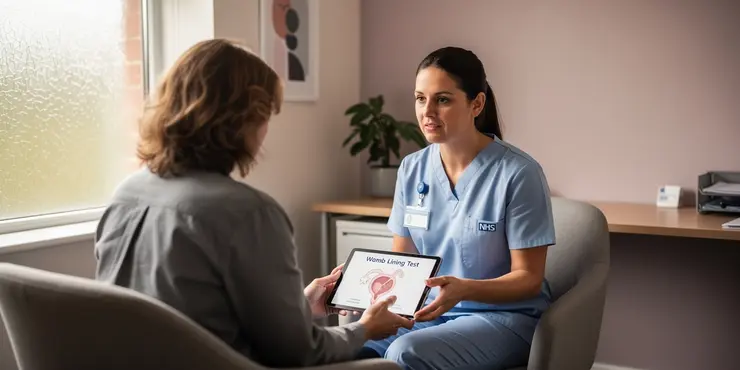
Is the womb lining test covered by the NHS?
Relevance: 98%
-
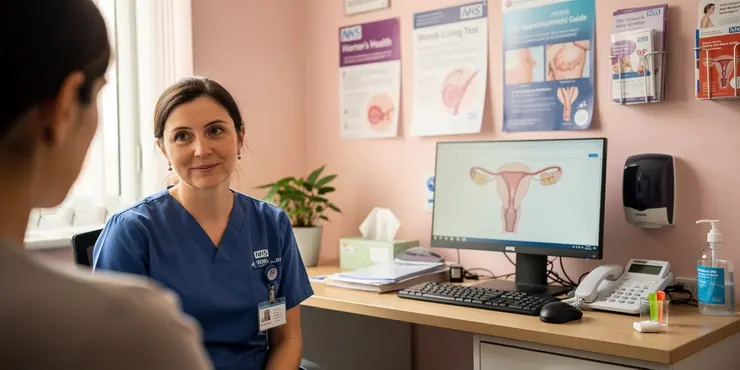
Is the womb lining test covered by the NHS?
Relevance: 97%
-
What is the Womb Lining test?
Relevance: 96%
-
How is a womb lining test conducted?
Relevance: 96%
-

Can a womb lining test detect cancer?
Relevance: 95%
-

Why might someone need a womb lining test?
Relevance: 94%
-
Can a womb lining test detect cancer?
Relevance: 94%

-
Is the womb lining test painful?
Relevance: 93%
-
Are there any risks associated with the womb lining test?
Relevance: 93%
-

Are there risks associated with a womb lining test?
Relevance: 92%
-
How is the womb lining test performed?
Relevance: 90%
-
What happens after a womb lining test?
Relevance: 88%
-
Can I drive after the womb lining test?
Relevance: 86%
-

How long does it take to get results from a womb lining test?
Relevance: 86%
-
Is there any follow-up required after a womb lining test?
Relevance: 86%
-
How long does it take to get results from a womb lining test?
Relevance: 84%
-

Does the womb lining test require any special preparation?
Relevance: 83%
-
How should I prepare for a womb lining test?
Relevance: 83%
-

What does an evaporation line mean on a pregnancy test?
Relevance: 51%
-

How does a pregnancy test work?
Relevance: 36%
-

Are digital pregnancy tests more accurate than non-digital tests?
Relevance: 35%
-

What is a lot line adjustment?
Relevance: 34%
-

What should I do if I get unclear results on a pregnancy test?
Relevance: 34%
-

What is a pregnancy test?
Relevance: 33%
-

When should I take a pregnancy test?
Relevance: 31%
-
What can cause a false positive pregnancy test?
Relevance: 30%
-

Can a pregnancy test expire?
Relevance: 29%
-

How long should I wait to read the results of a pregnancy test?
Relevance: 28%
-

Can a pregnancy test detect a miscarriage?
Relevance: 27%
-

What if my pregnancy test is positive?
Relevance: 27%
-

Do all pregnancy tests detect the same levels of hCG?
Relevance: 27%
-

How soon can a pregnancy test detect pregnancy?
Relevance: 26%
-

Can drinking a lot of water affect pregnancy test results?
Relevance: 25%
-

What are the different types of pregnancy tests?
Relevance: 24%
-

How do I use a vision chart for self-testing?
Relevance: 24%
-
What is a stool DNA test?
Relevance: 24%
-
Booked in for your smear test (cervical screening) and not sure what to expect?
Relevance: 23%
Understanding the Womb Lining Test
The Womb Lining test, commonly known as the Endometrial Biopsy, is an essential medical procedure aimed at evaluating the health and condition of the endometrium, which is the lining of the uterus. This test is of significant importance for women experiencing abnormal menstrual cycles, unexplained infertility, or signs that may suggest possible underlying uterine conditions.
Reasons for the Womb Lining Test
There are several health indicators that might prompt a healthcare provider to recommend a Womb Lining test. Women who face irregular bleeding, either heavy or prolonged, post-menopausal bleeding, or those experiencing unexplained infertility often undergo this test. In the UK, this test might also be considered as a diagnostic step when assessing the risks or presence of endometrial cancer or hyperplasia. By sampling the tissue, medical professionals are able to detect abnormalities such as polyps, fibroids, or potential hormonal imbalances.
The Procedure
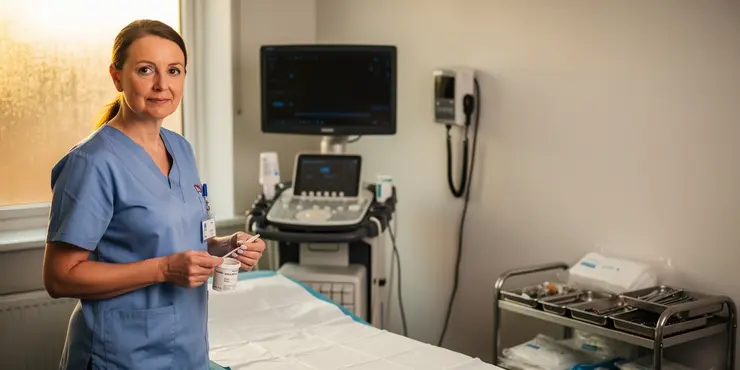
The procedure is typically conducted in a doctor's office and takes around 10 to 15 minutes. It involves a small sample of tissue being taken from the uterine lining using a thin tube inserted into the uterus through the cervix. Many women report mild discomfort similar to menstrual cramps during and shortly after the procedure. The sample is then sent to a laboratory for analysis, where it is checked for abnormalities.
Post-Test Care and Results
After the test, some women may experience mild cramping or spotting for a short period. It is advisable to rest and avoid vigorous activities immediately afterwards. The results from the biopsy usually take a few days to a week. Once the results are available, a follow-up appointment with your healthcare provider is recommended to discuss the findings and any necessary treatments or interventions.
Conclusion
The Womb Lining test is a crucial diagnostic tool that aids in timely identification and management of uterine health issues. For women in the UK, understanding when and why this test might be necessary is vital in taking proactive steps towards maintaining reproductive health. Patients are always encouraged to discuss any concerns or questions with their healthcare provider prior to the procedure.
What is the Womb Lining Test?
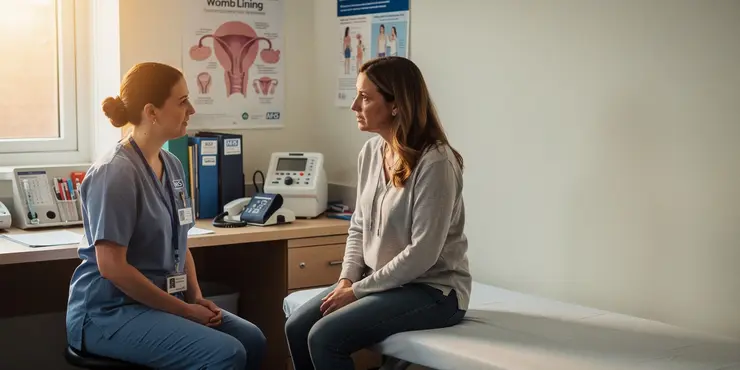
The womb lining test, often referred to as an endometrial biopsy, is a medical procedure utilized to examine the inner lining of the uterus, known as the endometrium. This test helps in diagnosing various conditions related to fertility issues, abnormal uterine bleeding, or detecting cancerous cells.
Why is the Womb Lining Test Conducted?
In the United Kingdom, the womb lining test is commonly conducted for several reasons. For women experiencing difficulties conceiving, the test helps determine if the endometrium is developing appropriately during the menstrual cycle, which is vital for successful implantation of an embryo. For those encountering abnormal uterine bleeding, this test can help identify the underlying causes, such as hormonal imbalances, fibroids, or polyps. Furthermore, the test plays a crucial role in ruling out or confirming the presence of endometrial cancer, ensuring timely and appropriate treatment.
How is the Womb Lining Test Performed?
The procedure is typically performed in a clinical setting by a gynecologist. A thin, flexible tube is inserted through the cervix to collect a small sample of the uterine lining. While the procedure may cause some discomfort or cramping, it is generally quick, lasting about 10 to 15 minutes. Patients in the UK find it reassuring to learn that the test poses minimal risks, with complications being rare.
What to Expect After the Test?
Following the womb lining test, it is normal to experience some light bleeding and cramping. Over-the-counter pain relief medications are usually sufficient to alleviate any discomfort. It is advisable for patients to rest after the procedure and avoid strenuous activities. Results are typically available within a few weeks, allowing healthcare providers to discuss findings and potential treatment options promptly.
Conclusion
In summary, the womb lining test is a valuable diagnostic tool in the UK healthcare system. It aids in addressing fertility issues, diagnosing the causes of abnormal bleeding, and detecting precancerous or cancerous changes in the endometrium. For women encountering such concerns, consulting with a healthcare provider about the necessity and implications of the womb lining test is an important step towards ensuring reproductive health and overall well-being.
Understanding the Womb Lining Test
The Womb Lining Test is also called the Endometrial Biopsy. It is a medical test to check the health of the womb lining, also known as the endometrium. This test is important for women who have strange periods, can't get pregnant, or may have other womb problems.
Reasons for the Womb Lining Test
Doctors may recommend a Womb Lining Test for a few reasons. Women with unusual bleeding, like very heavy bleeding or bleeding after menopause, might need this test. Women who cannot become pregnant might also have this test. In the UK, doctors use this test to check for womb health issues. These can include endometrial cancer or too much thickening of the womb lining. It also helps find things like polyps, fibroids, or hormone problems.
The Procedure
This test usually happens in a doctor's office. It takes about 10 to 15 minutes. Doctors take a small piece of tissue from the womb lining. They do this with a thin tube that goes in through the cervix. Some women feel a bit of discomfort, like period pain, during and after the test. The tissue is then sent to a lab to check for problems.
Post-Test Care and Results
After the test, some women may have mild pain or a little bleeding for a short time. It is good to rest and not do any hard activities right after. The test results usually take a few days to a week. Once the results are ready, the doctor will talk to you about them. They will also tell you if any treatment is needed.
Conclusion
The Womb Lining Test is important for finding out about health problems in the womb. In the UK, it is good for women to know when and why to have this test. This helps with keeping healthy. Always talk to your doctor if you have questions or worry before the test. They are there to help you.
Frequently Asked Questions
What is a womb lining test?
A womb lining test, also known as an endometrial biopsy, is a medical procedure where a small sample of tissue is taken from the lining of the uterus (endometrium) for examination.
Why is a womb lining test performed?
The test is typically performed to investigate abnormal uterine bleeding, to check the lining's response to hormonal therapy, or to diagnose conditions like endometrial cancer or polyps.
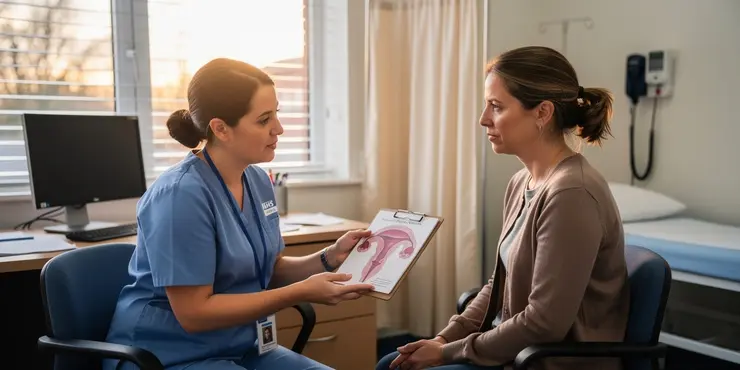
How is a womb lining test conducted?
A speculum is inserted into the vagina, and a thin tube is used to gently remove a small sample of the uterine lining. It's usually done in a doctor’s office and takes only a few minutes.
Is a womb lining test painful?
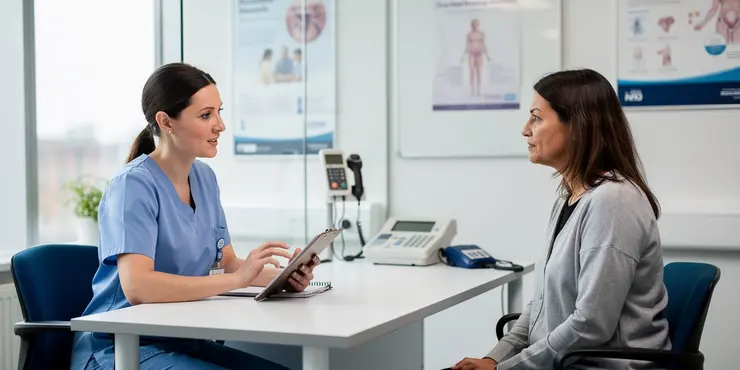
Most women experience mild to moderate discomfort during the procedure, similar to period cramps. Taking over-the-counter pain relief beforehand can help manage the discomfort.
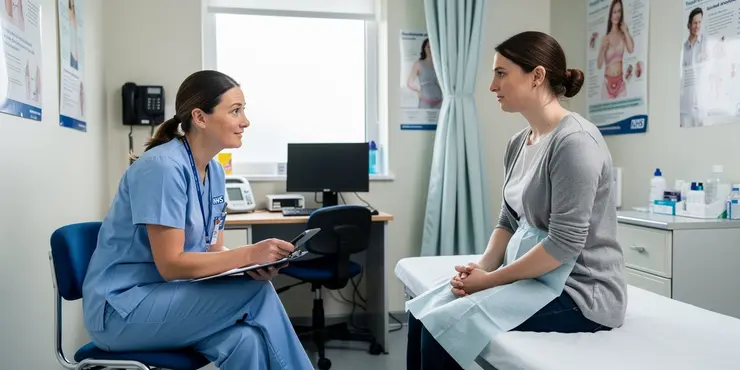
What happens after a womb lining test?
You may experience some cramping and light bleeding after the procedure, which usually goes away within a day or two. You should avoid using tampons and refrain from sexual intercourse for a short period as advised by your doctor.
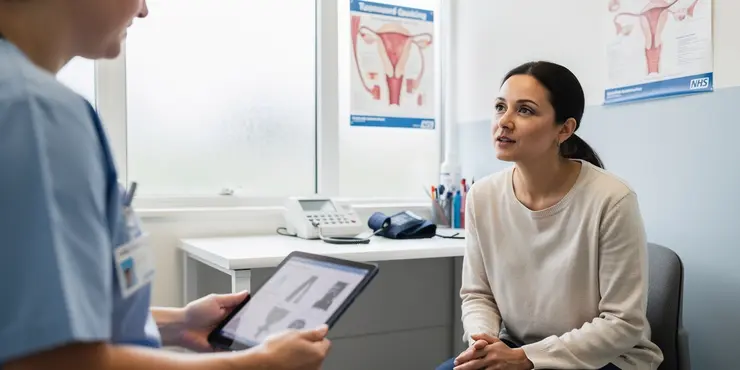
How should I prepare for a womb lining test?
Your doctor might advise you to avoid using vaginal creams or douches before the test. You should also provide information about your menstrual cycle to help schedule the procedure.
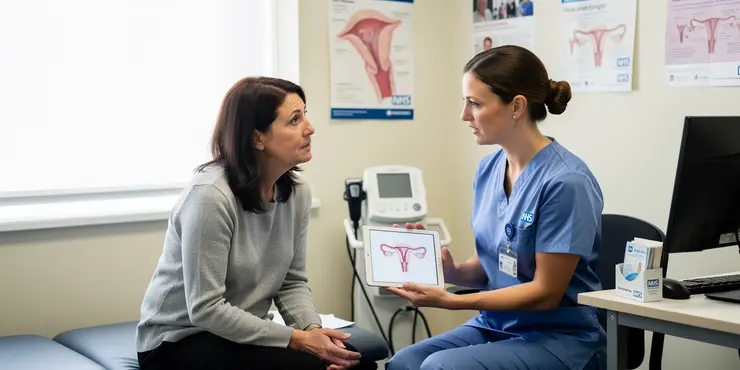
Are there risks associated with a womb lining test?
The risks are minimal but may include infection, bleeding, or perforation of the uterus. It's important to contact your doctor if you experience heavy bleeding, fever, or severe pain following the procedure.
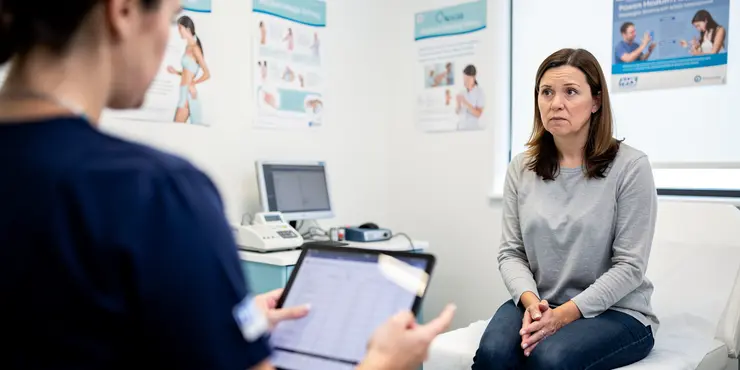
How long does it take to get results from a womb lining test?
Results are typically available within a week, but this can vary depending on the facility and the specific analyses required.
Can a womb lining test detect cancer?
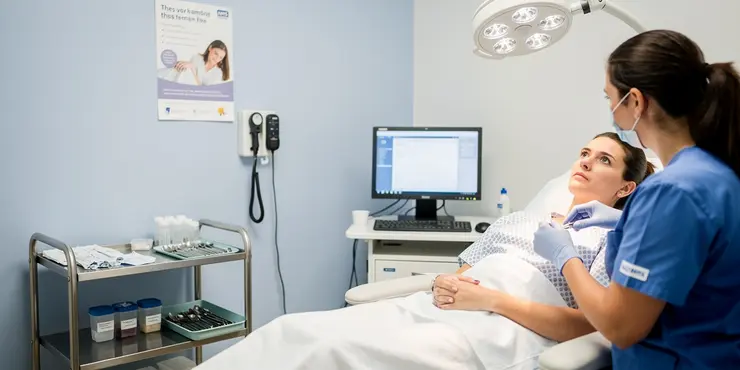
Yes, an endometrial biopsy can detect abnormal cells, including cancerous and precancerous changes in the uterine lining.
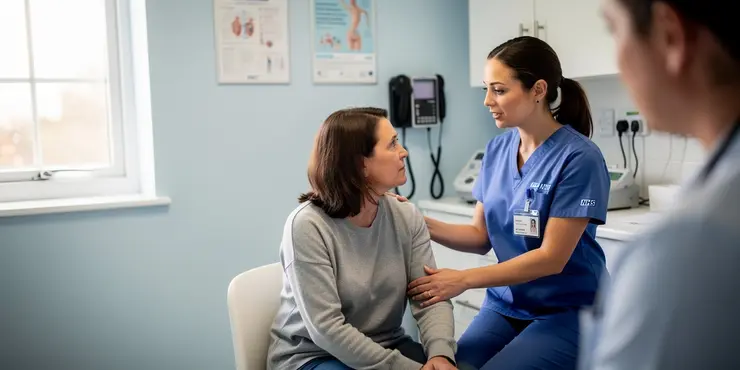
Is there any follow-up required after a womb lining test?
Follow-up may be necessary depending on the results. Your doctor will discuss what further tests or treatments might be needed.
Can the test be performed during my menstrual period?
It's generally recommended to avoid having the test during your period. Your doctor will guide you on the best timing based on your menstrual cycle.
Will I need someone to accompany me for the test?
While it's not necessary, having someone with you can be supportive, especially if you feel anxious or nervous about the procedure.
Can I drive after the womb lining test?
Yes, you can usually drive and resume normal activities after the procedure unless advised otherwise by your doctor.
Is the womb lining test covered by the NHS?
Yes, the test is usually covered by the NHS if it is deemed medically necessary. Private options are also available.
Who should I contact for more information about the test?
You should contact your GP or gynecologist for detailed information and to discuss whether this test is appropriate for you.
What is the womb lining test?
The womb lining test, also known as an endometrial biopsy, is a procedure to remove a small sample of tissue from the lining of the uterus (endometrium) for examination.
Why might someone need a womb lining test?
The test is often used to investigate abnormal uterine bleeding, to assess the lining of the uterus in cases of infertility, or to check for signs of endometrial cancer.
How is the womb lining test performed?
The test typically involves inserting a thin tube through the cervix into the uterus to remove a small piece of tissue. It is usually a quick outpatient procedure.
Does the womb lining test require any special preparation?
In most cases, no extensive preparation is needed, but your doctor may advise avoiding certain medications or using pain relief before the procedure.
Is the womb lining test painful?
Some women experience discomfort or cramping during the procedure, but it is generally brief. Your doctor may recommend pain relief to help manage any discomfort.
How long does it take to get results from a womb lining test?
Results are typically available within a week or two after the sample has been sent to a lab for analysis.
Are there any risks associated with the womb lining test?
The procedure is generally safe, but there may be a small risk of infection, bleeding, or injury to the uterus. Your doctor will discuss any potential risks with you.
Can a womb lining test detect cancer?
Yes, the test can help detect abnormal cells that might indicate endometrial cancer. It can also identify other issues with the endometrium.
Will the test affect my menstrual cycle?
The procedure can sometimes cause slight changes to your menstrual cycle, but significant disruptions are uncommon.
Is the womb lining test covered by the NHS?
Yes, the test is typically available through the NHS if it is deemed necessary by a healthcare provider.
What should I do if I experience severe pain or bleeding after the test?
Contact your healthcare provider immediately if you experience severe pain, heavy bleeding, or signs of infection following the test.
Can I go back to work after a womb lining test?
Most women can resume normal activities, including work, soon after the test; however, it's advised to rest if you experience discomfort.
How can I manage discomfort after the test?
Mild pain relievers and a warm compress can help alleviate discomfort following the procedure.
When should I follow up with my doctor after the test?
Your doctor will advise you on when to schedule a follow-up appointment to discuss the results and any necessary next steps.
Can a womb lining test be part of fertility treatment?
Yes, the test may be used to evaluate the uterine lining for fertility treatments to ensure the endometrium is receptive for embryo implantation.
What is a womb lining test?
A womb lining test is a medical check-up.
Doctors look inside a woman's womb.
The womb is where a baby grows.
The doctor checks if the lining inside the womb is healthy.
They take a small piece from inside the womb.
Support
If you need help, you can:
- Ask a nurse to explain it to you.
- Bring a friend or family member to help.
- Use pictures to understand better.
A womb lining test is something the doctor does to check the inside of your womb. It's also called an endometrial biopsy. The doctor takes a tiny piece from the inside part of your womb. Then, they look at it to make sure everything is okay.
Tips to help understand:
- Ask your doctor questions if you're not sure about something.
- Take someone with you to help remember what the doctor says.
- Use pictures and diagrams to understand better.
Why do doctors look at the womb lining?
Doctors check the inside of the womb to make sure it is healthy. This helps them find out why someone might have problems, like having trouble getting pregnant or feeling pain.
Doctors use special tools to look inside the womb. If you have questions or feel scared, tell the doctor or nurse. They can help you feel better.
The doctor does this test to find out why bleeding is unusual. They also check how the lining reacts to hormone treatment. This test helps find problems like cancer or growths called polyps.
How is a womb lining test done?
A womb lining test checks the inside of a woman's uterus. A doctor or nurse uses a small tool. It gently takes a tiny piece of tissue from the womb. This helps check for problems.
Tools like pictures or videos can help explain the process. A support person, like a family member or friend, can come with you.
The doctor will use a tool called a speculum to gently open the vagina. Then, they use a small tube to take a little piece from the inside of the womb. This usually happens at the doctor’s office and only takes a few minutes.
If you're worried or scared, you can try taking deep breaths to help you feel calm. You can also ask a friend or family member to come with you for support.
Does a womb lining test hurt?
Most women feel some pain during the procedure. It feels like period cramps. Taking pain medicine before can help you feel better.
What happens after a womb lining test?
After the doctor checks the inside of your womb, they will tell you what they found. The doctor will talk to you and explain if everything looks okay or if there are any problems.
If you don’t understand something, it’s okay to ask questions. The doctor is there to help you.
You can bring a friend or family member with you for support. They can help you remember what the doctor says.
If you feel worried, you can write down your questions to ask the doctor. This can help you feel ready for the appointment.
After the procedure, you might feel some cramps and see a little bleeding. This should stop in a day or two. Don't use tampons and avoid having sex for a little while. Your doctor will tell you when it's okay to start again.
How do I get ready for a womb lining test?
Your doctor might tell you not to use creams or douches in your vagina before the test. You should also tell them about your period to help pick the best time for the test.
Is a womb lining test safe?
A womb lining test checks inside a woman's tummy where a baby grows. Are there any dangers?
Here are some things to know:
- A doctor or nurse does the test. They are very careful.
- Some people might feel a little pain or discomfort. Like a small pinch.
- If you feel very worried, you can talk to the doctor first.
Tools to help:
- Bring a friend or family member for support.
- Ask questions if you don't understand something.
It's always okay to ask for help!
The risks are small, but some things might happen. You could get an infection, bleed a bit, or there could be a small tear in the belly. It's important to tell your doctor if you bleed a lot, have a fever, or feel a lot of pain after the procedure.
How long until I know the test results for my womb lining?
You might have a test to check the inside of your womb. This is called a womb lining test.
Waiting for test results can take time. It usually takes about a week.
Sometimes, it can be quicker or slower.
If you find it hard to wait, you can:
- Ask someone to help remind you when the results are coming.
- Set a reminder in your phone or write it on a calendar.
- Talk to a family member or friend to keep you company.
You'll usually get results in about a week. But sometimes it might take longer. It depends on where the test is done and what needs to be checked.
Can a test find cancer in the womb lining?
Doctors can use a special test to check the womb lining. The womb is where a baby grows. The test looks at the lining to see if there are any bad cells, like cancer.
The test can show if there are changes that might mean cancer is there or could happen.
It is important to visit a doctor if you have any problems or worries. The doctor can explain the test and help decide if it's right for you.
To help understand more, you can:
- Ask a doctor or nurse to explain the test in simple words.
- Use pictures to see what the womb and test look like.
- Bring a friend or family member to help you understand.
Yes, an endometrial biopsy can find problem cells. This includes cells that could be cancer or might turn into cancer in the lining of the uterus.
Do I need to do anything after having a womb lining test?
You might need more check-ups based on the results. Your doctor will talk with you about any other tests or treatments you might need.
Can I do the test when I have my period?
It is not a good idea to have the test during your period. Your doctor will tell you the best time to do the test based on your monthly cycle.
Do I need someone to go with me for the test?
It is a good idea to have someone with you when you go for the test. This person can help you feel calm and safe.
You can ask a family member or a friend to go with you. They can also help you understand what happens during the test.
If you feel nervous or scared, tell the person going with you. They can help you feel better.
Using pictures or simple words can help understand what will happen. You can also ask the doctor or nurse to explain things slowly.
It's okay to bring someone with you. They can help you feel better if you are scared or worried about the appointment.
Can I drive after the womb lining test?
If you had a test to check your womb lining, you might wonder if you can drive.
Ask someone to help you go home after the test. It is safer not to drive straight after.
Rest at home. You can drive the next day if you feel okay.
Talking to your doctor or nurse can help. They will tell you more about what you can do after the test.
Yes, you can usually drive and do your normal things after the treatment. But if your doctor tells you not to, you should listen to them.
Can you get a womb lining test with the NHS?
Yes, the NHS usually pays for the test if a doctor thinks you need it. You can also pay for it yourself if you want.
Who do I ask for more help about the test?
If you need more help with the test, you can talk to someone who knows a lot about it.
Here are some ideas of who you can ask:
- A teacher or instructor
- A school counselor
- The person who gave you the test
Using these tools might help you:
- Ask a friend or family member to help you read it.
- Use a voice-to-text app to read the information out loud.
- Look for videos about the test if you like watching and listening.
Talk to your doctor or the doctor who takes care of women’s health. They can give you more information and help you decide if this test is right for you.

Useful Links
This website offers general information and is not a substitute for professional advice.
Always seek guidance from qualified professionals.
If you have any medical concerns or need urgent help, contact a healthcare professional or emergency services immediately.
Some of this content was generated with AI assistance. We’ve done our best to keep it accurate, helpful, and human-friendly.
- Ergsy carfully checks the information in the videos we provide here.
- Videos shown by Youtube after a video has completed, have NOT been reviewed by ERGSY.
- To view, click the arrow in centre of video.
- Most of the videos you find here will have subtitles and/or closed captions available.
- You may need to turn these on, and choose your preferred language.
- Go to the video you'd like to watch.
- If closed captions (CC) are available, settings will be visible on the bottom right of the video player.
- To turn on Captions, click settings .
- To turn off Captions, click settings again.
More Items From Ergsy search
-
What is the womb lining test?
Relevance: 100%
-
Why is a womb lining test performed?
Relevance: 98%
-
Is a womb lining test painful?
Relevance: 98%
-
Is the womb lining test covered by the NHS?
Relevance: 98%
-
Is the womb lining test covered by the NHS?
Relevance: 97%
-
What is the Womb Lining test?
Relevance: 96%
-
How is a womb lining test conducted?
Relevance: 96%
-
Can a womb lining test detect cancer?
Relevance: 95%
-
Why might someone need a womb lining test?
Relevance: 94%
-
Can a womb lining test detect cancer?
Relevance: 94%
-
Is the womb lining test painful?
Relevance: 93%
-
Are there any risks associated with the womb lining test?
Relevance: 93%
-
Are there risks associated with a womb lining test?
Relevance: 92%
-
How is the womb lining test performed?
Relevance: 90%
-
What happens after a womb lining test?
Relevance: 88%
-
Can I drive after the womb lining test?
Relevance: 86%
-
How long does it take to get results from a womb lining test?
Relevance: 86%
-
Is there any follow-up required after a womb lining test?
Relevance: 86%
-
How long does it take to get results from a womb lining test?
Relevance: 84%
-
Does the womb lining test require any special preparation?
Relevance: 83%
-
How should I prepare for a womb lining test?
Relevance: 83%
-
What does an evaporation line mean on a pregnancy test?
Relevance: 51%
-
How does a pregnancy test work?
Relevance: 36%
-
Are digital pregnancy tests more accurate than non-digital tests?
Relevance: 35%
-
What is a lot line adjustment?
Relevance: 34%
-
What should I do if I get unclear results on a pregnancy test?
Relevance: 34%
-
What is a pregnancy test?
Relevance: 33%
-
When should I take a pregnancy test?
Relevance: 31%
-
What can cause a false positive pregnancy test?
Relevance: 30%
-
Can a pregnancy test expire?
Relevance: 29%
-
How long should I wait to read the results of a pregnancy test?
Relevance: 28%
-
Can a pregnancy test detect a miscarriage?
Relevance: 27%
-
What if my pregnancy test is positive?
Relevance: 27%
-
Do all pregnancy tests detect the same levels of hCG?
Relevance: 27%
-
How soon can a pregnancy test detect pregnancy?
Relevance: 26%
-
Can drinking a lot of water affect pregnancy test results?
Relevance: 25%
-
What are the different types of pregnancy tests?
Relevance: 24%
-
How do I use a vision chart for self-testing?
Relevance: 24%
-
What is a stool DNA test?
Relevance: 24%
-
Booked in for your smear test (cervical screening) and not sure what to expect?
Relevance: 23%