
Get Answers
When is the Best Time to Get the Flu Jab?
Getting vaccinated against the flu is a crucial step in protecting yourself and others from the influenza virus, especially during the flu season. For residents of the United Kingdom, understanding the optimal time to receive the flu jab can maximize its effectiveness and help mitigate the spread of the virus within the community.
The Optimal Time for Vaccination
The best time to get the flu jab in the UK is typically in the autumn, before the flu season fully kicks in. The flu season generally runs from December to March, but it can sometimes start earlier or last longer. Therefore, receiving your vaccination in September or October is recommended. This timing ensures that you build up immunity before the virus becomes widespread.
Building Immunity
After receiving the flu jab, it takes about two weeks for your body to develop the necessary antibodies to protect against the influenza virus. By getting vaccinated early in the autumn, you allow ample time for your immune system to respond effectively. This is particularly important as it prepares your body to fight the virus as soon as the flu season begins.
Target Groups for Early Vaccination
Certain groups are at a higher risk of flu-related complications and should prioritize getting vaccinated early in the season. These groups include older adults aged 65 and over, pregnant women, individuals with underlying health conditions, healthcare workers, and young children between six months and five years of age. For these populations, receiving the flu jab early can help prevent serious health repercussions.
Availability and Access
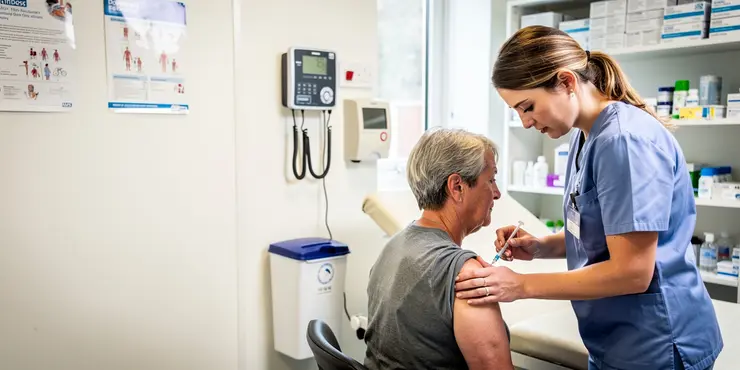
The NHS typically starts offering the flu jab from September onwards each year. You can access the vaccine through your GP surgery, community pharmacies, and sometimes through your workplace if they provide occupational health services. Since flu vaccines need to be updated annually to protect against the most current virus strains, it's essential to get vaccinated every year.
Delays and Other Considerations
If you miss the opportunity to get vaccinated in September or October, it's still beneficial to get the flu jab later in the season. As long as flu viruses are circulating, it's never too late to benefit from the vaccine. Even in December or January, getting vaccinated can still offer protection for the remainder of the flu season.
Conclusion
In summary, the optimal time to receive the flu jab in the UK is during the autumn, ideally in September or October. This timing ensures that you and those around you are protected before the peak of the flu season. By prioritizing early vaccination, particularly for those in high-risk groups, we can collectively reduce the impact of flu viruses on public health.
When is the Best Time to Get the Flu Jab?
Getting the flu jab is important. It helps protect you and others from the flu. This is especially important during flu season. If you live in the UK, it's good to know when to get the flu jab so it works best.
Best Time for a Flu Jab
The best time to get your flu jab in the UK is in the autumn. This is before the flu season starts. Flu season usually happens from December to March. But sometimes, it can start earlier or go on for longer. It's good to get the flu jab in September or October. This way, your body has time to get ready before the flu spreads a lot.
How the Flu Jab Works
After you get the flu jab, your body needs about two weeks to get strong against the flu virus. By getting the jab early in autumn, your body is ready to fight the flu when the season begins. This makes sure you are protected in time.
Who Should Get the Jab Early?
Some people should get the flu jab early because they can get very sick from the flu. These people include: - Older adults aged 65 and over - Pregnant women - People with health problems - Healthcare workers - Young children aged six months to five years
Where to Get the Flu Jab
The NHS offers the flu jab from September each year. You can get it at your doctor's office, local pharmacies, and sometimes at work. The flu jab changes every year to fight new virus strains, so it's important to get it every year.
What if You Miss the Best Time?
If you miss getting the flu jab in September or October, you should still get one later. As long as flu is around, getting the jab is helpful. Even if it's December or January, the flu jab can still protect you.
Conclusion
In short, to get the best protection, get the flu jab in the UK during autumn, in September or October. This helps you and people around you stay safe before flu season peaks. Getting vaccinated early, especially for those at risk, helps keep everyone healthier.
Frequently Asked Questions
The best time to get the flu jab is in the autumn, ideally before the flu season starts, around October or November.
Yes, you can get the flu jab at any time during the flu season, but it's best to get it early for maximum protection.
The flu jab usually takes about two weeks to become fully effective.
It's not too late to get the flu jab in December, as flu season can last until the spring.
Early vaccination is recommended to ensure you are protected before the flu starts spreading widely in the community.
You should get the flu jab every year as the flu virus strains often change.
Yes, pregnant women can receive the flu jab at any stage of their pregnancy.
You should still get the flu jab even if it's past the ideal time, as it can still offer protection for the remainder of the flu season.
Yes, children older than 6 months should get the flu jab every year.
There isn't a specific month that's too late, but earlier in the season is better to gain protection before the peak of flu season.
The best timing is influenced by the flu season's start, individual health conditions, and public health recommendations.
Yes, the flu jab can still offer protection if you get it in January, as flu activity can continue into the spring.
The flu jab needs to be given annually due to changing flu virus strains and the waning of immunity from past vaccinations.
Yes, you can receive the flu jab alongside other vaccines, but it's best to consult with your healthcare provider.
Getting the flu jab before flu season starts helps ensure you have protection when exposure is most likely, maximizing effectiveness.
It's recommended to get the flu jab by the end of October to ensure you are protected before flu activity begins to increase.
Yes, it is safe and recommended to get the flu jab during the COVID-19 pandemic to help reduce the overall burden of respiratory illnesses.
You may need to wait if you're currently ill with a fever or have had a severe allergic reaction to a previous flu vaccine, but consult your doctor for advice.
Populations prioritized for early flu vaccination include healthcare workers, pregnant women, elderly individuals, and those with certain chronic health conditions.
Yes, getting the flu jab early can reduce the severity of flu symptoms if you contract the virus.
The best time to get the flu shot is in the fall. It is good to get it before flu season starts, around October or November.
You can get the flu shot anytime during flu season. But getting it early gives you the best protection.
The flu jab works best after about two weeks.
You can still get the flu shot in December because the flu season can last until spring.
Getting your flu shot early is a good idea. It helps keep you safe before lots of people start getting the flu.
You should get a flu shot every year because the flu bug changes a lot.
Yes, women who are going to have a baby can get the flu shot at any time while they are pregnant.
You should still get the flu shot even if it's a bit late. It can still help keep you safe from the flu for the rest of the season.
Yes, children older than 6 months should get the flu shot every year.
There is no month that is too late to get your flu shot. But, it is better to get it early. This way, you are protected before lots of people start getting sick with the flu.
The best time to get your flu shot depends on a few things: when flu season starts, your health, and advice from health experts.
Yes, you can still get the flu shot in January. It can help keep you safe because the flu can last until spring.
We need to get the flu jab every year. This is because the flu virus changes, and our body's protection from past jabs gets weaker over time.
You can get the flu shot with other vaccines. But it’s a good idea to talk to your doctor or nurse first.
Getting the flu shot before flu season starts helps keep you safe. It works best if you have it early.
It’s a good idea to get the flu shot before the end of October. This way, you are safe before the flu starts spreading more.
Yes, it is safe to get a flu shot. It is a good idea to have it during the COVID-19 pandemic. The flu shot helps stop people from getting sick with breathing problems.
If you feel sick with a fever right now or had a bad allergic reaction to a flu shot before, you might have to wait. Talk to your doctor to find out what to do.
Some people should get the flu vaccine early. These people include:
- Doctors and nurses
- Pregnant women
- Older people
- People who are sick with other health problems
If you need help, you can ask a doctor or use a health app to remind you about vaccinations.
Yes, getting the flu jab early can help make your flu symptoms less bad if you catch the flu virus.

Ergsy Search Results
This website offers general information and is not a substitute for professional advice.
Always seek guidance from qualified professionals.
If you have any medical concerns or need urgent help, contact a healthcare professional or emergency services immediately.
Some of this content was generated with AI assistance. We've done our best to keep it accurate, helpful, and human-friendly.
- Ergsy carefully checks the information in the videos we provide here.
- Videos shown by Youtube after a video has completed, have NOT been reviewed by ERGSY.
- To view, click the arrow in centre of video.
- Most of the videos you find here will have subtitles and/or closed captions available.
- You may need to turn these on, and choose your preferred language.
- Go to the video you'd like to watch.
- If closed captions (CC) are available, settings will be visible on the bottom right of the video player.
- To turn on Captions, click settings.
- To turn off Captions, click settings again.