
Get Answers
Who pays the fees?
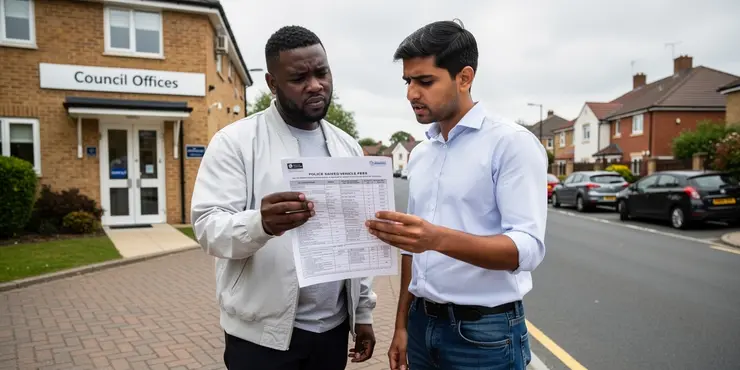
In most cases, the person who is legally responsible for the vehicle at the time it is seized must pay the storage and release fees. This is usually the registered keeper, but it can also be a person who was in possession of the vehicle or caused the issue that led to the seizure.
If the police seize a nuisance vehicle, they do so because it is causing a problem such as anti-social use, obstruction, or being driven unlawfully. The fees are generally intended to cover the cost of towing, storing, and processing the vehicle before it can be collected.
What counts as a nuisance vehicle?
A nuisance vehicle may be one that is being used in a way that causes harassment, alarm, or distress. It can also include vehicles linked to illegal parking, dangerous driving, or repeated complaints from the public.
In some situations, a vehicle may be seized because it has no insurance, no valid tax, or the driver has committed another motoring offence. The exact reason for seizure can affect who must pay and what steps are needed to get the vehicle back.
When the keeper is not the driver
It is not always the driver on the day who ends up paying. If the vehicle belongs to someone else, the police may still hold the keeper responsible for the charges, especially where the law allows recovery from the person with an ownership interest.
That said, if the vehicle was used without permission, the keeper may be able to dispute liability or seek compensation from the person who took or used the vehicle. The outcome often depends on the circumstances and any evidence of who had control of the vehicle.
What fees can apply?
The main charges are usually a removal fee and a daily storage fee. There may also be an administrative or release fee before the vehicle is returned.
These costs can increase quickly, especially if the vehicle is not collected promptly. In some cases, the total amount owed may be more than the vehicle is worth, which can lead to it being sold or scrapped by the authorities.
Getting the vehicle released
To recover the vehicle, the person claiming it usually needs to prove identity, ownership, and entitlement to collect it. They may also need to show valid insurance, a driving licence, and proof that any outstanding issues have been dealt with.
Payment is normally required before release. If you think the seizure was unlawful or the charges are incorrect, you should raise the issue as soon as possible and keep copies of all documents and receipts.
What to do if you are unsure
If you have received a seizure notice, read it carefully and contact the police or storage yard quickly. Delays can lead to extra storage charges and may make it harder to challenge the fee later.
If the vehicle was shared, borrowed, leased, or taken without consent, legal advice may help. Responsibility for payment depends on the facts, the vehicle’s status, and the legal basis for the seizure.
Frequently Asked Questions
Police nuisance vehicle storage and release fees responsibility refers to who must pay the costs charged for towing, storing, and releasing a vehicle that police have removed because it was treated as a nuisance, obstruction, or other enforcement issue.
Responsibility is usually assigned to the vehicle owner, registered keeper, or another person legally liable under the applicable local rules, but the exact responsible party depends on the circumstances and the governing law or policy.
Responsibility typically begins once police order the vehicle removed and it is taken into storage, because fees generally start accruing from the time of removal or intake into the storage facility.
It exists to recover the costs of enforcement, removal, transport, storage, and administration associated with nuisance vehicles so that public agencies or contractors are not left covering those expenses.
In some cases, yes, if another person is legally proven to be responsible for the vehicle or the incident, but this depends on the rules used by the police authority or local government.
It is usually determined by the vehicle ownership records, the circumstances of the nuisance or removal, any notices served, and the specific legal basis under which the vehicle was taken into police custody.
The fees commonly include towing or recovery charges, daily storage charges, release or administration fees, and sometimes additional costs related to notices, handling, or enforcement.
A person can usually challenge it by requesting a review or appeal, providing evidence that they are not responsible, and following the complaint or appeal process set by the police authority or local law.
If the fees are not paid, the vehicle may not be released, and additional storage costs may continue to accrue until the matter is resolved or the vehicle is otherwise disposed of according to law.
Yes, it can apply to a leased vehicle, but the responsible party may be the lessee, the registered keeper, or another party depending on the lease terms and the legal framework governing the removal.
If a vehicle was genuinely stolen before removal, the owner may be able to dispute responsibility, but the outcome depends on proof, timing, and the rules of the agency handling the vehicle.
Often yes, storage charges may continue to accumulate while a dispute is pending unless the authority pauses billing or agrees otherwise, so it is important to act quickly.
The vehicle is usually released only after the required fees are paid, identity and ownership are verified, and any other conditions imposed by police or the storage operator are satisfied.
Some authorities may offer fee reductions, waivers, or special consideration in limited circumstances, but this is not guaranteed and usually depends on local policy, hardship rules, or a successful appeal.
Common documents include proof of identity, proof of ownership or authority to collect, the vehicle registration details, and any payment confirmation or authorization required by the police or storage facility.
Yes, the responsible owner may still be charged even if they were not present, provided the law allows the authority to recover costs from the registered keeper or another liable party.
Sometimes it does, especially if the person who parked, abandoned, or used the vehicle can be identified as the person responsible under the relevant law or enforcement policy.
Yes, another person may pay the fees on the owner's behalf if the authority accepts third-party payment, but payment does not always change who is legally responsible.
They should read the notice carefully, confirm the deadline, contact the issuing authority or storage facility promptly, gather ownership and dispute documents, and decide whether to pay, appeal, or seek legal advice.
The rules are usually found in local traffic regulations, police or municipal enforcement policies, towing ordinances, and the release procedures published by the relevant authority or storage contractor.

Ergsy Search Results
This website offers general information and is not a substitute for professional advice.
Always seek guidance from qualified professionals.
If you have any medical concerns or need urgent help, contact a healthcare professional or emergency services immediately.
Some of this content was generated with AI assistance. We've done our best to keep it accurate, helpful, and human-friendly.
- Ergsy carefully checks the information in the videos we provide here.
- Videos shown by Youtube after a video has completed, have NOT been reviewed by ERGSY.
- To view, click the arrow in centre of video.
- Most of the videos you find here will have subtitles and/or closed captions available.
- You may need to turn these on, and choose your preferred language.
- Go to the video you'd like to watch.
- If closed captions (CC) are available, settings will be visible on the bottom right of the video player.
- To turn on Captions, click settings.
- To turn off Captions, click settings again.