

Find Help
More Items From Ergsy search
-
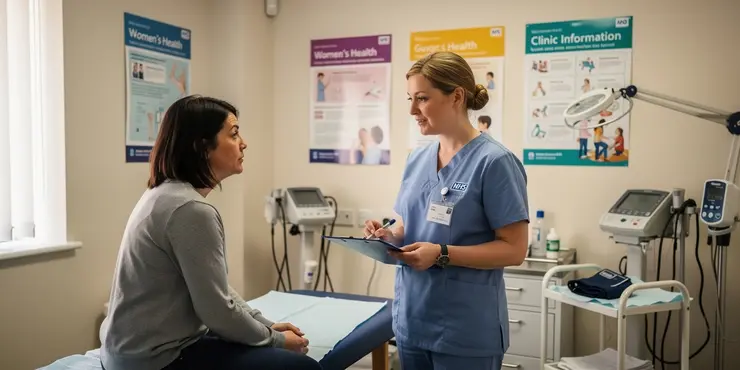
What is the womb lining test?
Relevance: 100%
-

Why is a womb lining test performed?
Relevance: 98%
-

Is a womb lining test painful?
Relevance: 98%
-
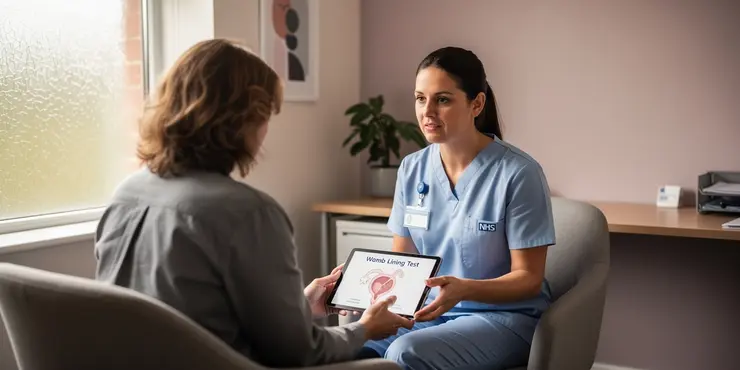
Is the womb lining test covered by the NHS?
Relevance: 98%
-
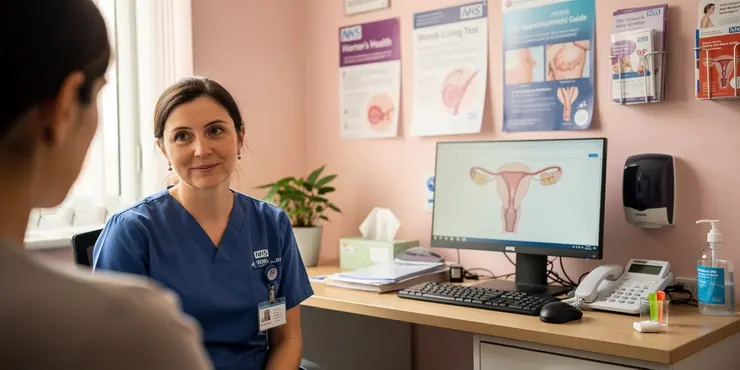
Is the womb lining test covered by the NHS?
Relevance: 97%
-
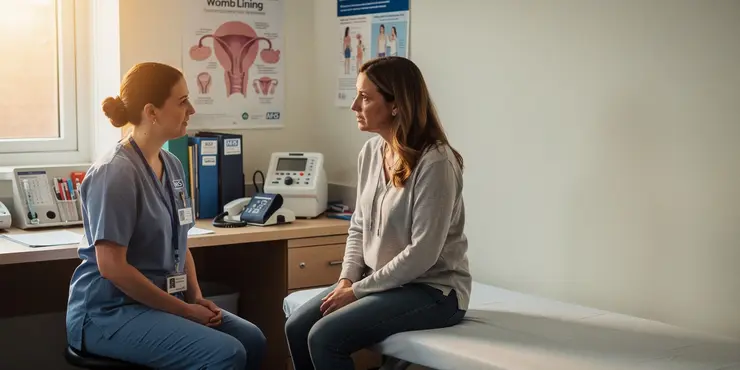
What is the Womb Lining test?
Relevance: 96%
-
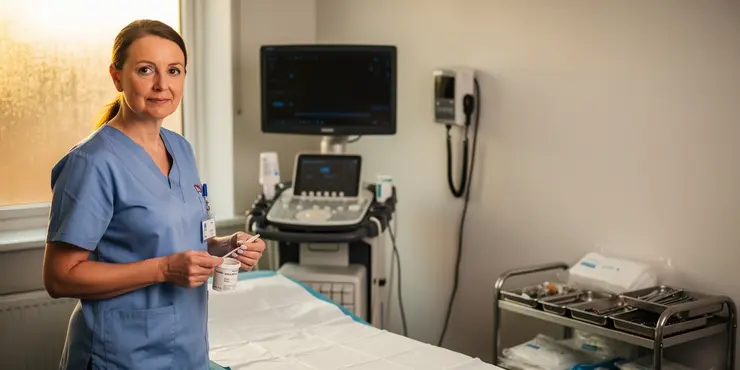
How is a womb lining test conducted?
Relevance: 96%
-

Can a womb lining test detect cancer?
Relevance: 95%
-

Why might someone need a womb lining test?
Relevance: 94%
-
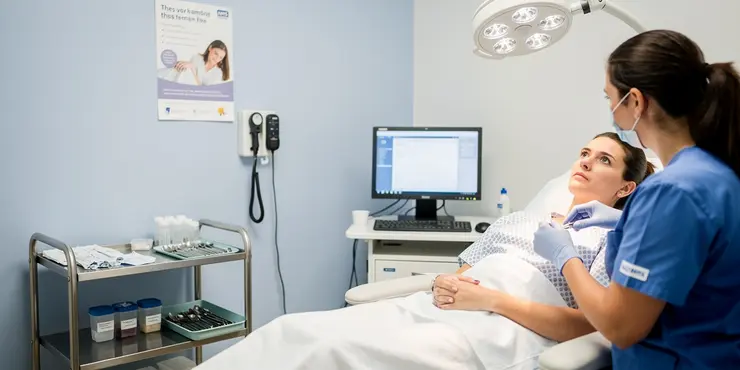
Can a womb lining test detect cancer?
Relevance: 94%

-
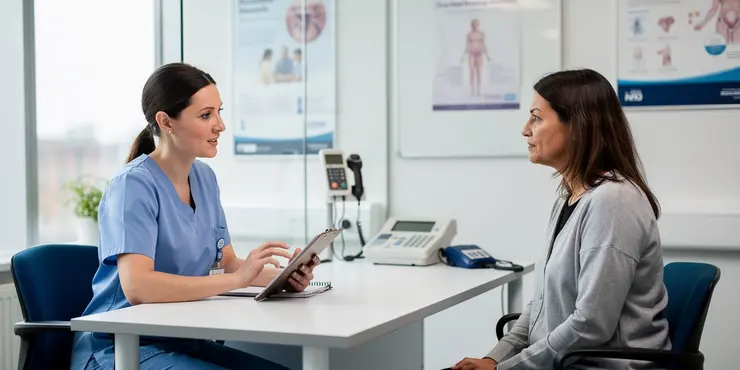
Is the womb lining test painful?
Relevance: 93%
-
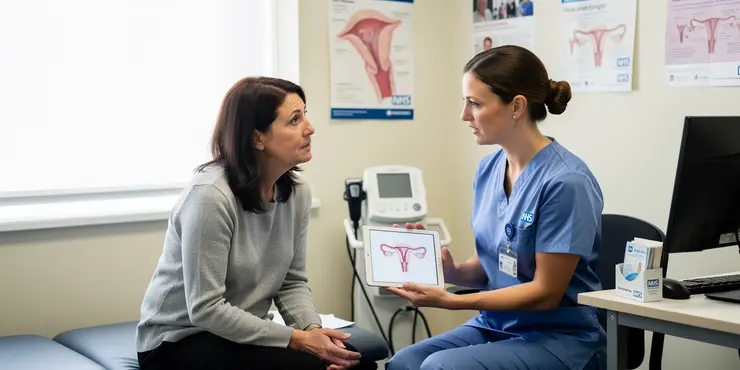
Are there any risks associated with the womb lining test?
Relevance: 93%
-

Are there risks associated with a womb lining test?
Relevance: 92%
-

How is the womb lining test performed?
Relevance: 90%
-
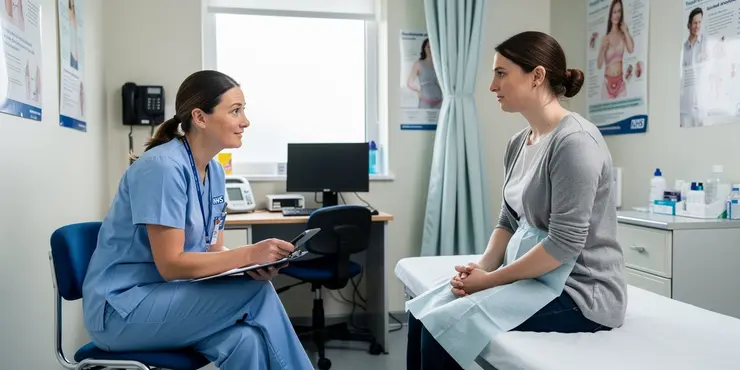
What happens after a womb lining test?
Relevance: 88%
-
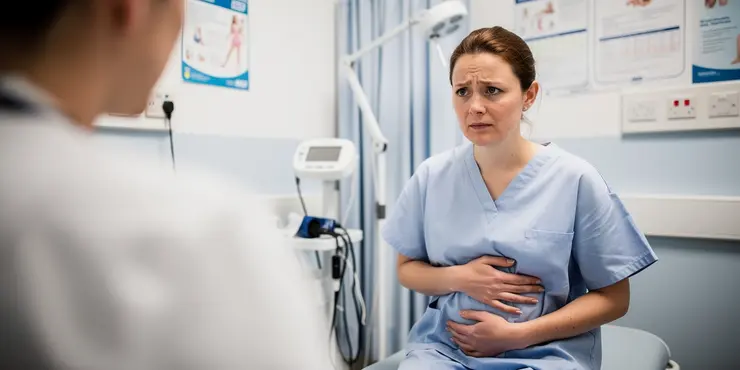
Can I drive after the womb lining test?
Relevance: 86%
-

How long does it take to get results from a womb lining test?
Relevance: 86%
-
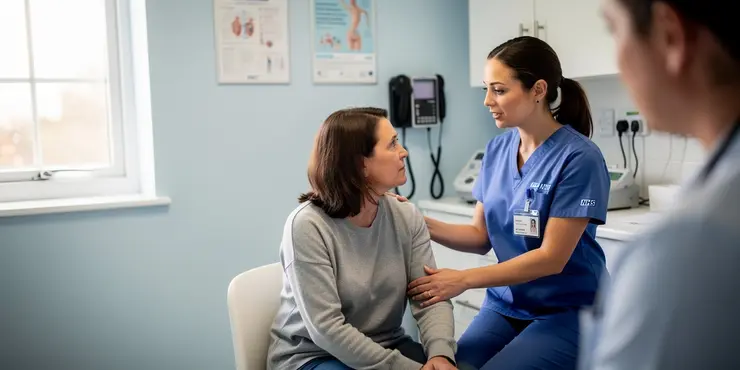
Is there any follow-up required after a womb lining test?
Relevance: 86%
-
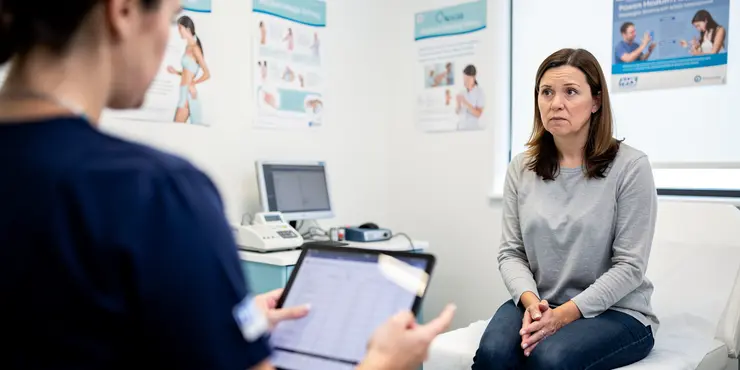
How long does it take to get results from a womb lining test?
Relevance: 84%
-

Does the womb lining test require any special preparation?
Relevance: 83%
-
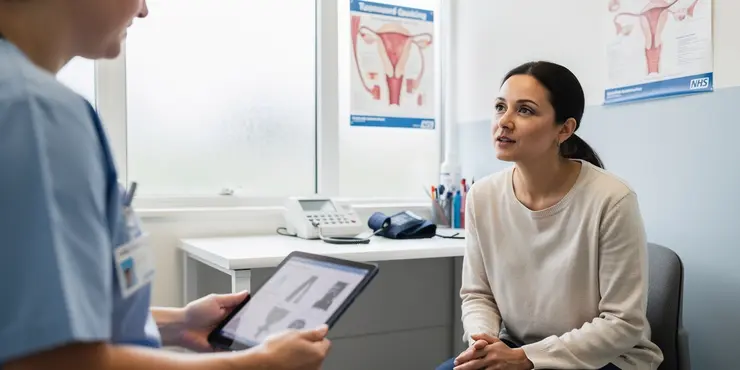
How should I prepare for a womb lining test?
Relevance: 83%
-

What does an evaporation line mean on a pregnancy test?
Relevance: 51%
-

How does a pregnancy test work?
Relevance: 36%
-

Are digital pregnancy tests more accurate than non-digital tests?
Relevance: 35%
-

What is a lot line adjustment?
Relevance: 34%
-

What should I do if I get unclear results on a pregnancy test?
Relevance: 34%
-

What is a pregnancy test?
Relevance: 33%
-

When should I take a pregnancy test?
Relevance: 31%
-
What can cause a false positive pregnancy test?
Relevance: 30%
-

Can a pregnancy test expire?
Relevance: 29%
-

How long should I wait to read the results of a pregnancy test?
Relevance: 28%
-

Can a pregnancy test detect a miscarriage?
Relevance: 27%
-

What if my pregnancy test is positive?
Relevance: 27%
-

Do all pregnancy tests detect the same levels of hCG?
Relevance: 27%
-

How soon can a pregnancy test detect pregnancy?
Relevance: 26%
-

Can drinking a lot of water affect pregnancy test results?
Relevance: 25%
-

What are the different types of pregnancy tests?
Relevance: 24%
-

How do I use a vision chart for self-testing?
Relevance: 24%
-
What is a stool DNA test?
Relevance: 24%
-
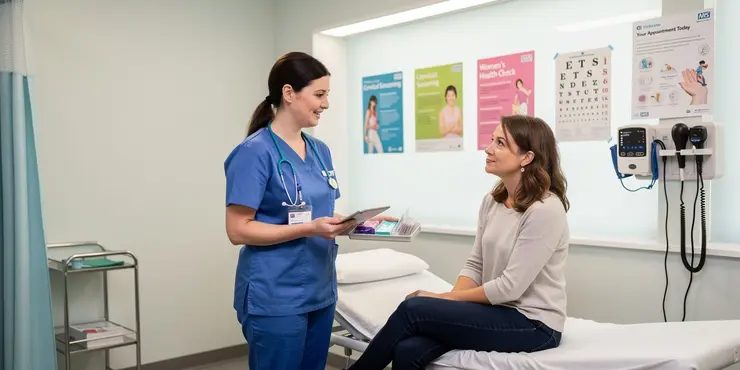
Booked in for your smear test (cervical screening) and not sure what to expect?
Relevance: 23%
Understanding the Purpose of a Womb Lining Test
A womb lining test, medically known as an endometrial biopsy, is performed to assess the health and condition of the endometrium, which is the lining of the uterus. This procedure is vital for diagnosing various medical conditions and informing treatment strategies. Here are the key reasons why a womb lining test is performed:Diagnosing Abnormal Uterine Bleeding
One of the primary reasons for conducting a womb lining test is to investigate abnormal uterine bleeding (AUB). This includes heavy, irregular, or prolonged menstrual periods, as well as bleeding between periods. The test helps identify underlying causes, such as hormonal imbalances, polyps, fibroids, or more serious conditions like endometrial hyperplasia and cancer.Assessing Fertility Issues
For women experiencing difficulties conceiving, a womb lining test can provide insights into fertility issues. The test may reveal conditions that impact the ability of the uterus to support a pregnancy, such as inadequate thickness of the endometrium or chronic inflammation. Identifying such issues allows healthcare providers to develop effective fertility treatment plans.Monitoring Hormonal Treatments
Women undergoing hormone replacement therapy (HRT) or other hormonal treatments, especially during menopause, may undergo a womb lining test. The test monitors how the endometrium is responding to these treatments, ensuring that the lining remains healthy and assessing the risk of potential complications, like endometrial cancer.Evaluating Menstrual Health Concerns
In cases where menstrual health concerns persist despite lifestyle changes or initial treatments, a womb lining test can provide a deeper understanding. It enables healthcare professionals to tailor treatments and interventions more precisely to a woman’s specific condition.Ruling Out Endometrial Cancer
For postmenopausal women who experience unexpected uterine bleeding, a womb lining test is critical for ruling out or diagnosing endometrial cancer. Early detection is crucial for effective treatment and improving outcomes in such cases. In conclusion, a womb lining test is a valuable diagnostic tool that serves multiple purposes, from diagnosing abnormal bleeding and assessing fertility to monitoring hormonal treatments and ruling out cancer. Its ability to provide detailed insights into the health of the endometrium makes it indispensable in women’s healthcare.What is a Womb Lining Test?
A womb lining test is a medical check. It is also called an endometrial biopsy. Doctors use it to check the health of the womb lining. The womb lining is the inside part of the womb. This test helps to find out about different health problems. Here’s why you might need this test:When There is Unusual Bleeding
This test helps if there is unusual bleeding from the womb. Unusual bleeding can mean very heavy periods, periods that last too long, or bleeding between periods. The test helps find out why this is happening. Reasons can include hormone problems, small growths called polyps, or even more serious problems like extra thick womb lining or cancer.Problems with Having a Baby
If a woman is having trouble getting pregnant, this test can help. It checks if there are problems with the womb lining that stop a baby from growing properly. This includes if the lining is too thin or if there is long-lasting soreness. Knowing this helps doctors make a plan to help the woman get pregnant.Checking Hormone Treatments
Some women take special medicine for hormones, like during menopause. This test checks if the womb lining stays healthy with these medicines. It makes sure there are no serious side effects, like cancer.Looking at Period Health
If period problems do not get better with changes in diet or medicine, this test can help. It gives doctors more information. This means they can choose better treatments to fix the problem.Checking for Cancer After Menopause
If a woman who has gone through menopause starts bleeding again, this test is important. It checks if cancer might be the reason for the bleeding. Finding this early helps treatment work better. In short, a womb lining test is very useful. It finds out why there is unusual bleeding, looks at pregnancy problems, checks hormone medicine, and finds cancer early. This test gives doctors lots of important information about the health of a woman's womb lining.Frequently Asked Questions
What is the purpose of a womb lining test?
A womb lining test, or endometrial biopsy, is performed to assess the health of the endometrium and diagnose conditions that could affect fertility or menstrual health.
Who might need a womb lining test?
A womb lining test may be needed for women experiencing irregular menstrual cycles, infertility, or abnormal uterine bleeding.
How is a womb lining test performed?
A doctor takes a small sample of the lining of the uterus using a thin, flexible tube inserted through the cervix. This sample is then analysed in a lab.
Is a womb lining test painful?
Some women may experience mild discomfort or cramping during the procedure, but it is generally well-tolerated by most patients.
Can a womb lining test detect cancer?
Yes, a womb lining test can help detect changes in the endometrial cells that may indicate endometrial hyperplasia or cancer.
What conditions can a womb lining test diagnose?
A womb lining test can diagnose conditions such as endometrial hyperplasia, endometritis, and can assess hormone levels affecting the endometrium.
How should I prepare for a womb lining test?
You may be advised to schedule the test at a specific time in your menstrual cycle and avoid using tampons or douches before the procedure.
What are the risks associated with a womb lining test?
Though rare, risks include infection, bleeding, or accidental perforation of the uterus.
How long does a womb lining test take?
The test typically takes about 10 to 15 minutes to complete in a doctor's office or clinic.
When can I expect the results of a womb lining test?
Results are usually available within a week, but your doctor will inform you about the exact timeframe.
Can I continue my normal activities after a womb lining test?
Yes, most women can return to their normal activities immediately after the test, although some may prefer to rest if they experience cramping.
Will I need someone to accompany me to the test?
It is not necessary, but having someone to accompany you could be supportive if you feel anxious or experience discomfort.
Does a womb lining test require anaesthesia?
No, a womb lining test typically does not require anaesthesia, but some may use a local anaesthetic to ease discomfort.
How does a womb lining test affect fertility treatment?
The test can provide valuable information about uterine health, potentially guiding fertility treatments and improving the outcomes.
Is a womb lining test covered by the NHS?
Yes, a womb lining test is usually covered by the NHS if it is deemed medically necessary by your doctor.
Why do we do a womb lining test?
A womb lining test checks the inside of the womb. It helps doctors see if it is healthy. Doctors might do this test if someone has problems like heavy bleeding or trouble having a baby.
A womb lining test is also called an endometrial biopsy. This test checks how healthy the lining of the womb is. Doctors use it to find out if there are any problems that could make it hard to have a baby or affect periods.
Here are some tips to understand better: - Use a read-aloud tool to hear the text - Ask someone to explain any hard words - Break down the sentences into smaller partsWho might need a womb lining test?
This question asks who should get a womb lining test.
- People who have problems having a baby might need this test.
- If a doctor thinks there is an issue with the womb lining, they might suggest the test.
- People with unusual bleeding might also need it.
If you find reading difficult, ask someone for help or use a reading tool.
A womb lining test can help if a woman has problems like periods that are not regular, trouble having a baby, or bleeding that is not normal.
How do doctors look at the womb lining?
Doctors use a test to look at the inside of the womb. This part inside is called the lining. It helps doctors find problems.
The doctor will gently take a small bit of the lining. This is not very big. They use a slim tube to do this. It can feel a bit like a pinch. You might feel a little uncomfortable, but it doesn’t take long.
Some people find listening to music or taking deep breaths helpful. You can also ask a friend to come with you for support.
A doctor uses a tiny, bendy tube. They gently put it inside the body to take a small piece from the inside of the womb. This tiny piece is then checked in a special place called a lab.
Does a womb lining test hurt?
A womb lining test checks the inside of a woman's tummy where a baby can grow. This test might make you feel a bit uncomfortable. Some women say it feels like a little pinch.
If you're worried about the test, talk to your doctor or nurse. They can help you feel better and explain what will happen.
Using a deep breathing trick can help you stay calm and relaxed during the test. You can practice slow, deep breaths before and during the test to help you feel better.
Some women might feel a little bit of pain or cramps during the procedure. But most people are okay and get through it easily.
Can a test find cancer in the womb lining?
Some tests can check the lining inside the womb (where a baby grows). These tests help doctors see if there is cancer. Talk to your doctor if you have questions about tests.
You can use pictures or simple words to help understand better. A friend or family member might also support you.
Yes, a womb lining test can help find changes in the cells of the lining inside the womb. This can show if there are problems like too many cells or cancer. Using pictures or videos can help make this easier to understand.
What can a womb lining test find out?
A womb lining test looks inside a woman's womb. It can help find out why someone might not feel well. Here are some things it can help with:
- Why someone might have tummy pain.
- Why periods might be heavy or long.
- Why someone might have trouble having a baby.
Try these tools to make reading easier:
- Use audiobooks to listen to the words.
- Ask someone to help read it with you.
A womb lining test checks the inside of the womb. It can find problems like thickening of the womb lining, infections, and check hormone levels.
How do I get ready for a womb lining test?
You might need to plan the test at a certain time in your monthly period. Don't use tampons or douches before the test.
What could happen with a womb lining test?
Getting a test on your womb lining can have some risks. Here is what you should know:
- There might be some pain or cramps during the test. You can take medicine to help with the pain.
- You could have a little bleeding after the test. This usually stops on its own.
- Sometimes, an infection can happen. You might need medicine from the doctor to make it better.
If you are worried, talk to your doctor. They can tell you more and help you feel safe. You can also ask a friend or family member to go with you to the doctor's office for support.
Sometimes, there can be problems. These problems do not happen often. They could be an infection, bleeding, or making a small hole in the uterus by accident.
How long does a womb lining test take?
The womb lining test does not take long. It is quick.
This test usually takes about 10 to 15 minutes.
If you feel worried, you can ask a friend or a family member to come with you.
Sometimes listening to music on headphones can help you feel calm during the test.
Remember to follow the doctor's instructions for before and after the test.
The test usually takes 10 to 15 minutes to finish. You can do it at the doctor's office or clinic.
When will I get the results of my womb lining test?
You usually get the results in one week. Your doctor will tell you exactly when.
Can I do my normal activities after a womb lining test?
If you had a womb test, you might wonder if you can do your normal activities after. Most people can go back to their usual things. But, you might feel some cramping or spotting. If you feel too tired or sore, rest is fine.
Talk to your doctor or nurse if you feel unsure or have questions.
Yes, most women can go back to what they normally do right after the test. But some might want to rest if they feel any cramps.
Do I need someone to go with me to the test?
You do not have to, but bringing a friend can help if you feel worried or uncomfortable.
Do you need to be asleep for a womb lining test?
No, usually you don't need medicine to make you sleep for a womb lining test. But sometimes doctors use a special numbing medicine to help it not hurt as much.
How does a womb lining test affect fertility treatment?
A womb lining test looks at the inside of a woman's womb. This helps doctors see if the womb is ready for a baby.
This test can help decide the best way to help a woman get pregnant.
If you find it hard to understand, you can:
- Ask someone to read it with you.
- Use apps that read text aloud.
- Break the text into smaller parts.
The test gives important information about how healthy the uterus is. This can help doctors choose the right fertility treatments and make them work better.
Does the NHS pay for a womb lining test?
Yes, the NHS will pay for a womb lining test if your doctor says you need it for your health.

Useful Links
This website offers general information and is not a substitute for professional advice.
Always seek guidance from qualified professionals.
If you have any medical concerns or need urgent help, contact a healthcare professional or emergency services immediately.
Some of this content was generated with AI assistance. We’ve done our best to keep it accurate, helpful, and human-friendly.
- Ergsy carfully checks the information in the videos we provide here.
- Videos shown by Youtube after a video has completed, have NOT been reviewed by ERGSY.
- To view, click the arrow in centre of video.
- Most of the videos you find here will have subtitles and/or closed captions available.
- You may need to turn these on, and choose your preferred language.
- Go to the video you'd like to watch.
- If closed captions (CC) are available, settings will be visible on the bottom right of the video player.
- To turn on Captions, click settings .
- To turn off Captions, click settings again.
More Items From Ergsy search
-
What is the womb lining test?
Relevance: 100%
-
Why is a womb lining test performed?
Relevance: 98%
-
Is a womb lining test painful?
Relevance: 98%
-
Is the womb lining test covered by the NHS?
Relevance: 98%
-
Is the womb lining test covered by the NHS?
Relevance: 97%
-
What is the Womb Lining test?
Relevance: 96%
-
How is a womb lining test conducted?
Relevance: 96%
-
Can a womb lining test detect cancer?
Relevance: 95%
-
Why might someone need a womb lining test?
Relevance: 94%
-
Can a womb lining test detect cancer?
Relevance: 94%
-
Is the womb lining test painful?
Relevance: 93%
-
Are there any risks associated with the womb lining test?
Relevance: 93%
-
Are there risks associated with a womb lining test?
Relevance: 92%
-
How is the womb lining test performed?
Relevance: 90%
-
What happens after a womb lining test?
Relevance: 88%
-
Can I drive after the womb lining test?
Relevance: 86%
-
How long does it take to get results from a womb lining test?
Relevance: 86%
-
Is there any follow-up required after a womb lining test?
Relevance: 86%
-
How long does it take to get results from a womb lining test?
Relevance: 84%
-
Does the womb lining test require any special preparation?
Relevance: 83%
-
How should I prepare for a womb lining test?
Relevance: 83%
-
What does an evaporation line mean on a pregnancy test?
Relevance: 51%
-
How does a pregnancy test work?
Relevance: 36%
-
Are digital pregnancy tests more accurate than non-digital tests?
Relevance: 35%
-
What is a lot line adjustment?
Relevance: 34%
-
What should I do if I get unclear results on a pregnancy test?
Relevance: 34%
-
What is a pregnancy test?
Relevance: 33%
-
When should I take a pregnancy test?
Relevance: 31%
-
What can cause a false positive pregnancy test?
Relevance: 30%
-
Can a pregnancy test expire?
Relevance: 29%
-
How long should I wait to read the results of a pregnancy test?
Relevance: 28%
-
Can a pregnancy test detect a miscarriage?
Relevance: 27%
-
What if my pregnancy test is positive?
Relevance: 27%
-
Do all pregnancy tests detect the same levels of hCG?
Relevance: 27%
-
How soon can a pregnancy test detect pregnancy?
Relevance: 26%
-
Can drinking a lot of water affect pregnancy test results?
Relevance: 25%
-
What are the different types of pregnancy tests?
Relevance: 24%
-
How do I use a vision chart for self-testing?
Relevance: 24%
-
What is a stool DNA test?
Relevance: 24%
-
Booked in for your smear test (cervical screening) and not sure what to expect?
Relevance: 23%