
Find Help
More Items From Ergsy search
-
Is the womb lining test covered by the NHS?
Relevance: 100%
-
Is the womb lining test covered by the NHS?
Relevance: 99%
-
What is the womb lining test?
Relevance: 86%
-
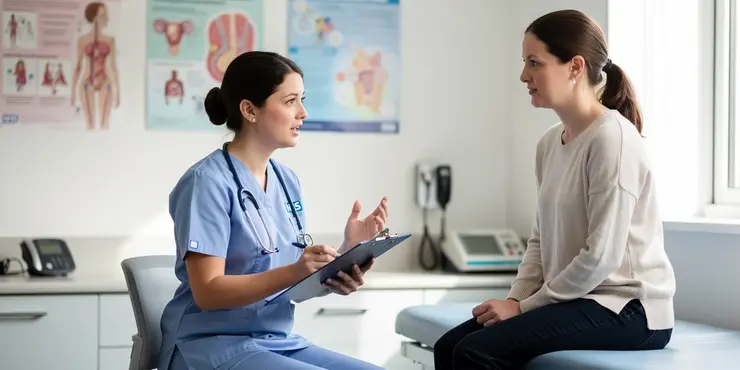
Why is a womb lining test performed?
Relevance: 85%
-
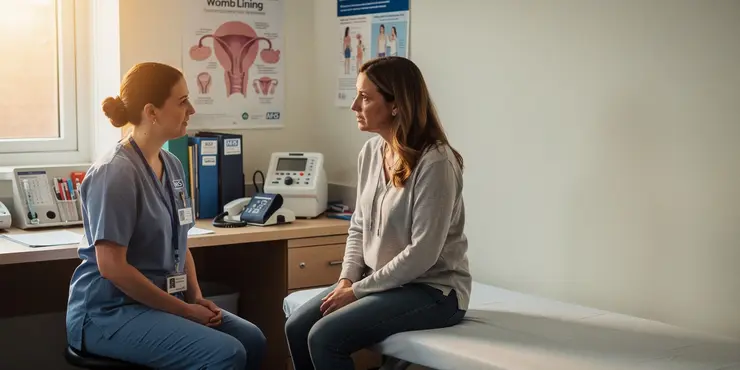
What is the Womb Lining test?
Relevance: 84%
-
Why might someone need a womb lining test?
Relevance: 81%
-

Is a womb lining test painful?
Relevance: 80%
-
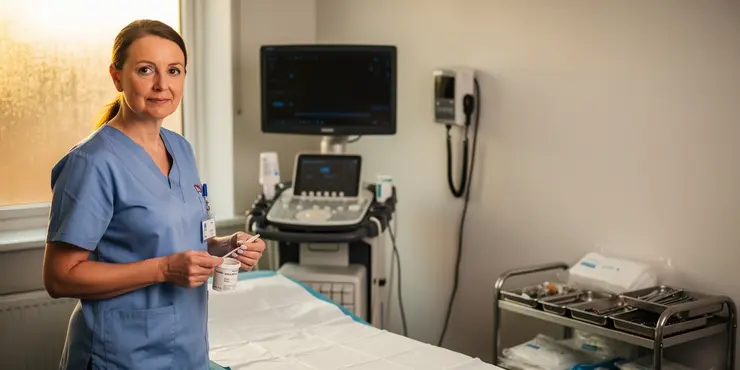
How is a womb lining test conducted?
Relevance: 78%
-
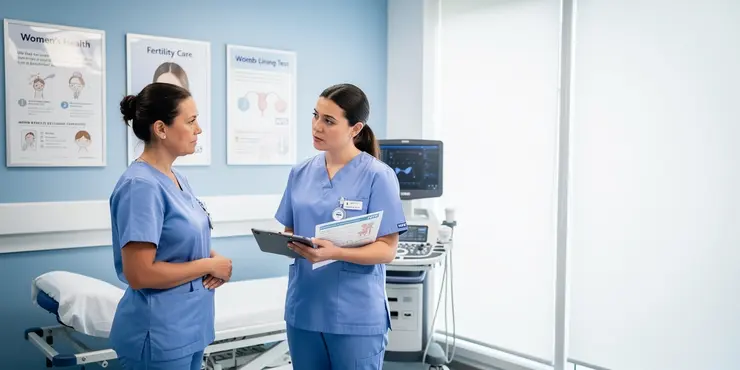
Can a womb lining test detect cancer?
Relevance: 77%
-
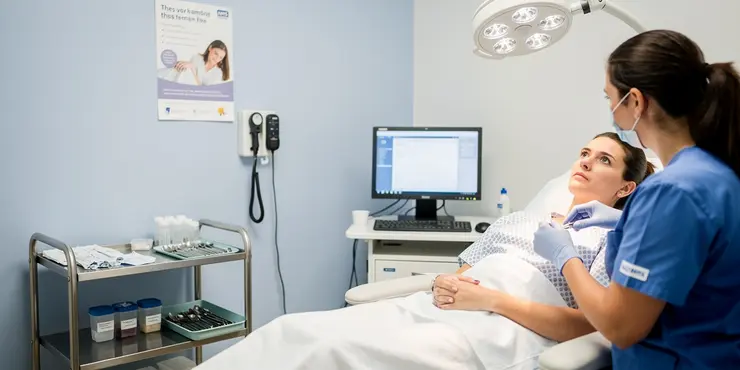
Can a womb lining test detect cancer?
Relevance: 76%

-
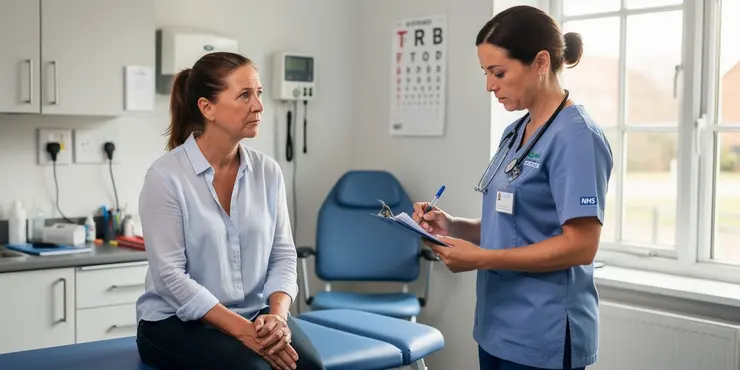
How long does it take to get results from a womb lining test?
Relevance: 76%
-
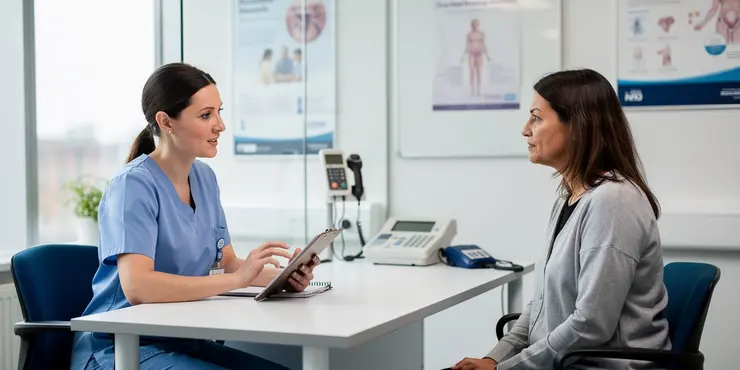
Is the womb lining test painful?
Relevance: 76%
-
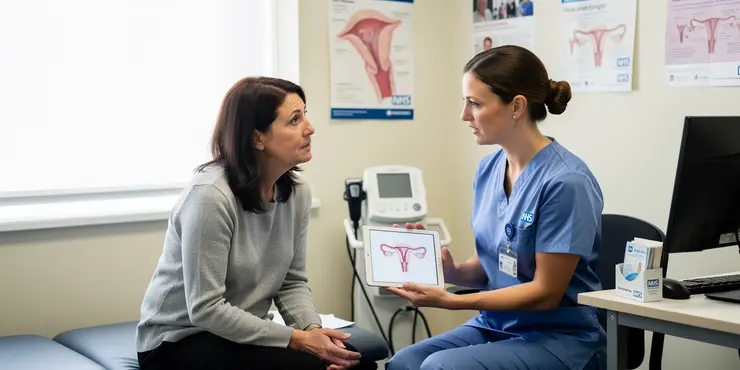
Are there any risks associated with the womb lining test?
Relevance: 75%
-

Are there risks associated with a womb lining test?
Relevance: 75%
-
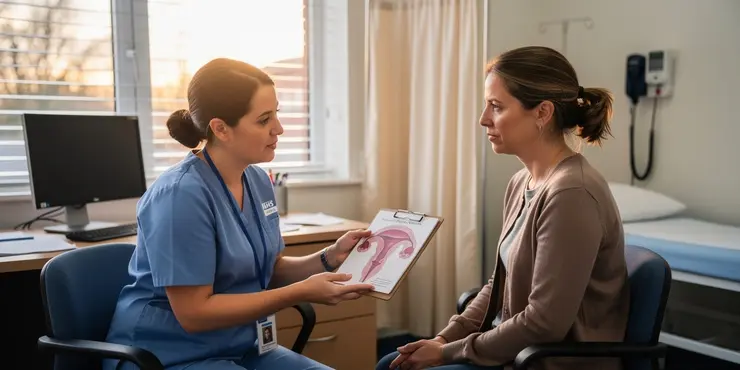
How is the womb lining test performed?
Relevance: 73%
-
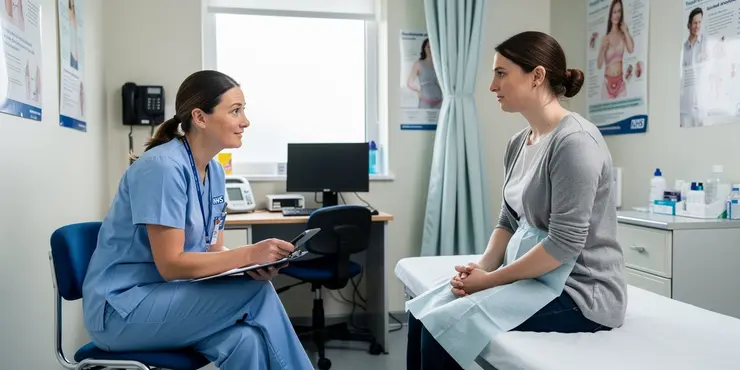
What happens after a womb lining test?
Relevance: 71%
-
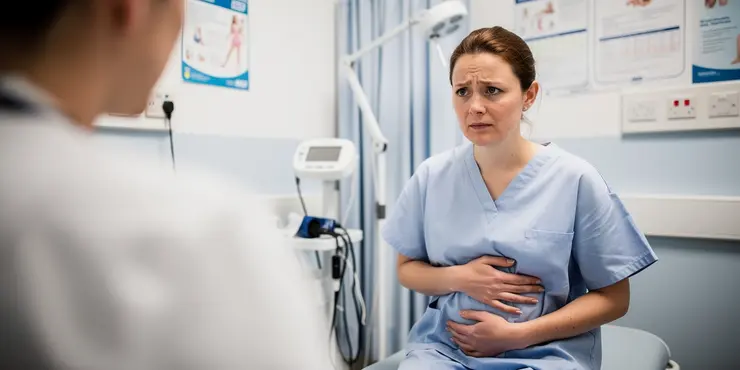
Can I drive after the womb lining test?
Relevance: 70%
-
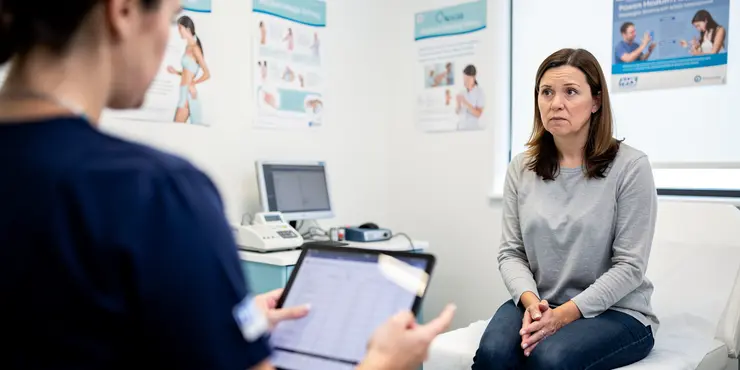
How long does it take to get results from a womb lining test?
Relevance: 70%
-
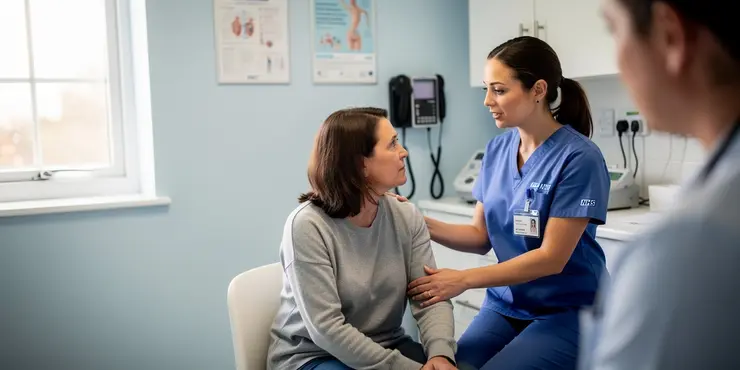
Is there any follow-up required after a womb lining test?
Relevance: 70%
-
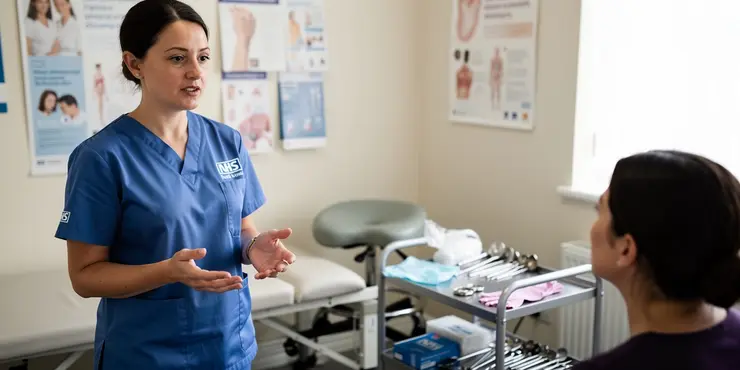
Does the womb lining test require any special preparation?
Relevance: 68%
-
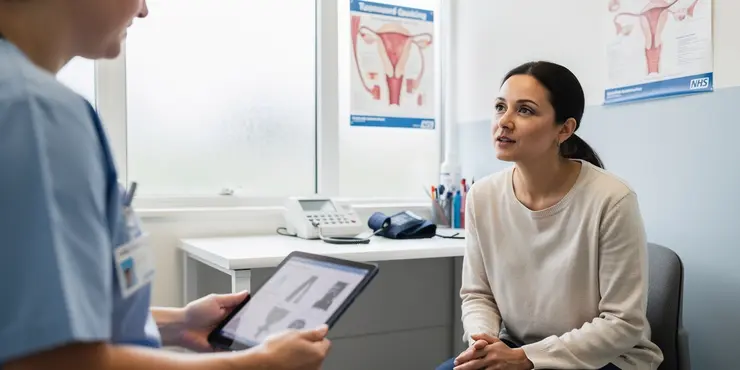
How should I prepare for a womb lining test?
Relevance: 68%
-
What does an evaporation line mean on a pregnancy test?
Relevance: 42%
-

What is the current measles vaccination coverage in the UK?
Relevance: 32%
-
Will insurance cover the cost of home colorectal cancer tests?
Relevance: 31%
-

How does a pregnancy test work?
Relevance: 29%
-

Is it necessary to have cancellation coverage in holiday insurance?
Relevance: 29%
-

Are digital pregnancy tests more accurate than non-digital tests?
Relevance: 29%
-

What is a lot line adjustment?
Relevance: 28%
-

What should I do if I get unclear results on a pregnancy test?
Relevance: 28%
-

What is a pregnancy test?
Relevance: 27%
-

How does the destination influence holiday insurance coverage?
Relevance: 27%
-

How can I determine the amount of coverage needed for my holiday insurance?
Relevance: 27%
-
Is Carpal Tunnel Syndrome covered by the NHS?
Relevance: 27%
-
Endometriosis - My Story | NHS
Relevance: 26%
-
Screening tests for you and your baby | NHS
Relevance: 26%
-

When should I take a pregnancy test?
Relevance: 25%
-
What can cause a false positive pregnancy test?
Relevance: 25%
-

Sexual Health - HIV Testing
Relevance: 24%
-
Having a blood test
Relevance: 24%
-
Are homeopathic treatments covered by the NHS?
Relevance: 24%
Coverage of Womb Lining Tests by the NHS
Overview of Womb Lining Tests
Womb lining tests, or endometrial biopsies, are crucial for diagnosing various conditions related to the uterus, including abnormal bleeding, infertility issues, and suspected endometrial hyperplasia or cancer. These tests involve taking a small sample of the uterine lining for detailed examination.NHS Coverage for Womb Lining Tests
In the United Kingdom, the National Health Service (NHS) generally provides coverage for womb lining tests when deemed medically necessary by a healthcare professional. This means that if a general practitioner (GP) or specialist recommends an endometrial biopsy based on symptoms or risk factors that require further investigation, the procedure will typically be funded by the NHS. Patients do not usually incur direct costs if the test is performed within the NHS framework.Criteria for NHS Funding
For the NHS to cover a womb lining test, specific criteria often must be met. These include experiencing symptoms such as abnormal uterine bleeding, unexplained infertility, or instances where there is a suspicion of endometrial pathology, such as polyps, hyperplasia, or cancer. The decision is based on clinical guidelines and the necessity of the test to aid diagnosis or management of a condition.Accessing Womb Lining Tests
To access a womb lining test under the NHS, a patient would typically begin the process by consulting with their GP. After initial assessment and if criteria are met, the GP can refer the patient to a specialist, such as a gynecologist, for further evaluation and to perform the test if needed. The NHS prioritizes tests based on urgency and individual patient health needs.Conclusion
Womb lining tests, when medically justified, are covered by the NHS. Patients experiencing symptoms related to uterine health should seek medical advice to determine if this test is necessary. NHS provides a pathway for such diagnostic procedures, aiding in the effective management and treatment of various conditions.Covering Womb Lining Tests by the NHS
What are Womb Lining Tests?
Womb lining tests are also called endometrial biopsies. Doctors use these tests to check the inside of the womb for problems. They help find out why someone has unusual bleeding, difficulty getting pregnant, or might have changes in the womb like extra thick lining or cancer.How the NHS Covers These Tests
In the UK, the NHS can pay for womb lining tests if they are needed for health reasons. This means if your doctor thinks you need the test because of your symptoms, the NHS will usually pay for it. You don’t have to pay yourself if the test is done through the NHS.When Does the NHS Pay?
The NHS will pay for the test if you have certain problems, like bleeding that isn’t normal, not being able to get pregnant, or if doctors think there might be something wrong inside the womb, like growths or cancer. Doctors decide this based on rules and what is needed to understand what is going on with your health.How to Get a Womb Lining Test
To get a womb lining test with the NHS, first go and see your family doctor, called a GP. The GP checks you and, if needed, sends you to a doctor who knows about wombs, called a gynecologist. They will decide if you need the test. NHS gives the most important cases attention first, depending on how much care each person needs.Summary
If a womb lining test is necessary, the NHS covers the cost. Anyone having womb health issues should talk to a doctor to see if they need the test. The NHS helps make sure people get the care they need to stay healthy. **Tips for Support:** - It can be helpful to bring someone with you to doctor's visits who can help listen and ask questions. - Writing down any symptoms and questions before appointments can help you remember important details.Frequently Asked Questions
What is a womb lining test?
A womb lining test, also known as an endometrial biopsy, is a procedure used to take a small tissue sample from the lining of the uterus for examination.
Why might someone need a womb lining test?
A womb lining test may be recommended to investigate the cause of abnormal uterine bleeding, infertility issues, or to check for conditions like endometrial hyperplasia or cancer.
Is the womb lining test covered by the NHS?
Yes, if deemed medically necessary, a womb lining test is usually covered by the NHS as part of healthcare services.
How can I get a womb lining test on the NHS?
You would need to be referred by your GP or a specialist who will assess the medical necessity and arrange for the test.
Are there waiting times for a womb lining test on the NHS?
Yes, there may be waiting times for non-emergency procedures, depending on local NHS resources and demand.
What should I do if I think I need a womb lining test?
You should schedule an appointment with your GP to discuss your symptoms and concerns. They can advise if a womb lining test is appropriate.
Can I get a womb lining test privately in the UK?
Yes, you can arrange for a womb lining test through private healthcare services, though this will involve a fee.
What are the risks associated with a womb lining test?
The risks are low but can include cramping, bleeding, or infection. It’s important to discuss these with your healthcare provider.
How long does it take to get results from a womb lining test?
Results can typically take a few days to a couple of weeks. Your healthcare provider will inform you when to expect results.
Do I need to prepare for a womb lining test?
There may be specific instructions, such as avoiding certain medications. Your healthcare provider will guide you on how to prepare.
What alternatives are there to a womb lining test?
Depending on your condition, alternatives might include ultrasound, MRI, or hysteroscopy. Discuss options with your doctor.
Will I need to take time off work for a womb lining test?
The test is usually quick, but it's advisable to rest afterward. Discuss with your doctor how you might feel afterward to decide about time off.
Can a womb lining test be performed in a GP surgery?
Not usually. An endometrial biopsy is typically done at a hospital or specialized clinic.
Will I feel pain during a womb lining test?
You might experience some cramping or discomfort similar to period pains. Your doctor can discuss pain management options.
What should I do if I experience severe pain after a womb lining test?
If you experience severe pain or heavy bleeding, you should contact your healthcare provider immediately or seek urgent medical care.
What is a womb lining test?
A womb lining test checks the inside of a woman's womb. Doctors look at this lining to see if it is healthy. This can help find out why a woman might have problems, like not being able to have a baby.
To do the test, a doctor will gently take a tiny piece from the womb lining. It is not usually very painful, but it might feel a bit uncomfortable.
Tools that can help include someone reading the information out loud or using pictures to show what happens during the test. Asking a doctor or nurse to explain it in person can also be helpful.
A womb lining test is when a doctor takes a tiny piece of tissue from the inside of the uterus (the womb). The doctor looks at this tissue to check if everything is okay.
Why do you need to check the inside of the womb?
Doctors might need to look inside the womb to see if everything is okay. They can check if there are any problems or if the womb is healthy. This helps to make sure the womb can hold a baby.
Here are some tools that can help:
- Use a picture dictionary to understand new words.
- Listen to audio versions of this information.
- Ask someone to explain if you find it hard to understand.
A doctor might suggest a womb lining test to find out why someone has unusual bleeding from the womb. It can also help if there are problems having a baby or to look for things like extra thick lining or cancer in the womb.
Does the NHS pay for the womb lining test?
The NHS might pay for your womb lining test.
You can ask your doctor if they will cover the cost.
If not, you may need to pay for it yourself.
You can use simpler words, pictures, or someone to help you understand.
Yes, if it's needed for your health, the NHS will usually pay for a womb lining test.
How can I get a womb lining test on the NHS?
Do you want to know how to get a test for the inside of your womb on the NHS? Here is how:
- Talk to your doctor. Your doctor can help and tell you what to do next.
- Ask if you need this test. Your doctor will know if it is right for you.
- Sometimes, you might need to see a specialist. Your doctor can help with this.
If reading is hard, ask someone you trust to help you understand this information.
You need to talk to your regular doctor or a special doctor. They will check if you need the test and help you get it.
Do I have to wait for a womb lining test on the NHS?
Yes, you might have to wait for some medical treatments if they are not urgent. How long you wait can depend on how busy doctors and hospitals are in your area.
What to do if you think you need a womb lining test
You should make a visit to your doctor. Talk to them about how you are feeling. They can tell you if you need a test for your womb lining.
Can I get a womb lining test privately in the UK?
You can have a womb lining test in the UK without using the NHS. This is called a private test. It might cost money.
If you want to do this, here are some steps:
- Talk to your doctor. They can give you advice.
- Look for private clinics that do the test.
- Ask how much the test costs.
- Make sure you understand what the test is for.
To help you decide, you can:
- Write down questions and ask someone you trust.
- Use clear and simple websites to find more information.
Yes, you can get a special test for your womb with private healthcare. You will need to pay for it.
What can happen during a womb lining test?
The chances of problems are small. But you might have tummy pain, bleeding, or an infection. Talk about these things with your doctor.
How long will it take to get the results from a womb lining test?
After you have the test, you might have to wait a bit to know what it shows. Usually, it takes about a few days to a week to get the results. If you want help while you wait, you can:
-Talk to your doctor. They can explain what to expect.
-Use a calendar to mark when you might get the results. This can help you be ready.
-Ask someone you trust to wait with you. It can be a friend or family member.
Results usually take a few days to come back. Sometimes, it can take up to two weeks. Your doctor will tell you when you will get the results.
Do I need to get ready for a womb lining test?
Here is how you can get ready for a womb lining test:
- Talk to your doctor and ask any questions you have.
- They might tell you not to eat or drink before the test. Make sure you know what to do.
- You might need someone to come with you on the day. This can help you feel better.
- Writing down what happens during the test can help you remember to ask anything you are unsure about later.
Using pictures or videos can help you understand more about the test. You can also ask someone you trust to explain it to you.
Your doctor might tell you to stay away from some medicines. They will help you know what to do.
What else can we do instead of a womb lining test?
If you can't have a womb lining test, there are other things you can try. Here are some:
1. Talk to Your Doctor: Ask your doctor for advice. They know a lot and can help you find the best choice.
2. Ultrasound: This is a picture of inside your body. It can show your womb and help the doctor see if everything is okay.
3. Blood Test: A simple blood test can tell the doctor about your health. They check for special signs in your blood.
4. MRI Scan: This is a special machine that takes detailed pictures of your womb. It does not hurt.
If you have trouble understanding, you can ask someone to help you. Bring a friend or family member to talk with the doctor. You can also ask for pictures or diagrams to help explain things.
If you are not well, there are different tests you might try. These include ultrasound, MRI, or hysteroscopy. Talk to your doctor about what test is best for you.
Do I need to miss work for a womb lining test?
You might have to take time off work to have the test done. Here is how you can handle it:
- Ask your doctor how long the test will take.
- Talk to your boss about needing time off.
- Plan ahead so it's easier to fit the test into your schedule.
Support tools can help you remember things, like a calendar on your phone to note your appointment.
The test is often quick, but it's a good idea to rest when it's done. Talk to your doctor about how you might feel after the test. This can help you decide if you need to take time off.
Can a doctor check the womb lining at the doctor's office?
No, not usually. Doctors do an endometrial biopsy at a hospital or special clinic.
Will it hurt when the doctor checks my womb?
You might feel some cramps or pain, like when you have your period. Your doctor can talk with you about how to make the pain better.
What should I do if I hurt a lot after a womb lining test?
If your tummy hurts a lot after the test, you should:
- Tell a grown-up you trust.
- See a doctor or nurse right away.
- Use a hot water bottle on your tummy to feel better.
- Take medicine if the doctor says it's okay.
Remember, asking for help is good!
If you have a lot of pain or if you are bleeding a lot, tell your doctor right away or go to the hospital.

Useful Links
This website offers general information and is not a substitute for professional advice.
Always seek guidance from qualified professionals.
If you have any medical concerns or need urgent help, contact a healthcare professional or emergency services immediately.
Some of this content was generated with AI assistance. We’ve done our best to keep it accurate, helpful, and human-friendly.
- Ergsy carfully checks the information in the videos we provide here.
- Videos shown by Youtube after a video has completed, have NOT been reviewed by ERGSY.
- To view, click the arrow in centre of video.
- Most of the videos you find here will have subtitles and/or closed captions available.
- You may need to turn these on, and choose your preferred language.
- Go to the video you'd like to watch.
- If closed captions (CC) are available, settings will be visible on the bottom right of the video player.
- To turn on Captions, click settings .
- To turn off Captions, click settings again.
More Items From Ergsy search
-
Is the womb lining test covered by the NHS?
Relevance: 100%
-
Is the womb lining test covered by the NHS?
Relevance: 99%
-
What is the womb lining test?
Relevance: 86%
-
Why is a womb lining test performed?
Relevance: 85%
-
What is the Womb Lining test?
Relevance: 84%
-
Why might someone need a womb lining test?
Relevance: 81%
-
Is a womb lining test painful?
Relevance: 80%
-
How is a womb lining test conducted?
Relevance: 78%
-
Can a womb lining test detect cancer?
Relevance: 77%
-
Can a womb lining test detect cancer?
Relevance: 76%
-
How long does it take to get results from a womb lining test?
Relevance: 76%
-
Is the womb lining test painful?
Relevance: 76%
-
Are there any risks associated with the womb lining test?
Relevance: 75%
-
Are there risks associated with a womb lining test?
Relevance: 75%
-
How is the womb lining test performed?
Relevance: 73%
-
What happens after a womb lining test?
Relevance: 71%
-
Can I drive after the womb lining test?
Relevance: 70%
-
How long does it take to get results from a womb lining test?
Relevance: 70%
-
Is there any follow-up required after a womb lining test?
Relevance: 70%
-
Does the womb lining test require any special preparation?
Relevance: 68%
-
How should I prepare for a womb lining test?
Relevance: 68%
-
What does an evaporation line mean on a pregnancy test?
Relevance: 42%
-
What is the current measles vaccination coverage in the UK?
Relevance: 32%
-
Will insurance cover the cost of home colorectal cancer tests?
Relevance: 31%
-
How does a pregnancy test work?
Relevance: 29%
-
Is it necessary to have cancellation coverage in holiday insurance?
Relevance: 29%
-
Are digital pregnancy tests more accurate than non-digital tests?
Relevance: 29%
-
What is a lot line adjustment?
Relevance: 28%
-
What should I do if I get unclear results on a pregnancy test?
Relevance: 28%
-
What is a pregnancy test?
Relevance: 27%
-
How does the destination influence holiday insurance coverage?
Relevance: 27%
-
How can I determine the amount of coverage needed for my holiday insurance?
Relevance: 27%
-
Is Carpal Tunnel Syndrome covered by the NHS?
Relevance: 27%
-
Endometriosis - My Story | NHS
Relevance: 26%
-
Screening tests for you and your baby | NHS
Relevance: 26%
-
When should I take a pregnancy test?
Relevance: 25%
-
What can cause a false positive pregnancy test?
Relevance: 25%
-
Sexual Health - HIV Testing
Relevance: 24%
-
Having a blood test
Relevance: 24%
-
Are homeopathic treatments covered by the NHS?
Relevance: 24%