
Find Help
More Items From Ergsy search
-
Is the womb lining test covered by the NHS?
Relevance: 100%
-
Is the womb lining test covered by the NHS?
Relevance: 100%
-
What is the womb lining test?
Relevance: 95%
-
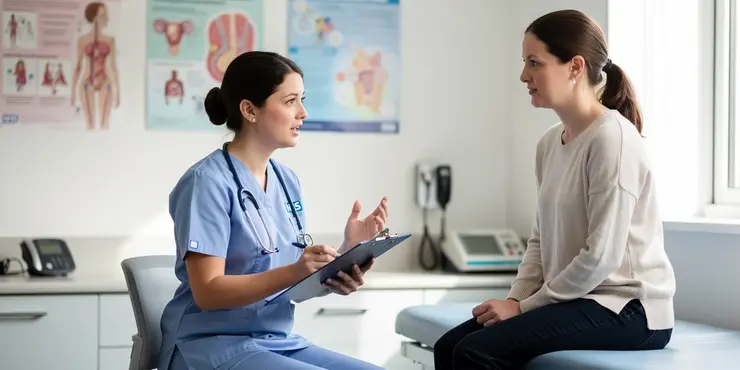
Why is a womb lining test performed?
Relevance: 93%
-
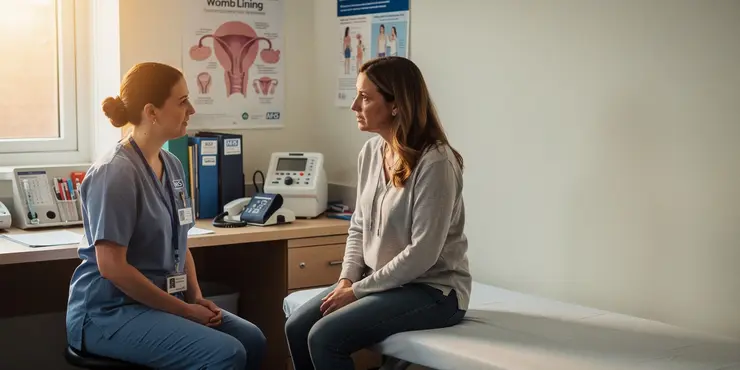
What is the Womb Lining test?
Relevance: 91%
-

Is a womb lining test painful?
Relevance: 91%
-
Why might someone need a womb lining test?
Relevance: 90%
-
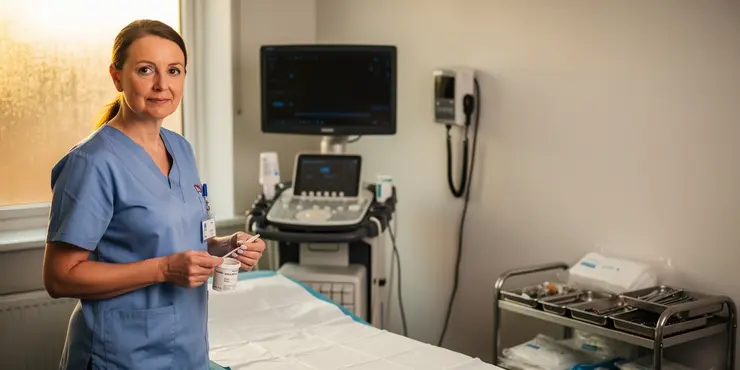
How is a womb lining test conducted?
Relevance: 89%
-
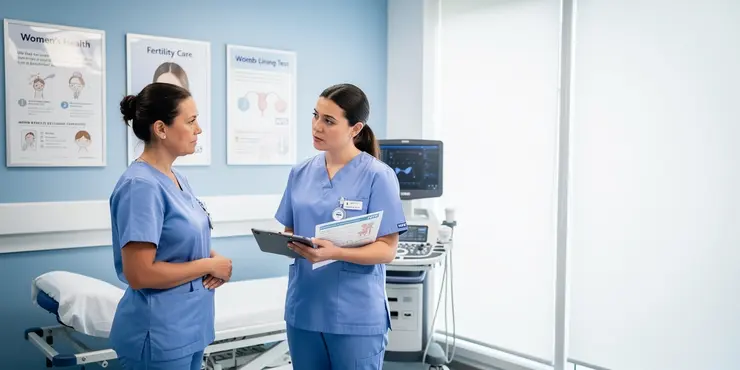
Can a womb lining test detect cancer?
Relevance: 88%
-
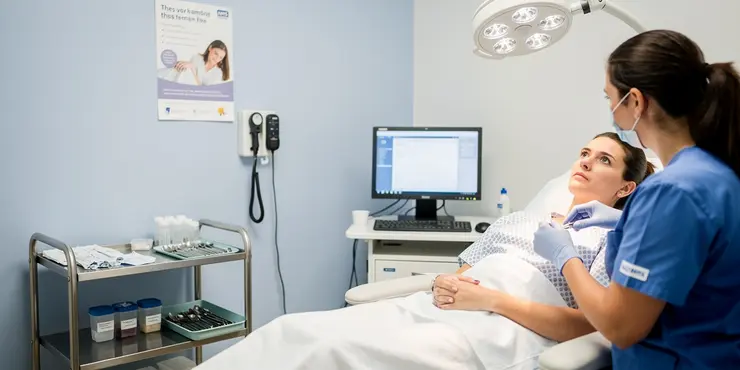
Can a womb lining test detect cancer?
Relevance: 87%

-
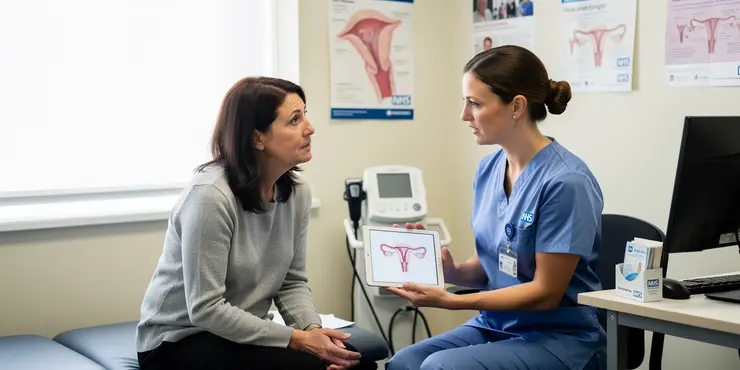
Are there any risks associated with the womb lining test?
Relevance: 86%
-
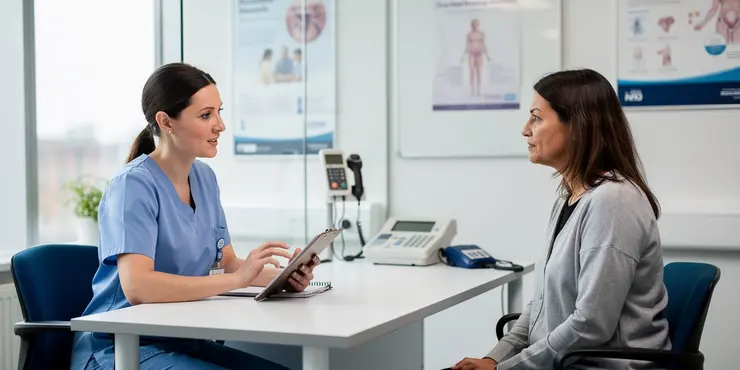
Is the womb lining test painful?
Relevance: 86%
-
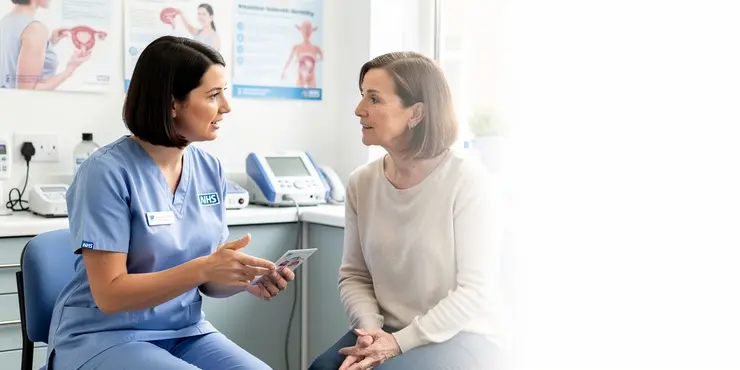
Are there risks associated with a womb lining test?
Relevance: 85%
-
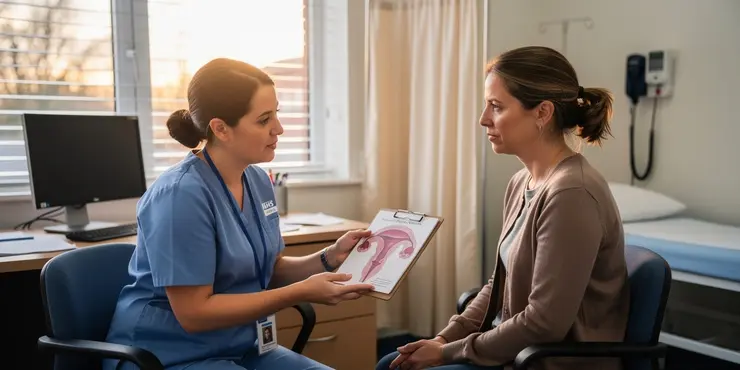
How is the womb lining test performed?
Relevance: 82%
-
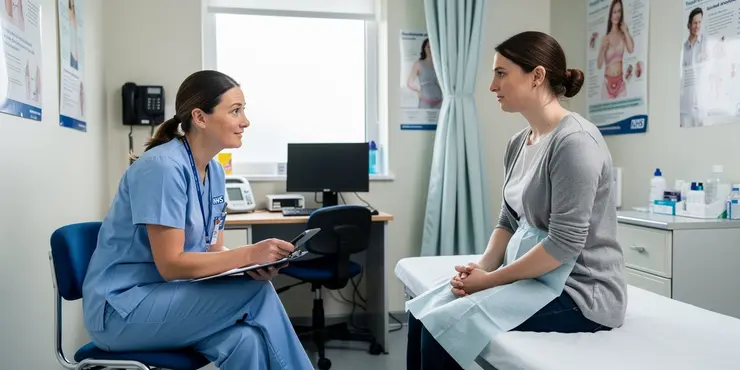
What happens after a womb lining test?
Relevance: 81%
-
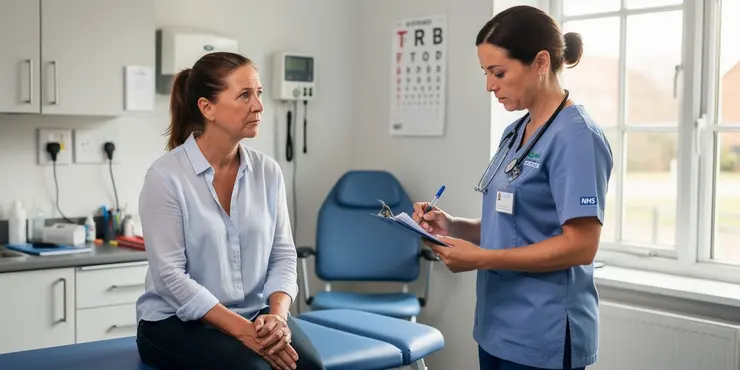
How long does it take to get results from a womb lining test?
Relevance: 79%
-
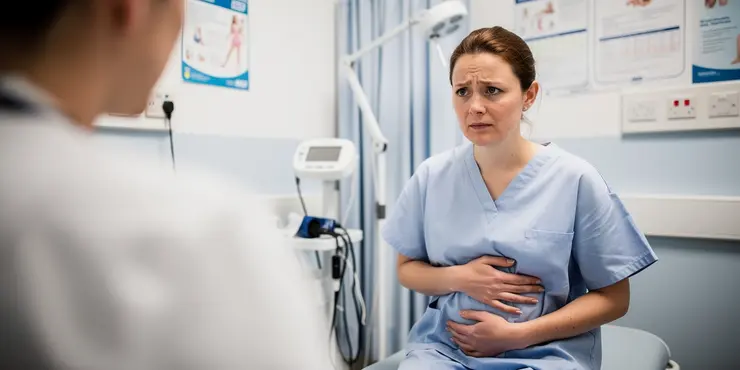
Can I drive after the womb lining test?
Relevance: 79%
-
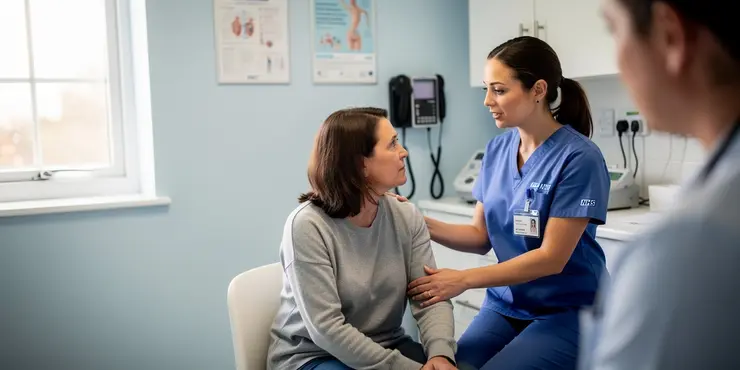
Is there any follow-up required after a womb lining test?
Relevance: 79%
-
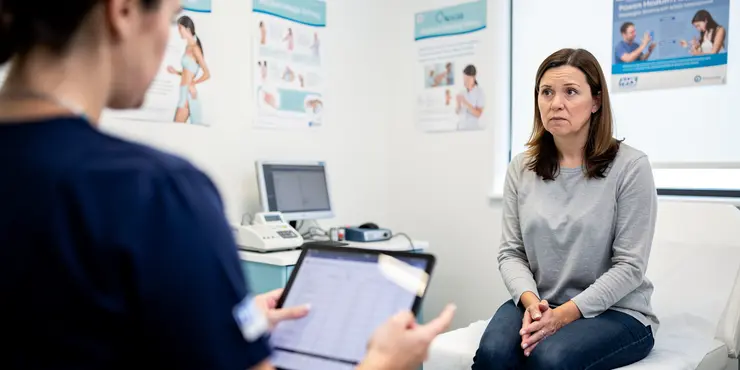
How long does it take to get results from a womb lining test?
Relevance: 78%
-
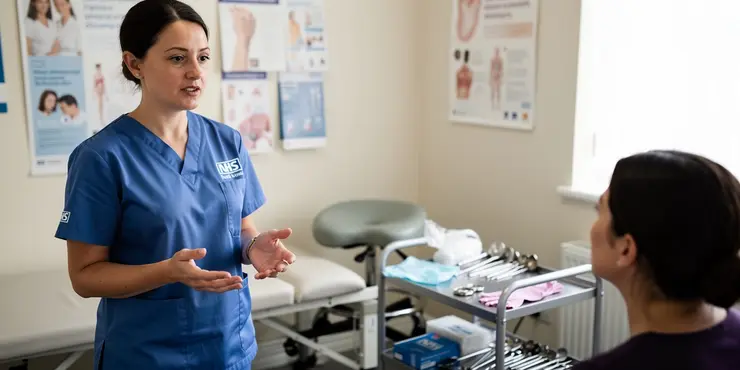
Does the womb lining test require any special preparation?
Relevance: 77%
-
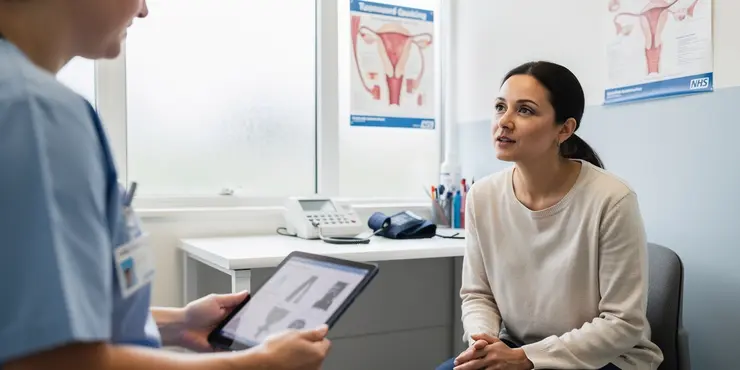
How should I prepare for a womb lining test?
Relevance: 76%
-
What does an evaporation line mean on a pregnancy test?
Relevance: 43%
-

What is a lot line adjustment?
Relevance: 35%
-

How does a pregnancy test work?
Relevance: 26%
-

What should I do if I get unclear results on a pregnancy test?
Relevance: 26%
-

Are digital pregnancy tests more accurate than non-digital tests?
Relevance: 25%
-
What is a pregnancy test?
Relevance: 23%
-
Endometriosis - My Story | NHS
Relevance: 23%
-
How do I use a vision chart for self-testing?
Relevance: 22%
-
What can cause a false positive pregnancy test?
Relevance: 22%
-

When should I take a pregnancy test?
Relevance: 21%
-
Will insurance cover the cost of home colorectal cancer tests?
Relevance: 20%
-

Can a pregnancy test expire?
Relevance: 19%
-

How long should I wait to read the results of a pregnancy test?
Relevance: 19%
-

What types of self-tests are available for eye patients?
Relevance: 19%
-

Can a pregnancy test detect a miscarriage?
Relevance: 18%
-
What treatment for menopause is available on prescription?
Relevance: 18%
-
Will a facelift remove all my wrinkles?
Relevance: 18%
-

What if my pregnancy test is positive?
Relevance: 18%
-
Do all pregnancy tests detect the same levels of hCG?
Relevance: 18%
Is the Womb Lining Test Covered by the NHS?
Understanding the Womb Lining Test
The womb lining test, also known as an endometrial biopsy, is a medical procedure that involves taking a small sample of tissue from the lining of the uterus (endometrium). This test is often performed to investigate the cause of abnormal uterine bleeding, to check the health of the uterine lining, or to assess recurring miscarriages or infertility issues. The tissue sample is examined under a microscope to identify potential abnormalities or conditions such as endometrial hyperplasia or cancer.NHS Coverage in the UK
In the United Kingdom, the National Health Service (NHS) provides a range of healthcare services to residents, funded by taxation. Coverage of specific procedures, such as the womb lining test, depends on clinical necessity and guidelines provided by the NHS. Typically, an endometrial biopsy is covered by the NHS if it is deemed clinically necessary by a healthcare professional. This usually occurs when a patient presents symptoms requiring further investigation, such as abnormal uterine bleeding or unexplained infertility. GPs or specialists, such as gynecologists, can refer patients for the test through the NHS system.Referral and Eligibility
To access a womb lining test through the NHS, patients typically need a referral from their general practitioner (GP). The GP will evaluate the patient’s symptoms and medical history, deciding if further investigation is warranted. If the criteria are met, the GP will refer the patient to a specialist who can perform the procedure as part of NHS services.Factors Affecting NHS Coverage
While the womb lining test is usually covered if medically justified, certain factors could influence coverage. These include current NHS guidelines, availability of specialists, and regional variations in NHS service provision. In some areas, patients might experience waiting times due to high demand for specialist services.Private Healthcare Alternatives
For those who do not qualify for an NHS-funded test, or those who wish to avoid potential waiting lists, private healthcare offers another option. Private clinics can perform an endometrial biopsy without the need for NHS referrals, albeit at a cost to the patient. Costs can vary depending on the clinic and geographical location, and patients should inquire about specific fees during consultations.Conclusion
In summary, the NHS typically covers the womb lining test when it is deemed necessary by a healthcare professional due to underlying medical concerns. Patients will need a referral from their GP to access this service. For those wishing to pursue the test outside the NHS framework, private healthcare options are available, albeit at additional costs. Overall, UK residents benefit from NHS services ensuring medically necessary procedures like the womb lining test are accessible to those in need.Is the Womb Lining Test Covered by the NHS?
What is the Womb Lining Test?
The womb lining test is called an endometrial biopsy. It's a medical test where a doctor takes a tiny piece of tissue from the inside of the womb. This is to find out why a woman might have unusual bleeding, check the womb's health, or see why there are miscarriages or problems getting pregnant. The doctor looks at the tissue through a microscope to see if there are any problems, like extra cells growing or cancer.Does the NHS Pay for This Test in the UK?
In the UK, the National Health Service (NHS) gives people healthcare services which are paid for by taxes. If the womb lining test is needed for health reasons, the NHS usually pays for it. Doctors will ask for this test if a patient has signs that need checking, like unusual bleeding or trouble getting pregnant. Your regular doctor or a specialist doctor can send you for this test through the NHS.How to Get the Test?
To have the womb lining test with the NHS, you usually need a letter from your regular doctor. The doctor will check your symptoms and health history to see if you need more tests. If you do, the doctor will send you to a specialist for the test at the NHS.Things That Affect NHS Coverage
The NHS will usually pay for the test if it’s needed for health reasons. But, some things might affect this, like NHS rules, how many specialists are available, and differences in NHS services in different areas. In some places, you might have to wait longer because many people need specialist help.What if You Want the Test Quickly?
If you can’t get the test through the NHS or want it sooner, you can go to a private clinic. Private clinics can do the test without an NHS letter, but you will have to pay for it. The cost can change depending on where the clinic is, so ask about prices when you speak to them.In Summary
The NHS will usually pay for the womb lining test if a doctor says you need it for health reasons. You will need a letter from your regular doctor to get this service. If you want the test without the NHS or don't want to wait, you can go to a private clinic, but it will cost you. People in the UK can get important medical tests like the womb lining test through the NHS when needed.Frequently Asked Questions
What is a womb lining test?
A womb lining test, also known as an endometrial biopsy, is a procedure where a small sample of the lining of the uterus (endometrium) is taken for examination.
Is the womb lining test covered by the NHS?
Yes, the womb lining test is generally covered by the NHS if it is considered medically necessary by your healthcare provider.
Under what circumstances would the NHS cover the womb lining test?
The NHS covers this test when it is necessary for diagnosing conditions such as abnormal uterine bleeding, infertility investigations, or to check for uterine cancer.
Do I need a referral to get a womb lining test on the NHS?
Yes, you typically need a referral from your GP or a specialist to have a womb lining test done on the NHS.
Are there any costs associated with a womb lining test on the NHS?
There are usually no direct costs to patients for a womb lining test carried out on the NHS, provided you have a valid referral.
How long does it take to receive the results of a womb lining test on the NHS?
Results can typically take anywhere from a few days to a couple of weeks, depending on the laboratory processing the samples.
Where is a womb lining test performed in the NHS?
The test is usually performed in a hospital or a specialist clinic within the NHS.
Is the procedure for a womb lining test painful?
The procedure can cause some discomfort or cramping, but it is generally quick and many women find it tolerable. Your healthcare provider can offer advice on pain relief if needed.
What should I do if my GP says a womb lining test is necessary?
Follow your GP's guidance on how to proceed, which may include referring you to a specialist or providing additional information on how the test will be performed.
Can the womb lining test detect cancer?
Yes, an endometrial biopsy can help detect abnormal cells, including cancerous cells, in the lining of the uterus.
How should I prepare for a womb lining test?
Your healthcare provider will give you specific instructions, but generally, you may need to avoid using tampons, douches, and vaginal medications before the test.
Is there an alternative to a womb lining test?
Depending on your symptoms and medical history, your doctor may suggest other tests such as an ultrasound or a hysteroscopy, but an endometrial biopsy is often the most direct way to examine the uterine lining.
What are the potential risks of a womb lining test?
Complications are rare but can include bleeding, infection, or uterine perforation. Discuss any concerns with your healthcare provider before the procedure.
How can I access more information about womb lining tests on the NHS?
You can ask your GP for more information or visit the NHS website to learn more about this procedure and its indications.
What should I do if I experience severe pain after a womb lining test?
Contact your healthcare provider or visit a hospital if you experience severe pain, heavy bleeding, or signs of infection after the test.
What is a womb lining test?
A womb lining test checks the inside of a woman's womb. This lining is called the "endometrium."
The doctor takes a tiny piece of the womb lining. This is called a "sample."
The doctor looks at the sample to check if it is healthy.
This test can help find out why a woman may have trouble having a baby or has heavy periods.
If you find reading hard, you can ask someone to help you read this text.
A womb lining test, or endometrial biopsy, is a check-up. The doctor takes a tiny piece of the inside of the womb. This is to have a look and see if everything is okay.
Use tools like a read-aloud program to help. Listening can make it easier to understand.
Does the NHS pay for the womb lining test?
The NHS might pay for some womb tests. Ask your doctor if they cover this test. You can use a friend, family member, or helper to ask questions. They can help you understand better.
Yes, the NHS usually pays for the womb lining test if your doctor thinks you need it for your health.
When would the NHS pay for a womb lining test?
The NHS might pay for a womb lining test if it is really needed for your health. Here are some reasons they might pay for it:
- If your doctor thinks the test is very important for you.
- If you have been having trouble having a baby for a long time.
- If other treatments have not worked for you.
To know more or to ask for help, you can:
- Talk to your doctor.
- Ask a nurse.
- Look for information on the NHS website.
The NHS pays for this test when it is needed. It helps doctors find out about problems like unusual bleeding from the womb, trouble having a baby, or to see if there is cancer in the womb.
Do I need a letter from a doctor to have a womb lining test on the NHS?
Here is what you need to know:
- A womb lining test checks the inside of a woman's tummy.
- On the NHS, you often need a letter from your doctor. This is called a "referral".
- Your doctor will write a referral if you need the test.
Tips to help you:
- Ask your doctor if you need the test and how to get a referral.
- Bring a friend or family member to help you at the doctor’s appointment.
- Write down any questions you have before you visit the doctor.
Yes, you usually need a letter from your doctor to get a womb lining test on the NHS.
Do you have to pay for a womb lining test on the NHS?
If you get a womb lining test at the NHS, you usually don't have to pay.
If you need help understanding, you can ask someone to explain it to you.
If the doctor says you need a womb lining test, it usually won't cost you money because the NHS covers it.
How long do I wait for womb lining test results from the NHS?
If you have a womb lining test with the NHS, you might wonder how long it takes to get the results. Here is some easy information to help you:
- It usually takes a few weeks to get your test results.
- If you are worried or have questions, you can ask your nurse or doctor.
- It might help to use a calendar to write down when you expect your results.
- You can set a reminder on your phone to call the doctor’s office if you haven’t heard back after a few weeks.
Remember, you can ask for help from a friend or family member if you need support. Always talk to your doctor or nurse if you have more questions.
You might get your results in a few days. Sometimes it can take up to two weeks. It depends on the lab that is looking at the samples.
Where does the NHS do a womb lining test?
The test is usually done in a hospital or special clinic in the NHS. NHS is the place you go for health help in the UK.
Does a womb lining test hurt?
This test checks the inside of the womb. It might feel a bit uncomfortable, but many people say it doesn't hurt much. Taking deep breaths can help you relax. You might also like to bring a friend or listen to music. Tell your doctor if you feel too much pain. They can help make it easier for you.
This test might hurt a bit or make your tummy cramp. But it doesn't take long, and many women say it's okay. The doctor can help with pain if you need it.
What if my doctor says I need a womb lining test?
If your doctor says you need a test for your womb lining, don't worry. They want to check to make sure you are healthy. Here’s what you can do:
- Ask your doctor to explain the test in a way you understand.
- Use pictures or drawings to help you understand what will happen.
- Bring someone with you to the appointment who can help you remember what the doctor says.
- Write down any questions you have and ask them to the doctor.
- Make sure you know when and where the test will be done.
It’s okay to ask for help if you need it. Your doctor is there to help you.
Listen to what your doctor says. They might tell you to see another doctor who knows a lot about your problem. They can also give you more information about how the test will be done.
Can a test find cancer in the womb lining?
Doctors can use a test to check the womb lining.
This test can help find cancer.
If you have questions, you can ask your doctor.
Family or friends can support you too.
Yes, an endometrial biopsy can find bad cells, like cancer cells, in the lining of the womb.
Here are some tips to help you understand this:
- Endometrial biopsy: This is a test where the doctor takes a tiny piece of tissue from the lining of the womb to check for problems.
- Abnormal cells: These are cells that do not look or act like normal, healthy cells.
- Cancerous cells: These are cells that can grow uncontrollably and might be dangerous.
- Lining of the uterus: The uterus, also called the womb, is where a baby grows during pregnancy. The lining is the inner part of the womb.
Supporting tools:
- Use a dictionary to find out what big words mean.
- Ask someone for help if you don't understand something.
- Break the information into small parts and read it slowly.
Getting Ready for a Womb Lining Test
It is important to prepare before your test. Here are some easy steps to help you:
- Talk to your doctor. Ask them any questions you have about the test.
- Write down the day and time of your test so you do not forget.
- Follow your doctor's instructions about eating and drinking before the test.
- Wear comfortable clothes on the day of the test.
- Bring a friend or family member with you for support.
If you find it hard to remember things, try using reminders on your phone or ask someone to help you.
Your doctor will tell you what to do, but usually, you should not use tampons, douches, or vaginal medicine before the test.
Are there other ways to check the womb lining?
Your doctor might ask you to have more tests, like an ultrasound or a hysteroscopy, based on how you feel and your health history. But taking a small sample from the uterus, called an endometrial biopsy, is often the best way to check the inside of the uterus.
What could go wrong with a womb lining test?
Problems do not happen often, but they can include bleeding, infection, or a hole in the uterus.
Talk to your doctor about any worries you have before the procedure.
How can I find out more about womb lining tests on the NHS?
If you want to know more about womb lining tests, you can:
- Ask your doctor for more information.
- Visit the NHS website for details.
- Use simple search terms like "womb lining test NHS" online.
- Have someone help you find information.
It's important to get help if you need it.
You can talk to your doctor if you want to know more. You can also look it up on the NHS website to find out what this procedure does and why you might need it.
What to do if you have bad pain after a womb lining test?
If you have very strong pain after your womb lining test, tell someone. It is important to talk to a doctor or nurse. They can help you. You can also try these things:
- Use a warm cloth or heat pack on your tummy. This can make the pain feel better.
- Take some medicine for pain. Ask a grown-up or a doctor what medicine is best for you.
- Rest in a comfy place. This can help you feel calm and relaxed.
Remember, it is always good to tell someone if you feel very bad. They can help you feel better.
Call your doctor or go to the hospital if you have very bad pain, lots of bleeding, or think you might have an infection after the test.

Useful Links
This website offers general information and is not a substitute for professional advice.
Always seek guidance from qualified professionals.
If you have any medical concerns or need urgent help, contact a healthcare professional or emergency services immediately.
Some of this content was generated with AI assistance. We’ve done our best to keep it accurate, helpful, and human-friendly.
- Ergsy carfully checks the information in the videos we provide here.
- Videos shown by Youtube after a video has completed, have NOT been reviewed by ERGSY.
- To view, click the arrow in centre of video.
- Most of the videos you find here will have subtitles and/or closed captions available.
- You may need to turn these on, and choose your preferred language.
- Go to the video you'd like to watch.
- If closed captions (CC) are available, settings will be visible on the bottom right of the video player.
- To turn on Captions, click settings .
- To turn off Captions, click settings again.
More Items From Ergsy search
-
Is the womb lining test covered by the NHS?
Relevance: 100%
-
Is the womb lining test covered by the NHS?
Relevance: 100%
-
What is the womb lining test?
Relevance: 95%
-
Why is a womb lining test performed?
Relevance: 93%
-
What is the Womb Lining test?
Relevance: 91%
-
Is a womb lining test painful?
Relevance: 91%
-
Why might someone need a womb lining test?
Relevance: 90%
-
How is a womb lining test conducted?
Relevance: 89%
-
Can a womb lining test detect cancer?
Relevance: 88%
-
Can a womb lining test detect cancer?
Relevance: 87%
-
Are there any risks associated with the womb lining test?
Relevance: 86%
-
Is the womb lining test painful?
Relevance: 86%
-
Are there risks associated with a womb lining test?
Relevance: 85%
-
How is the womb lining test performed?
Relevance: 82%
-
What happens after a womb lining test?
Relevance: 81%
-
How long does it take to get results from a womb lining test?
Relevance: 79%
-
Can I drive after the womb lining test?
Relevance: 79%
-
Is there any follow-up required after a womb lining test?
Relevance: 79%
-
How long does it take to get results from a womb lining test?
Relevance: 78%
-
Does the womb lining test require any special preparation?
Relevance: 77%
-
How should I prepare for a womb lining test?
Relevance: 76%
-
What does an evaporation line mean on a pregnancy test?
Relevance: 43%
-
What is a lot line adjustment?
Relevance: 35%
-
How does a pregnancy test work?
Relevance: 26%
-
What should I do if I get unclear results on a pregnancy test?
Relevance: 26%
-
Are digital pregnancy tests more accurate than non-digital tests?
Relevance: 25%
-
What is a pregnancy test?
Relevance: 23%
-
Endometriosis - My Story | NHS
Relevance: 23%
-
How do I use a vision chart for self-testing?
Relevance: 22%
-
What can cause a false positive pregnancy test?
Relevance: 22%
-
When should I take a pregnancy test?
Relevance: 21%
-
Will insurance cover the cost of home colorectal cancer tests?
Relevance: 20%
-
Can a pregnancy test expire?
Relevance: 19%
-
How long should I wait to read the results of a pregnancy test?
Relevance: 19%
-
What types of self-tests are available for eye patients?
Relevance: 19%
-
Can a pregnancy test detect a miscarriage?
Relevance: 18%
-
What treatment for menopause is available on prescription?
Relevance: 18%
-
Will a facelift remove all my wrinkles?
Relevance: 18%
-
What if my pregnancy test is positive?
Relevance: 18%
-
Do all pregnancy tests detect the same levels of hCG?
Relevance: 18%