

Find Help
More Items From Ergsy search
-
Are there any risks involved in switching banks?
Relevance: 100%
-
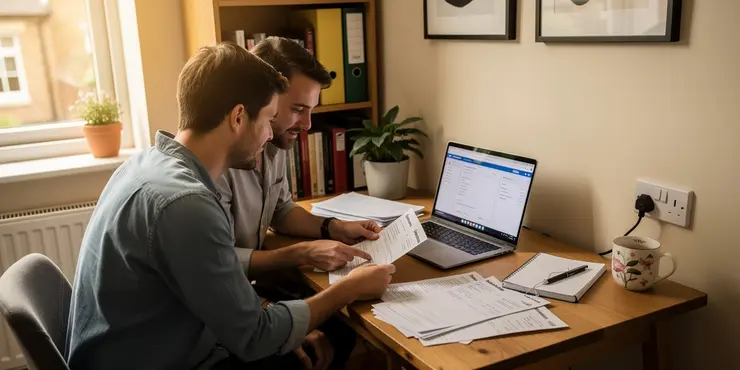
Are there any risks involved in switching banks?
Relevance: 99%
-
Can I save money by switching my bank?
Relevance: 82%
-
How long does it take to switch banks?
Relevance: 81%
-

Can I save money by switching my bank?
Relevance: 81%
-

Can switching banks offer better loan options?
Relevance: 80%
-
Can I save money by switching my bank?
Relevance: 80%
-

How long does it take to switch banks?
Relevance: 79%
-

Will switching banks affect my credit score?
Relevance: 79%
-

Is it easy to switch banks to Monzo or Revolut?
Relevance: 78%

-
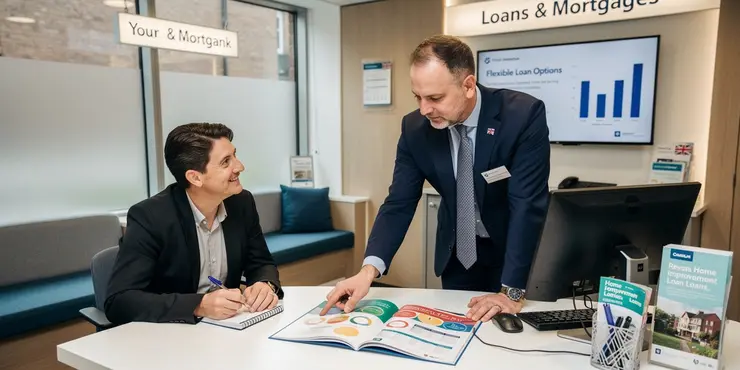
Can switching banks offer better loan options?
Relevance: 78%
-
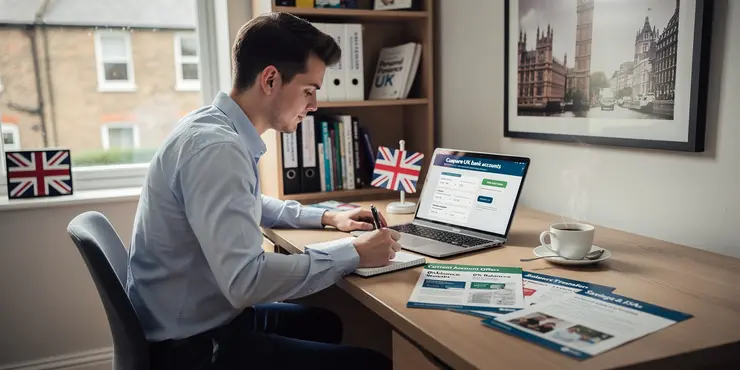
Is it worth switching banks for a sign-up bonus?
Relevance: 78%
-

Is it worth switching banks for a sign-up bonus?
Relevance: 78%
-
Can switching banks help me budget better?
Relevance: 76%
-
Will switching banks affect my credit score?
Relevance: 76%
-
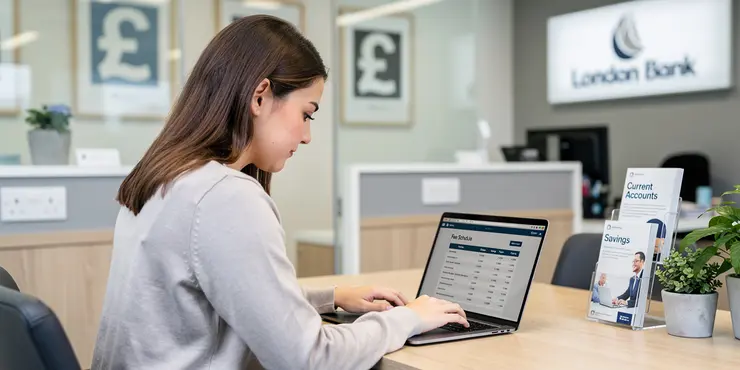
What are some common mistakes to avoid when switching banks?
Relevance: 76%
-
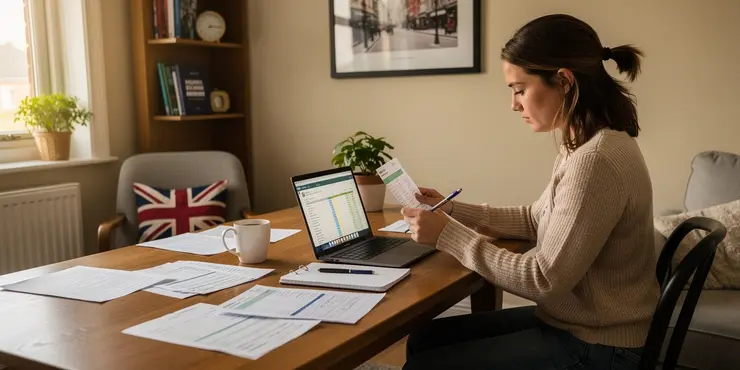
Can switching banks help me budget better?
Relevance: 75%
-

What are some common mistakes to avoid when switching banks?
Relevance: 74%
-
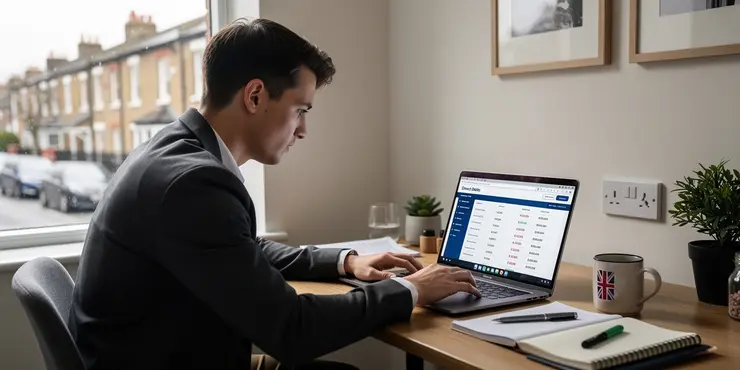
What should I do with my automatic payments when switching banks?
Relevance: 72%
-

What should I consider when switching banks to save money?
Relevance: 71%
-

What should I consider when switching banks to save money?
Relevance: 71%
-
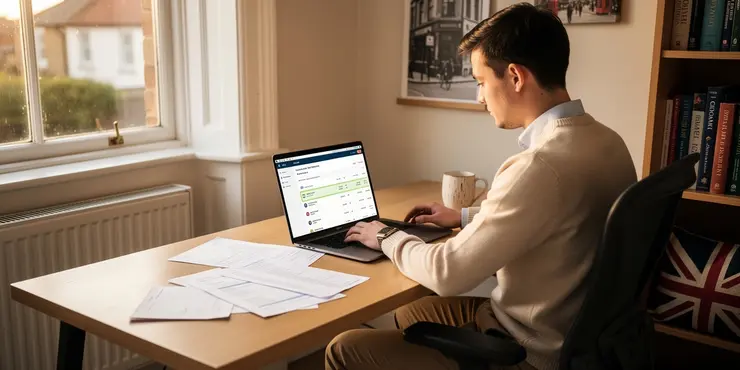
What should I do with my automatic payments when switching banks?
Relevance: 70%
-

Should I switch my savings account, checking account, or both?
Relevance: 66%
-
Should I switch my savings account, checking account, or both?
Relevance: 65%
-
How important is it to consider the bank's ATM network when switching?
Relevance: 62%
-

How important is it to consider the bank's ATM network when switching?
Relevance: 59%
-

What documents do I need to switch energy suppliers?
Relevance: 57%
-
What's the difference between switching to a credit union versus a bank?
Relevance: 56%
-
Are online banks cheaper than traditional banks?
Relevance: 52%
-
Are online banks cheaper than traditional banks?
Relevance: 51%
-

Are online banks like Monzo and Revolut safe?
Relevance: 50%
-
Do online banks have lower fees than traditional banks?
Relevance: 50%
-
Are there benefits to having multiple bank accounts at different banks?
Relevance: 49%
-
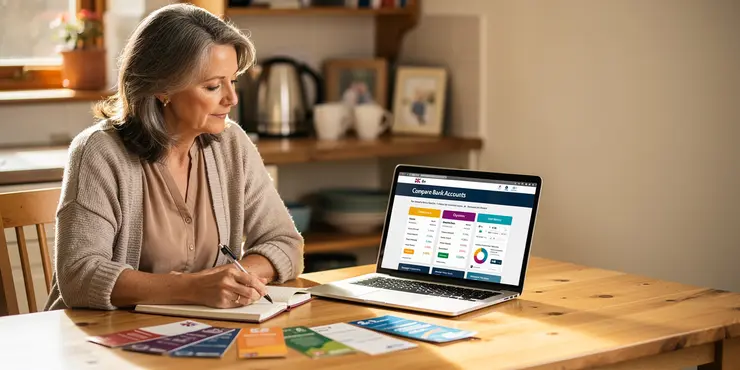
How can I compare banks to find the best deal?
Relevance: 47%
-
What's the difference between switching to a credit union versus a bank?
Relevance: 47%
-

How can consumers protect themselves from hidden banking fees?
Relevance: 46%
-
Are there benefits to having multiple bank accounts at different banks?
Relevance: 45%
-
Will my energy supply be interrupted if I switch suppliers?
Relevance: 45%
-
Is it possible to switch my mortgage type if interest rates become unfavourable?
Relevance: 44%
-
Can I switch NHS dentists?
Relevance: 43%
Introduction to Switching Banks
Switching banks in the UK is a common occurrence, as customers look for better interest rates and improved services. However, this process can come with certain risks that individuals should be aware of. Understanding these risks is crucial for a smooth transition.
The Current Account Switch Service (CASS) in the UK is designed to make switching banks easy and hassle-free. Despite this, there still are potential pitfalls that could arise during the switch.
Disruption of Direct Debits and Standing Orders
One of the main risks when switching banks is the possible disruption to direct debits and standing orders. While most transfers are automatic with CASS, errors can occur.
If these payments are not transferred correctly, it might result in missed payments. This could lead to penalties or affect your credit score if you miss a payment deadline as a result.
Access to Funds
Another risk involved in switching banks is the potential temporary inaccessibility to funds. During the switch, there could be a delay in transferring funds from one account to another.
Although this is typically resolved quickly, it's advisable to have some backup funds available. This ensures that you won't be left in a tight spot if delays occur during the transfer.
Adapting to New Banking Systems
Switching banks also means adjusting to new banking systems, which can be a challenge for some. If the new bank's online and mobile banking platforms are different from what you're accustomed to, there may be a learning curve.
This adjustment period can be inconvenient, especially if you're not tech-savvy. It’s vital to familiarize yourself with the new bank’s systems promptly to avoid any potential mishaps.
Impact on Credit Products and Overdrafts
If you have any credit products or overdrafts linked to your old bank, these will not automatically transfer. You’ll need to address these accounts separately during the switch.
Failing to manage credit products properly can lead to increased costs or loss of specific benefits. It's important to carefully plan how these will be handled to avoid any financial disadvantages.
Conclusion: Weighing the Risks
While there are risks associated with switching banks in the UK, many can be mitigated with proper planning. Being informed about what the process involves and preparing for potential issues can help ensure a smooth transition.
Consider these risks and weigh them against the benefits of switching, such as better services or financial savings, to make an informed decision. Proper management can help minimize disruptions and safeguard against any negative impacts.
Frequently Asked Questions
What are some common risks of switching banks?
Common risks include potential fees during the transfer, missing funds due to account transfer errors, potential delays in payroll or other automatic deposits, loss of established credit line conditions, and adjustment to new terms or conditions.
Can I incur fees when switching banks?
Yes, some banks may charge account closure fees, and there could also be fees for transferring funds or for not meeting minimum balance requirements during the switch.
How might switching banks affect my credit score?
Switching banks typically does not directly impact your credit score unless the old account was tied to credit products or if you close long-standing accounts that contribute to your credit history.
Is there a risk of missing bill payments when switching banks?
Yes, if automatic payments are not transferred or updated promptly, there is a risk of missing bill payments.
What happens to my direct deposits when I switch banks?
You need to update your direct deposit instructions with your new account information, or there could be a delay or failure in receiving payments.
Can switching banks lead to security risks?
There is a risk if sensitive information is not handled securely during the switch, and you should ensure the new bank has strong security measures in place.
How might switching banks impact my relationship with my current bank?
Switching banks may sever the relationship you have built, possibly resulting in losing personalized service, offers, or negotiated terms.
Could I lose access to financial services by switching banks?
If the new bank doesn't offer certain services that you rely on, you could lose access until you find a replacement service.
What risks are associated with transferring linked accounts?
Transferring linked accounts may involve administrative errors, potential service interruptions, or unexpected fees if not done carefully.
Are there risks if I switch banks too frequently?
Frequent switching can lead to financial instability, missed payments, and challenges in establishing loyal customer benefits or offers.
Can I lose loyalty bonuses or points by switching banks?
Yes, banks often have loyalty programs, and switching may result in losing accrued points or bonuses if they're not transferable.
Am I at risk of fraudulent activity during the switch?
There's always a risk of fraud when sensitive information is transmitted, so it's crucial to ensure all transactions and communications are secure.
How does switching banks affect my financial stability?
The process of switching can temporarily disrupt your financial stability, especially if there are delays in setting up or transferring automatic payments and deposits.
Are there risks related to accessing funds immediately in my new account?
Some delays might occur before funds are fully available in your new account, especially if there are holds placed by the bank.
What if I forget to close my old bank account?
If you forget to close your old account, you could incur fees from the old bank for maintaining a low balance or failing to meet account requirements.
Are there any tax implications to be aware of when switching banks?
Generally, there are no direct tax implications from switching banks, but it's essential to ensure all relevant tax documents and account records are updated and complete.
Can I lose overdraft facilities when switching banks?
Yes, if your previous overdraft facility doesn't transfer or the new bank has different credit assessment criteria, you might lose or receive different overdraft terms.
What is the risk if my new bank doesn’t offer the same facilities as the old one?
You could face inconveniences if the new bank lacks specific facilities like certain types of loans, investment products, or advanced online banking features.
How can missing documents affect my bank switch?
Missing documents can delay account setup or transactions, potentially causing disruptions in payment schedules or funds availability.
Are there regulatory risks involved in switching banks?
While not common, switching to a bank that is less regulated could expose you to higher risks of service issues or financial mishandling.

Useful Links
This website offers general information and is not a substitute for professional advice.
Always seek guidance from qualified professionals.
If you have any medical concerns or need urgent help, contact a healthcare professional or emergency services immediately.
Some of this content was generated with AI assistance. We’ve done our best to keep it accurate, helpful, and human-friendly.
- Ergsy carfully checks the information in the videos we provide here.
- Videos shown by Youtube after a video has completed, have NOT been reviewed by ERGSY.
- To view, click the arrow in centre of video.
- Most of the videos you find here will have subtitles and/or closed captions available.
- You may need to turn these on, and choose your preferred language.
- Go to the video you'd like to watch.
- If closed captions (CC) are available, settings will be visible on the bottom right of the video player.
- To turn on Captions, click settings .
- To turn off Captions, click settings again.
More Items From Ergsy search
-
Are there any risks involved in switching banks?
Relevance: 100%
-
Are there any risks involved in switching banks?
Relevance: 99%
-
Can I save money by switching my bank?
Relevance: 82%
-
How long does it take to switch banks?
Relevance: 81%
-
Can I save money by switching my bank?
Relevance: 81%
-
Can switching banks offer better loan options?
Relevance: 80%
-
Can I save money by switching my bank?
Relevance: 80%
-
How long does it take to switch banks?
Relevance: 79%
-
Will switching banks affect my credit score?
Relevance: 79%
-
Is it easy to switch banks to Monzo or Revolut?
Relevance: 78%
-
Can switching banks offer better loan options?
Relevance: 78%
-
Is it worth switching banks for a sign-up bonus?
Relevance: 78%
-
Is it worth switching banks for a sign-up bonus?
Relevance: 78%
-
Can switching banks help me budget better?
Relevance: 76%
-
Will switching banks affect my credit score?
Relevance: 76%
-
What are some common mistakes to avoid when switching banks?
Relevance: 76%
-
Can switching banks help me budget better?
Relevance: 75%
-
What are some common mistakes to avoid when switching banks?
Relevance: 74%
-
What should I do with my automatic payments when switching banks?
Relevance: 72%
-
What should I consider when switching banks to save money?
Relevance: 71%
-
What should I consider when switching banks to save money?
Relevance: 71%
-
What should I do with my automatic payments when switching banks?
Relevance: 70%
-
Should I switch my savings account, checking account, or both?
Relevance: 66%
-
Should I switch my savings account, checking account, or both?
Relevance: 65%
-
How important is it to consider the bank's ATM network when switching?
Relevance: 62%
-
How important is it to consider the bank's ATM network when switching?
Relevance: 59%
-
What documents do I need to switch energy suppliers?
Relevance: 57%
-
What's the difference between switching to a credit union versus a bank?
Relevance: 56%
-
Are online banks cheaper than traditional banks?
Relevance: 52%
-
Are online banks cheaper than traditional banks?
Relevance: 51%
-
Are online banks like Monzo and Revolut safe?
Relevance: 50%
-
Do online banks have lower fees than traditional banks?
Relevance: 50%
-
Are there benefits to having multiple bank accounts at different banks?
Relevance: 49%
-
How can I compare banks to find the best deal?
Relevance: 47%
-
What's the difference between switching to a credit union versus a bank?
Relevance: 47%
-
How can consumers protect themselves from hidden banking fees?
Relevance: 46%
-
Are there benefits to having multiple bank accounts at different banks?
Relevance: 45%
-
Will my energy supply be interrupted if I switch suppliers?
Relevance: 45%
-
Is it possible to switch my mortgage type if interest rates become unfavourable?
Relevance: 44%
-
Can I switch NHS dentists?
Relevance: 43%