

Speak To An Expert
Get clear, personalised advice for your situation.
Jot down a few questions to make the most of your conversation.
More Items From Ergsy search
-

Can supplements help in reducing cancer risk?
Relevance: 100%
-

What are prostate supplements and do they work?
Relevance: 65%
-

Are vegetarians at less risk from cancer?
Relevance: 63%
-

Does Baxdrostat interact with dietary supplements?
Relevance: 63%
-

Can eating vegetables and probiotics help slow prostate cancer?
Relevance: 56%
-

What is the relationship between vegetarian diets and cancer risk?
Relevance: 56%
-

What lifestyle changes can help lower my risk of prostate cancer?
Relevance: 56%
-

Can bowel cancer be prevented?
Relevance: 54%
-

Do all studies agree that vegetarians have a lower cancer risk?
Relevance: 54%
-

What lifestyle changes can help lower the risk of bowel cancer?
Relevance: 53%

-

Can lifestyle changes help prevent testicular cancer?
Relevance: 52%
-

Are peptide supplements safe?
Relevance: 52%
-

What lifestyle changes can aid in prostate cancer recovery?
Relevance: 52%
-

How does aspirin work to reduce cancer risk?
Relevance: 51%
-

What role do probiotics play in managing prostate cancer?
Relevance: 51%
-

Who should consider taking collagen supplements?
Relevance: 50%
-

What role does diet play in the risk of developing bowel cancer?
Relevance: 50%
-

Can athletes benefit from collagen supplements?
Relevance: 50%
-

Is diet linked to the rise in bowel cancer?
Relevance: 49%
-

Should I consult a healthcare provider before starting collagen supplements?
Relevance: 49%
-

Are vegetarians or vegans candidates for collagen supplements?
Relevance: 48%
-

Which types of cancer may vegetarians have a lower risk for?
Relevance: 48%
-

Has aspirin been proven to cure colorectal cancer?
Relevance: 48%
-
Can lifestyle changes help reduce bowel cancer risk?
Relevance: 48%
-

Is aspirin recommended for everyone to prevent colorectal cancer?
Relevance: 48%
-

Who should take collagen supplements?
Relevance: 48%
-

What is dietary fiber?
Relevance: 48%
-

What type of research supports the role of diet in prostate cancer management?
Relevance: 47%
-

Can collagen supplements help with other aspects of skin health?
Relevance: 47%
-

Are there any side effects of taking collagen supplements?
Relevance: 47%
-

What are the risk factors for bowel cancer?
Relevance: 47%
-

What dosage of aspirin is considered effective for cancer prevention?
Relevance: 46%
-

Can lifestyle changes also help prevent colorectal cancer?
Relevance: 46%
-

Is aspirin effective in preventing other types of cancer?
Relevance: 46%
-

Has the FDA approved aspirin for cancer prevention?
Relevance: 46%
-

Am I more at risk of prostate cancer?
Relevance: 46%
-

Are collagen supplements safe for people with allergies?
Relevance: 45%
-

Can lifestyle changes complement prostate cancer treatment?
Relevance: 45%
-

What types of collagen supplements are available?
Relevance: 45%
-

Are there risks associated with home colorectal cancer tests?
Relevance: 45%
Understanding the Role of Supplements
In recent years, the market has been flooded with dietary supplements claiming various health benefits. Among these, some are marketed as reducing the risk of cancer. However, the effectiveness of such claims requires careful examination.
Supplements can range from vitamins and minerals to plant-based compounds. They are often used to fill nutritional gaps in a person's diet. But can they truly impact cancer risk, and if so, how?
Research and Scientific Evidence
Scientific studies on the impact of supplements on cancer risk offer mixed results. While certain vitamins and minerals are essential for health, their effects when taken in isolation or high doses are less clear.
The evidence for supplements such as vitamin D and selenium against cancer prevention has shown some promise. However, the results are not conclusive enough for broad recommendations.
Furthermore, overconsumption of some supplements may lead to adverse effects. It is crucial for individuals to be guided by scientific evidence rather than marketing claims.
Diet vs. Supplements
A healthy, balanced diet remains the cornerstone of cancer risk reduction. Foods such as fruits, vegetables, and whole grains provide a range of nutrients that work synergistically.
Reliance on supplements instead of dietary sources might not provide the same benefits. Whole foods contain a complex mixture of vitamins, minerals, and phytochemicals, which supplements cannot replicate.
Experts often recommend focusing on a nutrient-rich diet and considering supplements only for specific deficiencies or medical advice.
Consulting Healthcare Professionals
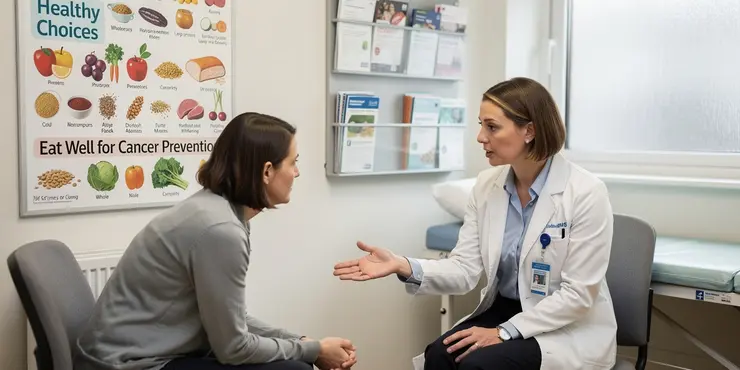
Before starting any supplementation, consulting with healthcare professionals is crucial. They can offer guidance based on individual health needs and conditions.
Doctors and dietitians can recommend appropriate doses and formulations if supplements are necessary. This approach helps mitigate risks associated with excessive intake and interactions with medication.
Personalised advice ensures that supplements support overall health without inadvertently increasing cancer risk.
Conclusion: A Balanced Approach
While supplements can contribute to fulfilling nutritional needs, they should not be the sole strategy for reducing cancer risk. Embracing a diverse and balanced diet provides the broadest spectrum of protection.
Awareness and education about diet, lifestyle, and cancer prevention are vital. Supplements should be considered as part of a holistic approach to health.
This balanced view allows individuals to make informed choices while minimising reliance on supplements alone for cancer risk reduction.
Frequently Asked Questions
Can supplements help in reducing cancer risk?
While some supplements may support general health, there is no definitive evidence that they can reduce cancer risk. It's best to focus on a balanced diet rich in fruits and vegetables.
Are there any supplements proven to prevent cancer?
There are no supplements conclusively proven to prevent cancer. Maintaining a healthy lifestyle is more effective for cancer prevention.
Is taking a multivitamin beneficial for reducing cancer risk?
Multivitamins can help fill nutritional gaps, but there's no strong evidence that they reduce cancer risk in healthy individuals.
Can antioxidant supplements lower cancer risk?
Antioxidants from food sources may contribute to cancer prevention, but high doses of antioxidant supplements might not have the same effect and could be harmful.
Are fish oil supplements effective in cancer prevention?
Research on fish oil supplements and cancer prevention is inconclusive. Consuming omega-3 rich foods like fish is generally recommended over supplements.
Do vitamin D supplements reduce cancer risk?
Some studies suggest vitamin D might lower certain cancer risks, but more research is needed. Getting vitamin D from sunlight and diet is usually preferable.
Can vitamin C prevent cancer?
Vitamin C is important for overall health, but there's no substantial evidence that taking vitamin C supplements can prevent cancer.
Is there any role of vitamin E in cancer prevention?
Vitamin E's role in cancer prevention is unclear, and high doses of supplements have not been shown to reduce cancer risk.
Are selenium supplements beneficial for cancer prevention?
Some studies have explored selenium's potential in cancer prevention, but results are mixed. It's best to obtain selenium through diet.
Can turmeric or curcumin supplements reduce cancer risk?
Curcumin, found in turmeric, has been studied for its anticancer properties, but more research is needed to determine its effectiveness through supplementation.
Do herbal supplements play a role in reducing cancer risk?
Some herbal supplements may have potential benefits, but they can also interact with medications and aren't proven to reduce cancer risk.
Is green tea extract effective in cancer prevention?
Green tea contains antioxidants that may have health benefits, but more research is needed to confirm if green tea extract specifically reduces cancer risk.
Should I take supplements if I have a family history of cancer?
If you have a family history of cancer, focus on a healthy lifestyle and consult with a healthcare provider before starting any supplements.
Are probiotics supplements linked to cancer risk reduction?
Probiotics may support gut health, but there is no clear evidence that they reduce cancer risk.
Can zinc supplements protect against cancer?
Zinc is vital for immune function, but there's no conclusive evidence that zinc supplements can prevent cancer.
Do B vitamins reduce the risk of cancer?
B vitamins are essential for health, yet their role in cancer prevention isn't well-established. It's best to get them from balanced nutrition.
Is calcium supplementation linked to cancer prevention?
Calcium is important for bone health, and its supplement form has mixed evidence regarding cancer prevention. The focus should be on balanced intake.
Do fiber supplements help reduce cancer risk?
Dietary fiber from whole foods is associated with reduced cancer risk, but fiber supplements alone don't have the same strong evidence.
Are there risks associated with taking supplements for cancer prevention?
Yes, high doses of certain supplements can have adverse effects and are not proven to prevent cancer. Always consult a healthcare provider.
What is the best approach to reducing cancer risk?
The best approach includes a healthy diet, regular exercise, avoiding smoking and excessive alcohol, and getting regular health screenings.

Useful Links
This website offers general information and is not a substitute for professional advice.
Always seek guidance from qualified professionals.
If you have any medical concerns or need urgent help, contact a healthcare professional or emergency services immediately.
Some of this content was generated with AI assistance. We've done our best to keep it accurate, helpful, and human-friendly.
- Ergsy carefully checks the information in the videos we provide here.
- Videos shown by Youtube after a video has completed, have NOT been reviewed by ERGSY.
- To view, click the arrow in centre of video.
- Most of the videos you find here will have subtitles and/or closed captions available.
- You may need to turn these on, and choose your preferred language.
- Go to the video you'd like to watch.
- If closed captions (CC) are available, settings will be visible on the bottom right of the video player.
- To turn on Captions, click settings.
- To turn off Captions, click settings again.
More Items From Ergsy search
-
Can supplements help in reducing cancer risk?
Relevance: 100%
-
What are prostate supplements and do they work?
Relevance: 65%
-
Are vegetarians at less risk from cancer?
Relevance: 63%
-
Does Baxdrostat interact with dietary supplements?
Relevance: 63%
-
Can eating vegetables and probiotics help slow prostate cancer?
Relevance: 56%
-
What is the relationship between vegetarian diets and cancer risk?
Relevance: 56%
-
What lifestyle changes can help lower my risk of prostate cancer?
Relevance: 56%
-
Can bowel cancer be prevented?
Relevance: 54%
-
Do all studies agree that vegetarians have a lower cancer risk?
Relevance: 54%
-
What lifestyle changes can help lower the risk of bowel cancer?
Relevance: 53%
-
Can lifestyle changes help prevent testicular cancer?
Relevance: 52%
-
Are peptide supplements safe?
Relevance: 52%
-
What lifestyle changes can aid in prostate cancer recovery?
Relevance: 52%
-
How does aspirin work to reduce cancer risk?
Relevance: 51%
-
What role do probiotics play in managing prostate cancer?
Relevance: 51%
-
Who should consider taking collagen supplements?
Relevance: 50%
-
What role does diet play in the risk of developing bowel cancer?
Relevance: 50%
-
Can athletes benefit from collagen supplements?
Relevance: 50%
-
Is diet linked to the rise in bowel cancer?
Relevance: 49%
-
Should I consult a healthcare provider before starting collagen supplements?
Relevance: 49%
-
Are vegetarians or vegans candidates for collagen supplements?
Relevance: 48%
-
Which types of cancer may vegetarians have a lower risk for?
Relevance: 48%
-
Has aspirin been proven to cure colorectal cancer?
Relevance: 48%
-
Can lifestyle changes help reduce bowel cancer risk?
Relevance: 48%
-
Is aspirin recommended for everyone to prevent colorectal cancer?
Relevance: 48%
-
Who should take collagen supplements?
Relevance: 48%
-
What is dietary fiber?
Relevance: 48%
-
What type of research supports the role of diet in prostate cancer management?
Relevance: 47%
-
Can collagen supplements help with other aspects of skin health?
Relevance: 47%
-
Are there any side effects of taking collagen supplements?
Relevance: 47%
-
What are the risk factors for bowel cancer?
Relevance: 47%
-
What dosage of aspirin is considered effective for cancer prevention?
Relevance: 46%
-
Can lifestyle changes also help prevent colorectal cancer?
Relevance: 46%
-
Is aspirin effective in preventing other types of cancer?
Relevance: 46%
-
Has the FDA approved aspirin for cancer prevention?
Relevance: 46%
-
Am I more at risk of prostate cancer?
Relevance: 46%
-
Are collagen supplements safe for people with allergies?
Relevance: 45%
-
Can lifestyle changes complement prostate cancer treatment?
Relevance: 45%
-
What types of collagen supplements are available?
Relevance: 45%
-
Are there risks associated with home colorectal cancer tests?
Relevance: 45%