

Speak To An Expert
Get clear, personalised advice for your situation.
Jot down a few questions to make the most of your conversation.
More Items From Ergsy search
-

Debate Intensifies Over Welfare Reforms Impacting Disabled Citizens
Relevance: 100%
-

Proposed Welfare Cuts and Their Impact on Vulnerable Populations
Relevance: 57%
-
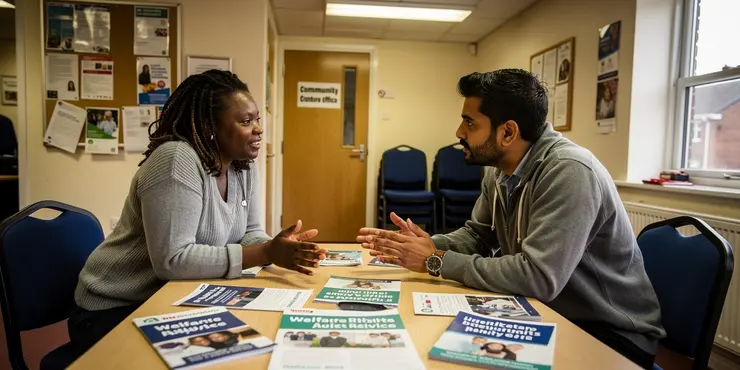
Where can I get help understanding my welfare rights?
Relevance: 56%
-

Am I entitled to welfare support?
Relevance: 55%
-

How do I check if I can claim the welfare help I need now?
Relevance: 47%
-

Government Faces Backlash Over Welfare System Access Delays
Relevance: 44%
-

Study Reveals Disparities in Welfare Support Between Urban and Rural Areas
Relevance: 40%
-

What is a learning disability?
Relevance: 37%
-

Are there grants specifically for individuals with disabilities?
Relevance: 36%
-

New Report Highlights Gaps in Mental Health Services for Welfare Recipients
Relevance: 36%

-

Local Councils Struggle with Increasing Demand for Welfare Support
Relevance: 35%
-

Can I get help with welfare payments if my circumstances have changed?
Relevance: 35%
-

What powers does an attorney have in a Health and Welfare LPA?
Relevance: 34%
-

Flu vaccinations for people with a learning disability
Relevance: 33%
-

Can children with disabilities access school meals?
Relevance: 33%
-

How can I challenge a welfare decision or get a payment reviewed?
Relevance: 33%
-

The NHS Long Term Plan for learning disability and autism
Relevance: 32%
-

Understanding the Impact of Rising Living Costs on Family Welfare
Relevance: 30%
-

Accessing cervical screening with the right support for people with a learning disability
Relevance: 30%
-

What support is available if I’m struggling to claim benefits?
Relevance: 30%
-

Use of reasonable adjustments to reduce health inequalities for people with a learning disability
Relevance: 28%
-

What is the main reason for the proposed cuts to housing benefits?
Relevance: 28%
-

Profound intellectual and multiple disabilities | NHS
Relevance: 27%
-

Transforming Care for people with Learning Disabilities and/ or Autism: Peter's Story
Relevance: 27%
-

Am I entitled to extra support with benefits and living costs?
Relevance: 26%
-

Who is eligible for Household & Cost-of-Living Support grants?
Relevance: 24%
-

Helping someone with multiple diabilities
Relevance: 23%
-

Are there any exceptions to a hosepipe ban?
Relevance: 22%
-

Are there reforms concerning subletting?
Relevance: 21%
-

Harshi’s learning disability annual health check and health action plan
Relevance: 21%
-

NHS-led Provider Collaboratives: improving mental health, learning disability and autism services
Relevance: 21%
-

Is it necessary to have both types of LPAs?
Relevance: 21%
-

What are the types of Lasting Power of Attorney?
Relevance: 21%
-

What is Social Security and how can seniors benefit from it?
Relevance: 20%
-

How do these reforms affect landlords?
Relevance: 20%
-

Does the reform address uninhabitable properties?
Relevance: 20%
-

Calls for Reform as Report Highlights Disparities in Sentencing Practices
Relevance: 20%
-

How does the reform impact renting costs?
Relevance: 20%
-

How does an LPA differ from an Enduring Power of Attorney?
Relevance: 19%
-

What is Personal Independence Payment (PIP)?
Relevance: 19%
The Debate on Welfare Reforms
In recent years, welfare reforms in the UK have become a contentious issue, particularly concerning their impact on disabled citizens. The government has introduced several changes aimed at reducing expenditure and increasing efficiency within the welfare system. However, these reforms have sparked widespread debate, with many arguing that they disproportionately affect disabled individuals, leading to increased challenges and hardships.
Reforms and Their Implications
The introduction of Universal Credit is one of the significant reforms that has come under scrutiny. Designed to simplify the benefits system, it replaces multiple benefits with a single payment. However, critics argue that the transition to Universal Credit has been fraught with difficulties, particularly for disabled claimants who often need tailored support. Delays in payments and complex application processes have created barriers, exacerbating the financial and emotional stress experienced by many disabled individuals.
Criticism from Advocacy Groups
Disability rights organizations and advocacy groups have been vocal in criticizing these welfare reforms. They argue that assessments for disability benefits such as Personal Independence Payment (PIP) and Employment Support Allowance (ESA) are often conducted without adequately considering the unique needs of disabled individuals. These assessments have been described as intrusive and inadequate, leading to wrongful denials of support. The appeals process can be long and arduous, leaving many without essential financial assistance during this period.
Government's Perspective
The UK government maintains that these reforms are necessary to create a more sustainable and efficient welfare system. It argues that by streamlining processes and emphasizing employment, more people will be encouraged to enter the workforce, which is seen as beneficial for both individuals and the economy. Additionally, the government highlights efforts to increase funding for mental health services and support for those with disabilities to find and stay in work.
The Impact on Disabled Citizens
For many disabled individuals, however, the reality of these changes has been stark. Reports indicate an increase in poverty levels and a deterioration in mental and physical health among disabled citizens affected by welfare cuts. The ongoing debate highlights the need for a balanced approach that ensures necessary support for those who cannot work while encouraging and supporting those who can.
The Road Ahead
The intensifying debate over welfare reforms underscores the complexity of balancing fiscal responsibility with the needs of vulnerable populations. As discussions continue, there is a clear call for reforms that are compassionate and considerate of the diverse needs of disabled citizens. Ensuring that welfare systems serve all members of society effectively remains a critical challenge for policymakers in the UK.
The Debate on Welfare Changes
In the UK, changes to the welfare system have been causing lots of arguments, especially about how they affect disabled people. The government wants to save money and make things more efficient. But many people are worried that these changes make life harder for disabled people.
What Are the Changes?
One big change is called Universal Credit. It puts many benefits into one payment. It's supposed to make things easier, but some people find it hard, especially disabled people who need extra help. Getting the payment can take a long time and the forms are tricky, making life more stressful for them.
What Do Groups Say?
Groups that help disabled people are not happy with the changes. They say tests for benefits like Personal Independence Payment (PIP) and Employment Support Allowance (ESA) do not really understand what disabled people need. These tests can be unfair and some people don’t get the support they should. Getting this fixed can take a long time and is hard.
What Does the Government Say?
The UK government says these changes are needed to make the welfare system work better. They think it will help more people get jobs, which is good for them and the country. They also say they want to spend more on helping people with mental health and getting disabled people into jobs.
How Do These Changes Affect Disabled People?
For many disabled people, the changes have been tough. Reports show that more disabled people are becoming poorer and their health is getting worse because of the cuts to welfare. People are talking about finding a fair way to help those who cannot work, while also helping those who can work.
What Next?
The arguments about welfare changes show how hard it is to make a system that saves money but also helps people who need it. People want changes that are kind and think about the different needs of disabled people. Making sure that the welfare system helps everyone properly is a big job for leaders in the UK.
Frequently Asked Questions
What are the proposed welfare reforms affecting disabled citizens?
The proposed welfare reforms include changes to benefit eligibility criteria, adjustments in benefit amounts, and alterations in how support services are provided to disabled citizens.
Why is there a debate over these welfare reforms?
The debate arises because the reforms could significantly impact disabled citizens' financial stability and access to necessary services, leading to concerns about fairness and adequacy of support.
Who is leading the effort to reform welfare for disabled people?
Governments and policymakers are leading the effort with input from disability advocacy groups, social service organizations, and other stakeholders.
How might these reforms impact disabled citizens financially?
Reforms may lead to reduced benefits or stricter eligibility, potentially decreasing financial support for some disabled individuals.
What changes are being proposed to benefit eligibility criteria?
Changes include stricter assessments of disability, income thresholds adjustments, and revised definitions of qualifying disabilities.
Are advocacy groups involved in the debate?
Yes, many advocacy groups are actively participating, raising awareness, and lobbying against changes they believe could harm disabled individuals.
What are the arguments in favor of the proposed welfare reforms?
Proponents argue that reforms are necessary to ensure the sustainability of the welfare system and to encourage greater self-sufficiency among beneficiaries.
What are the arguments against the proposed welfare reforms?
Opponents argue that the reforms could lead to increased poverty and hardship for disabled citizens, highlighting concerns about cuts to essential support.
How might these welfare reforms affect access to support services?
Reforms could lead to decreased funding or restructured programs, potentially limiting access to healthcare, employment support, and daily living assistance for disabled individuals.
Have similar reforms been implemented in other countries?
Yes, similar reforms have been implemented in various countries, often resulting in mixed outcomes for disabled citizens.
What is the potential timeline for implementing these reforms?
The timeline varies, but reforms could be implemented gradually over several months to years, depending on legislative processes and stakeholder input.
Can individuals or organizations provide input on the proposed reforms?
Yes, public consultations, forums, and advocacy campaigns are avenues through which individuals and organizations can voice their opinions and concerns.
What role do policymakers play in shaping these welfare reforms?
Policymakers draft, debate, and approve legislation that determines the structure and scope of welfare reforms.
How might these reforms impact the long-term sustainability of welfare programs?
Proponents believe reforms could enhance sustainability by reducing costs, whereas opponents argue that cuts may undermine program effectiveness.
What legal protections exist for disabled citizens against adverse welfare reforms?
Legal protections vary by region but may include anti-discrimination laws and rights to appeal decisions affecting welfare benefits.
What are some of the main concerns raised by disabled citizens regarding the reforms?
Main concerns include reduced financial support, loss of independence, inadequate access to healthcare, and increased bureaucratic hurdles.
How might these reforms impact families of disabled individuals?
Families may face increased financial pressure and caregiving responsibilities if supports for disabled members are reduced.
Are there any proposed measures to mitigate potential negative impacts of the reforms?
Some proposals include phased implementation, additional support for those transitioning off benefits, and stronger safety nets for the most vulnerable.
How are public opinions being measured concerning these welfare reforms?
Public opinions are gauged through surveys, public consultations, and feedback from community meetings and advocacy groups.
What potential benefits do supporters claim will result from these welfare reforms?
Supporters claim reforms will streamline services, improve efficiency and potentially allocate resources to those most in need, promoting equitable distribution.
What are the new ideas for helping people with disabilities?
Let's talk about some new ideas to help people with disabilities. These ideas are called "welfare reforms". They want to change things so it is better for people who need help.
Here are some tools and tips to help understand:
- Use pictures to help explain the ideas.
- Ask someone to read it with you.
- Break it down into smaller parts.
The new welfare rules are about helping people. They will change who can get money, how much money they can get, and how help is given to people with disabilities.
Why are people talking about changes to welfare?
This discussion is happening because changes to the rules might be very important for people with disabilities. These changes could affect how much money they have and the help they get. People are worried if the new rules will be fair and give enough support.
Who is in charge of changing the help for disabled people?
This means: Who is the person or team making the help better for people with disabilities?
Here are some ways to make reading easier:
- Listen to the text with a reading app or tool.
- Ask someone to read it with you.
- Break down the words into smaller parts.
Governments and important leaders are working together. They get help from groups that speak up for people with disabilities, social service teams, and other important groups.
How will these changes affect disabled people with money?
Changes to the rules might mean less money or tougher rules to get help. This could make it harder for some disabled people to get money they need.
What new ideas are there for who can get benefits?
The rules are changing. They want to check more carefully to see if someone has a disability. They are also changing how much money you can make to get help, and they are changing what kinds of disabilities count.
Do some groups help talk about this issue?
Some groups work to talk about important issues. They are called advocacy groups. They help by giving their ideas and talking to others.
When people discuss an issue, these groups can help make it clear. They can share their thoughts and help make decisions.
Yes, many groups are working hard to speak up and help. They want everyone to know about changes that might hurt people with disabilities, and they are trying to stop these changes.
Why do some people think the new welfare changes are good?
Some people think we need to change the welfare system to make sure it lasts a long time. They also believe changes will help people be more independent and take care of themselves.
Why do some people not like the new welfare changes?
Some people are worried about the changes. They think the changes might make life harder for disabled people. There could be less money and help for the things they need.
How could these changes to welfare affect getting help?
Welfare reforms are changes to the rules about getting help and support. These changes might make it harder or easier for people to get the help they need.
If you find it hard to understand these changes, you can:
- Ask someone you trust to explain it to you.
- Use simple language guides.
- Look for videos or podcasts that explain it in an easy way.
Changes might mean less money or new rules for programs. This could make it harder for disabled people to get healthcare, find jobs, or get help with daily tasks.
Have other countries made similar changes?
Yes, other countries have tried to make similar changes. Sometimes these changes work well for disabled people, but sometimes they do not.
When will these changes happen?
It's important to know when we can expect these changes to start. Here is a simple way to think about it:
- First, plan what needs to be done.
- Next, start making the changes step by step.
- Finally, check if everything is working well and make fixes if needed.
Tools to help you:
- Calendar: Use a calendar to mark when changes will happen.
- Reminders: Use reminders to keep track of important steps.
- Ask for Help: Talk to someone who can explain more if you are unsure.
Remember, changes take time, but planning helps make them happen smoothly.
The changes might happen slowly. It could take a few months or even years. This depends on how the rules are made and what different people think.
Can people or groups share their ideas about the new plans?
Yes, people can share their thoughts and ideas in public meetings, online talks, and by supporting important causes.
What do leaders do to change welfare rules?
Policymakers are people who write, talk about, and agree on laws. These laws decide how welfare changes work.
How will these changes affect the future of welfare programs?
Here is a simple way to think about it:
- "Welfare programs" help people who need money, food, or support.
- "Changes" mean new rules or ways of doing things.
Let's keep in mind:
- Think of how long these programs can continue to help people.
- Think about if the programs will still be around in many years.
Using tools can help:
- Try reading with a parent or teacher.
- Use a dictionary to look up words you don't know.
Some people think making changes can save money and help the program last longer. But other people say that spending less money might make the program not work as well.
What laws help protect disabled people if welfare changes are bad for them?
Different places have different rules. These rules can help protect people. Some rules stop unfair treatment. Other rules help if people want to ask for a different choice about money help.
What worries do people with disabilities have about the changes?
Big worries are:
- Less money to help you.
- Needing more help when you want to do things on your own.
- Finding it hard to see a doctor or get medicine.
- More forms to fill out and rules to follow.
Try using a calendar or planner to keep track of doctor visits. Ask someone to help with filling forms.
How could these changes affect families with disabled members?
Families with disabled members might notice changes because of new rules. Here are some questions to think about:
- Will the changes help the family with money or support?
- Are there new services that the family can use?
- Will the family need to do anything different?
To make it easier to understand these changes, families can:
- Talk to someone who knows a lot about the changes.
- Use pictures or videos that explain the changes.
- Ask for help if they don't understand something.
Families might have to deal with more money problems and extra caregiving work if help for disabled members gets cut back.
What plans are there to stop bad things happening because of the changes?
There are some ideas to make changes step by step. They want to give extra help to people who are stopping their benefits. They also want to make sure they protect people who need it the most.
How do people find out what others think about these changes to welfare?
- People ask questions in surveys. - They talk to people in interviews. - They check online comments and posts. These are ways to see what people think. A few tools can help: - Pictures or drawings can make it easier to understand. - Reading tools can help read the text out loud. Is there anything else you'd like to know?We ask people what they think by using surveys, talking to them in meetings, and listening to groups that speak up for others.
What good things do supporters say will happen because of these welfare changes?
Supportive tips to understand: - Break it down: Look at one part of the question at a time. - Use pictures: Draw or look at images to help you understand. - Ask for help: Talk to someone if you're confused.People who support the changes say they will make things work faster and better. This could help get help to the people who need it most. It aims to be fairer for everyone.

Useful Links
This website offers general information and is not a substitute for professional advice.
Always seek guidance from qualified professionals.
If you have any medical concerns or need urgent help, contact a healthcare professional or emergency services immediately.
Some of this content was generated with AI assistance. We've done our best to keep it accurate, helpful, and human-friendly.
- Ergsy carefully checks the information in the videos we provide here.
- Videos shown by Youtube after a video has completed, have NOT been reviewed by ERGSY.
- To view, click the arrow in centre of video.
- Most of the videos you find here will have subtitles and/or closed captions available.
- You may need to turn these on, and choose your preferred language.
- Go to the video you'd like to watch.
- If closed captions (CC) are available, settings will be visible on the bottom right of the video player.
- To turn on Captions, click settings.
- To turn off Captions, click settings again.
More Items From Ergsy search
-
Debate Intensifies Over Welfare Reforms Impacting Disabled Citizens
Relevance: 100%
-
Proposed Welfare Cuts and Their Impact on Vulnerable Populations
Relevance: 57%
-
Where can I get help understanding my welfare rights?
Relevance: 56%
-
Am I entitled to welfare support?
Relevance: 55%
-
How do I check if I can claim the welfare help I need now?
Relevance: 47%
-
Government Faces Backlash Over Welfare System Access Delays
Relevance: 44%
-
Study Reveals Disparities in Welfare Support Between Urban and Rural Areas
Relevance: 40%
-
What is a learning disability?
Relevance: 37%
-
Are there grants specifically for individuals with disabilities?
Relevance: 36%
-
New Report Highlights Gaps in Mental Health Services for Welfare Recipients
Relevance: 36%
-
Local Councils Struggle with Increasing Demand for Welfare Support
Relevance: 35%
-
Can I get help with welfare payments if my circumstances have changed?
Relevance: 35%
-
What powers does an attorney have in a Health and Welfare LPA?
Relevance: 34%
-
Flu vaccinations for people with a learning disability
Relevance: 33%
-
Can children with disabilities access school meals?
Relevance: 33%
-
How can I challenge a welfare decision or get a payment reviewed?
Relevance: 33%
-
The NHS Long Term Plan for learning disability and autism
Relevance: 32%
-
Understanding the Impact of Rising Living Costs on Family Welfare
Relevance: 30%
-
Accessing cervical screening with the right support for people with a learning disability
Relevance: 30%
-
What support is available if I’m struggling to claim benefits?
Relevance: 30%
-
Use of reasonable adjustments to reduce health inequalities for people with a learning disability
Relevance: 28%
-
What is the main reason for the proposed cuts to housing benefits?
Relevance: 28%
-
Profound intellectual and multiple disabilities | NHS
Relevance: 27%
-
Transforming Care for people with Learning Disabilities and/ or Autism: Peter's Story
Relevance: 27%
-
Am I entitled to extra support with benefits and living costs?
Relevance: 26%
-
Who is eligible for Household & Cost-of-Living Support grants?
Relevance: 24%
-
Helping someone with multiple diabilities
Relevance: 23%
-
Are there any exceptions to a hosepipe ban?
Relevance: 22%
-
Are there reforms concerning subletting?
Relevance: 21%
-
Harshi’s learning disability annual health check and health action plan
Relevance: 21%
-
NHS-led Provider Collaboratives: improving mental health, learning disability and autism services
Relevance: 21%
-
Is it necessary to have both types of LPAs?
Relevance: 21%
-
What are the types of Lasting Power of Attorney?
Relevance: 21%
-
What is Social Security and how can seniors benefit from it?
Relevance: 20%
-
How do these reforms affect landlords?
Relevance: 20%
-
Does the reform address uninhabitable properties?
Relevance: 20%
-
Calls for Reform as Report Highlights Disparities in Sentencing Practices
Relevance: 20%
-
How does the reform impact renting costs?
Relevance: 20%
-
How does an LPA differ from an Enduring Power of Attorney?
Relevance: 19%
-
What is Personal Independence Payment (PIP)?
Relevance: 19%