
Speak To An Expert
Get clear, personalised advice for your situation.
Jot down a few questions to make the most of your conversation.
How to Send Books or Magazines: A Guide for the UK
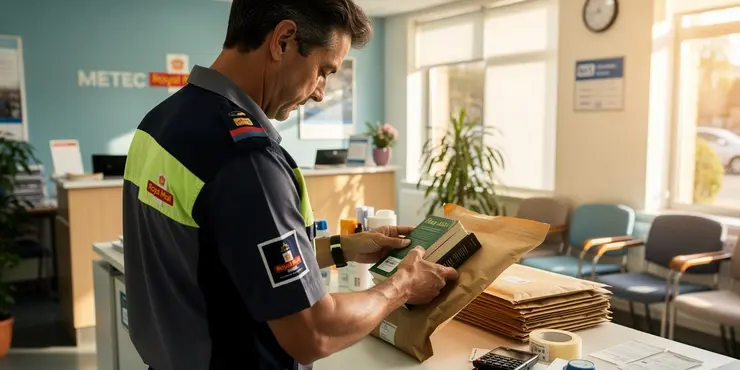
Sending books or magazines in the UK can be a straightforward process if you follow some key steps and consider the available options. Whether you're sending a gift to a friend, fulfilling a buyer's order, or simply mailing your old magazines to a new home, understanding the best practices can save you time and money.
Choosing the Right Packaging
Proper packaging is essential to ensure that your books or magazines arrive in good condition. Use strong cardboard or padded envelopes specifically designed for books. For heavier or larger items, consider reinforced cardboard boxes. To prevent movement and damage during transit, fill any gaps with bubble wrap or packing peanuts. Always make sure the items are well-protected from moisture, potentially by wrapping them in plastic.
Selecting a Postal Service
The UK offers several postal services for sending books and magazines. Royal Mail is the most common and offers a range of options from standard to express delivery. For heavier packages, Parcelforce Worldwide, a division of Royal Mail, may be more suitable. Other courier services like Hermes, DPD, or DHL also provide competitive rates and tracking options.
Considering Delivery Speed and Cost
The delivery speed and cost will depend on your needs and the recipient's location. Royal Mail's '2nd Class' service is economical, taking 2-3 working days, while '1st Class' is faster but more expensive. For urgent deliveries, Special Delivery guarantees next-day service. For international postage, consider Royal Mail International or global courier services for faster delivery times.
Handling Customs for International Shipping
When sending books or magazines overseas from the UK, customs regulations must be observed. Fill out a customs declaration form, which is often CN22 or CN23, depending on the service. Indicate the contents, value, and specify that they are books or magazines, typically VAT-exempt. Check the destination country's restrictions and customs requirements to avoid delays or returns.
Tracking and Insurance
For valuable books or a significant quantity of magazines, using a service with tracking is advisable. Tracking allows both sender and recipient to monitor the package's progress and provides peace of mind. Insurance is an additional option to consider for high-value items to cover potential loss or damage during transit.
Environmentally Friendly Options
If sustainability is important to you, choose recycled or recyclable packaging materials and encourage recipients to reuse or recycle. Many postal services in the UK are making strides towards reducing their carbon footprint, so opt for sustainable practices in your mailing efforts where possible.
Conclusion
Sending books or magazines from the UK can be easily managed by carefully choosing your packaging, postal service, and understanding the requirements for national and international shipping. Always weigh your needs in terms of speed, cost, and security to select the best service for your needs.
How to Send Books or Magazines: A Guide for the UK
If you want to send books or magazines in the UK, it can be easy. You just need to follow some simple steps. This helps to save time and money. You might be sending a gift to a friend, or sending old magazines to someone new.
Choosing the Right Packaging
You need to use the right packaging to keep your books or magazines safe. Use strong cardboard or padded envelopes made for books. For big or heavy items, use strong cardboard boxes. Fill gaps with bubble wrap or packing peanuts to stop things from moving. Make sure they stay dry by wrapping them in plastic.
Selecting a Postal Service
There are different postal services in the UK. Royal Mail is common and they have options from slow to fast delivery. For heavy packages, Parcelforce Worldwide, which is part of Royal Mail, might be better. Other companies like Hermes, DPD, or DHL also have good prices and tracking options.
Considering Delivery Speed and Cost
Think about how fast you need it to arrive and how much you want to spend. Royal Mail's '2nd Class' is cheaper and takes 2-3 days. '1st Class' is faster but costs more. For fast delivery, Special Delivery is next-day. For other countries, use Royal Mail International or global couriers for quick delivery.
Handling Customs for International Shipping
If sending books or magazines to other countries, follow customs rules. Fill a customs form, like CN22 or CN23. Note the contents, and their value, and say they are books or magazines. Check the other country’s rules to avoid delays.
Tracking and Insurance
If sending valuable books or many magazines, use tracking. This helps you and the receiver know where the package is. Insurance is good for expensive items, to protect against loss or damage.
Environmentally Friendly Options
If you care about the environment, use recycled or recyclable packing. Ask people to reuse or recycle when they get the package. Many UK postal services are trying to be greener. Choose these options if you can.
Conclusion
Sending books or magazines from the UK is easy when you choose the right packaging and postal service. Know what you need for UK and overseas shipping. Think about speed, cost, and safety to pick the best service for you.
Frequently Asked Questions
Using USPS Media Mail is often the cheapest option for sending books within the United States.
No, magazines containing advertisements do not qualify for Media Mail.
Wrap books in protective material, such as bubble wrap, and place them in a sturdy box.
Most postal services offer tracking options; ensure you purchase this service when sending.
USPS, FedEx, UPS, and DHL offer international shipping for books.
Yes, insurance can be purchased for book shipments to protect against loss or damage.
Consider customs regulations, duties, taxes, and potential restrictions in the destination country.
Write or print the recipient's and sender's addresses clearly on the package and attach any required postage.
Yes, check with your chosen courier for their specific size and weight restrictions.
Use rigid mailers or cardboard to protect magazines and prevent bending.
Many courier services offer scheduled pick-ups, either free or for an additional fee.
Delivery times vary; Media Mail might take 2-8 days while expedited services are faster.
USPS Media Mail allows up to 70 pounds per package for books.
Using recycled boxes and packing materials is acceptable if they are in good condition and sturdy.
Contact the shipping provider to file a claim if you purchased insurance for the shipment.
Consider using carbon-neutral shipping services or recyclable packing materials.
Use the shipping carrier's online calculator, entering dimensions, weight, and destination.
Yes, simply use the recipient's address as the delivery address and label it accordingly.
Yes, you'll likely need to complete a customs declaration form for international shipments.
Contact the shipping provider for tracking details and initiate a search request if necessary.
Sending books in the United States is often cheapest when you use USPS Media Mail.
No, you can't send magazines with ads using Media Mail.
Put soft bubble wrap around your books. Then, put them in a strong box.
When you send a package, you can pay to track it and see where it is. Ask the post office to help you do this.
You can send books to other countries using USPS, FedEx, UPS, or DHL.
You can buy insurance for sending books. This helps if the books get lost or hurt.
Think about the rules and costs in the new country. You might have to pay extra money like taxes and duties. There could also be some things you can't take there.
Write the address of the person you are sending the package to. Also, write your own address. Make sure you write them neatly on the package. Don't forget to put the right stamps on it.
Yes, ask your delivery company about the size and weight rules for sending things.
Use strong envelopes or thick paper to keep magazines safe and stop them from bending.
Many delivery companies can come and collect your package. They might do it for free or you might have to pay a little extra.
When you get something delivered, it can take a different amount of time to arrive. If you use Media Mail, it might come in 2 to 8 days. Faster delivery services will get it to you sooner.
USPS Media Mail lets you send packages that weigh up to 70 pounds. You can use it to send books.
It is okay to use old boxes and packing stuff again if they are strong and not broken.
If you bought insurance for your package, ask the delivery company for help with your problem.
Try to use shipping services that are good for the environment. Also, use packing materials that can be recycled.
Go to the shipping company's website. Find their calculator. Type in how big and heavy your package is. Also type where you are sending it.
Yes, it's easy! Just use the person's address as the place to send it. Write their name on it so people know who it's for.
Yes, you will probably need to fill out a special form when sending things to another country.
Ask the shipping company for help to find your package. They can give you updates on where it is. If your package is lost, ask them to help look for it.

Ergsy Search Results
This website offers general information and is not a substitute for professional advice.
Always seek guidance from qualified professionals.
If you have any medical concerns or need urgent help, contact a healthcare professional or emergency services immediately.
Some of this content was generated with AI assistance. We've done our best to keep it accurate, helpful, and human-friendly.
- Ergsy carefully checks the information in the videos we provide here.
- Videos shown by Youtube after a video has completed, have NOT been reviewed by ERGSY.
- To view, click the arrow in centre of video.
- Most of the videos you find here will have subtitles and/or closed captions available.
- You may need to turn these on, and choose your preferred language.
- Go to the video you'd like to watch.
- If closed captions (CC) are available, settings will be visible on the bottom right of the video player.
- To turn on Captions, click settings.
- To turn off Captions, click settings again.