
Speak To An Expert
Get clear, personalised advice for your situation.
Jot down a few questions to make the most of your conversation.
More Items From Ergsy search
-
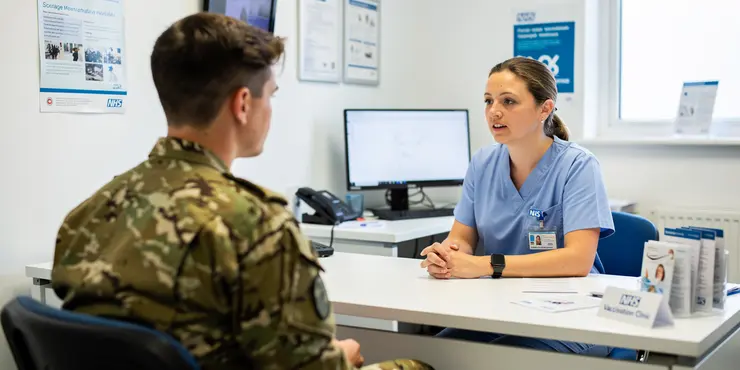
Is meningitis vaccination required for military recruits?
Relevance: 100%
-
Who should get a meningitis vaccination?
Relevance: 54%
-
Are there any specific groups that should prioritize meningitis vaccination?
Relevance: 45%
-
Are there vaccines for meningitis?
Relevance: 43%
-

Do people who have had meningitis in the past need to be vaccinated?
Relevance: 40%
-

Is vaccination recommended for seniors against meningitis?
Relevance: 39%
-

Are adults over 25 recommended for meningitis vaccination?
Relevance: 39%
-
Does the CDC recommend meningitis vaccines for adolescents?
Relevance: 39%
-
Who is at higher risk of contracting meningitis?
Relevance: 39%
-
Should college students get the meningitis vaccine?
Relevance: 38%

-
Should health care workers get the meningitis vaccine?
Relevance: 38%
-

Do international students need the meningitis vaccine?
Relevance: 38%
-

What are the meningitis vaccination recommendations for travelers to Hajj or Umrah?
Relevance: 37%
-
What are the guidelines for meningitis vaccination for HIV-infected individuals?
Relevance: 37%
-
How serious is bacterial meningitis?
Relevance: 36%
-

Can meningitis be prevented?
Relevance: 35%
-

What causes bacterial meningitis?
Relevance: 35%
-

Is meningitis contagious?
Relevance: 34%
-

What is meningitis?
Relevance: 34%
-
What are the main types of meningitis?
Relevance: 33%
-
Why is meningitis a medical emergency?
Relevance: 33%
-
What causes viral meningitis?
Relevance: 32%
-
What is the treatment for bacterial meningitis?
Relevance: 32%
-
How is viral meningitis spread?
Relevance: 32%
-
What is the prognosis for viral meningitis?
Relevance: 31%
-
Can meningitis cause long-term complications?
Relevance: 28%
-
What is non-infectious meningitis?
Relevance: 26%
-
How is meningitis diagnosed?
Relevance: 26%
-
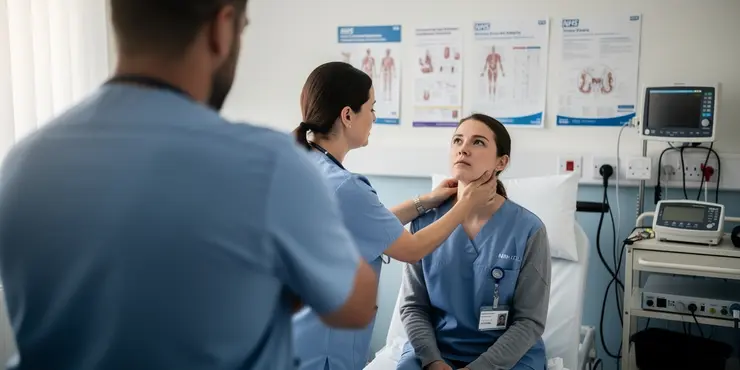
What are common symptoms of meningitis?
Relevance: 26%
-
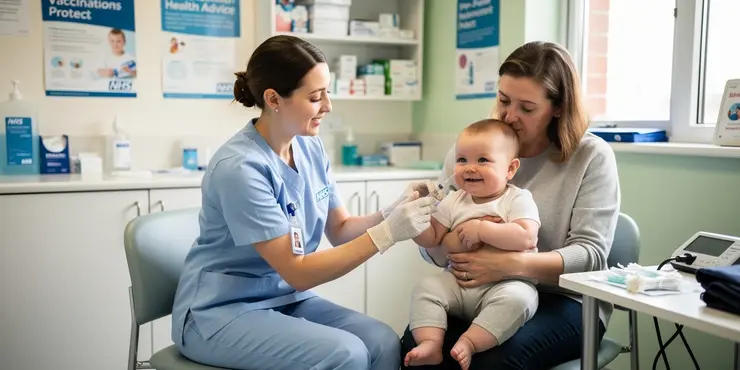
At what age should children receive the meningococcal vaccine?
Relevance: 26%
-

What are the signs of meningitis in infants?
Relevance: 26%
-

How is fungal meningitis treated?
Relevance: 24%
-

Can pregnant individuals receive the meningococcal vaccine?
Relevance: 24%
-
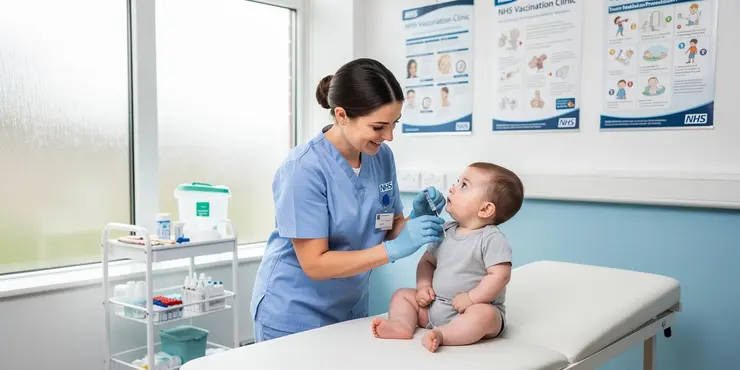
Are infants recommended to receive the meningococcal vaccine?
Relevance: 22%
-

Who should get the chickenpox vaccine?
Relevance: 21%
-
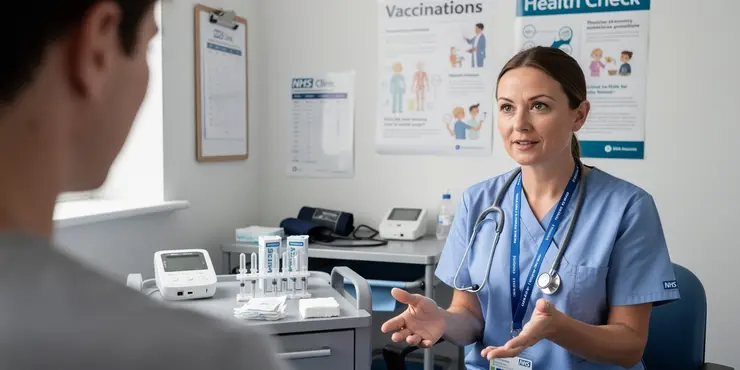
Do I need any vaccine injections for EU countries?
Relevance: 20%
-
Is there a vaccine for gonorrhoea?
Relevance: 19%
-
What is the MMR vaccine?
Relevance: 19%
-
What is a subunit vaccine?
Relevance: 19%
-
How effective is the MMR vaccine?
Relevance: 19%
Introduction
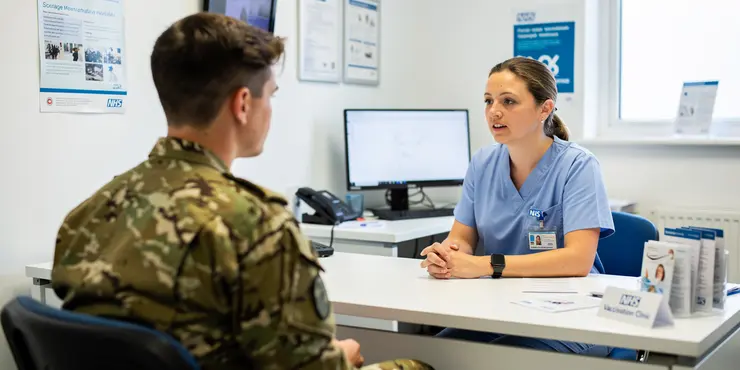
The potential risk of meningitis among groups living in close quarters, such as military recruits, has prompted various health protocols, including vaccination recommendations. This article focuses on the necessity of meningitis vaccination for military recruits in the UK.
Meningitis and Its Risks
Meningitis is an inflammation of the membranes surrounding the brain and spinal cord, often caused by viral or bacterial infections. The bacterial form, particularly from the Neisseria meningitidis bacteria, is of significant concern due to its ability to spread rapidly and cause severe health implications, including brain damage and death if untreated. The risk increases in crowded environments, which is common in basic training facilities where military recruits live and work in close proximity.
Vaccination for Military Recruits
In the UK, vaccination against meningitis forms part of the broader protective health measures for military recruits. While specific vaccination policies can evolve, the emphasis on protecting individuals in group settings remains strong. The UK has a vaccination program aimed at protecting against certain types of meningococcal disease, with the meningitis B and ACWY vaccines being the most relevant.
Current Requirements and Recommendations
As of the most recent guidelines, the UK Ministry of Defence mandates several vaccinations for military recruits. Although the meningitis vaccination is strongly recommended and often administered, the specific requirements can vary based on current public health assessments and military health directives. Typically, recruits may receive the MenACWY vaccine, which covers the primary strains responsible for most meningococcal diseases.
Public Health Considerations
Public health agencies in the UK, such as the NHS and Public Health England, closely monitor meningitis cases and work in conjunction with military health services to mitigate risks. Meningitis vaccination decisions are informed by epidemiological data and the understanding that military environments can contribute to higher transmission rates of infectious diseases.
Conclusion
While meningitis vaccination is highly recommended and often administered to UK military recruits, policies are continually updated to reflect the latest health data and risks. The vaccination stands as a critical element in ensuring the health and readiness of military personnel, particularly in preventing the spread of infectious diseases in communal living and training situations.
Introduction
Meningitis is an illness you can catch if you live close to lots of people, like in the military. To help stop people from getting very sick, soldiers in the UK might get a shot called a vaccine. This text will talk about if soldiers in the UK need a meningitis vaccine.
Meningitis and Its Risks
Meningitis makes the brain and spine swell up. It can be caused by germs called viruses or bacteria. The kind from bacteria is very serious. It spreads fast and can make people really sick or even die. It is a big worry where lots of people live close together, like in army training.
Vaccination for Military Recruits
In the UK, new soldiers often get vaccines to keep them healthy. Vaccines are important when people live together in groups. Soldiers usually get shots for meningitis B and ACWY to help stop meningitis from spreading.
Current Requirements and Recommendations
The UK Ministry of Defence, which looks after soldiers, says they should get several vaccines. Getting the meningitis shot is strongly suggested because it protects against the main types that cause disease. The MenACWY vaccine is often given to cover the most common types of meningitis.
Public Health Considerations
Groups like the NHS in the UK keep watch on meningitis cases. They work with army health services to keep soldiers safe. They use data to decide who should get vaccines because military places can help spread diseases quickly.
Conclusion
In the UK, vaccines for meningitis are very important for new soldiers. The rules keep changing to be up-to-date with new health information. The goal is to keep soldiers healthy and ready, especially when living and training together.
Frequently Asked Questions
Is meningitis vaccination required for military recruits?
Yes, the meningitis vaccination is typically required for military recruits due to the close living quarters and increased risk of infection.
Which meningitis vaccine is required for military recruits?
The meningococcal conjugate vaccine (MenACWY) is usually required for military recruits.
Why is the meningitis vaccine necessary for military recruits?
Military recruits live in close quarters which increases the risk of contagious diseases like meningitis, so vaccination helps prevent outbreaks.
When do military recruits receive the meningitis vaccine?
Military recruits typically receive the meningitis vaccine during their initial processing or shortly after enlistment.
Are there any exceptions to the meningitis vaccination requirement for military recruits?
Exceptions may be made for medical reasons or documented allergies, but these are handled on a case-by-case basis.
Can military recruits refuse the meningitis vaccine?
In general, vaccines are mandatory for military recruits. Refusal is rare and may lead to discharge or other administrative actions.
What are the consequences of not getting the meningitis vaccine in the military?
Recruits who do not comply with vaccination requirements could face administrative actions or be separated from service.
Is the meningitis vaccine for military recruits free of charge?
Yes, the vaccine is provided free of charge as part of the medical processing for military recruits.
Which groups of military recruits are most at risk for meningitis?
Newly enlisted recruits are at higher risk due to the close living conditions in training camps.
How effective is the meningitis vaccine for military recruits?
The meningococcal vaccine is very effective at preventing most strains of meningitis and is a key preventive measure in the military.
Do military recruits need booster shots for meningitis?
Depending on the vaccine type and deployment location, booster shots may be required, usually recommended every 5 years.
What happens if a military recruit has an adverse reaction to the meningitis vaccine?
Medical professionals are on hand to treat any adverse reactions, and the recruit's health is closely monitored.
Are there any long-term side effects of the meningitis vaccine for military recruits?
Long-term side effects are rare; common side effects are mild and short-term, such as soreness at the injection site or fever.
Do family members of military personnel need the meningitis vaccine?
While not required, it is recommended especially if they live in close quarters similar to military settings.
What are the symptoms of meningitis that military recruits should be aware of?
Symptoms include high fever, headache, stiff neck, nausea, and sensitivity to light. Medical attention should be sought immediately if these occur.
Can previous medical records showing a meningitis vaccination exempt a recruit from getting another shot?
Proof of current vaccination may exempt a recruit from receiving another shot, but it depends on the vaccine type and timing.
How do military healthcare providers keep track of meningitis vaccinations?
Vaccinations are recorded in the recruit's medical records, which are part of their official military file.
Has the requirement for meningitis vaccination changed over the years for military recruits?
Requirements are periodically reviewed and updated based on current health guidelines and disease prevalence.
Is the meningitis vaccine safe for military recruits with underlying health conditions?
Medical evaluations are conducted to ensure safety, and recruits with specific health conditions are monitored.
What other vaccinations are required for military recruits?
Recruits typically require vaccines for influenza, tetanus, hepatitis, and other preventable diseases according to military regulations.
Do people joining the army need a meningitis shot?
If you join the army, you need a meningitis shot. It helps keep you safe from getting sick.
Here are some helpful tools and tips:
- Ask a nurse or doctor if you have questions.
- Look at pictures and videos about meningitis to learn more.
- Use apps that read text out loud for you.
Yes, people joining the army usually need a meningitis shot. This is because they live close together and can get sick more easily.
What meningitis vaccine do people joining the army need?
If you are joining the army, you need a special shot to stay healthy. This shot stops you from getting meningitis, which is a serious illness. Ask your doctor or a nurse for help to get the right shot.
Here are some tips to help you understand better:
- Ask someone you trust to explain things if you're unsure.
- Look for videos or pictures about meningitis vaccines to help you learn.
- Make sure to ask questions if you don't understand.
The men-ing-oh-kok-al kon-joo-gayt vak-seen (MenACWY) shot is usually needed for people who join the army.
Why do people joining the army need the meningitis shot?
People going to the army need a shot to stop them from getting very sick. This shot is for a sickness called meningitis. It helps keep them healthy.
If you want help to remember this, you can use a calendar to mark the date for your shot. You can also ask a family member or friend to help remind you.
People who join the army or navy live very close together. This means they can easily catch diseases, like meningitis. Getting a vaccine can help stop these diseases from spreading.
For more help, you can use tools like picture cards or simple charts to understand better.
When do new soldiers get the meningitis shot?
When do people joining the army get their meningitis protection?
Meningitis is a germ that can make you very sick. Getting a shot can help stop this germ from making you sick.
New soldiers get this shot to stay healthy. They usually get it when they first join the army.
Helpful tip: If you are worried or have questions, you can talk to a doctor or nurse. They can explain why getting this shot is important.
People who join the military usually get the meningitis shot when they first sign up or soon after.
Do all military recruits need the meningitis vaccine, or are there some exceptions?
Some military recruits might not need the meningitis vaccine. Here are a few examples:
- If a doctor says the vaccine could make them sick.
- If they are allergic to something in the vaccine.
- If they have a strong reason, like a religion, to not get the vaccine.
Recruits can talk to their doctor or someone in charge if they think they should not get the vaccine.
Tools that might help:
- Talking to someone like a doctor.
- Using simple picture guides about vaccines.
- Watching a video that explains vaccines with pictures and easy words.
Sometimes, special rules can be made if someone is sick or allergic to something. Each person gets looked at one by one to see if they need special help.
Do people joining the military have to take the meningitis vaccine?
Most of the time, people in the military have to get vaccines. Saying "no" doesn’t happen often. If someone says "no" to a vaccine, they might have to leave the military or face other actions.
If you find reading hard, here are some tips:
- Use a pointer or your finger to follow the words.
- Read out loud if it helps.
- Ask someone to read with you.
- Take breaks if you feel tired.
What happens if you do not get the meningitis shot in the army?
If you do not get the meningitis shot, you might get very sick. Meningitis can make your brain and spine swell up.
In the army, being healthy is important. If you get sick, you might not be able to work or help your team.
If you don't get the shot, you could also make other people sick.
Tools and tips to help understand:
- Ask a doctor about why the meningitis shot is important.
- Look at pictures of how vaccines help stop germs.
- Use apps that read text out loud to you.
If new people in the military do not get their vaccines, they might get into trouble or be asked to leave.
Do people in the military get the meningitis shot for free?
Yes, new soldiers get the vaccine for free when they join the army.
Who in the army can get sick with meningitis easily?
New recruits in the army have a higher chance of getting sick because they live close together in training camps.
How well does the meningitis shot work for new soldiers?
The meningococcal vaccine is very good at stopping most types of meningitis. It is very important for keeping people in the military safe.
Do people joining the army need extra shots for meningitis?
If you are joining the army, you might need more shots to stay healthy. This is important because it helps protect you from getting sick.
Meningitis is a sickness that people can get. It can make you very ill, so it is important to be protected.
The extra shots are called booster shots. They help keep you safe from meningitis.
If you have questions or need help, you can:
- Ask a doctor or nurse.
- Talk to someone in the army who knows about health.
- Look for easy information online.
Some vaccines need extra shots to keep working well. These extra shots are called booster shots. You might need a booster shot every 5 years. It can depend on where you live and what kind of vaccine it is.
What happens if a new soldier gets sick from the meningitis shot?
If a new soldier gets the meningitis shot and feels unwell, they should tell a doctor right away.
The doctor will check what is wrong and help make the soldier feel better.
It is important to speak up if not feeling good after a vaccine.
Pictures or videos about vaccines can help understand them better.
Doctors and nurses are ready to help if someone feels sick. They check to make sure everyone stays healthy.
Does the meningitis vaccine for soldiers have any long-term side effects?
The meningitis vaccine helps keep soldiers safe from a serious illness called meningitis.
Doctors say the vaccine is safe, but you might have questions about it.
Some people worry about side effects from the vaccine. Side effects are how your body might feel after getting the shot.
If you want to know more, talking to a doctor can help. They can tell you about the vaccine and how it works.
Writing down questions before a visit to the doctor can help you remember what you want to ask.
You can also have someone with you to take notes or help understand the doctor, like a friend or family member.
Long-term problems from the medicine do not happen often. Common problems are not serious and go away quickly. You might feel a little pain where you got the shot or have a fever.
Do family members of people in the military need the meningitis shot?
It is not needed, but it is a good idea, especially if they live close together like in the army.
What signs of meningitis should soldiers know about?
Meningitis is a sickness. Here are signs to watch for:
- High fever
- Bad headache
- Feeling sick and throwing up
- A stiff neck
- Finding bright lights painful
- Feeling very sleepy or confused
- Pale skin or a rash
If you see these signs, tell someone and see a doctor fast.
Use a list or pictures to help remember these signs.
Talk to a friend or a helper if you need support.
Signs you are sick can be:
- Very high temperature.
- Bad headache.
- Stiff neck that is hard to move.
- Feeling sick in your tummy.
- Bright lights hurt your eyes.
If you have these, go see a doctor right away.
If someone has a record showing they had the meningitis vaccine, do they need to get it again when joining?
If a new recruit shows they had a recent shot, they might not need another one. This depends on what the shot was for and when they had it.
How do military healthcare workers know about meningitis vaccines?
Military healthcare workers are people who help soldiers with their health. They need to know who got their meningitis shots. Meningitis shots help protect soldiers from getting sick.
Here is how they keep track:
- They write down the shot details in a special computer system.
- They use charts and lists to check if everyone got the shot.
- They remind if someone needs a shot or a booster.
Tools to help:
- Use calendars to remember when shots are due.
- Try setting reminders on phones or computers.
Shots are written down in the recruit's health book. This book is a part of their official military papers.
Has the rule about meningitis shots for new soldiers changed over the years?
Explanation:
- "Requirement" means what is needed or must be done. Here, it means if soldiers need to get the meningitis shot.
- "Meningitis vaccination" is a shot that protects you from a serious illness called meningitis.
- "Military recruits" are people who are joining the army or military.
- "Changed" means if something was different before compared to now.
Helpful Tools:
- Ask a friend or family member if you have questions.
- Use apps that read text out loud to you.
- Write notes to help you remember important words.
We check and change the rules from time to time. This is so they match health advice and how common a disease is at that time.
Is the meningitis vaccine safe for people in the military who are already sick?
The meningitis vaccine helps stop people from getting very sick with meningitis.
Doctors check to make sure the vaccine is safe for you, even if you are already sick.
If you are in the military and feel worried, talk to a doctor.
You can ask someone you trust to help you understand more.
Doctors check your health to make sure you are safe. They keep an eye on people who have certain health problems.
What other shots do people joining the military need?
New soldiers usually need shots to stop diseases. These are for the flu, tetanus, hepatitis, and other sicknesses. This is what the military rules say.
If reading is hard, try using a text-to-speech tool. It can read the words out loud for you. You can also ask someone to read with you and talk about what the words mean.

Useful Links
This website offers general information and is not a substitute for professional advice.
Always seek guidance from qualified professionals.
If you have any medical concerns or need urgent help, contact a healthcare professional or emergency services immediately.
Some of this content was generated with AI assistance. We've done our best to keep it accurate, helpful, and human-friendly.
- Ergsy carefully checks the information in the videos we provide here.
- Videos shown by Youtube after a video has completed, have NOT been reviewed by ERGSY.
- To view, click the arrow in centre of video.
- Most of the videos you find here will have subtitles and/or closed captions available.
- You may need to turn these on, and choose your preferred language.
- Go to the video you'd like to watch.
- If closed captions (CC) are available, settings will be visible on the bottom right of the video player.
- To turn on Captions, click settings.
- To turn off Captions, click settings again.
More Items From Ergsy search
-
Is meningitis vaccination required for military recruits?
Relevance: 100%
-
Who should get a meningitis vaccination?
Relevance: 54%
-
Are there any specific groups that should prioritize meningitis vaccination?
Relevance: 45%
-
Are there vaccines for meningitis?
Relevance: 43%
-
Do people who have had meningitis in the past need to be vaccinated?
Relevance: 40%
-
Is vaccination recommended for seniors against meningitis?
Relevance: 39%
-
Are adults over 25 recommended for meningitis vaccination?
Relevance: 39%
-
Does the CDC recommend meningitis vaccines for adolescents?
Relevance: 39%
-
Who is at higher risk of contracting meningitis?
Relevance: 39%
-
Should college students get the meningitis vaccine?
Relevance: 38%
-
Should health care workers get the meningitis vaccine?
Relevance: 38%
-
Do international students need the meningitis vaccine?
Relevance: 38%
-
What are the meningitis vaccination recommendations for travelers to Hajj or Umrah?
Relevance: 37%
-
What are the guidelines for meningitis vaccination for HIV-infected individuals?
Relevance: 37%
-
How serious is bacterial meningitis?
Relevance: 36%
-
Can meningitis be prevented?
Relevance: 35%
-
What causes bacterial meningitis?
Relevance: 35%
-
Is meningitis contagious?
Relevance: 34%
-
What is meningitis?
Relevance: 34%
-
What are the main types of meningitis?
Relevance: 33%
-
Why is meningitis a medical emergency?
Relevance: 33%
-
What causes viral meningitis?
Relevance: 32%
-
What is the treatment for bacterial meningitis?
Relevance: 32%
-
How is viral meningitis spread?
Relevance: 32%
-
What is the prognosis for viral meningitis?
Relevance: 31%
-
Can meningitis cause long-term complications?
Relevance: 28%
-
What is non-infectious meningitis?
Relevance: 26%
-
How is meningitis diagnosed?
Relevance: 26%
-
What are common symptoms of meningitis?
Relevance: 26%
-
At what age should children receive the meningococcal vaccine?
Relevance: 26%
-
What are the signs of meningitis in infants?
Relevance: 26%
-
How is fungal meningitis treated?
Relevance: 24%
-
Can pregnant individuals receive the meningococcal vaccine?
Relevance: 24%
-
Are infants recommended to receive the meningococcal vaccine?
Relevance: 22%
-
Who should get the chickenpox vaccine?
Relevance: 21%
-
Do I need any vaccine injections for EU countries?
Relevance: 20%
-
Is there a vaccine for gonorrhoea?
Relevance: 19%
-
What is the MMR vaccine?
Relevance: 19%
-
What is a subunit vaccine?
Relevance: 19%
-
How effective is the MMR vaccine?
Relevance: 19%