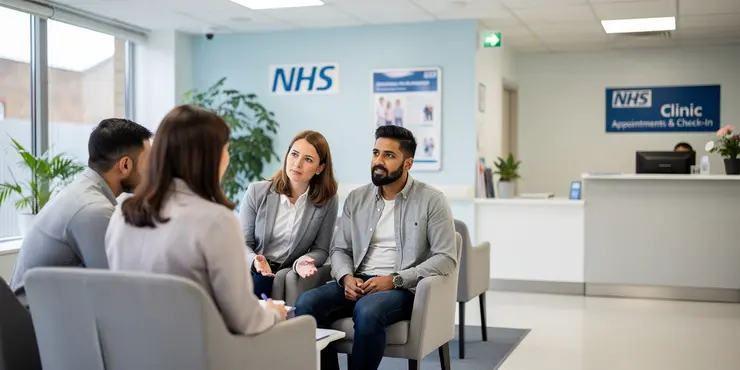

Speak To An Expert
Get clear, personalised advice for your situation.
Jot down a few questions to make the most of your conversation.
More Items From Ergsy search
-
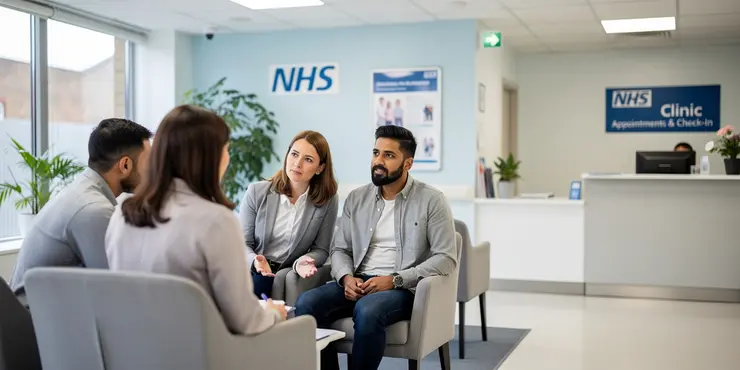
What are my rights if I can’t get an NHS appointment?
Relevance: 100%
-

Will accessing my medical records affect my relationship with my healthcare provider?
Relevance: 94%
-
Does the right to access my medical records apply to minors?
Relevance: 81%
-
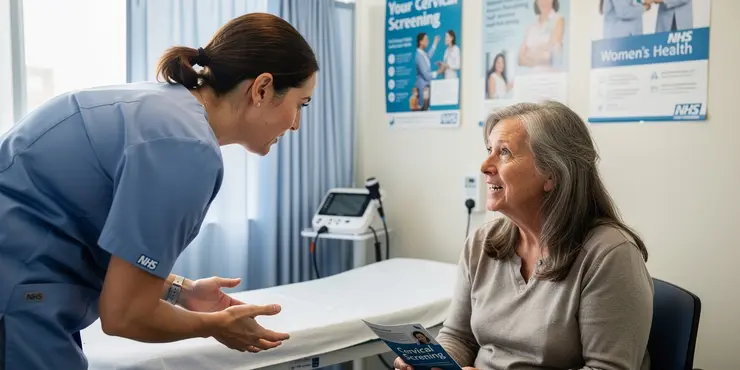
Accessing cervical screening with the right support for people with a learning disability
Relevance: 79%
-
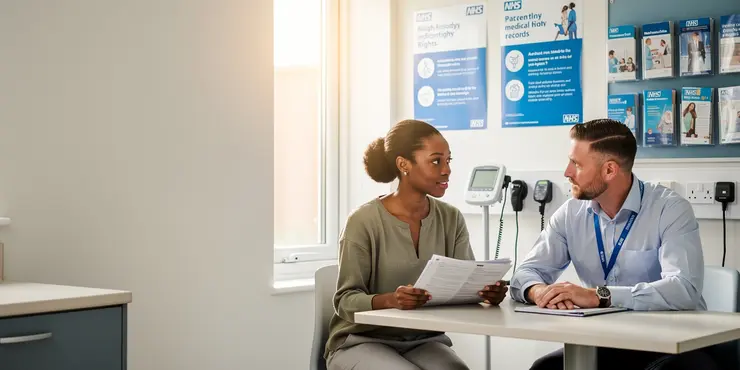
Are there any exceptions to my right to access my medical records?
Relevance: 79%
-

Should I consider appointment availability?
Relevance: 78%
-

Understanding the NHS: How to Access Services
Relevance: 78%
-
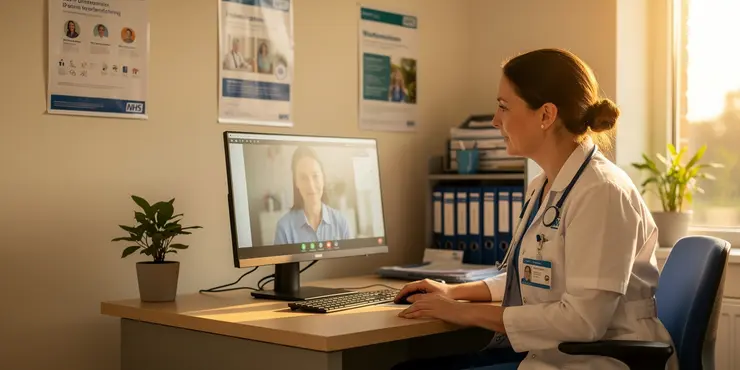
NHS to Expand Digital Health Services to Reduce Appointment Backlogs
Relevance: 77%
-
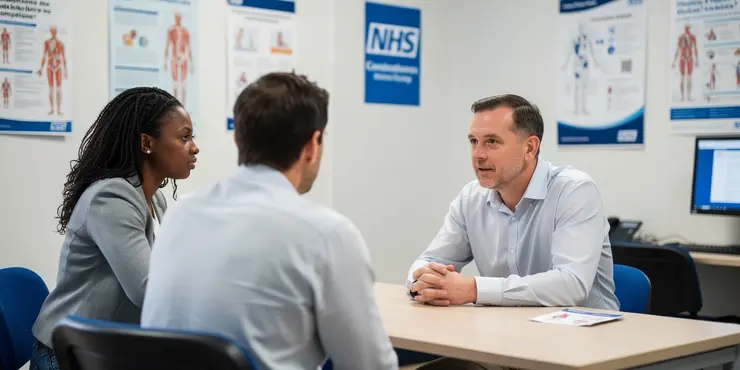
Do I have the right to access electronic medical records?
Relevance: 77%
-

Can carers of Alzheimer's patients access in-home healthcare services?
Relevance: 72%

-
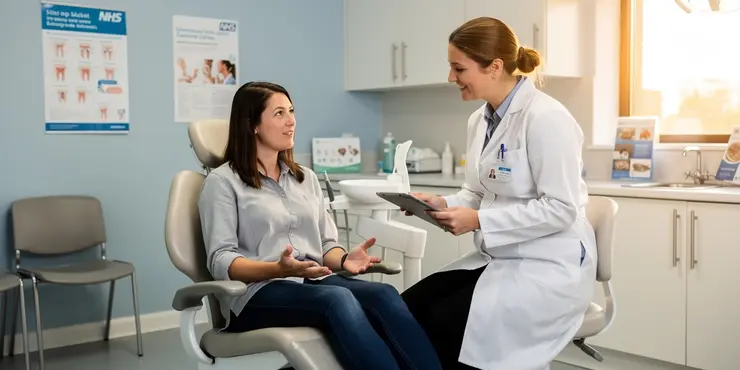
Can I get a dentist appointment on the NHS?
Relevance: 72%
-
Who can access my NHS health data?
Relevance: 72%
-

Do I have the right to know who has accessed my medical records?
Relevance: 70%
-

Who appoints the Chief Law Officer for England and Wales in the UK?
Relevance: 69%
-
How do I schedule a prostate screening appointment?
Relevance: 68%
-
Can a healthcare provider share my medical records with other providers?
Relevance: 67%
-
Can I get an emergency NHS dental appointment?
Relevance: 67%
-

What legal rights do I have as a medical patient in the EU?
Relevance: 66%
-
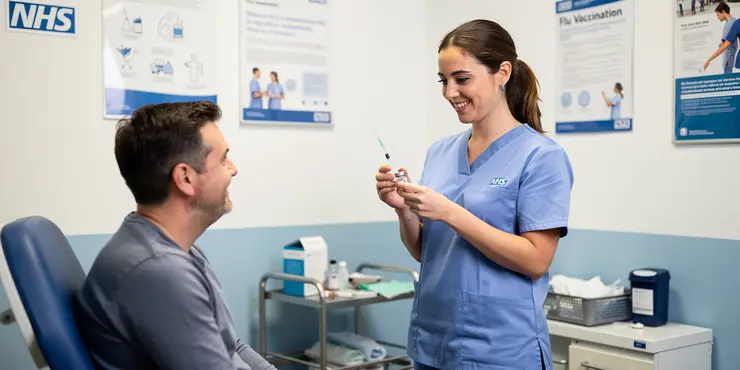
How do I book an appointment for the flu vaccine?
Relevance: 66%
-

Accessing Mental Health Support Resources in the UK
Relevance: 66%
-
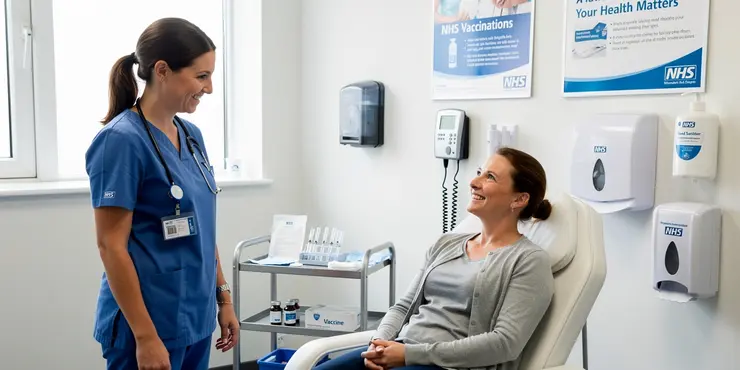
How can I get a COVID jab appointment?
Relevance: 65%
-
Is my healthcare provider obligated to correct errors in my medical records?
Relevance: 65%
-
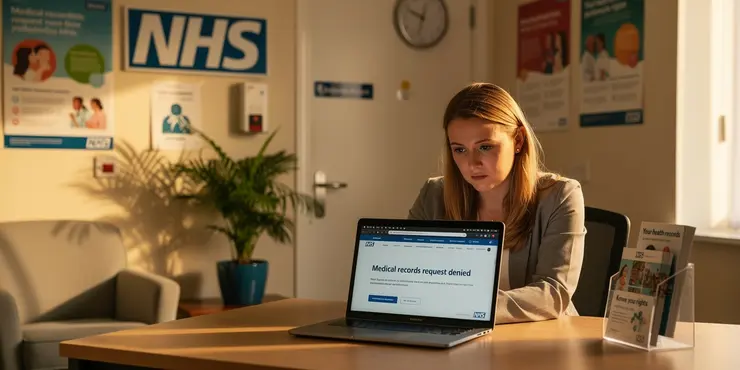
What should I do if I am denied access to my medical records?
Relevance: 64%
-
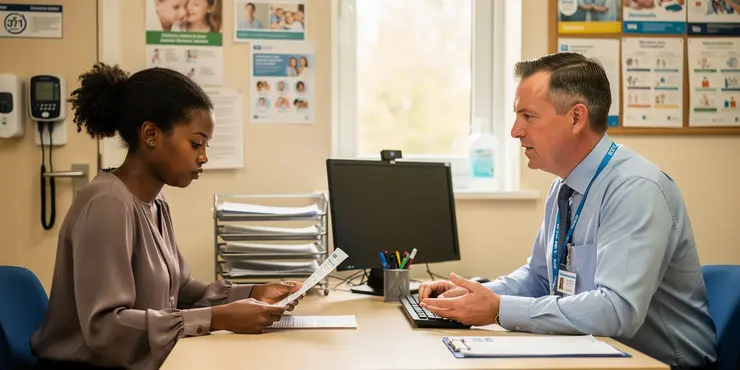
Do I have a right to see my medical records?
Relevance: 64%
-

What is the role of healthcare professionals in supporting carers?
Relevance: 64%
-
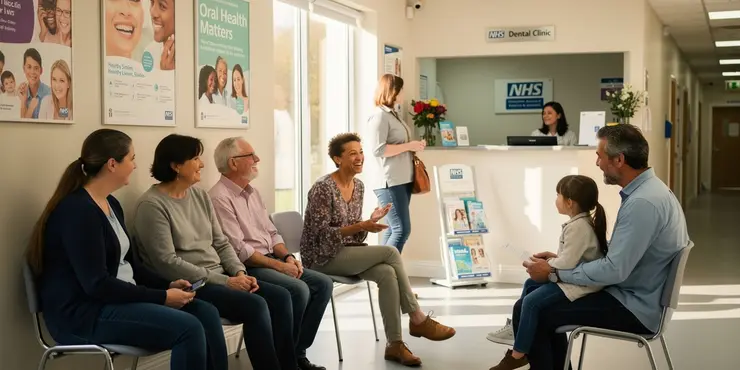
What happens if I miss my NHS dental appointment?
Relevance: 63%
-
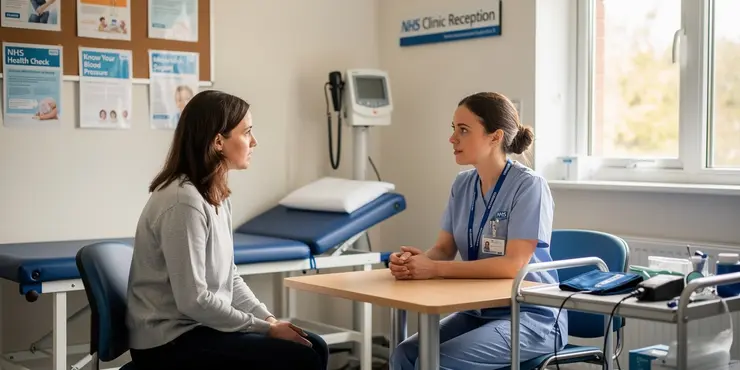
A Radiotherapy appointment in east and North Hertfordshire
Relevance: 63%
-
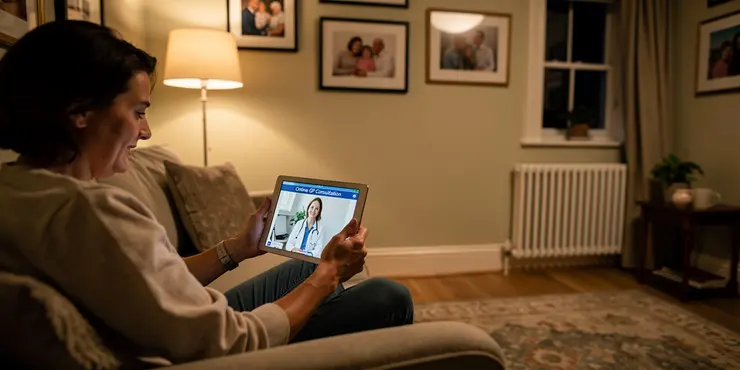
Will I still have access to doctors and nurses on a virtual ward?
Relevance: 62%
-
Can community helpers access physical health resources?
Relevance: 62%
-
How can I request access to my medical records?
Relevance: 61%
-
Can children get NHS dentist appointments?
Relevance: 61%
-
Post Menopausal Bleeding Clinic | A Guide to What Happens at An Appointment
Relevance: 60%
-
What should I bring to my NHS dental appointment?
Relevance: 60%
-
Your Ultrasound Appointment
Relevance: 60%
-
What should I do if I miss my second COVID jab appointment?
Relevance: 60%
-
How should I prepare for a Botox appointment?
Relevance: 59%
-
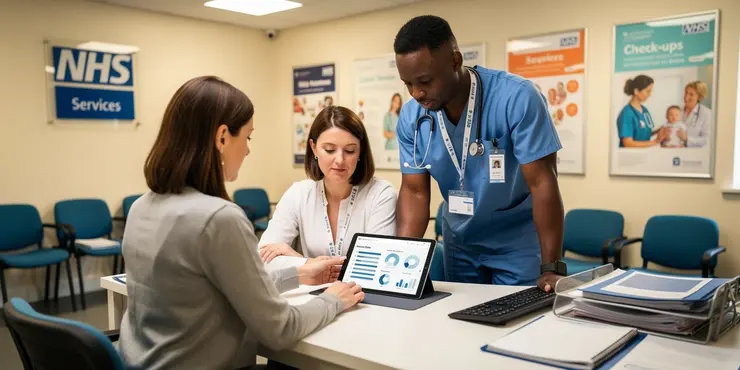
Does sharing data improve healthcare?
Relevance: 59%
-
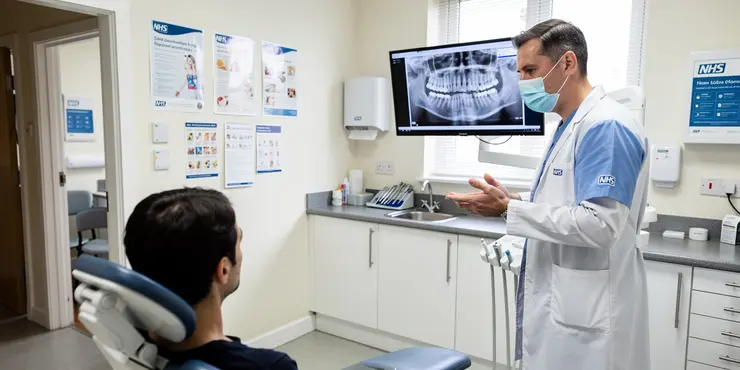
Will Brexit affect my access to NHS dental treatments?
Relevance: 59%
-
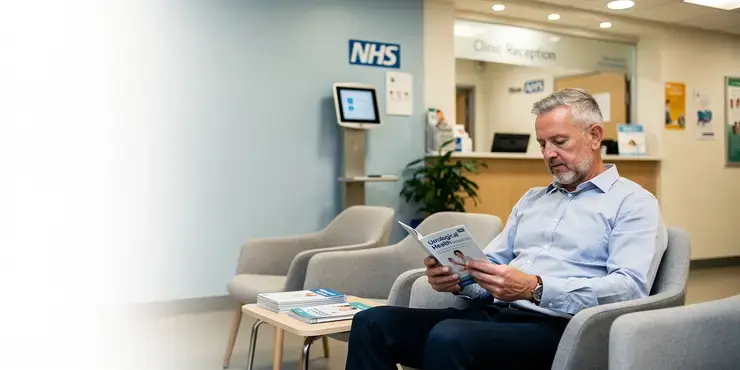
What to expect when contacting a urologist for an appointment
Relevance: 59%
-

What laws govern my right to access police records?
Relevance: 58%
Understanding your rights
If you cannot get an NHS appointment, you still have the right to access healthcare. The NHS should provide care that is safe, appropriate, and based on clinical need.
Your GP practice must not refuse to register you because of your address, immigration status, lack of ID, or having no fixed home. In an emergency, you should call 999 or go to A&E.
What to do if there are no appointments
If your GP says there are no appointments, ask to be offered the next available option. You can also ask whether there is a same-day urgent appointment, a telephone consultation, or an online triage service.
If your condition is getting worse, explain this clearly. Reception staff can help you access the right service, but they should not ask for details you do not need to share. You can also call NHS 111 for advice and help finding urgent care.
Your right to complain
If you think you have been unfairly refused an appointment, you can make a complaint to the GP practice. Ask for the practice complaints procedure and keep a note of dates, times, and what was said.
If the issue is not resolved, you can escalate it to NHS England or the integrated care board for your area, depending on the service involved. You can also seek help from your local Healthwatch.
Other ways to get help
You may be able to see a nurse, pharmacist, physiotherapist, or another clinician instead of a GP. Many minor illnesses and medication queries can be handled by a pharmacy, often without an appointment.
If you need repeat prescriptions, ask about online ordering or your GP practice’s digital services. If you are housebound or have difficulty travelling, tell the practice, as they may be able to offer reasonable adjustments.
When to seek urgent help
Do not wait for a routine appointment if you think your symptoms are serious. Sudden chest pain, trouble breathing, stroke symptoms, severe bleeding, or collapse are emergencies.
For urgent but non-life-threatening problems, NHS 111 can advise you on the next step. They may direct you to an out-of-hours GP, urgent treatment centre, pharmacy, or A&E if needed.
Frequently Asked Questions
What are my rights if I can’t get an NHS appointment?
You have the right to access NHS services, but there is no absolute right to a GP appointment on a specific day or time. Your practice should offer reasonable care, advice, or alternative arrangements, and urgent problems should be assessed promptly.
Can I insist on being seen the same day?
Not always. Same-day appointments are usually based on clinical need. If your symptoms are urgent, you should make that clear, and the practice should advise you on the fastest appropriate route to care.
What should I do if the GP surgery keeps saying there are no appointments?
Ask for advice from the reception team or a clinician, explain your symptoms clearly, and request an urgent triage call if needed. You can also use NHS 111, a walk-in service, or urgent care if your condition may need prompt assessment.
Can the surgery refuse to give me an appointment?
A GP practice can decide how appointments are managed, but it should not ignore medically urgent needs or discriminate unlawfully. If you are turned away, ask for the reason and what alternative support is available.
What if I feel my problem is urgent but the practice says it is routine?
Explain why you think it is urgent and what has changed. If you still cannot get help, contact NHS 111 or urgent care services, and seek emergency help if you have severe symptoms.
Do I have a right to another GP if my practice is unavailable?
You can register with a different GP practice if one is accepting new patients. If you are temporarily away from home, you can ask for emergency treatment or use NHS 111 for advice.
Can I complain if I cannot get an appointment?
Yes. You can complain to the GP practice first and ask for their complaints procedure. If you remain dissatisfied, you can escalate the complaint to the relevant NHS complaints team or commissioning body.
What information should I ask for if I can’t get booked in?
Ask when the next routine appointment is, whether a clinician can triage your symptoms, what urgent options are available, and whether you should use another NHS service. Keep a record of who you spoke to and when.
Can I ask for a telephone or online appointment instead?
Yes. Many practices offer telephone, video, or online consultations. If you cannot attend in person, ask whether one of these options is available and suitable for your situation.
What if I am told to call back tomorrow every day?
Repeated delays may be frustrating, especially if your condition is getting worse. Ask for clinical triage, a call-back, or alternative care advice. If symptoms become urgent, contact NHS 111 or emergency services.
Do children have different rights if no NHS appointment is available?
Children should be assessed promptly when clinically needed. If a child is unwell and you cannot get a GP appointment, seek advice from NHS 111, urgent care, or emergency services depending on the severity.
What if I have a long-term condition and can’t get reviewed?
If your condition is worsening, ask for a clinically urgent review and explain the risks of delay. You can also request advice from your usual care team or specialist, and use urgent services if needed.
Can I see another doctor within the same practice?
Usually yes, if another clinician is available and appropriate. You can ask whether another GP, nurse, or healthcare professional can help with your problem sooner.
What should I do if I am given an appointment too far in the future?
Tell the practice if your symptoms cannot wait. Ask whether there is an earlier cancellation list, a triage call, or another service that can assess you sooner. If your condition worsens, seek urgent help.
Is there a right to a second opinion if I cannot get seen?
A second opinion is not automatic, but you can ask for further review if you are unhappy with the advice or diagnosis. If access is the issue, you may need to raise the concern through the practice or seek another NHS route.
Can the receptionist decide whether I need an appointment?
Reception staff may ask questions to direct you to the right service, but they should not make medical decisions themselves. If you believe you need clinical advice, ask for a triage call or speak to a clinician.
What if I need medication but can’t get an appointment?
Contact the practice as early as possible for repeat prescriptions or medication queries. If you run out of essential medicine, ask the practice, a pharmacy, NHS 111, or urgent care about the quickest safe option.
Does the NHS have to provide treatment if I cannot get a GP appointment?
The NHS must provide care based on clinical need, but it may be delivered through different services. If your GP is unavailable, other NHS routes such as NHS 111, urgent treatment centres, or emergency departments may be appropriate.
Who should I contact if I think the delay is harming my health?
Tell the practice the delay is affecting your health and ask for urgent clinical review. If you think your condition is worsening or unsafe, contact NHS 111, urgent care, or emergency services right away.
Where can I get help understanding my options?
You can ask the GP practice, NHS 111, your local NHS complaints team, or a patient advice service. They can help explain what to do next and which service is most appropriate for your symptoms.

Useful Linksxxx
This website offers general information and is not a substitute for professional advice.
Always seek guidance from qualified professionals.
If you have any medical concerns or need urgent help, contact a healthcare professional or emergency services immediately.
Some of this content was generated with AI assistance. We've done our best to keep it accurate, helpful, and human-friendly.
- Ergsy carefully checks the information in the videos we provide here.
- Videos shown by Youtube after a video has completed, have NOT been reviewed by ERGSY.
- To view, click the arrow in centre of video.
- Most of the videos you find here will have subtitles and/or closed captions available.
- You may need to turn these on, and choose your preferred language.
- Go to the video you'd like to watch.
- If closed captions (CC) are available, settings will be visible on the bottom right of the video player.
- To turn on Captions, click settings.
- To turn off Captions, click settings again.
More Items From Ergsy search
-
What are my rights if I can’t get an NHS appointment?
Relevance: 100%
-
Will accessing my medical records affect my relationship with my healthcare provider?
Relevance: 94%
-
Does the right to access my medical records apply to minors?
Relevance: 81%
-
Accessing cervical screening with the right support for people with a learning disability
Relevance: 79%
-
Are there any exceptions to my right to access my medical records?
Relevance: 79%
-
Should I consider appointment availability?
Relevance: 78%
-
Understanding the NHS: How to Access Services
Relevance: 78%
-
NHS to Expand Digital Health Services to Reduce Appointment Backlogs
Relevance: 77%
-
Do I have the right to access electronic medical records?
Relevance: 77%
-
Can carers of Alzheimer's patients access in-home healthcare services?
Relevance: 72%
-
Can I get a dentist appointment on the NHS?
Relevance: 72%
-
Who can access my NHS health data?
Relevance: 72%
-
Do I have the right to know who has accessed my medical records?
Relevance: 70%
-
Who appoints the Chief Law Officer for England and Wales in the UK?
Relevance: 69%
-
How do I schedule a prostate screening appointment?
Relevance: 68%
-
Can a healthcare provider share my medical records with other providers?
Relevance: 67%
-
Can I get an emergency NHS dental appointment?
Relevance: 67%
-
What legal rights do I have as a medical patient in the EU?
Relevance: 66%
-
How do I book an appointment for the flu vaccine?
Relevance: 66%
-
Accessing Mental Health Support Resources in the UK
Relevance: 66%
-
How can I get a COVID jab appointment?
Relevance: 65%
-
Is my healthcare provider obligated to correct errors in my medical records?
Relevance: 65%
-
What should I do if I am denied access to my medical records?
Relevance: 64%
-
Do I have a right to see my medical records?
Relevance: 64%
-
What is the role of healthcare professionals in supporting carers?
Relevance: 64%
-
What happens if I miss my NHS dental appointment?
Relevance: 63%
-
A Radiotherapy appointment in east and North Hertfordshire
Relevance: 63%
-
Will I still have access to doctors and nurses on a virtual ward?
Relevance: 62%
-
Can community helpers access physical health resources?
Relevance: 62%
-
How can I request access to my medical records?
Relevance: 61%
-
Can children get NHS dentist appointments?
Relevance: 61%
-
Post Menopausal Bleeding Clinic | A Guide to What Happens at An Appointment
Relevance: 60%
-
What should I bring to my NHS dental appointment?
Relevance: 60%
-
Your Ultrasound Appointment
Relevance: 60%
-
What should I do if I miss my second COVID jab appointment?
Relevance: 60%
-
How should I prepare for a Botox appointment?
Relevance: 59%
-
Does sharing data improve healthcare?
Relevance: 59%
-
Will Brexit affect my access to NHS dental treatments?
Relevance: 59%
-
What to expect when contacting a urologist for an appointment
Relevance: 59%
-
What laws govern my right to access police records?
Relevance: 58%