

Speak To An Expert
Get clear, personalised advice for your situation.
Jot down a few questions to make the most of your conversation.
More Items From Ergsy search
-

What financial support is available for people with dementia?
Relevance: 100%
-

What financial support is available for people with dementia?
Relevance: 98%
-

Are there any support groups for people with dementia in the UK?
Relevance: 79%
-

Living with dementia | NHS
Relevance: 72%
-

Can live-in care support individuals with dementia?
Relevance: 69%
-

Early onset dementia | NHS
Relevance: 68%
-

The role of care homes dedicated to caring for people living with dementia and memory loss
Relevance: 63%
-

What is dementia?
Relevance: 63%
-

Is there a cure for dementia?
Relevance: 62%
-

Can dementia affect younger people?
Relevance: 62%

-

Dementia Care at Colten Care
Relevance: 58%
-
How does dementia progress over time?
Relevance: 57%
-
Dementia by Dr Alex Kakoullis, Coventry and Warwickshire Partnership NHS Trust
Relevance: 57%
-
What financial support is available for people with dementia?
Relevance: 56%
-

What are the links between menopause and dementia?
Relevance: 56%
-

How is dementia diagnosed?
Relevance: 55%
-

What role do carers play for those living with dementia?
Relevance: 55%
-
Are there specific types of dementia linked to menopause?
Relevance: 53%
-

Is there scientific evidence linking menopause to dementia?
Relevance: 52%
-
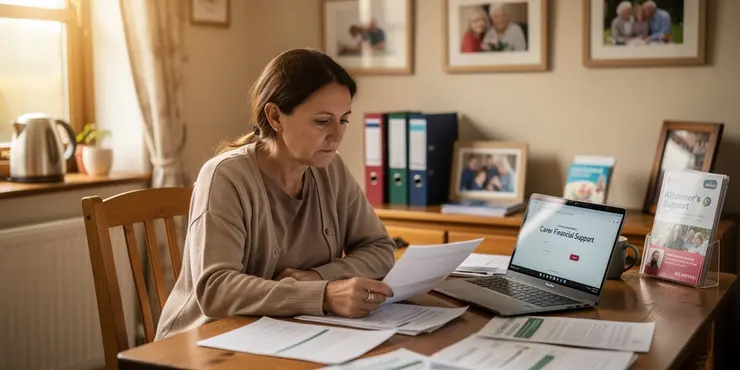
Are there financial support programs for carers of Alzheimer's patients?
Relevance: 52%
-
Do male and female brains age differently regarding dementia risk?
Relevance: 51%
-

Can lifestyle changes during menopause help reduce dementia risk?
Relevance: 51%
-

Is the age of menopause onset related to dementia risk?
Relevance: 51%
-
Do genetics play a role in dementia risk post-menopause?
Relevance: 51%
-

How common is it for women to develop dementia after menopause?
Relevance: 50%
-

How does menopause potentially affect dementia risk?
Relevance: 50%
-

What further research is needed about menopause and dementia?
Relevance: 49%
-

What support is available for carers of Alzheimer's patients?
Relevance: 49%
-

Can hormone replacement therapy (HRT) impact dementia risk?
Relevance: 49%
-

What symptoms can overlap between menopause and the early stages of dementia?
Relevance: 48%
-
Living with changes in behaviour in frontotemporal dementia (FTD) (part 3/3)
Relevance: 47%
-

An introduction to frontotemporal dementia (FTD) (part 1/3)
Relevance: 46%
-

What financial support is available for funeral expenses?
Relevance: 46%
-

Fernhill Dedicated Dementia Care Home - a relatives perspective
Relevance: 45%
-
Financial Support for Families Amid Rising Cost of Living
Relevance: 45%
-

What is a dementia-friendly community?
Relevance: 45%
-
Are there specific apps or tools to help carers of Alzheimer's patients?
Relevance: 40%
-

Can community helpers receive financial assistance?
Relevance: 40%
-

Getting help and support with frontotemporal dementia (FTD) (part 2/3)
Relevance: 38%
-

What financial support is available for people with dementia?
Relevance: 37%
Introduction to Financial Support for Dementia
Dementia can present significant financial challenges to individuals and families. In the UK, there are various forms of financial support available. These resources aim to ease the burden of care and daily living expenses for those affected by dementia.
Understanding the available financial aid can ensure that those in need receive appropriate help. This guide outlines the key support options and how to access them.
Benefits and Allowances
People with dementia may qualify for specific benefits and allowances. The most relevant is the Attendance Allowance, designed for those over 65 with a disability needing care.
For those under 65, the Personal Independence Payment (PIP) is available. PIP offers help with extra costs due to long-term disabilities or health conditions, including dementia.
Both Attendance Allowance and PIP require an assessment process. Ensure to provide detailed information about the day-to-day challenges posed by dementia.
Carer's Allowance
Carer’s Allowance supports those who spend significant time caring for individuals with dementia. It is available to carers who provide more than 35 hours of care per week.
This benefit helps relieve the financial pressure on family members or friends acting as unpaid carers. Carer’s Allowance can be claimed in addition to other benefits, though it may affect them.
Eligibility depends on personal circumstances and any paid work the carer may undertake. Ensure you check all criteria before applying.
Local Authority Support
Local authorities in the UK provide various supports for residents with dementia. This can include home care services, day care, and other practical aids.
Funding for these services may be available through a means-tested assessment process. The assessment evaluates the individual's financial situation and care needs.
Contact your local council for specific information on what support is accessible in your area. They can guide you through the application process and inform you of other available resources.
Other Forms of Support
Additional support may be available through charities and non-profit organizations. Many offer grants and subsidies for those with dementia and their families.
Organizations like Alzheimer’s Society provide a wealth of resources and can help navigate financial aid options. They also offer advice on maximizing income and managing finances effectively.
Seeking professional financial advice can also be beneficial. Advisors can assess your situation and provide guidance tailored to the challenges of living with dementia.
Conclusion
Accessing financial support can significantly ease the challenges faced by people with dementia and their families. Understanding the benefits, allowances, and services is crucial.
Take action by researching and applying for available support services. Utilize the resources from local authorities and charities to maximize financial assistance.
Remember that help is available, and taking the steps to access it can make a meaningful difference in managing the impacts of dementia.
Introduction to Financial Help for Dementia
Dementia can make money matters tough for people and their families. In the UK, there is help available with money. This help is to make life easier for those with dementia and their families.
Knowing what financial help you can get is important. This guide will show you the main money support options and how to get them.
Benefits and Allowances
People with dementia might get some special money help. If you are over 65, you might get Attendance Allowance. This is for people who need lots of care.
If you are under 65, you might get Personal Independence Payment (PIP). This helps with extra costs from being sick or having a long-term condition, like dementia.
You need an assessment to get Attendance Allowance or PIP. It is important to tell them how dementia affects your daily life.
Carer's Allowance
Carer's Allowance is for people who look after someone with dementia for a lot of time. It helps people who care more than 35 hours a week.
This money helps family or friends who care without getting paid. You can still get other benefits too, but Carer's Allowance might change them.
To get this, you need to check if you qualify. Look at how much you work and your personal details.
Local Council Support
Your local council can also help people with dementia. They might offer home care, day care, and tools to help you at home.
Sometimes you can get money for these services. They will look at your money situation and what care you need.
Talk to your local council to find out what help you can get. They can help you with the forms and tell you about other help.
Other Support
You might also get help from charities and non-profit groups. Many have money and resources for people with dementia and their families.
Groups like the Alzheimer’s Society can show you financial aid options. They can also give advice on how to manage your money better.
Talking to a financial advisor can help too. They can look at your situation and give advice on how to manage with dementia.
Conclusion
Getting money help can make life with dementia easier for you and your family. It is important to know about the support you can get.
Start by finding out and applying for help. Use resources from the council and charities to get the most help you can.
Remember, there is help out there. Getting it can make a big difference in dealing with dementia.
Frequently Asked Questions
What types of government benefits are available for people with dementia?
There are several government benefits available for people with dementia, including Social Security Disability Insurance (SSDI), Supplemental Security Income (SSI), and Medicaid, which can help cover medical and long-term care costs.
Can people with dementia qualify for Social Security benefits?
Yes, individuals with dementia may qualify for Social Security benefits such as SSDI if they have sufficient work credits and meet the medical criteria for disability benefits.
Are there any specific programs for veterans with dementia?
Yes, veterans with dementia may qualify for benefits through the Department of Veterans Affairs (VA), including the Aid and Attendance benefit and special pensions.
Does Medicaid cover long-term care costs for people with dementia?
Medicaid can cover long-term care costs for eligible individuals with dementia, such as nursing home care, in-home care, and assisted living.
Is Medicare available for people with dementia?
Yes, Medicare provides coverage for medical expenses, such as doctor visits, hospital stays, and some home health services. However, it does not cover long-term custodial care.
What financial assistance is available for caregivers of people with dementia?
Caregivers may be eligible for financial support through programs like Medicaid Waivers, the Family Caregiver Support Program, and tax credits for dependent care expenses.
Can people with dementia receive assistance from charitable organizations?
Yes, various non-profit organizations offer financial assistance, respite care, and support services to people living with dementia and their families.
Are there community-based programs that help people with dementia?
Many communities offer programs such as adult day care services, meal programs, and transportation assistance that can help those with dementia.
What is the Alzheimer's Disease Supportive Services Program?
This is a federal program providing grants to states to increase their support services for people with Alzheimer's and related dementias, promoting community-based care options.
How can a person with dementia access financial planning assistance?
Individuals can seek help from financial advisors who specialize in elder care planning, including long-term care insurance options and estate planning.
What are the options for long-term care insurance for someone with dementia?
Long-term care insurance can cover costs associated with dementia-related care, but policies must be purchased before a diagnosis is made to qualify for coverage.
How can I find out if my loved one with dementia qualifies for state-specific assistance?
Each state has different programs and eligibility criteria, so contacting your local Area Agency on Aging or the state Medicaid office can provide specific information.
Are there any tax benefits available for families caring for a person with dementia?
Families may qualify for tax deductions related to medical expenses and caregiving costs, as well as credits for dependent care expenses.
What housing options are there for people with dementia needing financial assistance?
There are various options including subsidized senior housing, Section 202 housing for the elderly, and Medicaid-supported assisted living facilities.
How can low-income individuals with dementia access prescription drug assistance?
Programs such as Medicare Part D Extra Help and state pharmaceutical assistance programs offer help in covering prescription drug costs for those with limited income and resources.
What is a reverse mortgage and is it beneficial for people with dementia?
A reverse mortgage allows homeowners 62 or older to convert home equity into cash, but this financial product should be considered carefully, especially if long-term care is needed.
Can individuals with dementia benefit from Supplemental Security Income (SSI)?
Yes, SSI benefits are available to those with limited income and resources, including those with dementia, providing monthly cash assistance to meet basic needs.
How can family members manage the financial affairs of a person with dementia?
Family members can obtain a power of attorney or become court-appointed guardians to legally manage the financial and personal affairs of their loved ones with dementia.
What legal resources are available for individuals with dementia seeking financial support?
Legal aid organizations and elder law attorneys can provide guidance on accessing benefits, estate planning, and addressing financial and healthcare decisions.
Are there special bank accounts or financial services for people with dementia?
Some financial institutions offer services like joint accounts, automatic bill payment, and account monitoring to help manage the finances of individuals with dementia.
What help can people with dementia get from the government?
People with dementia can get help from the government. This help is called benefits. Here are some benefits they might get:
- Money to help pay for care
- Help with housing costs
- Money for daily needs
It can be hard to understand all the benefits. Someone can help explain them. A caregiver or support worker can also help apply for benefits.
There is help from the government for people with dementia. Dementia is when someone has trouble thinking and remembering. The help includes money and support. Here are some types of help you can get:
- SSDI: This is money for people who can't work because of their health.
- SSI: This is money for people who need extra help with daily living costs.
- Medicaid: This helps pay for doctors and care that lasts a long time.
If you want to know more, you can ask someone you trust to help you. There are also websites and phone numbers you can call to learn what you can get.
Can people with dementia get Social Security money?
Yes, people with dementia can get help from Social Security. They might get SSDI. This is money for people who can't work because they are sick. They need to have worked enough in the past and be sick enough to need these benefits.
Tools like voice-to-text or audiobooks can help make reading easier too!
Are there any special programs for veterans who have trouble remembering things?
Yes, people who served in the military and have memory problems (called dementia) can get help from the Department of Veterans Affairs (VA). They might get extra money and special help.
Will Medicaid pay for long-term care for people with dementia?
Medicaid can help pay for long-term care for people with dementia. This can include care in a nursing home, care at home, or in an assisted living place.
Can people with dementia get Medicare?
Yes, people with dementia can get help from Medicare. It can pay for some of their doctor visits, medicines, and treatments.
If you have dementia or care for someone who does, here are some tips:
- Visit the doctor regularly.
- Keep track of medicines and take them on time.
- Ask for help if you need it.
Yes, Medicare helps pay for medical costs. This means it helps with things like going to the doctor, staying in the hospital, and some care at home. But, Medicare does not pay for long-term care if you need help with daily activities for a long time.
What money help can caregivers of people with dementia get?
If you take care of someone with dementia, there is money help you can get. Here are some ways you might get help:
- Benefits and Allowances: You can get money from the government to help you. This is called a benefit or an allowance.
- Local Support: Some places have local groups that can help you with money or other support.
- Charities: Some charities give money help to caregivers.
If you need help to understand forms or find support, you can:
- Ask a friend or family member to help you.
- Talk to a social worker for advice.
- Contact local support groups for caregivers.
It's important to ask for help if you need it.
People who take care of someone else can get money to help them. There are different programs that can help, like Medicaid Waivers and the Family Caregiver Support Program. Sometimes you can also get money back on your taxes for taking care of someone.
Can charities help people with dementia?
People with dementia might need help. Charities can give support. They can offer care, advice, and activities.
Here are some ways charities can help:
- Provide someone to talk to
- Offer fun activities
- Give advice to family and friends
Tools that might help:
- Talk with the charity if you have questions
- Use picture books for easy understanding
- Join a support group
Yes, there are groups that help people with dementia and their families. They give money help, take care of people to give families a break, and offer support.
Are there programs in the community to help people with memory problems?
Many communities have special programs to help people with dementia. These programs include places where adults can go for fun activities during the day, meal services, and help with getting to places like the doctor or the store.
What is the Help Program for People with Alzheimer's Disease?
This is a program from the government. It gives money to states. This money is to help people with Alzheimer's and other memory problems. The program wants to help people get care in their community.
How can someone with dementia get help with money planning?
If someone has dementia, it might be hard for them to plan their money. Here are some ways they can get help:
- Ask a family member or friend: Someone they trust can help them with money.
- Visit a financial advisor: An expert who knows about money can give advice.
- Look for charities and support groups: Some groups help people with dementia and their families.
- Use online tools: There are websites and apps that can help with money planning.
It’s important to find a helper who is kind and patient. They should explain things in a way that is easy to understand.
People can ask for help from money experts who know a lot about taking care of older people. These experts can help with planning for money in the future and making sure things are set up for later in life.
What are the choices for long-term care insurance for someone with dementia?
If someone has dementia, they may need help for a long time. This help can cost a lot of money. Insurance can help pay for this care.
Here are some choices:
- Traditional Long-Term Care Insurance: This is like a plan that you pay for every month. It can help pay for care at home or in a special care place.
- Life Insurance with Long-Term Care Benefits: Some life insurance plans also help pay for care. They are like two plans in one.
- Medicaid: This helps people who do not have a lot of money. It can pay for care in a special place or at home.
- Help from the Veterans Administration: If the person was in the military, they might get help from the Veterans Administration.
If you want to know more, these places might help:
- Talk to a person who knows a lot about money and insurance.
- Look for groups that help people with dementia.
Using pictures or simple charts can also help understand this better.
Long-term care insurance can help pay for care if someone has dementia. But you need to buy insurance before the person is told they have dementia.
How do I know if my family member with dementia can get help from the state?
Every state has different programs and rules. To find out what you can get, talk to your local Area Agency on Aging or call the state Medicaid office. They will give you the right information.
Can families who look after someone with dementia get help with taxes?
Families might get money back from taxes. This can happen if they spend money on doctors or taking care of family members. They can also get help if they pay someone to look after their kids.
What Homes are There for People with Dementia Who Need Help Paying?
People with dementia may need different home options. Sometimes, paying for these homes can be hard. Here are some choices:
- Nursing Homes: These are places where people can get special care. They help with things like eating and washing.
- Assisted Living: These homes let people live almost on their own but with some help.
- Group Homes: These are small homes where a few people live together and get care.
If paying is a problem, there are options:
- Talk to a Social Worker: They know about ways to get help with money.
- Government Help: Some programs can help pay for care.
- Charities: Some charities give money to help pay for homes.
There are different places for older people to live. Some places cost less money, like subsidized senior housing. There is also something called Section 202 housing, which is for older people. Some people can get help from Medicaid to live in assisted living homes.
How can people with low money and memory problems get help paying for medicine?
People who do not have a lot of money and have trouble remembering things can get help to pay for their medicine. Here are some ways to get help:
- Talk to the doctor or nurse. They can give advice about cheaper medicine options.
- Call or go to a local health center for information on getting medicine help.
- Look for phone apps or websites that show medicine prices and discounts.
- Ask friends or family members to help find information or talk to people who can help.
- Use a memory aid, like setting phone reminders, to keep track of when to take medicine.
Remember, asking for help is okay. There are people and tools to help you find the best support.
Some programs can help you pay for your medicine. Medicare Part D Extra Help and state programs are for people who do not have a lot of money or resources. These programs make medicines cost less.
What is a reverse mortgage and is it good for people with dementia?
A reverse mortgage is a kind of loan. It lets older people get money from their house.
People with dementia might need extra help and money. A reverse mortgage can give them more money to pay for care.
It's good to talk to someone you trust about this, like a family member or a friend. They can help you understand more.
It’s also helpful to use simple money guides or talk to a money advisor.
A reverse mortgage lets people who are 62 years old or older get money from their home. But, you should think very hard before you decide to do this, especially if you might need help with your care in the future.
Can people with dementia get help from SSI money?
People with dementia might need extra help. SSI gives money to people who need it. If someone has dementia, SSI might help them have some money for living costs. Tips that can help: - Talk to a caregiver or helper about SSI. - Have someone help fill out forms for SSI. - Look at helpful websites for more information.Yes, people who have little money can get SSI money help. This includes people with dementia. SSI gives money every month to help pay for things you need.
How can family help someone with dementia take care of their money?
Family can help them by:
- Talking to them about money in a simple way.
- Helping them pay bills on time.
- Keeping an eye on their bank accounts.
- Making a list of all the things they own and owe.
- Setting up a plan for their money in case they can’t do it anymore.
Some tools that can help are:
- Using reminder notes for bills.
- Setting up automatic payments for bills.
- Getting help from a financial adviser.
Family members can get a power of attorney. This lets them help with money and other important things for family who have dementia. They can also become guardians through the court to help their loved ones.
How can people with dementia get help with money and legal support?
There are people who can help you with legal stuff. They can tell you how to get benefits. They can help with planning what happens to your things when you die. They can also help you make choices about money and healthcare.
Can people with dementia have special bank accounts or money services?
Yes, there are special bank accounts and services for people with dementia to help them manage their money more easily.
Here are some ideas and tools that can help:
- Talk to the bank: Ask the bank about accounts for people with special needs. They can give advice and explain options.
- Set up alerts: Use text or email alerts to know about money coming in and going out.
- Get help from trusted people: Ask a family member or friend to help watch your money and make decisions.
- Use mobile banking apps: Use simple apps on a phone or tablet to check accounts and pay bills.
These tools can help keep track of money and make banking easier for people with dementia.
Banks have special services to help people with memory problems. They can offer:
- A joint account where you share your money management with someone else you trust.
- Automatic bill payment so you don't forget to pay important bills.
- Account monitoring to make sure your money is safe and used correctly.
You might also want to ask someone you trust to help you with your money. Using a calendar or setting reminders on your phone can help you remember important money tasks.

Useful Links
This website offers general information and is not a substitute for professional advice.
Always seek guidance from qualified professionals.
If you have any medical concerns or need urgent help, contact a healthcare professional or emergency services immediately.
Some of this content was generated with AI assistance. We've done our best to keep it accurate, helpful, and human-friendly.
- Ergsy carefully checks the information in the videos we provide here.
- Videos shown by Youtube after a video has completed, have NOT been reviewed by ERGSY.
- To view, click the arrow in centre of video.
- Most of the videos you find here will have subtitles and/or closed captions available.
- You may need to turn these on, and choose your preferred language.
- Go to the video you'd like to watch.
- If closed captions (CC) are available, settings will be visible on the bottom right of the video player.
- To turn on Captions, click settings.
- To turn off Captions, click settings again.
More Items From Ergsy search
-
What financial support is available for people with dementia?
Relevance: 100%
-
What financial support is available for people with dementia?
Relevance: 98%
-
Are there any support groups for people with dementia in the UK?
Relevance: 79%
-
Living with dementia | NHS
Relevance: 72%
-
Can live-in care support individuals with dementia?
Relevance: 69%
-
Early onset dementia | NHS
Relevance: 68%
-
The role of care homes dedicated to caring for people living with dementia and memory loss
Relevance: 63%
-
What is dementia?
Relevance: 63%
-
Is there a cure for dementia?
Relevance: 62%
-
Can dementia affect younger people?
Relevance: 62%
-
Dementia Care at Colten Care
Relevance: 58%
-
How does dementia progress over time?
Relevance: 57%
-
Dementia by Dr Alex Kakoullis, Coventry and Warwickshire Partnership NHS Trust
Relevance: 57%
-
What financial support is available for people with dementia?
Relevance: 56%
-
What are the links between menopause and dementia?
Relevance: 56%
-
How is dementia diagnosed?
Relevance: 55%
-
What role do carers play for those living with dementia?
Relevance: 55%
-
Are there specific types of dementia linked to menopause?
Relevance: 53%
-
Is there scientific evidence linking menopause to dementia?
Relevance: 52%
-
Are there financial support programs for carers of Alzheimer's patients?
Relevance: 52%
-
Do male and female brains age differently regarding dementia risk?
Relevance: 51%
-
Can lifestyle changes during menopause help reduce dementia risk?
Relevance: 51%
-
Is the age of menopause onset related to dementia risk?
Relevance: 51%
-
Do genetics play a role in dementia risk post-menopause?
Relevance: 51%
-
How common is it for women to develop dementia after menopause?
Relevance: 50%
-
How does menopause potentially affect dementia risk?
Relevance: 50%
-
What further research is needed about menopause and dementia?
Relevance: 49%
-
What support is available for carers of Alzheimer's patients?
Relevance: 49%
-
Can hormone replacement therapy (HRT) impact dementia risk?
Relevance: 49%
-
What symptoms can overlap between menopause and the early stages of dementia?
Relevance: 48%
-
Living with changes in behaviour in frontotemporal dementia (FTD) (part 3/3)
Relevance: 47%
-
An introduction to frontotemporal dementia (FTD) (part 1/3)
Relevance: 46%
-
What financial support is available for funeral expenses?
Relevance: 46%
-
Fernhill Dedicated Dementia Care Home - a relatives perspective
Relevance: 45%
-
Financial Support for Families Amid Rising Cost of Living
Relevance: 45%
-
What is a dementia-friendly community?
Relevance: 45%
-
Are there specific apps or tools to help carers of Alzheimer's patients?
Relevance: 40%
-
Can community helpers receive financial assistance?
Relevance: 40%
-
Getting help and support with frontotemporal dementia (FTD) (part 2/3)
Relevance: 38%
-
What financial support is available for people with dementia?
Relevance: 37%