

Speak To An Expert
Get clear, personalised advice for your situation.
Jot down a few questions to make the most of your conversation.
More Items From Ergsy search
-

Can a gynecologist be a menopause specialist?
Relevance: 100%
-

What type of doctor is a menopause specialist?
Relevance: 100%
-

What symptoms can a menopause specialist help with?
Relevance: 96%
-

Can I ask for a referral to a menopause specialist?
Relevance: 96%
-

Can a menopause specialist prescribe hormone therapy?
Relevance: 94%
-

Can I ask for a referral to a specialist for early menopause?
Relevance: 93%
-

Do I need a referral to see a menopause specialist?
Relevance: 92%
-

When should I ask for a referral to a menopause specialist?
Relevance: 91%
-

Will a menopause specialist help with bone health and heart health?
Relevance: 91%
-
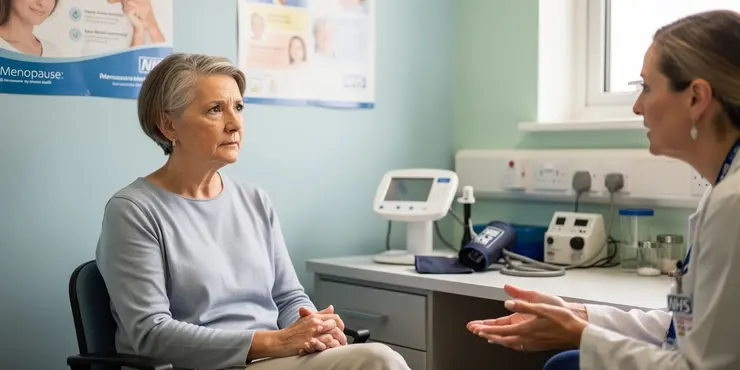
Can a menopause specialist help if I cannot take hormones?
Relevance: 89%

-

Is it okay to ask for a referral to a menopause specialist if I feel dismissed?
Relevance: 88%
-
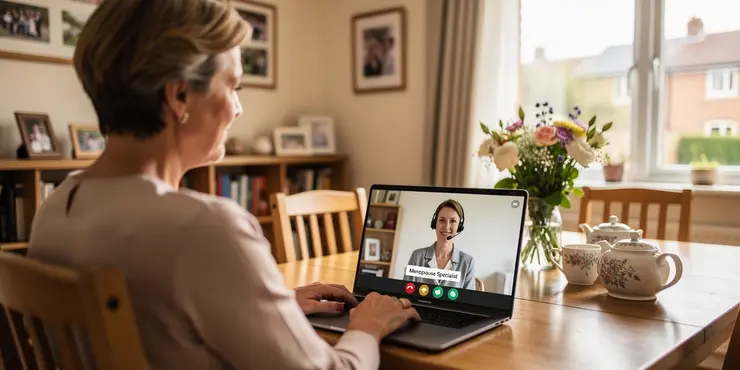
Can I consult with a specialist about menopause online through the NHS?
Relevance: 88%
-

Will my insurance cover a menopause specialist referral?
Relevance: 84%
-

What if my doctor says I do not need a menopause specialist?
Relevance: 83%
-

How long does it take to get an appointment with a menopause specialist?
Relevance: 81%
-

What should I ask a menopause specialist at my visit?
Relevance: 77%
-

Does the NHS offer an online hospital for menopause?
Relevance: 76%
-

Living with the menopause
Relevance: 75%
-

Does the NHS offer an online hospital for menopause?
Relevance: 75%
-

Can I get a referral for menopause if I am under 45?
Relevance: 74%
-

Talking menopause with your GP
Relevance: 74%
-

What is menopause?
Relevance: 72%
-
Menopause Myths
Relevance: 72%
-
Living with the menopause
Relevance: 72%
-

What is menopause masking?
Relevance: 71%
-

What is menopause masking?
Relevance: 71%
-

How can I find NHS-recommended menopause support groups online?
Relevance: 70%
-

Is it possible to delay menopause naturally?
Relevance: 69%
-

What treatments are available for menopause masking?
Relevance: 69%
-
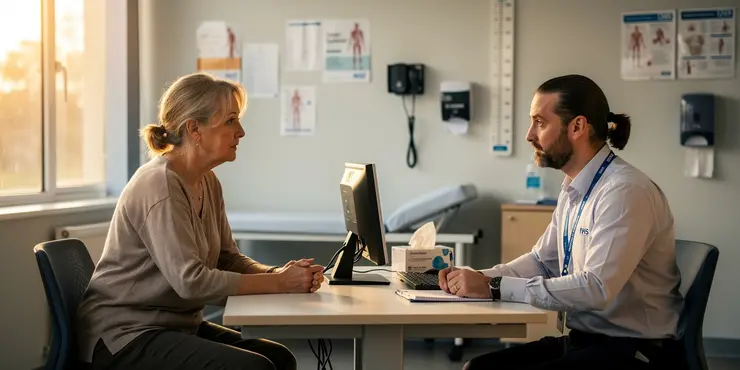
Talking menopause with your GP
Relevance: 69%
-

Are there alternatives to HRT for menopause?
Relevance: 69%
-

Are there any NHS apps for managing menopause symptoms?
Relevance: 68%
-

What are common symptoms of menopause?
Relevance: 68%
-

What is the role of estrogen in menopause?
Relevance: 68%
-

Does the menopause just happen suddenly?
Relevance: 68%
-
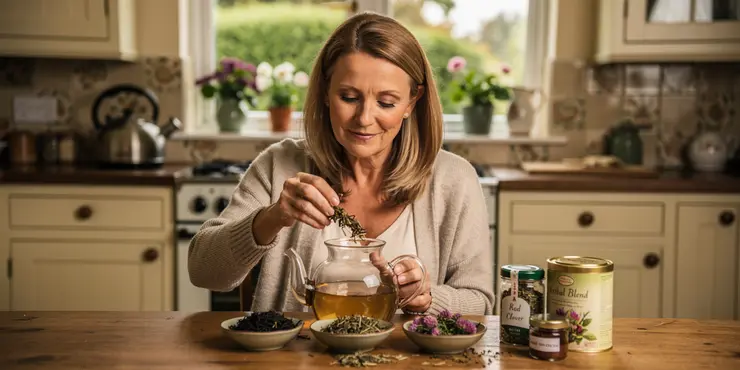
Are there natural remedies for menopause masking?
Relevance: 67%
-

What if I want a second opinion about menopause treatment?
Relevance: 67%
-

What treatment for menopause is available on prescription?
Relevance: 67%
-

How can sleeping habits be improved during menopause?
Relevance: 67%
-

Are there specific types of dementia linked to menopause?
Relevance: 67%
Preparing for your menopause appointment
It can help to think about your visit in advance so you make the most of your time with the specialist. Write down your main symptoms, when they started, and how they are affecting your daily life.
Bring a list of any medicines or supplements you take, including over-the-counter products. If you have had periods of time without bleeding, note those dates too, as this can help your specialist understand your stage of menopause.
Questions about your symptoms
Start by asking which of your symptoms may be linked to menopause and which might need other investigation. Common symptoms include hot flushes, night sweats, poor sleep, mood changes, brain fog, vaginal dryness, and low libido.
You could also ask how severe your symptoms are on a scale of mild to severe. This can help you and your specialist decide what type of treatment is most appropriate for you.
Questions about treatment options
Ask what treatment choices are available for your situation. In the UK, this may include hormone replacement therapy, non-hormonal medicines, lifestyle changes, or treatment for specific symptoms such as vaginal moisturisers or creams.
It is also sensible to ask how long treatment usually takes to work and what side effects to watch for. If you are unsure about HRT, ask how the benefits and risks apply to your own health history.
Questions about safety and medical history
Your specialist may want to know about conditions such as blood clots, breast cancer, high blood pressure, migraines, or a family history of certain illnesses. Ask whether any of these affect your treatment options.
You can also ask whether you need any checks before starting treatment, such as blood pressure readings or further tests. If you are taking other medication, ask whether there could be any interactions.
Questions about different types of menopause
If you are under 45, ask whether you might be experiencing early menopause or premature ovarian insufficiency. This can affect treatment recommendations and may mean you need care over a longer period.
Ask what support is available if your menopause has been brought on by surgery, cancer treatment, or another medical condition. The right approach may be different from natural menopause.
Questions about follow-up and support
Ask how often you should be reviewed after starting treatment and what to do if your symptoms do not improve. It is helpful to know who to contact if you have concerns between appointments.
You may also want to ask about reliable support resources, including NHS information, local menopause services, or menopause specialists registered with professional bodies. A good specialist should welcome your questions and help you feel involved in decisions about your care.
Frequently Asked Questions
What should I ask a menopause specialist at my visit?
Ask about your symptoms, treatment options, risks and benefits of therapies, lifestyle changes, tests you may need, and what follow-up care should look like.
How do I know if my symptoms are related to menopause?
Ask which of your symptoms are typical of perimenopause or menopause and whether any could be caused by other medical conditions.
What treatment options are available for my symptoms?
Ask about hormone therapy, nonhormonal medications, vaginal treatments, and nonprescription approaches that may help your specific symptoms.
Am I a good candidate for hormone therapy?
Ask whether your age, health history, and symptom pattern make hormone therapy appropriate and what the potential benefits and risks are for you.
What are the risks and benefits of hormone therapy in my case?
Ask how hormone therapy might affect hot flashes, sleep, bone health, and quality of life, and what risks may apply based on your personal and family history.
Are there nonhormonal options for hot flashes and night sweats?
Ask about prescription and lifestyle options that can reduce vasomotor symptoms if you cannot or do not want to use hormones.
What can help with vaginal dryness or painful sex?
Ask about vaginal moisturizers, lubricants, local estrogen, or other treatments that can improve comfort and sexual health.
How can I protect my bones during and after menopause?
Ask whether you need a bone density test, how to lower fracture risk, and what calcium, vitamin D, exercise, or medications may be recommended.
Should I get any tests or lab work?
Ask whether any blood tests, thyroid testing, cholesterol checks, or bone density screening are appropriate for your symptoms and age.
How long do menopausal symptoms usually last?
Ask what to expect over time, how symptoms can change during perimenopause and after menopause, and when they may improve.
What can I do about sleep problems during menopause?
Ask about causes of sleep disruption and what treatments, habits, or evaluations may help you sleep better.
Could menopause be affecting my mood, memory, or anxiety?
Ask how hormonal changes may relate to mood swings, brain fog, anxiety, or depression and when to seek additional mental health support.
What lifestyle changes could improve my symptoms?
Ask about exercise, diet, alcohol, caffeine, stress management, and weight management strategies that may lessen symptoms.
How do my other health conditions affect menopause treatment?
Ask how conditions such as migraine, blood clots, high blood pressure, breast cancer risk, or uterine issues affect your treatment choices.
How often should I follow up with you?
Ask when you should return, what symptoms should prompt an earlier visit, and how your treatment response will be monitored.
What side effects should I watch for with treatment?
Ask which side effects are common, which are urgent, and how to contact the office if you notice concerning changes.
What options are there if one treatment does not work?
Ask how your plan can be adjusted, what the next steps are if symptoms persist, and whether combination therapy is possible.
How does menopause affect sexual health and libido?
Ask about changes in desire, comfort, arousal, and relationship concerns, plus treatments that may help.
Are there supplements or natural remedies you recommend or avoid?
Ask which supplements are evidence-based, which may interact with medications, and which should be avoided for safety reasons.
What is the best plan for me based on my age and symptom pattern?
Ask for a personalized plan that addresses symptom control, long-term health, screening, and prevention in a way that fits your goals.

Useful Links
This website offers general information and is not a substitute for professional advice.
Always seek guidance from qualified professionals.
If you have any medical concerns or need urgent help, contact a healthcare professional or emergency services immediately.
Some of this content was generated with AI assistance. We've done our best to keep it accurate, helpful, and human-friendly.
- Ergsy carefully checks the information in the videos we provide here.
- Videos shown by Youtube after a video has completed, have NOT been reviewed by ERGSY.
- To view, click the arrow in centre of video.
- Most of the videos you find here will have subtitles and/or closed captions available.
- You may need to turn these on, and choose your preferred language.
- Go to the video you'd like to watch.
- If closed captions (CC) are available, settings will be visible on the bottom right of the video player.
- To turn on Captions, click settings.
- To turn off Captions, click settings again.
More Items From Ergsy search
-
Can a gynecologist be a menopause specialist?
Relevance: 100%
-
What type of doctor is a menopause specialist?
Relevance: 100%
-
What symptoms can a menopause specialist help with?
Relevance: 96%
-
Can I ask for a referral to a menopause specialist?
Relevance: 96%
-
Can a menopause specialist prescribe hormone therapy?
Relevance: 94%
-
Can I ask for a referral to a specialist for early menopause?
Relevance: 93%
-
Do I need a referral to see a menopause specialist?
Relevance: 92%
-
When should I ask for a referral to a menopause specialist?
Relevance: 91%
-
Will a menopause specialist help with bone health and heart health?
Relevance: 91%
-
Can a menopause specialist help if I cannot take hormones?
Relevance: 89%
-
Is it okay to ask for a referral to a menopause specialist if I feel dismissed?
Relevance: 88%
-
Can I consult with a specialist about menopause online through the NHS?
Relevance: 88%
-
Will my insurance cover a menopause specialist referral?
Relevance: 84%
-
What if my doctor says I do not need a menopause specialist?
Relevance: 83%
-
How long does it take to get an appointment with a menopause specialist?
Relevance: 81%
-
What should I ask a menopause specialist at my visit?
Relevance: 77%
-
Does the NHS offer an online hospital for menopause?
Relevance: 76%
-
Living with the menopause
Relevance: 75%
-
Does the NHS offer an online hospital for menopause?
Relevance: 75%
-
Can I get a referral for menopause if I am under 45?
Relevance: 74%
-
Talking menopause with your GP
Relevance: 74%
-
What is menopause?
Relevance: 72%
-
Menopause Myths
Relevance: 72%
-
Living with the menopause
Relevance: 72%
-
What is menopause masking?
Relevance: 71%
-
What is menopause masking?
Relevance: 71%
-
How can I find NHS-recommended menopause support groups online?
Relevance: 70%
-
Is it possible to delay menopause naturally?
Relevance: 69%
-
What treatments are available for menopause masking?
Relevance: 69%
-
Talking menopause with your GP
Relevance: 69%
-
Are there alternatives to HRT for menopause?
Relevance: 69%
-
Are there any NHS apps for managing menopause symptoms?
Relevance: 68%
-
What are common symptoms of menopause?
Relevance: 68%
-
What is the role of estrogen in menopause?
Relevance: 68%
-
Does the menopause just happen suddenly?
Relevance: 68%
-
Are there natural remedies for menopause masking?
Relevance: 67%
-
What if I want a second opinion about menopause treatment?
Relevance: 67%
-
What treatment for menopause is available on prescription?
Relevance: 67%
-
How can sleeping habits be improved during menopause?
Relevance: 67%
-
Are there specific types of dementia linked to menopause?
Relevance: 67%