
Get Answers
Introduction
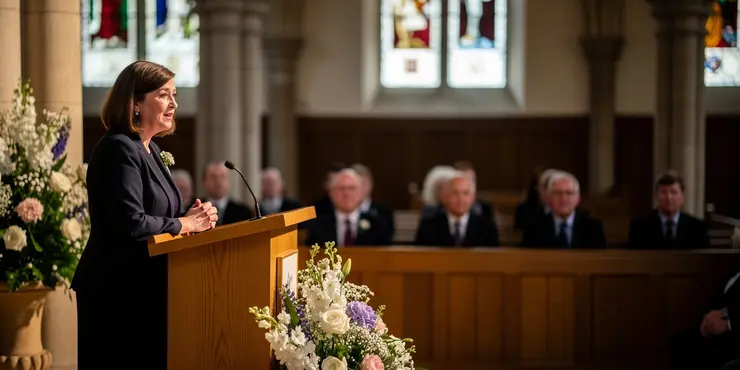
Writing a eulogy can be both a challenging and rewarding task. It is an honour to reflect on the life of someone special. In the UK, eulogies often blend personal anecdotes with respectful tributes.
This guide will help you include the most important elements in a eulogy. Remember, it should both celebrate the person’s life and offer comfort to those in attendance.
Start with a Warm Welcome
Begin by welcoming everyone who has gathered to pay their respects. Acknowledge those who have travelled to attend the service.
Thank family members and friends for their support. It sets a compassionate tone and brings the mourners together.
Share Personal Anecdotes
Reflect on memorable moments you shared with the deceased. Personal stories capture the essence of the person's character and legacy.
Anecdotes should be heartfelt and sincere, offering a glimpse into the personality and life of the deceased.
Highlight Key Achievements
Discuss significant achievements or milestones in the person's life. This might include career accomplishments, community contributions, or academic successes.
Acknowledge any awards or recognitions that highlight their dedication and hard work. Focus on their passions and how they impacted others positively.
Reflect on Character and Values
Consider the values that the deceased held dear. These could include kindness, honesty, or generosity.
Describe their character traits, such as their sense of humour or resilience, to provide a fuller picture of who they were.
End with a Heartfelt Goodbye
Conclude your eulogy by addressing the person directly. Express your gratitude for having known them and the impact they had on your life.
Offer a final farewell as a way to provide closure. Encourage others to carry the deceased’s spirit forward in their own lives.
Offer Comfort to the Audience
Recognise the grief and loss felt by everyone present. Convey empathy and understanding for their feelings.
Share comforting thoughts or sentiments to lift spirits. Sometimes, including a meaningful quote can offer solace and inspiration.
Keep it Respective and Appropriate
Avoid controversial topics or overly personal details. Keep the focus respectful and appropriate for all attendees.
Balance honesty with sensitivity, ensuring that the eulogy uplifts rather than distresses.
Frequently Asked Questions
The purpose of a eulogy is to honor and celebrate the life of the deceased, reflecting on their achievements, personality, and the impact they had on others.
A eulogy typically ranges from 5 to 10 minutes, which is approximately 500 to 1000 words. It's important to keep it concise and meaningful.
The introduction should include a brief statement about your relationship with the deceased and a preview of the themes or stories you will share.
Organize the main content by themes, chronological order, or key characteristics of the deceased. Include anecdotes and personal stories to illustrate each point.
Including quotes can be a powerful way to convey emotions or values the deceased held. Choose quotes that resonate with the individual’s life or your memories of them.
Humor can be appropriate if it reflects the personality of the deceased and is respectful. It can help lighten the mood and celebrate joyful memories.
Maintain a respectful and heartfelt tone, balancing sorrow with a celebration of life. The tone can vary depending on the character and preferences of the deceased.
Conclude with a final thought or message, perhaps a wish or hope for the future, and express gratitude for having known the deceased.
Yes, personal anecdotes make the eulogy more relatable and memorable, providing a unique perspective on the deceased's life.
Practice the eulogy beforehand, take deep breaths, and pause if you become overwhelmed. It's okay to show emotion; it reflects genuine feeling.
Start by brainstorming memories and stories about the deceased. You can also ask friends and family for their perspectives and stories.
Yes, mentioning achievements highlights the contributions and impact the deceased had on their community and loved ones.
Focus on the positive aspects of the deceased’s life, respect cultural and personal preferences, and avoid sharing any controversial or overly personal details.
Yes, incorporating messages or tributes from others can provide a fuller picture of the deceased’s life and impact.
Focus on positive aspects, common ground, and personal growth. It’s okay to acknowledge challenges briefly, but prioritize a respectful and compassionate tone.
Mentioning the cause of death is not necessary unless it’s a key part of honoring the deceased’s life, such as a battle with a long illness.
A eulogy should be personal enough to reflect your genuine relationship with the deceased, combining universal themes with specific memories.
Offer words of comfort, shared memories, and express collective gratitude and love for the deceased. Encourage cherishing ongoing memories together.
Yes, reading from a script ensures you convey your thoughts clearly and helps manage emotions. Practice beforehand to maintain natural delivery.
Yes, delivering a eulogy with another person can provide different perspectives and shared memories. Coordinate with them to ensure a coherent structure.

Ergsy Search Results
This website offers general information and is not a substitute for professional advice.
Always seek guidance from qualified professionals.
If you have any medical concerns or need urgent help, contact a healthcare professional or emergency services immediately.
Some of this content was generated with AI assistance. We've done our best to keep it accurate, helpful, and human-friendly.
- Ergsy carefully checks the information in the videos we provide here.
- Videos shown by Youtube after a video has completed, have NOT been reviewed by ERGSY.
- To view, click the arrow in centre of video.
- Most of the videos you find here will have subtitles and/or closed captions available.
- You may need to turn these on, and choose your preferred language.
- Go to the video you'd like to watch.
- If closed captions (CC) are available, settings will be visible on the bottom right of the video player.
- To turn on Captions, click settings.
- To turn off Captions, click settings again.