
Get Answers
Introduction
Water leaks pose a significant challenge in the UK, with various factors contributing to the difficulty of addressing this pervasive issue. Despite advancements in technology and infrastructure, water companies continue to grapple with persistent leaks in the water supply system. This problem not only leads to wastage of a precious resource but also causes inconvenience and financial strain on both providers and consumers.
Ageing Infrastructure
One of the primary reasons for the difficulty in fixing water leaks in the UK is the ageing infrastructure. Many of the water pipes and systems date back to the Victorian era, and these old pipes are prone to cracks and ruptures. As these pipes deteriorate over time, the likelihood of leaks increases, making it a daunting task to maintain and repair them. Replacing or upgrading this extensive network involves significant investment and time.
Complex Detection
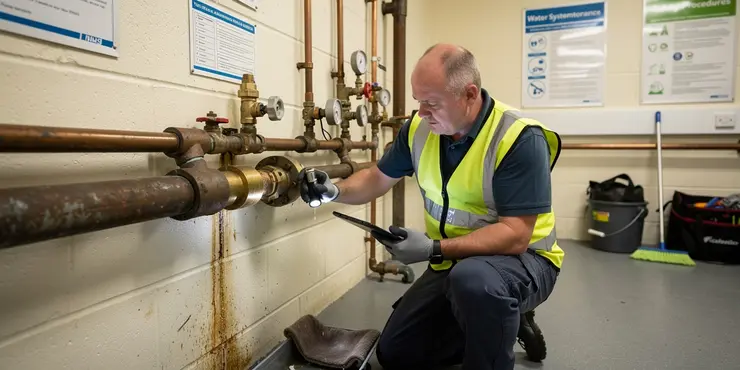
Detecting water leaks is not always straightforward. Many leaks remain undetected for long periods because they occur underground or in hard-to-access areas. Advanced technology such as acoustic sensors and trenchless technology is employed to locate leaks, but these methods can be costly and are not always foolproof. Accurate detection is crucial for efficient repair, yet the complexities involved often lead to delays and increased costs.
Climate Factors
The UK's variable climate also plays a role in the persistence of water leaks. Seasonal changes, including freezing temperatures in winter and dry spells in summer, can cause pipes to expand and contract, leading to fractures. This cycle of freezing and thawing is particularly damaging to the older infrastructure, contributing to an increase in leak incidents during certain times of the year.
Regulatory and Economic Constraints
Water companies in the UK operate within a regulatory framework that requires them to balance environmental concerns with economic feasibility. Ofwat, the economic regulator, sets targets for leak reduction but also imposes limits on how much companies can charge their customers. This creates a challenging landscape for investing in comprehensive infrastructure upgrades. Additionally, political and public pressure to keep water bills low complicates the allocation of sufficient funds for leak repairs.
Lack of Public Awareness
Another challenge is the general lack of public awareness about the impact of water leaks. While water companies are responsible for maintaining the supply system, consumers play a part in identifying and reporting leaks. However, many people are not aware of the severity of the issue or how to identify leaks in their own homes. Educating the public on the importance of reporting leaks and conserving water is vital for tackling this issue comprehensively.
Conclusion
In summary, fixing water leaks in the UK presents a complex challenge involving old infrastructure, detection difficulties, climate impact, regulatory restrictions, and limited public involvement. Addressing these challenges requires coordinated efforts from water companies, regulators, and consumers to ensure the sustainable management of water resources in the future.
Introduction
Water leaks are a big problem in the UK. Many things make it hard to fix this problem. Even with new technology, water companies still struggle with leaks. This wastes water and costs money for both the companies and people.
Old Pipes
A lot of the water pipes in the UK are very old. Some are from the Victorian times. Old pipes break and crack easily. Fixing these pipes is hard and takes a lot of time and money.
Finding Leaks
It is not easy to find water leaks. Many leaks are hidden because they happen underground. Special tools can help find leaks, but they can be expensive and don't always work perfectly. Finding leaks quickly is important to fix them, but it can be tricky and costly.
Weather Changes
The weather in the UK changes a lot. In winter, it can freeze. In summer, it can be very dry. These changes make pipes crack more. Old pipes get more leaks when the weather changes a lot.
Rules and Money
Water companies have to follow strict rules. They have to think about the environment and money. There are limits on how much they can charge people for water. This makes upgrading pipes challenging. People also want to keep water bills low, making it harder to fix everything.
Public Awareness
Many people don't know how bad water leaks are. It's important for everyone to help by spotting and reporting leaks. Teaching people about saving water and reporting leaks can help fix the problem.
Conclusion
Fixing water leaks in the UK is hard because pipes are old, finding leaks is difficult, weather changes damage pipes, and money is tight. Working together, water companies, rule makers, and people can make sure water is used wisely.
Frequently Asked Questions
Many leaks occur underground or in inaccessible areas, making them difficult to detect without specialized equipment.
The UK has an aging water infrastructure, with many pipes dating back decades, increasing the likelihood of leaks and breaks.
Frequent changes in temperature and ground conditions can exacerbate leaks and make repairs more difficult.
Dense urban environments can restrict access to underground pipes due to buildings, roads, and other infrastructure.
Utilities may face budget limitations, leading to prioritization of repairs and delayed response times.
The complexity and size of the water network make comprehensive monitoring challenging and costly.
Utilities must navigate complex regulations and permissions, which can delay repair efforts.
Replacing old pipes can be disruptive and costly, requiring careful planning and coordination.
Certain soil types can accelerate corrosion of pipes, increasing the likelihood of leaks.
While technology assists in detecting leaks, implementing solutions quickly and efficiently remains a challenge.
High population density increases water demand, stressing the network and complicating leak repairs.
Repair crews often have to work in constrained environments, requiring specialized equipment and coordination.
Increasing public awareness can help in early detection and reporting of leaks, aiding quicker repairs.
Repairing leaks needs to be balanced with minimizing environmental disruption and meeting sustainability goals.
The sector faces challenges in recruiting and retaining skilled workers, impacting the speed of repairs.
Budget cuts can result in deferred maintenance, leading to more frequent and severe leaks.
The vast length of the network makes it challenging to monitor and maintain effectively.
Timely customer reports can assist utilities in identifying leaks faster and prioritize repairs.
Emergencies can divert resources and delay routine maintenance, affecting overall network integrity.
Repairs often require shutting down sections of the water network, leading to service interruptions.
Lots of leaks happen under the ground or in places you can't get to easily. This makes them hard to find without special tools.
The UK has old water pipes. Many of them are really old. This makes it more likely for them to leak or break.
When the weather changes a lot and the ground gets hard or soft, it can make leaks worse. This also makes fixing the leaks harder.
In busy cities, it can be hard to get to pipes under the ground. This is because there are a lot of buildings, roads, and other things in the way.
Sometimes utility companies, like those for water or electricity, don't have enough money. This means they have to choose which things to fix first and might take longer to help with problems.
The water system is very big and complicated. This makes it hard and expensive to keep track of everything.
Utility companies have to follow many rules and get permissions before they can do repairs. This can make fixing things take longer.
Changing old pipes can bother people and cost a lot of money. It needs good planning and teamwork.
Some types of soil can make pipes rust faster. This can cause them to leak more easily.
Technology can help us find leaks, but fixing them quickly and easily can still be hard to do.
When lots of people live close together, they need more water. This makes it harder to fix water leaks.
Fixing things can be really tricky. Workers sometimes have to fix things in small, tight places. They need special tools and good teamwork to do it.
More people need to know about leaks. This can help find leaks early and tell someone about them. Then, fixing leaks can happen faster.
Fixing leaks is important. We must also care for nature and think about the Earth. We need to make sure we reach our goals to protect the planet.
This work area has problems finding and keeping good workers. This makes repairs take longer.
When there is not enough money, fixing things gets delayed. This can cause more leaks and make them happen more often.
The network is really big, and this makes it hard to watch over and take care of.
When customers tell us about problems quickly, it helps us find and fix leaks faster. This makes sure we repair the most important things first.
Emergencies can use up important resources and make regular maintenance take longer. This can make the network weaker.
When things need fixing, we might have to turn off parts of the water pipes.
This means you might not have water for a while.
If this happens, try filling bottles and buckets with water before it stops.
You can also let people know, like your family or neighbors.

Ergsy Search Results
This website offers general information and is not a substitute for professional advice.
Always seek guidance from qualified professionals.
If you have any medical concerns or need urgent help, contact a healthcare professional or emergency services immediately.
Some of this content was generated with AI assistance. We've done our best to keep it accurate, helpful, and human-friendly.
- Ergsy carefully checks the information in the videos we provide here.
- Videos shown by Youtube after a video has completed, have NOT been reviewed by ERGSY.
- To view, click the arrow in centre of video.
- Most of the videos you find here will have subtitles and/or closed captions available.
- You may need to turn these on, and choose your preferred language.
- Go to the video you'd like to watch.
- If closed captions (CC) are available, settings will be visible on the bottom right of the video player.
- To turn on Captions, click settings.
- To turn off Captions, click settings again.