

Find Help
More Items From Ergsy search
-

Is there scientific evidence linking menopause to dementia?
Relevance: 100%
-

What are the links between menopause and dementia?
Relevance: 99%
-
Are there specific types of dementia linked to menopause?
Relevance: 98%
-

Is the age of menopause onset related to dementia risk?
Relevance: 97%
-

What further research is needed about menopause and dementia?
Relevance: 96%
-

How does menopause potentially affect dementia risk?
Relevance: 95%
-

How common is it for women to develop dementia after menopause?
Relevance: 94%
-
What symptoms can overlap between menopause and the early stages of dementia?
Relevance: 93%
-

Can lifestyle changes during menopause help reduce dementia risk?
Relevance: 86%
-

Do genetics play a role in dementia risk post-menopause?
Relevance: 78%

-

Can hormone replacement therapy (HRT) impact dementia risk?
Relevance: 75%
-

Do male and female brains age differently regarding dementia risk?
Relevance: 67%
-
What are the signs of early cognitive decline related to menopause?
Relevance: 60%
-

What is menopause?
Relevance: 55%
-

What is dementia?
Relevance: 55%
-

Are there psychological impacts of menopause that affect cognitive health?
Relevance: 55%
-

Is there a cure for dementia?
Relevance: 55%
-

Menopause Myths
Relevance: 54%
-

Living with the menopause
Relevance: 54%
-
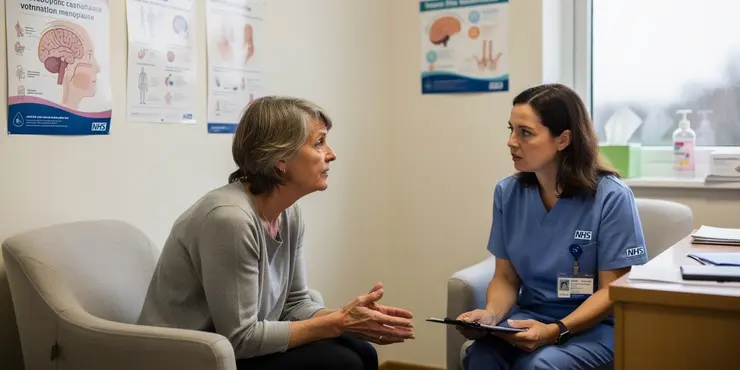
Do all women experience cognitive decline after menopause?
Relevance: 54%
-
Living with the menopause
Relevance: 54%
-
What is menopause masking?
Relevance: 54%
-
What is menopause masking?
Relevance: 53%
-
Living with dementia | NHS
Relevance: 53%
-
Is it possible to delay menopause naturally?
Relevance: 52%
-

How is dementia diagnosed?
Relevance: 51%
-
What are common symptoms of menopause?
Relevance: 51%
-

Early onset dementia | NHS
Relevance: 51%
-
What is the role of estrogen in menopause?
Relevance: 51%
-

Does the menopause just happen suddenly?
Relevance: 51%
-
Are there natural remedies for menopause masking?
Relevance: 51%
-

Can dementia affect younger people?
Relevance: 50%
-

Is menopause linked to loss of brain matter?
Relevance: 50%
-
What treatments are available for menopause masking?
Relevance: 50%
-
Dementia Care at Colten Care
Relevance: 50%
-

Talking menopause with your GP
Relevance: 50%
-

How long does menopause usually go on?
Relevance: 50%
-

Talking menopause with your GP
Relevance: 50%
-
What is the difference between perimenopause and menopause?
Relevance: 50%
-
Can acupuncture help with menopause masking?
Relevance: 49%
Understanding Menopause and Dementia
Menopause is a natural biological process in women, marking the end of menstrual cycles. It is a significant transition often accompanied by various physical and psychological changes. There is growing interest in understanding its potential impact on cognitive health. Some researchers are exploring whether menopause may increase the risk of developing certain types of dementia.
Dementia is an umbrella term for a variety of conditions characterized by cognitive decline. Alzheimer's disease is the most common form, but other types include vascular dementia and Lewy body dementia. Investigating the connections between menopause and these illnesses is vital to understanding women's health better.
The Role of Hormones in Cognitive Health
Oestrogen, a primary female sex hormone, plays a crucial role in cognitive function. It is thought to have protective effects on the brain, influencing memory and learning. During menopause, the natural decline in oestrogen levels may impact brain health.
Some studies suggest that this hormonal change could increase vulnerability to Alzheimer's disease. However, research is still ongoing to determine the extent of this connection. It is essential to continue exploring how hormonal changes during menopause affect long-term cognitive health.
Research on Menopause and Dementia
Current research seeks to establish a link between menopause and different types of dementia. Some studies have indicated that menopausal women may have an increased risk of Alzheimer's due to hormonal shifts. These studies often explore the potential neuroprotective role of hormone replacement therapy (HRT).
However, the research findings are mixed, and not all studies show a direct correlation. Factors such as genetics, lifestyle, and overall health could also influence dementia risk. The complexity of this relationship requires further investigation to draw more definitive conclusions.
Preventive Measures and Lifestyle Choices
While menopause itself cannot be prevented, women can take steps to support their brain health during this transition. Engaging in regular physical activity, maintaining a balanced diet, and staying socially active are beneficial practices. These lifestyle choices may help reduce the risk of cognitive decline.
Consultation with healthcare providers about the risks and benefits of HRT is another strategy. Each case is unique, and individual health factors need to be considered. It is crucial for women to stay informed and proactive about their health through menopause and beyond.
Conclusion
The relationship between menopause and dementia is an important area of study. While some evidence suggests a potential link, more research is needed. Understanding how menopause may influence dementia risk can lead to better strategies for prevention and care.
Women should remain aware of their cognitive health during and after menopause. Ongoing research and personal health choices will contribute to managing potential risks. Staying informed and engaging in healthy lifestyle practices remain paramount.
Frequently Asked Questions
What is menopause-related cognitive dysfunction?
Menopause-related cognitive dysfunction refers to difficulties with memory, attention, and cognitive processing that can occur around the time of menopause. These changes are often temporary and related to hormonal fluctuations.
Can menopause cause dementia?
Menopause itself does not cause dementia, but hormonal changes during menopause can temporarily affect cognitive function. However, some women may experience increased risks for types of dementia later in life.
Are there types of dementia specifically linked to menopause?
While menopause is not directly linked to specific types of dementia, changes in estrogen levels can influence brain health, potentially affecting the risk for conditions like Alzheimer's disease.
How does estrogen affect cognitive function?
Estrogen plays a role in brain function, influencing memory, mood, and cognitive processing. The decline in estrogen during menopause can impact these areas, possibly increasing the risk for cognitive changes.
Is there a difference between menopause-related cognitive difficulties and dementia?
Yes, menopause-related cognitive difficulties are generally temporary and related to hormonal changes, whereas dementia involves progressive, long-term memory loss and cognitive decline due to neurological changes.
What role does hormone replacement therapy (HRT) play in dementia risk?
Hormone replacement therapy can alleviate menopausal symptoms and may have cognitive benefits, but its effect on dementia risk is complex and may vary depending on the type, timing, and duration of therapy.
Can lifestyle changes during menopause affect dementia risk?
Yes, maintaining a healthy lifestyle, including regular exercise, a balanced diet, and mental stimulation, can support cognitive health and may reduce the risk of dementia.
What symptoms should women look for to differentiate between menopause-related memory issues and dementia?
Symptoms like mild forgetfulness, difficulty concentrating, and trouble with word recall are common during menopause. However, if these symptoms progressively worsen, it is important to seek medical advice for potential dementia evaluation.
Are there early interventions to prevent dementia related to menopause?
Early interventions such as regular physical activity, cognitive training, social engagement, and maintaining cardiovascular health can help reduce dementia risk.
Does early menopause increase the risk of dementia?
Some studies suggest that early menopause may increase the risk of dementia, particularly if it occurs before age 45 due to longer exposure to lower estrogen levels.
How can women monitor their cognitive health during menopause?
Women can monitor cognitive health by keeping track of any changes in memory, attention, and problem-solving abilities, and seeking medical advice if concerns arise.
Does cognitive function improve after post-menopause?
For many women, cognitive function that may have declined slightly during the menopause transition can stabilize or even improve after the post-menopausal period.
What research is being done on menopause and dementia?
Research is ongoing to better understand how menopause and hormonal changes impact brain health, and how these factors influence dementia risk. Studies are exploring the effects of hormone therapy and lifestyle factors.
Can menopause trigger other mental health issues besides cognitive decline?
Yes, menopause can also affect mental health, contributing to conditions such as depression, anxiety, and mood swings, which can indirectly influence cognitive function.
Could supplements help reduce dementia risk during menopause?
Certain supplements, such as omega-3 fatty acids and vitamin E, have been suggested to support brain health, but it's important to consult with a healthcare provider before starting any supplement regimen.
Are memory problems during menopause permanent?
Memory problems during menopause are usually temporary and related to hormonal changes. Most women experience improvement once hormonal levels stabilize.
What is the connection between cardiovascular health and dementia risk after menopause?
Poor cardiovascular health can increase the risk of vascular changes in the brain, which can lead to dementia. Maintaining heart health is particularly important after menopause.
How do menopause symptoms affect daily life in terms of cognitive function?
Symptoms like hot flashes, sleep disturbances, and mood swings during menopause can interfere with cognitive function, impacting daily activities and quality of life.
What steps can women take to support their cognitive function during menopause?
Women can support cognitive function by staying physically active, eating a balanced diet, getting enough sleep, staying mentally active, and managing stress effectively.
Can stress during menopause contribute to dementia risk?
Chronic stress can negatively affect brain health and may increase the risk of cognitive decline, making stress management important during menopause.

Useful Links
This website offers general information and is not a substitute for professional advice.
Always seek guidance from qualified professionals.
If you have any medical concerns or need urgent help, contact a healthcare professional or emergency services immediately.
Some of this content was generated with AI assistance. We’ve done our best to keep it accurate, helpful, and human-friendly.
- Ergsy carfully checks the information in the videos we provide here.
- Videos shown by Youtube after a video has completed, have NOT been reviewed by ERGSY.
- To view, click the arrow in centre of video.
- Most of the videos you find here will have subtitles and/or closed captions available.
- You may need to turn these on, and choose your preferred language.
- Go to the video you'd like to watch.
- If closed captions (CC) are available, settings will be visible on the bottom right of the video player.
- To turn on Captions, click settings .
- To turn off Captions, click settings again.
More Items From Ergsy search
-
Is there scientific evidence linking menopause to dementia?
Relevance: 100%
-
What are the links between menopause and dementia?
Relevance: 99%
-
Are there specific types of dementia linked to menopause?
Relevance: 98%
-
Is the age of menopause onset related to dementia risk?
Relevance: 97%
-
What further research is needed about menopause and dementia?
Relevance: 96%
-
How does menopause potentially affect dementia risk?
Relevance: 95%
-
How common is it for women to develop dementia after menopause?
Relevance: 94%
-
What symptoms can overlap between menopause and the early stages of dementia?
Relevance: 93%
-
Can lifestyle changes during menopause help reduce dementia risk?
Relevance: 86%
-
Do genetics play a role in dementia risk post-menopause?
Relevance: 78%
-
Can hormone replacement therapy (HRT) impact dementia risk?
Relevance: 75%
-
Do male and female brains age differently regarding dementia risk?
Relevance: 67%
-
What are the signs of early cognitive decline related to menopause?
Relevance: 60%
-
What is menopause?
Relevance: 55%
-
What is dementia?
Relevance: 55%
-
Are there psychological impacts of menopause that affect cognitive health?
Relevance: 55%
-
Is there a cure for dementia?
Relevance: 55%
-
Menopause Myths
Relevance: 54%
-
Living with the menopause
Relevance: 54%
-
Do all women experience cognitive decline after menopause?
Relevance: 54%
-
Living with the menopause
Relevance: 54%
-
What is menopause masking?
Relevance: 54%
-
What is menopause masking?
Relevance: 53%
-
Living with dementia | NHS
Relevance: 53%
-
Is it possible to delay menopause naturally?
Relevance: 52%
-
How is dementia diagnosed?
Relevance: 51%
-
What are common symptoms of menopause?
Relevance: 51%
-
Early onset dementia | NHS
Relevance: 51%
-
What is the role of estrogen in menopause?
Relevance: 51%
-
Does the menopause just happen suddenly?
Relevance: 51%
-
Are there natural remedies for menopause masking?
Relevance: 51%
-
Can dementia affect younger people?
Relevance: 50%
-
Is menopause linked to loss of brain matter?
Relevance: 50%
-
What treatments are available for menopause masking?
Relevance: 50%
-
Dementia Care at Colten Care
Relevance: 50%
-
Talking menopause with your GP
Relevance: 50%
-
How long does menopause usually go on?
Relevance: 50%
-
Talking menopause with your GP
Relevance: 50%
-
What is the difference between perimenopause and menopause?
Relevance: 50%
-
Can acupuncture help with menopause masking?
Relevance: 49%