
Speak To An Expert
Get clear, personalised advice for your situation.
Jot down a few questions to make the most of your conversation.
More Items From Ergsy search
-
Are there vaccination recommendations for people with compromised immune systems?
Relevance: 100%
-
Does the CDC recommend meningitis vaccines for adolescents?
Relevance: 56%
-
What is herd immunity?
Relevance: 56%
-

Is vaccination recommended for seniors against meningitis?
Relevance: 53%
-
Can the shingles vaccine cause chickenpox?
Relevance: 52%
-

Who should get the chickenpox vaccine?
Relevance: 51%
-
Are infants recommended to receive the meningococcal vaccine?
Relevance: 50%
-
Is there a vaccine for norovirus?
Relevance: 49%
-
Who should get the HPV vaccine?
Relevance: 49%
-

Should I get the chickenpox vaccine?
Relevance: 48%

-
Is there a different recommendation for the MenACWY and MenB vaccines?
Relevance: 48%
-

What is herd immunity?
Relevance: 48%
-
Why are vaccines important?
Relevance: 48%
-
At what age is the MMR vaccine given in the UK?
Relevance: 47%
-
Are there any specific groups that should prioritize meningitis vaccination?
Relevance: 47%
-

Current Flu Vaccination Recommendations and Availability
Relevance: 46%
-
Are adults over 25 recommended for meningitis vaccination?
Relevance: 46%
-
How effective is the MMR vaccine?
Relevance: 46%
-
Who should get the flu vaccine in the UK?
Relevance: 46%
-
Why do vaccinated people sometimes still get sick?
Relevance: 46%
-
Are vaccines safe?
Relevance: 46%
-
At what age should one get the shingles vaccine?
Relevance: 45%
-
What is herd immunity and how does it relate to measles?
Relevance: 45%
-
What is a live-attenuated vaccine?
Relevance: 43%
-
Can chickenpox be prevented?
Relevance: 43%
-
What is a vaccine?
Relevance: 43%
-
Is there a vaccine for rabies?
Relevance: 43%
-
Should I get vaccinated if I already had COVID-19?
Relevance: 43%
-
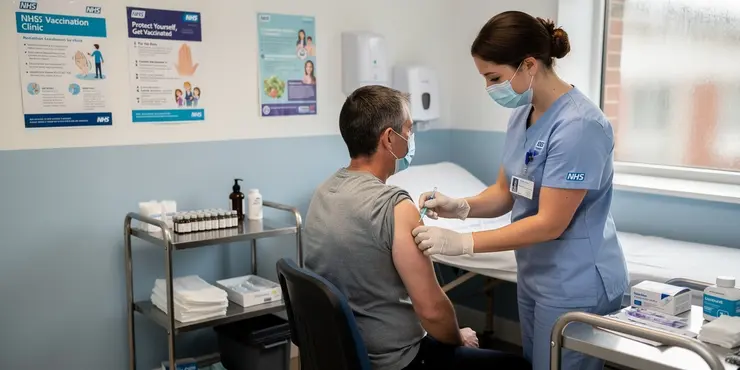
How do vaccines work?
Relevance: 43%
-
How long is a person with measles contagious?
Relevance: 42%
-
Who should get a meningitis vaccination?
Relevance: 42%
-
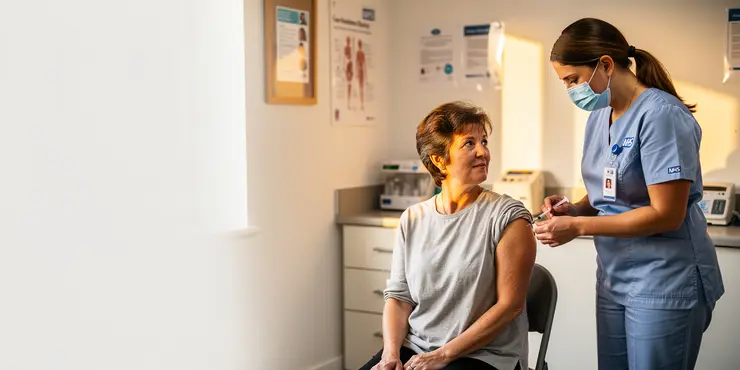
How effective is the flu vaccine?
Relevance: 42%
-

Who should receive the MMR vaccine?
Relevance: 42%
-
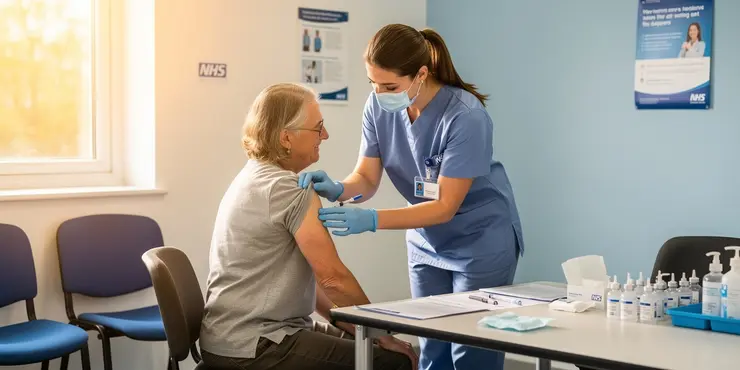
when will i need my next COVID jab?
Relevance: 42%
-
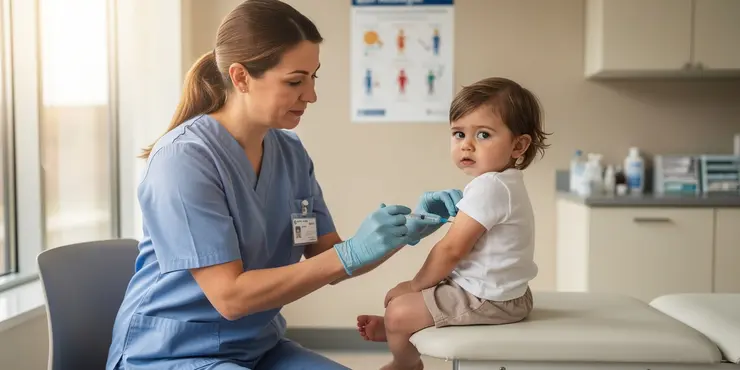
Can everyone receive vaccines?
Relevance: 42%
-
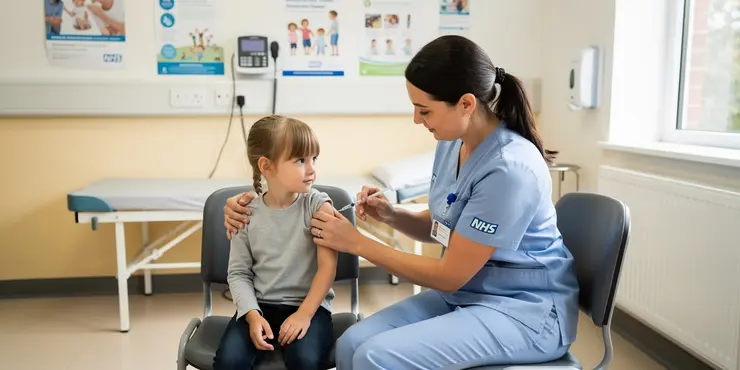
Who should receive the Rubella vaccine?
Relevance: 42%
-
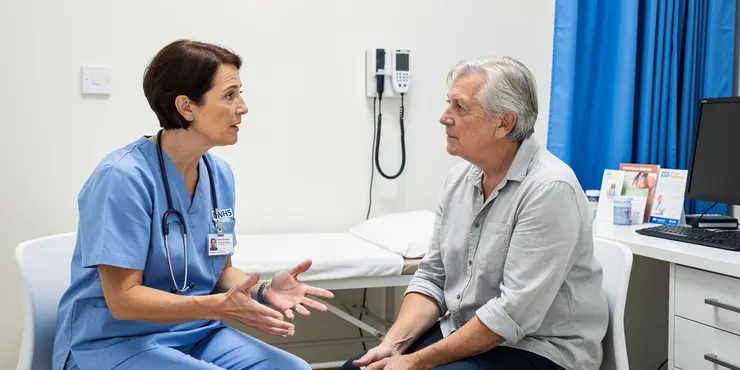
Can the shingles vaccine cause chickenpox?
Relevance: 41%
-
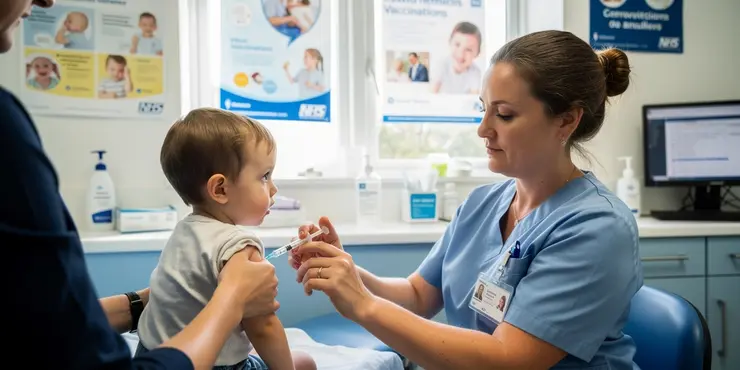
At what age should children receive the MMR vaccine?
Relevance: 41%
-
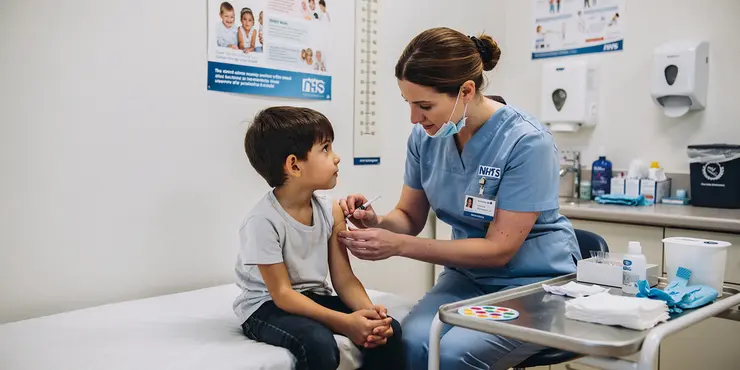
Why do some vaccines require multiple doses?
Relevance: 41%
-
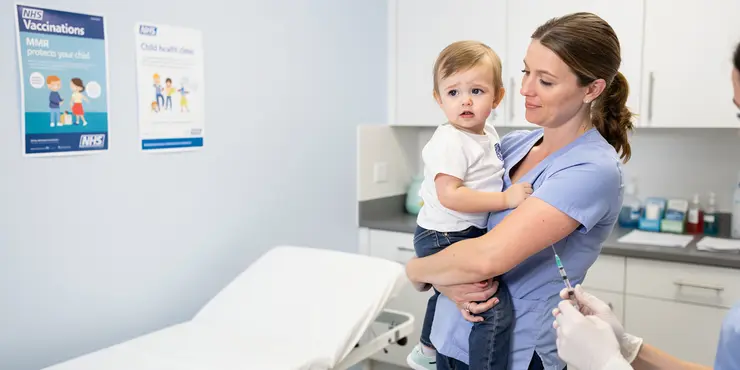
What is the MMR vaccine?
Relevance: 41%
Vaccination Recommendations for People with Compromised Immune Systems
Vaccinations play a critical role in protecting public health, but for individuals with compromised immune systems, the recommendations can vary significantly. In the UK, health authorities provide specific guidelines to ensure these individuals receive the right vaccines, while also considering their unique health needs.
Understanding Compromised Immune Systems
People with compromised immune systems include those undergoing chemotherapy, organ transplant recipients, and individuals with specific immunodeficiency disorders. These conditions can weaken the immune response, making it harder for the body to combat infections. Therefore, vaccines are an essential tool in preventing diseases that could further endanger their health.
Guideline Overview
The UK’s National Health Service (NHS) and the Joint Committee on Vaccination and Immunisation (JCVI) provide tailored recommendations for immunocompromised individuals. It is generally advised that they receive inactivated or non-live vaccines. These vaccines do not contain live pathogens and are safe for individuals with weakened immune systems.
Recommended Vaccinations
For those with compromised immunity, the annual influenza vaccine is strongly recommended. It provides protection against seasonal flu, which can be severe in this population. In addition to the flu vaccine, the pneumococcal vaccine is advised to prevent infections such as pneumonia.
Covid-19 vaccinations, including booster doses, are also essential. The JCVI advises a tailored schedule to ensure optimal protection for immunocompromised people. This includes additional vaccine doses compared to the standard recommendations for the general population.
Vaccines to Avoid
Certain vaccines, particularly live attenuated vaccines, may not be suitable for individuals with compromised immune systems. These include vaccines like the measles, mumps, and rubella (MMR) and the yellow fever vaccine. Since these vaccines contain live, albeit weakened, strains, they may pose a risk to those who have a reduced ability to fight infections.
Consulting Healthcare Providers
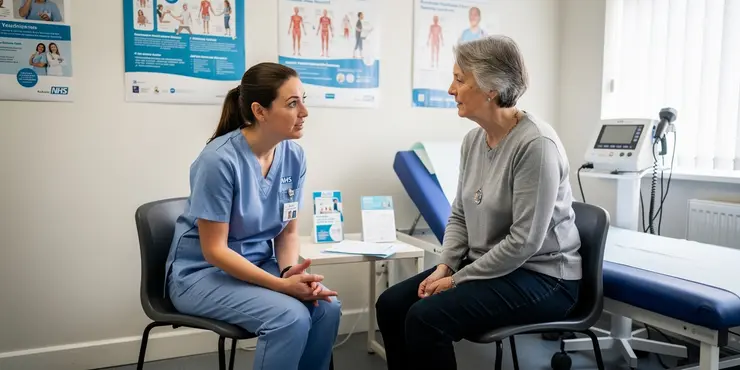
For anyone with a compromised immune system, it's crucial to consult healthcare professionals to personalize their vaccination plan. Doctors can evaluate the specific condition and overall health status to make safe and effective vaccine recommendations.
Conclusion
Vaccination remains a vital component of healthcare for individuals with compromised immune systems. In the UK, there are specific guidelines to ensure safety and maximise protection against preventable diseases. By working closely with healthcare providers, individuals can navigate their options and maintain better overall health outcomes through appropriate vaccination strategies.
Frequently Asked Questions
What is a compromised immune system?
A compromised immune system, also known as immunocompromised, means the body's defense against infections is weakened. This can happen due to medical conditions, treatments, or medications.
Why do people with compromised immune systems need vaccination recommendations?
People with compromised immune systems are at a higher risk of severe infections, so vaccinations can provide critical protection. However, not all vaccines may be safe or effective.
Are live vaccines safe for individuals with compromised immune systems?
Live vaccines are generally not recommended for immunocompromised individuals because the weakened virus or bacteria in the vaccine could cause illness.
Can people with compromised immune systems receive inactivated vaccines?
Inactivated vaccines, which contain killed viruses or bacteria, are generally considered safe for people with compromised immune systems.
Do people with compromised immune systems need additional vaccine doses?
Yes, higher doses or additional booster shots may be recommended to ensure adequate protection due to potentially reduced vaccine efficacy in these individuals.
What should individuals with compromised immune systems discuss with their healthcare provider regarding vaccines?
They should discuss their specific health circumstances, which vaccines are recommended, and the timing of these vaccinations.
Are there specific vaccines recommended for people with compromised immune systems?
Vaccines such as the flu shot, pneumococcal vaccine, and COVID-19 vaccines are often recommended, depending on individual health conditions.
Can individuals with compromised immune systems get the COVID-19 vaccine?
Yes, COVID-19 vaccines are recommended for people with compromised immune systems, and they may also be eligible for additional booster doses.
What are the risks of not vaccinating people with compromised immune systems?
Without vaccination, these individuals are at a significantly higher risk of severe illness and complications from preventable diseases.
How does vaccine efficacy differ in people with compromised immune systems?
Vaccine efficacy can be lower in people with compromised immune systems, which is why additional doses or booster shots may be needed.
Are there resources for determining vaccine schedules for immunocompromised individuals?
The CDC and other health organizations provide guidelines, but it's important to consult with healthcare providers for personal recommendations.
If an immunocompromised person is exposed to a disease, what should they do?
They should contact their healthcare provider immediately for potential prophylaxis or other interventions.
What role do antibody tests play in vaccination for immunocompromised people?
Antibody tests may be used to check the immune response to vaccines, although their role in decision-making can vary.
Are vaccine side effects different in people with compromised immune systems?
The side effects of vaccines can be similar, but any concerns should be discussed with a healthcare provider.
What precautions should immunocompromised people take when others in their household receive live vaccines?
They should consult their healthcare provider, as some live vaccines can be shed and potentially pose risks.
Is it safe for immunocompromised individuals to be around vaccinated people who have received live vaccines?
It depends on the specific vaccine; consultation with a healthcare provider is recommended to assess any risk.
Can children with compromised immune systems be vaccinated?
Yes, but the vaccination schedule and choice of vaccines may be adjusted based on medical advice.
What is the importance of herd immunity for people with compromised immune systems?
Herd immunity helps protect those who cannot be vaccinated or who do not have a strong immune response to vaccines.
How often should immunocompromised individuals review their vaccination status?
Regular reviews with a healthcare provider, typically annually, or as health conditions change, are recommended.
Are there support groups or communities for people with compromised immune systems seeking vaccination advice?
Yes, many online and in-person support groups exist; a healthcare provider can often provide recommendations.

Useful Links
This website offers general information and is not a substitute for professional advice.
Always seek guidance from qualified professionals.
If you have any medical concerns or need urgent help, contact a healthcare professional or emergency services immediately.
Some of this content was generated with AI assistance. We've done our best to keep it accurate, helpful, and human-friendly.
- Ergsy carefully checks the information in the videos we provide here.
- Videos shown by Youtube after a video has completed, have NOT been reviewed by ERGSY.
- To view, click the arrow in centre of video.
- Most of the videos you find here will have subtitles and/or closed captions available.
- You may need to turn these on, and choose your preferred language.
- Go to the video you'd like to watch.
- If closed captions (CC) are available, settings will be visible on the bottom right of the video player.
- To turn on Captions, click settings.
- To turn off Captions, click settings again.
More Items From Ergsy search
-
Are there vaccination recommendations for people with compromised immune systems?
Relevance: 100%
-
Does the CDC recommend meningitis vaccines for adolescents?
Relevance: 56%
-
What is herd immunity?
Relevance: 56%
-
Is vaccination recommended for seniors against meningitis?
Relevance: 53%
-
Can the shingles vaccine cause chickenpox?
Relevance: 52%
-
Who should get the chickenpox vaccine?
Relevance: 51%
-
Are infants recommended to receive the meningococcal vaccine?
Relevance: 50%
-
Is there a vaccine for norovirus?
Relevance: 49%
-
Who should get the HPV vaccine?
Relevance: 49%
-
Should I get the chickenpox vaccine?
Relevance: 48%
-
Is there a different recommendation for the MenACWY and MenB vaccines?
Relevance: 48%
-
What is herd immunity?
Relevance: 48%
-
Why are vaccines important?
Relevance: 48%
-
At what age is the MMR vaccine given in the UK?
Relevance: 47%
-
Are there any specific groups that should prioritize meningitis vaccination?
Relevance: 47%
-
Current Flu Vaccination Recommendations and Availability
Relevance: 46%
-
Are adults over 25 recommended for meningitis vaccination?
Relevance: 46%
-
How effective is the MMR vaccine?
Relevance: 46%
-
Who should get the flu vaccine in the UK?
Relevance: 46%
-
Why do vaccinated people sometimes still get sick?
Relevance: 46%
-
Are vaccines safe?
Relevance: 46%
-
At what age should one get the shingles vaccine?
Relevance: 45%
-
What is herd immunity and how does it relate to measles?
Relevance: 45%
-
What is a live-attenuated vaccine?
Relevance: 43%
-
Can chickenpox be prevented?
Relevance: 43%
-
What is a vaccine?
Relevance: 43%
-
Is there a vaccine for rabies?
Relevance: 43%
-
Should I get vaccinated if I already had COVID-19?
Relevance: 43%
-
How do vaccines work?
Relevance: 43%
-
How long is a person with measles contagious?
Relevance: 42%
-
Who should get a meningitis vaccination?
Relevance: 42%
-
How effective is the flu vaccine?
Relevance: 42%
-
Who should receive the MMR vaccine?
Relevance: 42%
-
when will i need my next COVID jab?
Relevance: 42%
-
Can everyone receive vaccines?
Relevance: 42%
-
Who should receive the Rubella vaccine?
Relevance: 42%
-
Can the shingles vaccine cause chickenpox?
Relevance: 41%
-
At what age should children receive the MMR vaccine?
Relevance: 41%
-
Why do some vaccines require multiple doses?
Relevance: 41%
-
What is the MMR vaccine?
Relevance: 41%