
Find Help
More Items From Ergsy search
-
What is Bowel Cancer?
Relevance: 100%
-
Why is there a surge in bowel cancer?
Relevance: 97%
-
Can bowel cancer be prevented?
Relevance: 97%
-
How common is bowel cancer?
Relevance: 97%
-
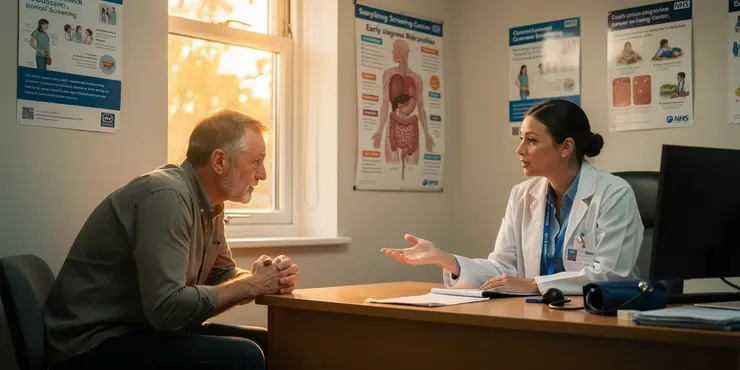
How is bowel cancer diagnosed?
Relevance: 96%
-
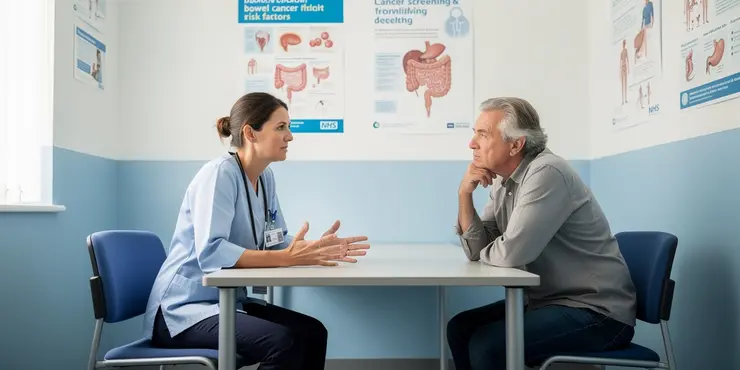
What are the risk factors for bowel cancer?
Relevance: 96%
-
Is diet linked to the rise in bowel cancer?
Relevance: 95%
-
What is the survival rate for bowel cancer?
Relevance: 95%
-
Bowel cancer - Symptoms and signs to look out for
Relevance: 94%
-
What treatment options are available for bowel cancer?
Relevance: 92%

-
How does obesity affect bowel cancer rates?
Relevance: 91%
-
What factors are contributing to the increase in bowel cancer cases?
Relevance: 91%
-
Can bowel cancer spread to other parts of the body?
Relevance: 91%
-
Can lifestyle changes help reduce bowel cancer risk?
Relevance: 90%
-
How does exercise impact bowel cancer progression?
Relevance: 90%
-
Learn about bowel cancer (British Sign Language version)
Relevance: 90%
-

Are there specific benefits of exercise for bowel cancer survivors?
Relevance: 90%
-
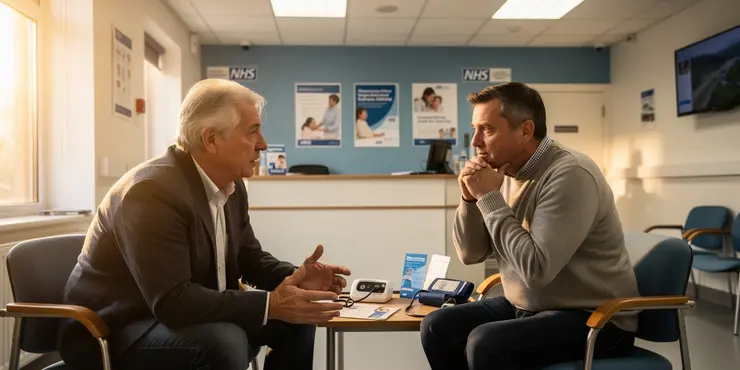
Bowel cancer screening: Alan Titchmarsh and Tommy Walsh | NHS
Relevance: 90%
-
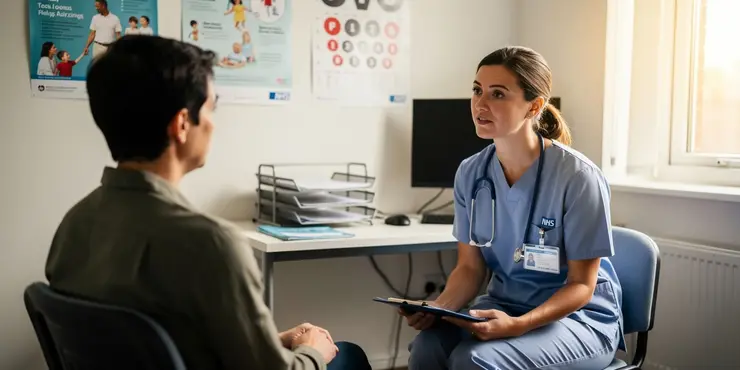
How does family history affect the risk of bowel cancer?
Relevance: 89%
-
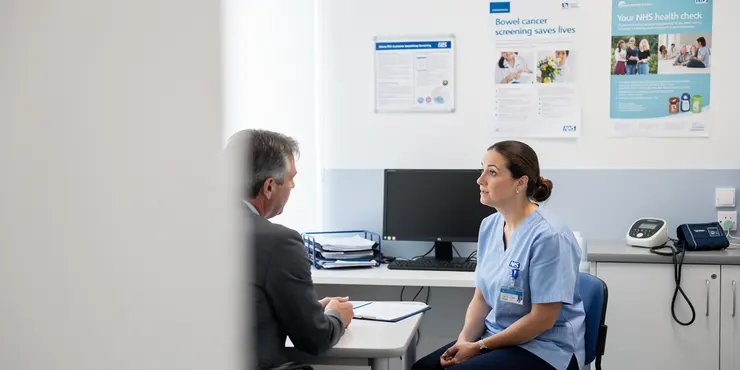
Taking a Genetic Family History - The Conversation (Bowel Cancer)
Relevance: 89%
-
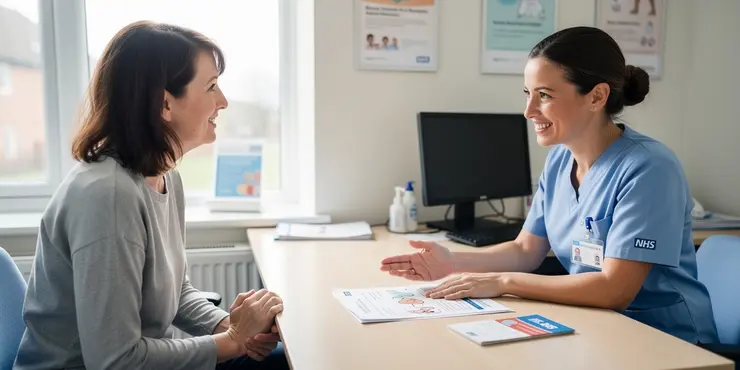
What support is available for individuals diagnosed with bowel cancer?
Relevance: 89%
-
How is the stage of bowel cancer determined?
Relevance: 89%
-
What role does diet play in the risk of developing bowel cancer?
Relevance: 89%
-
What lifestyle changes can help lower the risk of bowel cancer?
Relevance: 88%
-
What are the side effects of bowel cancer treatment?
Relevance: 88%
-
What role does alcohol consumption play in bowel cancer risk?
Relevance: 88%
-
How does increased screening impact bowel cancer statistics?
Relevance: 88%
-

Can exercise help slow down the progression of bowel cancer?
Relevance: 88%
-
Are younger people being diagnosed with bowel cancer more frequently?
Relevance: 88%
-
Can exercise help slow down the progression of bowel cancer?
Relevance: 87%
-
What types of exercise are beneficial for bowel cancer patients?
Relevance: 86%
-
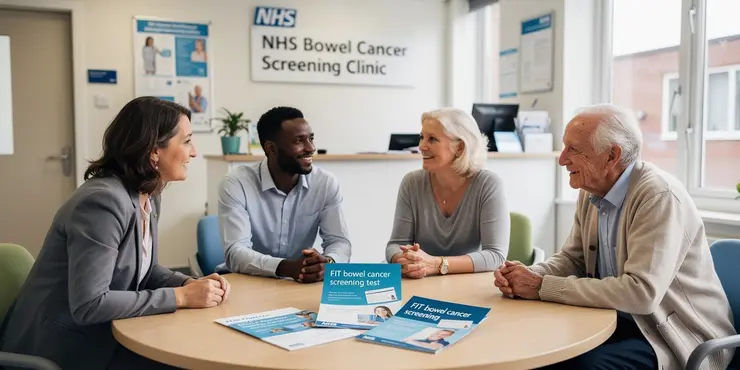
How to do the FIT bowel cancer screening test | Cancer Research UK
Relevance: 83%
-
Bowel Cancer
Relevance: 83%
-
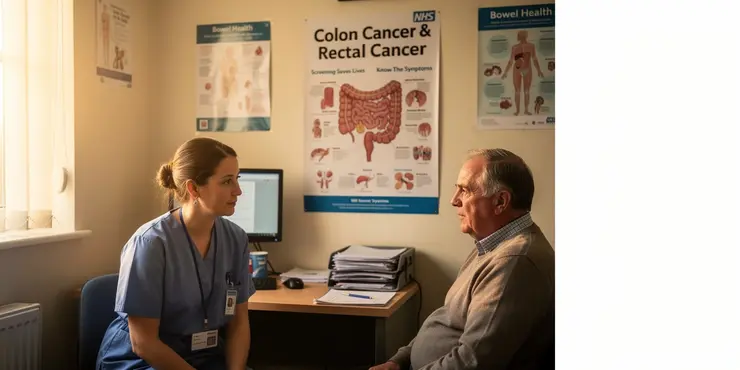
What is the difference between colon cancer and rectal cancer?
Relevance: 70%
-

What are the recommendations for colorectal cancer screening?
Relevance: 63%
-

Ovarian cancer - signs and symptoms to look out for
Relevance: 63%
-
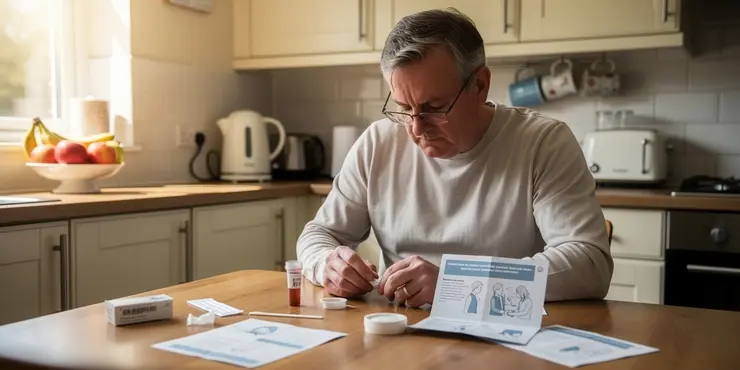
How to use the bowel cancer screening FIT kit | NHS
Relevance: 61%
-
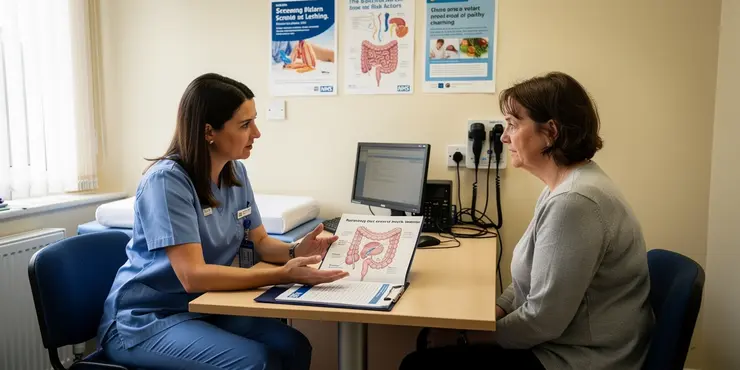
What factors increase my risk of colorectal cancer?
Relevance: 59%
-

What is colorectal cancer?
Relevance: 56%
-

Diagnosing irritable bowel syndrome (IBS)
Relevance: 54%
Barbara's Story
Introduction
"Barbara's Story" is a powerful initiative originally launched by the Guy's and St Thomas' NHS Foundation Trust in London. It was first introduced in 2012 and is designed to improve awareness and understanding of dementia among healthcare professionals. This three-part film series presents the experience of an elderly woman named Barbara as she navigates the healthcare system, offering viewers a firsthand look at the challenges faced by individuals with dementia.
The Impact of Dementia
Dementia affects approximately 850,000 people in the United Kingdom, with numbers expected to rise in the coming years. As a neurodegenerative condition, dementia impairs memory, cognitive function, and the ability to perform everyday activities, placing a significant strain on individuals and their families. "Barbara's Story" aims to showcase the importance of empathy, patience, and understanding in providing care for those affected by dementia.
Key Themes and Educational Value
The series highlights several key themes, including the importance of communication, the need for personalized and compassionate care, and the impact of environmental factors on patient well-being. Healthcare professionals are encouraged to view situations from the perspective of dementia patients, understanding their confusion, anxiety, and fear. By doing so, the series aims to foster more person-centered care practices.
Training and Implementation
"Barbara's Story" has been utilized extensively in training programs for NHS staff and beyond. The films are often accompanied by workshops and discussions, helping to reinforce the lessons learned and encourage reflective practice. The initiative has not only influenced healthcare workers but has also been adapted for use in various other sectors, including social care and public services, to enhance dementia awareness across the board.
Feedback and Success
Since its launch, "Barbara's Story" has received widespread acclaim and has been instrumental in driving improvements in dementia care. Healthcare professionals report a greater understanding of dementia and an increased ability to empathize with patients. The initiative's success is a testament to the power of storytelling in education and the continuous effort to enhance the quality of care provided to vulnerable populations.
Barbara's Story
Introduction
"Barbara's Story" is a program started by the Guy's and St Thomas' NHS Foundation Trust in London. It began in 2012. The program helps doctors and nurses understand dementia better. It tells the story of an elderly woman named Barbara. She shows what it is like to have dementia and go through the healthcare system.
The Impact of Dementia
Dementia affects around 850,000 people in the United Kingdom. This number is growing. Dementia is a condition that makes it hard to remember things. It also affects thinking and doing everyday tasks. This is hard for the people who have dementia and their families. "Barbara's Story" teaches us to be kind and patient with people who have dementia.
Key Themes and Educational Value
The films teach important lessons. They show how to talk kindly and care for each person in a special way. The films also show how the places where people with dementia stay can affect them. It's important for healthcare workers to understand how people with dementia feel, like when they are confused or scared. This helps give better care.
Training and Implementation
"Barbara's Story" is used in training sessions for NHS staff and other workers. The films come with workshops and talks. This helps everyone remember the lessons and think about how they can use them. The program has been used in many places, not just hospitals, to help more people understand dementia.
Feedback and Success
Many people have given positive feedback about "Barbara's Story." It has made dementia care better. Healthcare workers say they understand dementia more and can be more caring with patients. The success of the program shows how powerful stories can be in teaching and improving care for people with dementia.
Frequently Asked Questions
Who is Barbara in Barbara's Story?
Barbara is the main character whose personal experiences and challenges are depicted throughout the story.
What is the primary theme of Barbara's Story?
The primary theme revolves around overcoming adversity, personal growth, and resilience.
Where is Barbara's Story set?
The story is set in various locations around the United Kingdom, providing a rich and immersive backdrop.
Is Barbara's Story based on real events?
Yes, Barbara's Story is inspired by real events, though some aspects may be fictionalised for narrative purposes.
What age group is Barbara's Story suitable for?
Barbara's Story is suitable for readers aged 12 and above, with themes that resonate particularly with young adults and adults.
Does Barbara's Story discuss mental health issues?
Yes, the story touches upon various mental health challenges and aims to raise awareness and understanding.
How can I purchase a copy of Barbara's Story?
Barbara's Story is available at major bookstores, online retailers, and directly from the publisher's website.
Is there an audiobook version of Barbara's Story?
Yes, an audiobook version is available, narrated by a professional actor to enhance the listening experience.
Are there any discussion groups or book clubs for Barbara's Story?
Yes, many book clubs and online forums discuss Barbara's Story. Check local listings or social media for details.
Who is the author of Barbara's Story?
The author of Barbara's Story is an acclaimed writer known for their insightful and emotive storytelling.
What inspired the author to write Barbara's Story?
The author was inspired by true-life events and personal experiences that reflect the challenges and triumphs of individuals like Barbara.
Has Barbara's Story received any awards?
Yes, Barbara's Story has been recognised with several literary awards for its impactful narrative and storytelling.
Can Barbara's Story be used in educational settings?
Absolutely, Barbara's Story is often used in schools and universities to discuss themes such as resilience, mental health, and personal growth.
Are there any sequels or companion books to Barbara's Story?
Currently, there are no sequels, but there may be companion books or related stories in the future.
How has Barbara's Story impacted its readers?
Many readers have found Barbara's Story inspiring and comforting, often sharing how the story has given them hope and a new perspective on overcoming their own challenges.
Who is Barbara in the story about Barbara?
This is about a lady named Barbara. The story is all about her.
To help understand the story better, you can:
- Listen to the story read aloud.
- Look at pictures if there are any.
- Ask someone to explain it to you.
These tools can make it easier to know who Barbara is and what happens in her story.
Barbara is the main person in the story. The story shows what she goes through and the problems she faces.
What is the main idea of Barbara's Story?
Let's find out what Barbara's Story is about. Try to think about:
- What happens in the story?
- Who are the important characters?
- What do the characters learn?
These questions can help you understand the main idea of the story.
If you find it hard to read, you can ask someone to help you or use audiobooks to listen to the story.
The main idea is about getting through tough times, growing as a person, and staying strong.
Where does Barbara's Story happen?
The story happens in different places all over the United Kingdom. This makes it interesting and fun to imagine.
Is Barbara's Story true?
Yes, Barbara's Story is based on real things that happened. But some parts might be made up to make the story better.
What age is good for Barbara's Story?
Barbara's Story is good for people aged 12 and older. It talks about things that are important to teenagers and grown-ups.
Does Barbara's Story talk about mental health problems?
Yes, the story talks about different problems people can have with their feelings and minds. It wants to help people understand these problems better.
How can I buy a copy of Barbara's Story?
Here is how you can get a copy of Barbara's Story:
- Go to a bookstore. Ask if they have Barbara's Story. If they don't, they might order it for you.
- Check online. You can look at websites like Amazon or eBay to buy it there.
- Visit a library. They might have it, or they can tell you where to find it.
Helpful tip: You can ask someone to help you look online or in the store. Using a computer or tablet can make it easier to find the book.
You can find Barbara's Story in big bookshops. You can also buy it online or from the publisher's website.
Can I listen to Barbara's Story as an audiobook?
Yes, you can listen to the book. It is read out loud by a good actor. This makes it more fun to listen to.
Is there a group or club to talk about Barbara's Story?
You can join a group to talk about the book 'Barbara's Story'.
Being in a group can help you understand the book better. You can share your thoughts and hear what others think.
If you find reading tricky, try using pictures or audiobooks to help you.
Yes, many people talk about Barbara's Story in book clubs and online chats. Look at local events or social media to find out more.
Who wrote Barbara's Story?
The person who wrote Barbara's Story is a famous writer. They are good at telling stories that make people think and feel.
Why did the writer choose to write Barbara's Story?
Here is a simpler way to ask this question. Supportive tools to help:
- Use a dictionary to look up difficult words.
- Ask someone to explain if you don't understand.
- Draw a picture about the story to help you remember it.
The writer got ideas from real-life stories. These stories show the hard and happy times of people like Barbara.
Did Barbara's Story win any prizes?
If you are finding it hard to read, you can:
- Ask someone to explain it to you.
- Use a dictionary to help with words.
- Read out loud to understand better.
Yes, Barbara's Story has won prizes for being a really good book with a strong story.
Can teachers and schools use Barbara's Story?
Yes, people use Barbara's Story in schools and universities. It helps to talk about staying strong, mental health, and how we grow as people.
Are there any more books like Barbara's Story?
Is there another book that comes after Barbara's Story?
Are there books that are like Barbara's Story?
Tip: You can ask someone who works at a library or a bookshop. They can help you find more books like Barbara's Story.
Right now, there are no new books, but there might be other books or stories that go with it later.
How Does Barbara's Story Make People Feel?
Lots of people like Barbara's Story. They say it makes them feel better and gives them hope. The story helps them see their own problems in a new way.
Here are some ways to read better:
- Use your finger to follow the words.
- Read out loud if it helps you understand.
- Break the story into small parts.
- Ask someone to read with you.
- Use reading apps that can read the story to you.

Useful Links
This website offers general information and is not a substitute for professional advice.
Always seek guidance from qualified professionals.
If you have any medical concerns or need urgent help, contact a healthcare professional or emergency services immediately.
Some of this content was generated with AI assistance. We’ve done our best to keep it accurate, helpful, and human-friendly.
- Ergsy carfully checks the information in the videos we provide here.
- Videos shown by Youtube after a video has completed, have NOT been reviewed by ERGSY.
- To view, click the arrow in centre of video.
- Most of the videos you find here will have subtitles and/or closed captions available.
- You may need to turn these on, and choose your preferred language.
- Go to the video you'd like to watch.
- If closed captions (CC) are available, settings will be visible on the bottom right of the video player.
- To turn on Captions, click settings .
- To turn off Captions, click settings again.
More Items From Ergsy search
-
What is Bowel Cancer?
Relevance: 100%
-
Why is there a surge in bowel cancer?
Relevance: 97%
-
Can bowel cancer be prevented?
Relevance: 97%
-
How common is bowel cancer?
Relevance: 97%
-
How is bowel cancer diagnosed?
Relevance: 96%
-
What are the risk factors for bowel cancer?
Relevance: 96%
-
Is diet linked to the rise in bowel cancer?
Relevance: 95%
-
What is the survival rate for bowel cancer?
Relevance: 95%
-
Bowel cancer - Symptoms and signs to look out for
Relevance: 94%
-
What treatment options are available for bowel cancer?
Relevance: 92%
-
How does obesity affect bowel cancer rates?
Relevance: 91%
-
What factors are contributing to the increase in bowel cancer cases?
Relevance: 91%
-
Can bowel cancer spread to other parts of the body?
Relevance: 91%
-
Can lifestyle changes help reduce bowel cancer risk?
Relevance: 90%
-
How does exercise impact bowel cancer progression?
Relevance: 90%
-
Learn about bowel cancer (British Sign Language version)
Relevance: 90%
-
Are there specific benefits of exercise for bowel cancer survivors?
Relevance: 90%
-
Bowel cancer screening: Alan Titchmarsh and Tommy Walsh | NHS
Relevance: 90%
-
How does family history affect the risk of bowel cancer?
Relevance: 89%
-
Taking a Genetic Family History - The Conversation (Bowel Cancer)
Relevance: 89%
-
What support is available for individuals diagnosed with bowel cancer?
Relevance: 89%
-
How is the stage of bowel cancer determined?
Relevance: 89%
-
What role does diet play in the risk of developing bowel cancer?
Relevance: 89%
-
What lifestyle changes can help lower the risk of bowel cancer?
Relevance: 88%
-
What are the side effects of bowel cancer treatment?
Relevance: 88%
-
What role does alcohol consumption play in bowel cancer risk?
Relevance: 88%
-
How does increased screening impact bowel cancer statistics?
Relevance: 88%
-
Can exercise help slow down the progression of bowel cancer?
Relevance: 88%
-
Are younger people being diagnosed with bowel cancer more frequently?
Relevance: 88%
-
Can exercise help slow down the progression of bowel cancer?
Relevance: 87%
-
What types of exercise are beneficial for bowel cancer patients?
Relevance: 86%
-
How to do the FIT bowel cancer screening test | Cancer Research UK
Relevance: 83%
-
Bowel Cancer
Relevance: 83%
-
What is the difference between colon cancer and rectal cancer?
Relevance: 70%
-
What are the recommendations for colorectal cancer screening?
Relevance: 63%
-
Ovarian cancer - signs and symptoms to look out for
Relevance: 63%
-
How to use the bowel cancer screening FIT kit | NHS
Relevance: 61%
-
What factors increase my risk of colorectal cancer?
Relevance: 59%
-
What is colorectal cancer?
Relevance: 56%
-
Diagnosing irritable bowel syndrome (IBS)
Relevance: 54%