

Speak To An Expert
Get clear, personalised advice for your situation.
Jot down a few questions to make the most of your conversation.
More Items From Ergsy search
-

Can family members be involved in the care process on a virtual ward?
Relevance: 100%
-
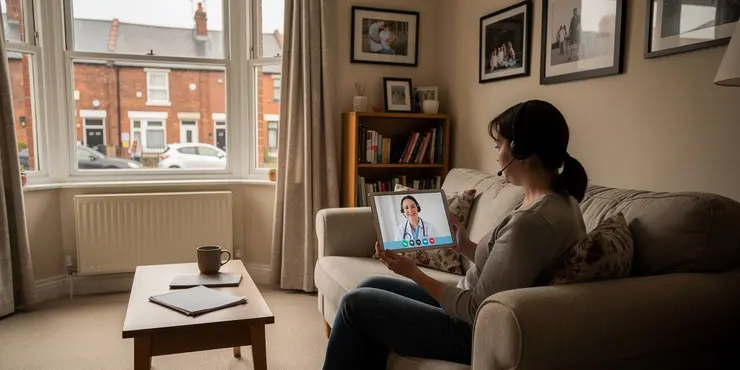
What are Virtual Wards?
Relevance: 66%
-
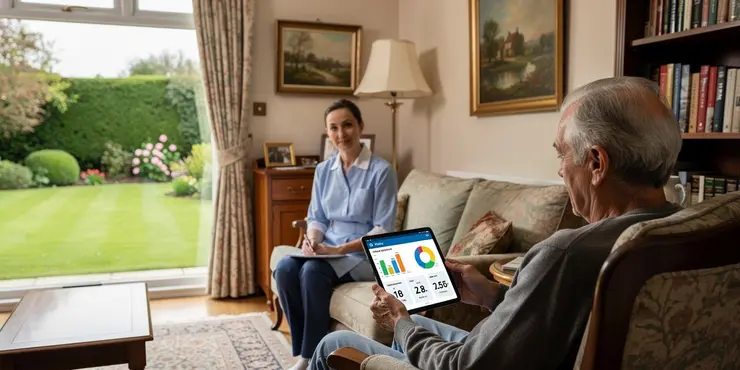
Are virtual wards suitable for elderly patients?
Relevance: 65%
-
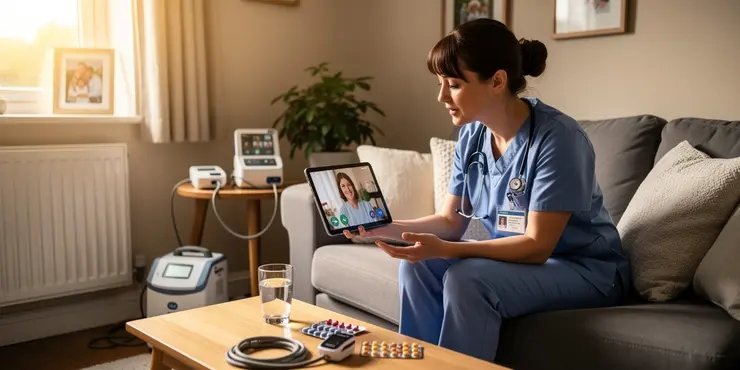
What is a virtual ward?
Relevance: 65%
-

Are virtual wards safe?
Relevance: 63%
-

What are the advantages of virtual wards?
Relevance: 61%
-

How do I enroll in a virtual ward program?
Relevance: 61%
-
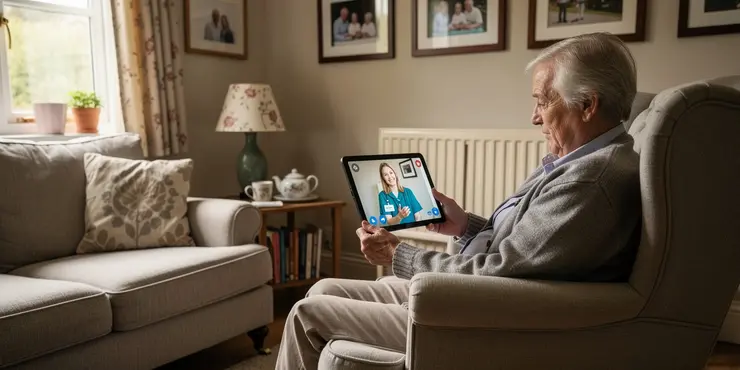
Who can benefit from a virtual ward?
Relevance: 60%
-
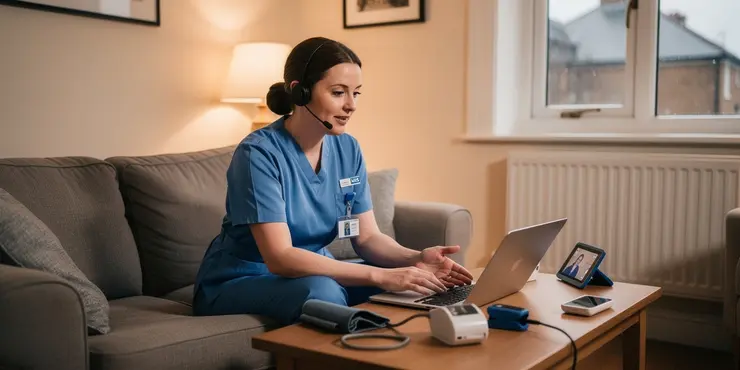
Can virtual wards reduce hospital overcrowding?
Relevance: 59%
-

What kind of support will I receive at home on a virtual ward?
Relevance: 58%

-

How do virtual wards work?
Relevance: 58%
-
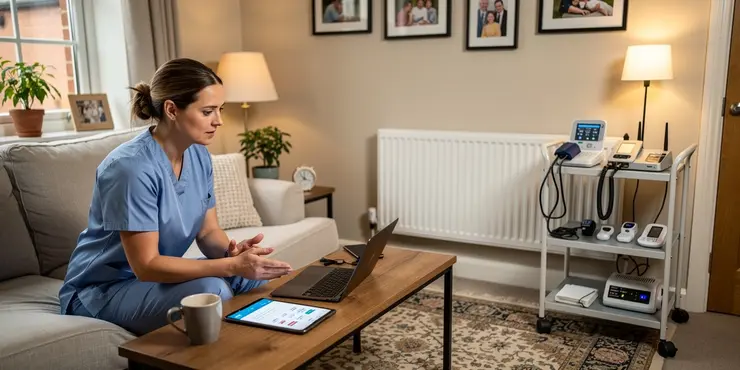
How do virtual wards improve patient outcomes?
Relevance: 57%
-

How do virtual wards differ from traditional home healthcare?
Relevance: 57%
-
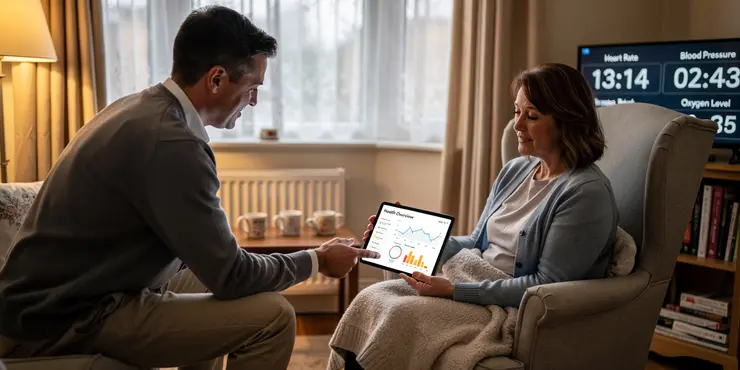
What types of conditions can be managed on a virtual ward?
Relevance: 56%
-

Will I still have access to doctors and nurses on a virtual ward?
Relevance: 55%
-

Do insurance companies cover virtual ward services?
Relevance: 55%
-
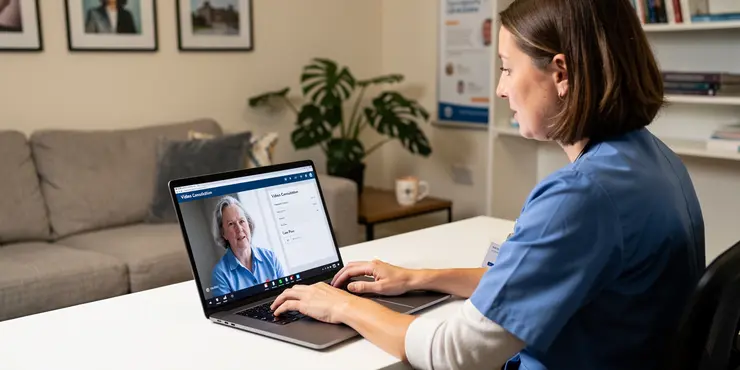
What technologies are used in virtual wards?
Relevance: 55%
-

How are emergencies handled in a virtual ward?
Relevance: 54%
-

What are the qualifications of the staff managing virtual wards?
Relevance: 51%
-
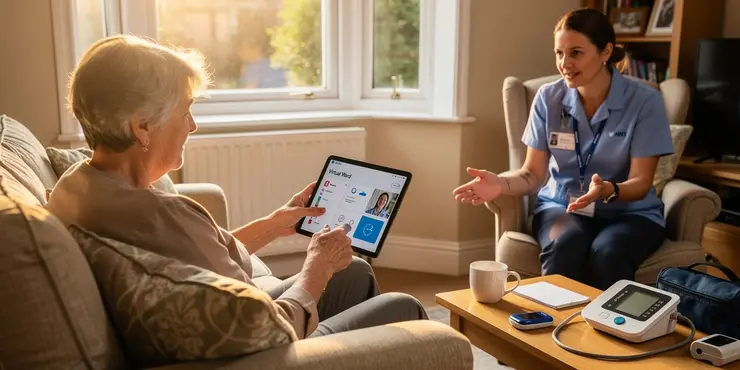
Is my data secure on a virtual ward?
Relevance: 51%
-
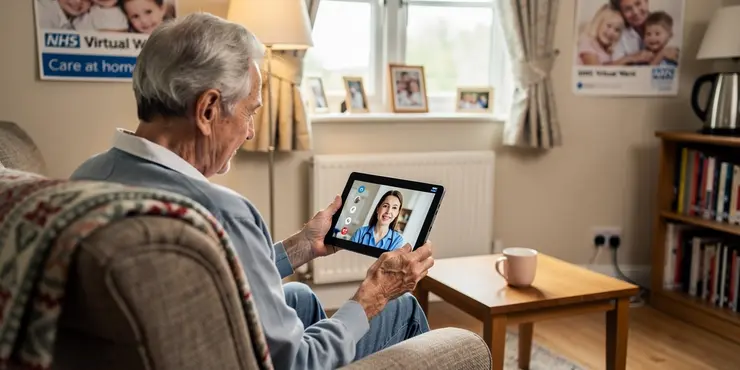
Do I need special equipment to be part of a virtual ward?
Relevance: 49%
-

What if the negligence involved a family member or child?
Relevance: 40%
-
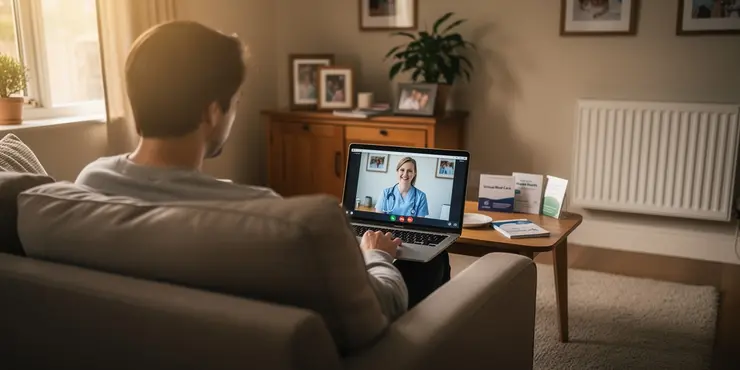
Can family members be involved in the care process on a virtual ward?
Relevance: 40%
-

Can family members be involved in the care process on a virtual ward?
Relevance: 40%
-

Can family members be involved in the care process on a virtual ward?
Relevance: 40%
-

Can family members be involved in the care process on a virtual ward?
Relevance: 40%
-

Can family members be involved in the care process on a virtual ward?
Relevance: 40%
-

Dementia Care at Colten Care
Relevance: 35%
-

How are parents involved in the SEND process?
Relevance: 35%
-

Child Care Proceedings | Family Law
Relevance: 35%
-

How can I plan for future care needs?
Relevance: 34%
-

Colten Care values - montage of all 5 short films
Relevance: 34%
-

What resources have been introduced for families involved in cross-border disputes in 2026?
Relevance: 34%
-

Preventative Care: What Your Family Needs
Relevance: 33%
-
What should families look for in a live-in care agency?
Relevance: 33%
-

How important is family involvement in identifying grooming behaviors?
Relevance: 32%
-
How is the quality of care regulated in care homes?
Relevance: 32%
-

How can primary care support workers contribute to patient care improvement?
Relevance: 31%
-

How can I choose the right care home?
Relevance: 31%
-

What happens if a resident's care needs change?
Relevance: 31%
Introduction to Virtual Wards
Virtual wards are an innovative approach to healthcare that allows patients to receive care from the comfort of their homes. This model leverages technology to monitor patients remotely. It aims to reduce hospital admissions and improve patient outcomes.
The concept is gaining traction in the UK as healthcare systems seek more efficient ways to manage resources. Virtual wards offer patients the benefits of hospital-level care without the need for a hospital stay.
The Role of Family Members
Family members can play a crucial role in the success of care on a virtual ward. They can provide emotional support and assistance with daily activities. This involvement can enhance patient comfort and compliance with treatment plans.
Family members often ensure that patients adhere to medication schedules and follow medical advice. By participating in the care process, they contribute significantly to the patient's overall well-being.
Facilitating Family Involvement
Technology is key to enabling family participation in virtual ward care. Communication tools such as video calls and messaging apps help keep family members in the loop. This real-time connectivity allows them to stay informed about the patient's condition and care plans.
Healthcare providers can use these tools to educate family members about the patient's needs. Training sessions can be held virtually to guide families on how to support the patient effectively.
Benefits for Patients and Providers
Involving family members can lead to improved outcomes for patients in virtual wards. Patients often feel more secure and content when surrounded by loved ones. This support can lead to faster recovery times and greater adherence to treatment.
Healthcare providers also benefit from family involvement. They can rely on family members to report any changes in the patient's condition. This collaborative approach helps ensure that care is responsive and personalised.
Challenges and Considerations
While family involvement is beneficial, it can also present challenges. Not all family members may have the time or skills required to provide adequate support. Training and support from healthcare providers are essential to address these barriers.
Privacy considerations must also be taken into account. Patients may have concerns about sharing health information with family members. It is important to establish clear agreements and consent to manage these issues.
Conclusion
Family members can indeed be involved in the care process on a virtual ward. Their involvement can enhance patient care and improve outcomes. With the right support and technology, families can be active participants in the healthcare journey.
By addressing challenges and ensuring clear communication, virtual wards can harness the strength of family involvement. This collaborative approach is a step forward in modernising patient care in the UK.
Frequently Asked Questions
Can family members participate in virtual ward rounds?
Yes, family members can participate in virtual ward rounds where appropriate, often via video conferencing tools, with the patient's consent.
How can family members stay informed about the patient's condition while on a virtual ward?
Family members can stay informed through scheduled updates from healthcare providers and use of patient portals if available.
Are family members allowed to communicate directly with healthcare providers on a virtual ward?
Yes, family members can communicate with healthcare providers, usually with the patient's consent, via secure messaging, emails, or scheduled calls.
What roles can family members play in the care process on a virtual ward?
Family members can assist in providing support, ensuring medication adherence, and facilitating communication between the patient and healthcare team.
Can family members help manage the technology required for virtual wards?
Yes, family members can help set up and manage the technology needed for virtual consultations and monitoring.
Is there training available for family members to help them support a patient on a virtual ward?
Some virtual ward programs provide training and resources for family members to effectively support the patient’s care.
Can family members be present during virtual consultations?
Family members can be present during virtual consultations if the patient consents, which can help provide additional support and aid in remembering medical advice.
What privacy considerations should family members be aware of in a virtual ward?
Family members should be aware of confidentiality policies and ensure they have the patient’s consent to access medical information shared on virtual platforms.
How can family members assist with medication management on a virtual ward?
Family members can help by organizing medication schedules, reminding the patient to take medicines, and monitoring any side effects.
In what ways can family members provide emotional support in a virtual ward setting?
Family members can offer companionship through regular phone calls or video chats, providing a listening ear and encouragement.
What should family members do if they have concerns about the patient’s health on a virtual ward?
Family members should communicate any concerns directly to the healthcare team, either through designated channels or during virtual consultations.
Can family members be involved in the discharge planning process from a virtual ward?
Yes, family members can be involved in discharge planning to ensure they understand post-discharge instructions and necessary follow-up care.
How can family members access patient health records on a virtual ward?
With the patient’s consent, family members may access health records through secure patient portals provided by the healthcare facility.
Can family members join virtual support groups to learn more about managing patient care?
Yes, many virtual wards offer access to support groups where family members can connect and learn from others in similar situations.
What is the best way for family members to prepare for their involvement in a virtual ward?
Family members should familiarize themselves with the technology, understand their loved one’s care plan, and communicate regularly with healthcare providers.
Can family members assist with home setup for the virtual ward requirements?
Yes, family members can assist with setting up necessary equipment like internet connections, video devices, and monitoring tools.
What if family members have technology troubles during a virtual ward session?
Family members should contact the virtual ward’s tech support for guidance and assistance with technology issues.
Are there guidelines for family involvement in a virtual ward?
Most virtual ward programs provide guidelines outlining how family members can best support the care process and what their roles entail.
Is family involvement in virtual wards covered by patient confidentiality agreements?
Yes, family involvement must align with patient confidentiality agreements, meaning consent is required for family access to medical information and participation.
How can family members ensure they are effectively contributing to the care process on a virtual ward?
Family members should maintain open communication with both the patient and healthcare providers, attend virtual meetings, and follow provided guidelines for support.

Useful Linksxxx
This website offers general information and is not a substitute for professional advice.
Always seek guidance from qualified professionals.
If you have any medical concerns or need urgent help, contact a healthcare professional or emergency services immediately.
Some of this content was generated with AI assistance. We've done our best to keep it accurate, helpful, and human-friendly.
- Ergsy carefully checks the information in the videos we provide here.
- Videos shown by Youtube after a video has completed, have NOT been reviewed by ERGSY.
- To view, click the arrow in centre of video.
- Most of the videos you find here will have subtitles and/or closed captions available.
- You may need to turn these on, and choose your preferred language.
- Go to the video you'd like to watch.
- If closed captions (CC) are available, settings will be visible on the bottom right of the video player.
- To turn on Captions, click settings.
- To turn off Captions, click settings again.
More Items From Ergsy search
-
Can family members be involved in the care process on a virtual ward?
Relevance: 100%
-
What are Virtual Wards?
Relevance: 66%
-
Are virtual wards suitable for elderly patients?
Relevance: 65%
-
What is a virtual ward?
Relevance: 65%
-
Are virtual wards safe?
Relevance: 63%
-
What are the advantages of virtual wards?
Relevance: 61%
-
How do I enroll in a virtual ward program?
Relevance: 61%
-
Who can benefit from a virtual ward?
Relevance: 60%
-
Can virtual wards reduce hospital overcrowding?
Relevance: 59%
-
What kind of support will I receive at home on a virtual ward?
Relevance: 58%
-
How do virtual wards work?
Relevance: 58%
-
How do virtual wards improve patient outcomes?
Relevance: 57%
-
How do virtual wards differ from traditional home healthcare?
Relevance: 57%
-
What types of conditions can be managed on a virtual ward?
Relevance: 56%
-
Will I still have access to doctors and nurses on a virtual ward?
Relevance: 55%
-
Do insurance companies cover virtual ward services?
Relevance: 55%
-
What technologies are used in virtual wards?
Relevance: 55%
-
How are emergencies handled in a virtual ward?
Relevance: 54%
-
What are the qualifications of the staff managing virtual wards?
Relevance: 51%
-
Is my data secure on a virtual ward?
Relevance: 51%
-
Do I need special equipment to be part of a virtual ward?
Relevance: 49%
-
What if the negligence involved a family member or child?
Relevance: 40%
-
Can family members be involved in the care process on a virtual ward?
Relevance: 40%
-
Can family members be involved in the care process on a virtual ward?
Relevance: 40%
-
Can family members be involved in the care process on a virtual ward?
Relevance: 40%
-
Can family members be involved in the care process on a virtual ward?
Relevance: 40%
-
Can family members be involved in the care process on a virtual ward?
Relevance: 40%
-
Dementia Care at Colten Care
Relevance: 35%
-
How are parents involved in the SEND process?
Relevance: 35%
-
Child Care Proceedings | Family Law
Relevance: 35%
-
How can I plan for future care needs?
Relevance: 34%
-
Colten Care values - montage of all 5 short films
Relevance: 34%
-
What resources have been introduced for families involved in cross-border disputes in 2026?
Relevance: 34%
-
Preventative Care: What Your Family Needs
Relevance: 33%
-
What should families look for in a live-in care agency?
Relevance: 33%
-
How important is family involvement in identifying grooming behaviors?
Relevance: 32%
-
How is the quality of care regulated in care homes?
Relevance: 32%
-
How can primary care support workers contribute to patient care improvement?
Relevance: 31%
-
How can I choose the right care home?
Relevance: 31%
-
What happens if a resident's care needs change?
Relevance: 31%