

Speak To An Expert
Get clear, personalised advice for your situation.
Jot down a few questions to make the most of your conversation.
More Items From Ergsy search
-

Charities Warn of Food Insecurity Amidst Rising Cost of Living
Relevance: 100%
-

Understanding the Impact of Rising Living Costs on Family Welfare
Relevance: 60%
-

How Rising Living Costs Are Impacting Family Wellbeing
Relevance: 58%
-

Impact of Rising Living Costs on Family Health
Relevance: 57%
-
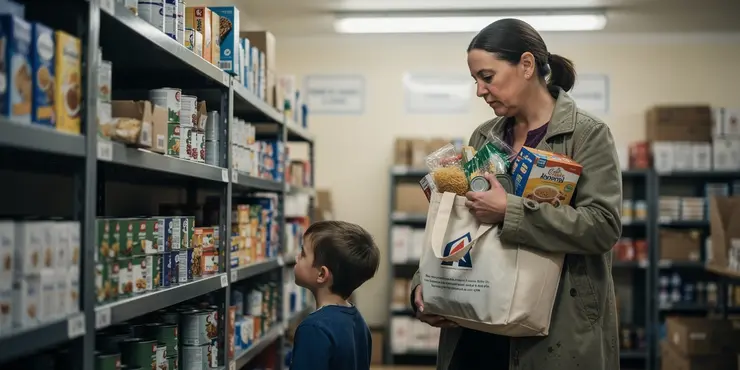
Rise in Food Bank Usage Amid Economic Challenges
Relevance: 55%
-

Addressing the Rising Cost of Living: Community Support and Resources
Relevance: 53%
-
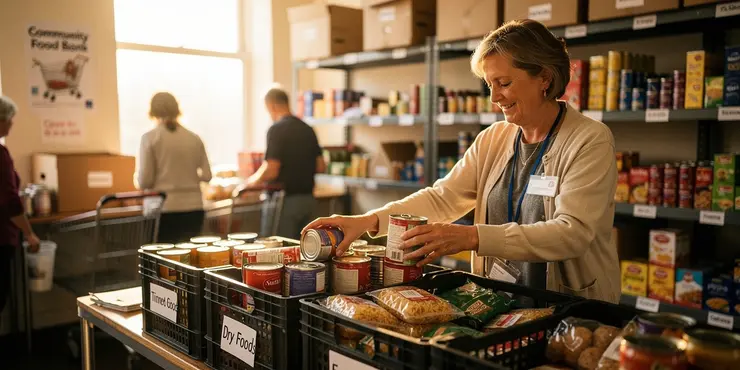
The Rise of Community Food Banks: Combating Hunger Locally
Relevance: 49%
-

Rising Cost of Living: How Families Can Cope
Relevance: 47%
-

Rising Property Prices Fuel Concerns Over First-Time Buyer Accessibility
Relevance: 46%
-

Impact of Rising Energy Prices on Household Budgets
Relevance: 44%

-

Impact of Rising Energy Costs on Family Budgets
Relevance: 44%
-

Addressing the Cost of Living Crisis: Community Support and Resources
Relevance: 44%
-

What is the relationship between rising rents and housing benefit cuts?
Relevance: 42%
-

Is the £500 cost of living payment a one-time payment?
Relevance: 41%
-

Navigating the UK Cost of Living Crisis: Tips for Families
Relevance: 40%
-
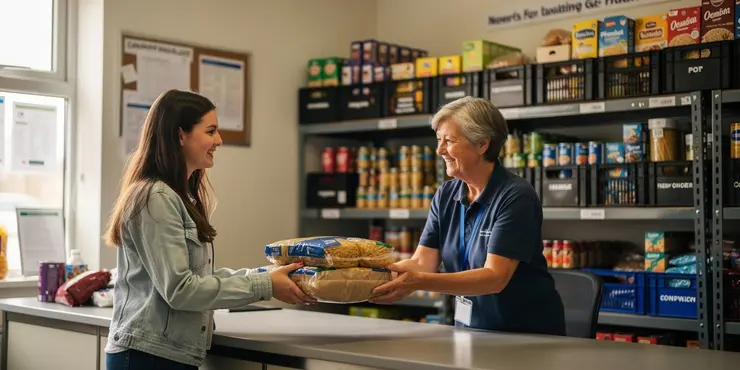
Can anyone use a food bank?
Relevance: 39%
-

Are there any charities that can help with funeral costs?
Relevance: 39%
-

What are the proposed Cuts to Housing Benefits Amid Rising Rents?
Relevance: 38%
-

Is the £500 cost of living payment taxable?
Relevance: 38%
-

How does inflation affect the situation with housing benefits and rents?
Relevance: 37%
-

Addressing the Rising Homelessness Crisis
Relevance: 37%
-

What is the £500 cost of living payment?
Relevance: 37%
-

Mental Health Impact of Cost of Living Crisis and Support Resources
Relevance: 36%
-

What is the £500 cost of living payment?
Relevance: 36%
-
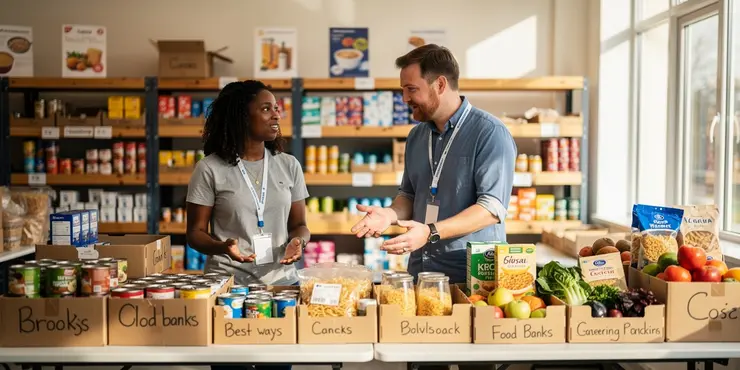
How do food banks get their food?
Relevance: 36%
-

Am I entitled to extra support with benefits and living costs?
Relevance: 36%
-

Will the increase in the National Living Wage affect inflation?
Relevance: 35%
-

Is there a cost to receive food from a food bank?
Relevance: 35%
-

House Prices Soar: First-Time Buyers Share Their Stories
Relevance: 35%
-

Is the £500 cost of living payment a one-time payment?
Relevance: 35%
-

Understanding Your Rights: Legal Support for Families During Economic Turbulence
Relevance: 34%
-

Is the £500 cost of living payment taxable?
Relevance: 34%
-

UK House Prices Fall for Third Consecutive Month
Relevance: 34%
-

Energy Prices Set to Rise: How to Keep Your Bills Down
Relevance: 34%
-

Essential Tips for Mental Health and Well-Being Amidst Rising Living Costs
Relevance: 34%
-

Support Services for Mental Health Amid Economic Uncertainty
Relevance: 33%
-

Are pensioners eligible for the £500 cost of living payment?
Relevance: 33%
-

Can students receive the £500 cost of living payment?
Relevance: 33%
-
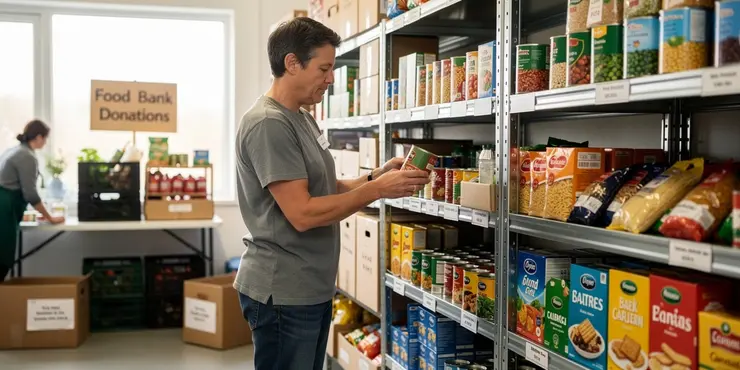
What is a food bank?
Relevance: 32%
-
Financial Support for Families Amid Rising Cost of Living
Relevance: 31%
Overview
Charities across the United Kingdom are sounding the alarm over an alarming rise in food insecurity as the cost of living continues to escalate. As household expenses soar, an increasing number of families are finding it difficult to put food on their tables. Food banks and charities are experiencing unprecedented demand as people from all walks of life struggle to afford basic necessities. The current economic climate highlights the essential role these organisations play in providing relief to the most vulnerable segments of society.
Impact of Rising Costs
The rising cost of living in the UK has been driven by multiple factors, including inflation, increasing energy prices, and supply chain disruptions. These factors have resulted in higher prices for everyday items, making it challenging for low-income households to manage their finances effectively. Reports indicate that families and individuals are skipping meals or reducing portion sizes as a coping mechanism. This not only affects physical health but also impacts mental well-being, exacerbating the stress and anxiety many face.
The Role of Charities and Food Banks
In response to the growing crisis, charities and food banks are intensifying their efforts to support those in need. Organisations such as The Trussell Trust and FareShare have reported a significant increase in demand for their services. These charities are calling for more donations and volunteers to meet the rising need. Food banks provide emergency food parcels, while other initiatives focus on long-term solutions, such as community kitchens and educational programs that teach budgeting and cooking skills.
Government and Community Response
Amidst the growing concern, there have been calls for the UK government to take immediate action to address food insecurity. Proposed measures include increasing welfare payments, addressing energy costs, and implementing policies that ensure food security. Communities are also banding together to support one another through local initiatives and mutual aid groups. However, many argue that sustainable solutions require systemic changes to tackle the deep-rooted issues of poverty and inequality.
Looking Forward
As food insecurity continues to rise alongside the cost of living, it is clear that urgent action is needed to protect the most vulnerable. Charities and food banks remain a vital lifeline for many, but they cannot tackle the issue alone. A coordinated response involving government intervention, community support, and individual contributions is essential to combat this growing crisis. Without significant changes, there is a risk that the situation will deteriorate further, leaving more people without access to essential resources.
Overview
Charities in the UK are worried about food problems because living costs are going up. Many families find it hard to buy enough food. More people are asking for help from food banks. This shows how important charities are for people who need help.
Why Costs Are Rising
Things cost more now because of inflation and other issues like energy prices. This makes it hard for families with less money to buy what they need. Some people eat less or skip meals. This is not good for health and makes people feel worried and stressed.
How Charities Help
Charities and food banks are working hard to help people. Groups like The Trussell Trust need more food and volunteers. They give food to people who need it. They also help in other ways, like teaching how to cook and save money.
How Government and Communities Help
People want the government to help more with food problems. They suggest making energy cheaper and increasing payments to help people buy food. Communities are helping too by starting local projects to support each other. Big changes are needed to fix problems that make people poor.
What Needs to Happen
Food problems are getting worse, so we need to act fast to help people. Charities and food banks are very important, but they need help from the government and communities. Everyone working together can help solve this problem. If nothing changes, more people will struggle to get the food they need.
Frequently Asked Questions
What is food insecurity?
Food insecurity is the state of being without reliable access to a sufficient quantity of affordable, nutritious food.
How are rising costs of living affecting food insecurity?
Rising costs of living can lead to increased food insecurity as household budgets are stretched, making it harder to afford enough nutritious food.
What are the main factors causing the rising cost of living?
Factors include inflation, increased costs of housing, transportation, utilities, and food, as well as stagnant wages.
How can charities help with food insecurity?
Charities can provide food assistance through food banks, meal programs, and financial support to help individuals access nutritious food.
Who is most affected by food insecurity?
Low-income families, single-parent households, seniors, and marginalized communities are often the most affected by food insecurity.
What role do food banks play in addressing food insecurity?
Food banks collect and distribute food to those in need, often partnering with local organizations to reach vulnerable populations.
How can individuals help combat food insecurity?
Individuals can donate to food banks, volunteer, advocate for policy changes, and support local farmers and markets.
What are some long-term solutions to address food insecurity?
Long-term solutions include improving access to affordable housing, increasing wages, strengthening social safety nets, and investing in sustainable agriculture.
Are there government programs to help with food insecurity?
Yes, programs such as SNAP (Supplemental Nutrition Assistance Program), WIC (Women, Infants, and Children), and school meal programs provide assistance.
What impact does food insecurity have on children?
Food insecurity can lead to poor academic performance, developmental issues, and health problems in children due to inadequate nutrition.
How has the COVID-19 pandemic influenced food insecurity?
The pandemic exacerbated food insecurity due to job losses, reduced income, and disruptions in food supply chains.
What types of food are often distributed by food banks?
Food banks typically distribute non-perishable items like canned goods, pasta, rice, and sometimes fresh produce and dairy products.
How can businesses support efforts to reduce food insecurity?
Businesses can donate food, provide funding, sponsor meals, and engage in corporate social responsibility initiatives focused on hunger relief.
What is the difference between hunger and food insecurity?
Hunger is a physical condition resulting from lack of food, while food insecurity refers to the economic and social condition of limited or uncertain access to food.
How can food waste be reduced to help with food insecurity?
Reducing food waste involves improved food storage, better inventory management, and redirecting surplus food to those in need.
What role does education play in addressing food insecurity?
Education can empower communities with knowledge about nutrition, budgeting, and cooking, leading to more sustainable food practices.
How does food insecurity affect health?
Food insecurity can lead to malnutrition, obesity, and other health issues due to inadequate or unbalanced diets.
What is the link between food deserts and food insecurity?
Food deserts, areas with limited access to affordable healthy food, exacerbate food insecurity by restricting food choices.
What steps are being taken globally to combat food insecurity?
Globally, efforts include international aid, development programs, investments in agricultural technology, and initiatives to combat climate change.
How can technology help reduce food insecurity?
Technology can assist by improving food distribution systems, enhancing agriculture productivity, and providing platforms for direct food donations.
What is food insecurity?
Food insecurity means some people do not have enough good food to eat. It can make them hungry and unhealthy.
Here are some tools and techniques to help understand:
- Watch videos about food and where it comes from.
- Look at pictures of different foods and meals.
- Talk with a teacher or an adult about healthy eating.
Food insecurity means not being able to get enough healthy and affordable food.
How is the cost of living going up making it hard to get enough food?
When things cost more money, it can be tough for families. They might not have enough money to buy healthy food.
Why is everything getting more expensive?
Things cost more money these days. Here are some reasons why:
- Prices go up because it costs more to make or get things.
- Sometimes, there is not enough stuff for everyone who wants it.
- Fuel and energy prices can make other things cost more, too.
- People want to earn more money, which can make things cost more.
It helps to keep track of where your money goes and make a budget. Asking an adult for help with planning your money can be useful.
Things like prices going up, houses costing more, and the cost of things like buses, electricity, and food getting higher are factors. Wages, or the money people earn from work, are not really changing.
How do charities help people who don't have enough food?
Charities can help with food in different ways. They have food banks where you can get groceries. They run meal programs where people can eat. They also give money to help people buy healthy food.
Who has the hardest time getting enough food?
Some people find it hard to get enough food to eat. These people can be:
- Families with little money
- Children who don't get enough meals
- Older people who live alone
- People who lost their jobs
If you need help, you can find support at food banks or community centers. Talking to a teacher or social worker can also help.
Some people have a harder time getting enough food. These people are often families without much money, parents raising kids alone, older people, and groups that face unfair treatment.
How do food banks help people who don't have enough food?
Food banks help people who need food. They work with other local groups to give food to people who need it most.
How can people help stop food insecurity?
People can help by giving food to food banks. You can also help by volunteering your time. You can ask leaders to change rules to make things better. Supporting farmers and buying from local markets also helps.
How can we make sure everyone has enough food for a long time?
To help in the long run, we can make these changes:
- Build more homes that people can afford.
- Make sure people get paid more money.
- Help people with things like food and healthcare if they need it.
- Grow food in ways that are good for the planet.
Can the government help if I don't have enough food?
Yes, there are programs that give help. SNAP gives people money to buy food. WIC helps women and children get healthy food. Schools also have meal programs for kids.
How does not having enough food affect kids?
When kids do not get enough food, it can cause problems. Here are some things that can happen:
- They might get sick more often.
- They could find it harder to learn at school.
- Their mood might change. They could feel sad or angry.
There are ways to help kids who need more food:
- We can give them free meals at school.
- We can help their families find food banks nearby.
If you know someone who needs help with food, you can tell them about these options. It's important for all kids to have enough to eat.
Kids who don't get enough food might not do well in school. They can also have trouble growing and staying healthy because they don't get the right foods.
How has the COVID-19 pandemic affected not having enough food?
The COVID-19 pandemic has made it harder for some people to get enough food. Let's look at how it has changed things:
- Some people lost their jobs, so they had less money to buy food.
- Schools closed, so kids sometimes missed meals they got at school.
- Prices for some foods went up, making it harder to afford them.
- Food banks and charities have helped more families get food.
If you want to understand this better, you can use these tips:
- Ask someone you trust to explain things you find hard to understand.
- Look at pictures or videos that show how people get help with food.
- Look for simple stories online about this topic.
The pandemic made it harder for people to get food. This is because many people lost their jobs, had less money, and there were problems getting food to stores.
What food do food banks give out?
Food banks give food to people who need help. Here are some foods they often give:
- Canned food like soup or beans
- Pasta and rice
- Breakfast cereal
- Biscuits or cookies
- Milk in boxes that lasts long
- Fruits and vegetables in cans
If reading is hard, you can:
- Ask someone to read it with you.
- Use pictures to help understand.
- Try listening to a recording of the words.
Food banks give out food that lasts a long time. This can be things like canned food, pasta, and rice. Sometimes they also have fresh fruits, vegetables, and milk.
Here are some tips that might help:
- Ask for a list of food they have, so you know what you can get.
- If you like a certain food, tell the people at the food bank.
- If you find reading difficult, take a friend or helper with you.
How can businesses help make sure everyone has enough food?
Businesses can do a lot to help people who don't have enough food.
Here are some ways they can help:
- Give food to those in need.
- Work with groups that help feed people.
- Make less food waste.
- Support farmers and buy local food.
Businesses can also use apps and websites to share extra food and look for ways to teach people about healthy eating.
Businesses can help in many ways. They can give food, offer money, pay for meals, and take part in programs to help people who are hungry.
What is the difference between being hungry and not having enough food?
Being hungry means your body needs food. You might feel your tummy rumbling or feel tired.
Not having enough food means you do not have enough food to eat and cannot get it easily. This can happen when there isn’t enough money to buy food or if food isn’t available where you live.
If you find it hard to read, you can use pictures or ask someone to read with you and explain. Reading tools on your phone or computer can also help by reading out loud to you.
Hunger is when your body needs food. Food insecurity means not always having enough money or help to buy food.
How can we stop wasting food to help people who don't have enough to eat?
To waste less food, you can do three things. One, store food properly so it stays fresh. Two, keep track of what food you have, so nothing goes bad. Three, if you have extra food, give it to people who need it.
Here are some tips to help:
- Use clear containers, so you can see what food you have.
- Write down what you have in your fridge or cupboard.
- Share extra food with friends or donate to a food bank.
How can education help people get enough food?
Learning can help people understand food better. It teaches them about healthy eating, saving money, and cooking. This helps everyone use food in a smart and caring way.
How does not having enough food affect health?
Not having enough food or the right kind of food can make people sick. This can happen if we don't eat balanced meals. It might cause problems like being too skinny or too heavy, and other health issues.
How are food deserts and food insecurity connected?
Food deserts are areas where people can't buy healthy food easily.
Food insecurity means not having enough good food to eat.
When people live in food deserts, they might not find healthy food nearby.
This can cause food insecurity because it's hard to get the food they need.
Using online maps can help find places that sell healthy food.
Local community groups can also help by giving information about where to find good food.
Food deserts are places where it is hard to find healthy food that doesn't cost too much. This makes it difficult for people to get the food they need.
What is the world doing to help people who do not have enough food?
All around the world, people are working to help others. They give money and support to countries that need it. They also work on new ways to grow food and try to stop climate change from making things worse.
How can technology help make sure everyone has enough food?
Technology can help make food systems better. It can make food easier to share, help farmers grow more food, and let people donate food directly to others.

Useful Links
This website offers general information and is not a substitute for professional advice.
Always seek guidance from qualified professionals.
If you have any medical concerns or need urgent help, contact a healthcare professional or emergency services immediately.
Some of this content was generated with AI assistance. We've done our best to keep it accurate, helpful, and human-friendly.
- Ergsy carefully checks the information in the videos we provide here.
- Videos shown by Youtube after a video has completed, have NOT been reviewed by ERGSY.
- To view, click the arrow in centre of video.
- Most of the videos you find here will have subtitles and/or closed captions available.
- You may need to turn these on, and choose your preferred language.
- Go to the video you'd like to watch.
- If closed captions (CC) are available, settings will be visible on the bottom right of the video player.
- To turn on Captions, click settings.
- To turn off Captions, click settings again.
More Items From Ergsy search
-
Charities Warn of Food Insecurity Amidst Rising Cost of Living
Relevance: 100%
-
Understanding the Impact of Rising Living Costs on Family Welfare
Relevance: 60%
-
How Rising Living Costs Are Impacting Family Wellbeing
Relevance: 58%
-
Impact of Rising Living Costs on Family Health
Relevance: 57%
-
Rise in Food Bank Usage Amid Economic Challenges
Relevance: 55%
-
Addressing the Rising Cost of Living: Community Support and Resources
Relevance: 53%
-
The Rise of Community Food Banks: Combating Hunger Locally
Relevance: 49%
-
Rising Cost of Living: How Families Can Cope
Relevance: 47%
-
Rising Property Prices Fuel Concerns Over First-Time Buyer Accessibility
Relevance: 46%
-
Impact of Rising Energy Prices on Household Budgets
Relevance: 44%
-
Impact of Rising Energy Costs on Family Budgets
Relevance: 44%
-
Addressing the Cost of Living Crisis: Community Support and Resources
Relevance: 44%
-
What is the relationship between rising rents and housing benefit cuts?
Relevance: 42%
-
Is the £500 cost of living payment a one-time payment?
Relevance: 41%
-
Navigating the UK Cost of Living Crisis: Tips for Families
Relevance: 40%
-
Can anyone use a food bank?
Relevance: 39%
-
Are there any charities that can help with funeral costs?
Relevance: 39%
-
What are the proposed Cuts to Housing Benefits Amid Rising Rents?
Relevance: 38%
-
Is the £500 cost of living payment taxable?
Relevance: 38%
-
How does inflation affect the situation with housing benefits and rents?
Relevance: 37%
-
Addressing the Rising Homelessness Crisis
Relevance: 37%
-
What is the £500 cost of living payment?
Relevance: 37%
-
Mental Health Impact of Cost of Living Crisis and Support Resources
Relevance: 36%
-
What is the £500 cost of living payment?
Relevance: 36%
-
How do food banks get their food?
Relevance: 36%
-
Am I entitled to extra support with benefits and living costs?
Relevance: 36%
-
Will the increase in the National Living Wage affect inflation?
Relevance: 35%
-
Is there a cost to receive food from a food bank?
Relevance: 35%
-
House Prices Soar: First-Time Buyers Share Their Stories
Relevance: 35%
-
Is the £500 cost of living payment a one-time payment?
Relevance: 35%
-
Understanding Your Rights: Legal Support for Families During Economic Turbulence
Relevance: 34%
-
Is the £500 cost of living payment taxable?
Relevance: 34%
-
UK House Prices Fall for Third Consecutive Month
Relevance: 34%
-
Energy Prices Set to Rise: How to Keep Your Bills Down
Relevance: 34%
-
Essential Tips for Mental Health and Well-Being Amidst Rising Living Costs
Relevance: 34%
-
Support Services for Mental Health Amid Economic Uncertainty
Relevance: 33%
-
Are pensioners eligible for the £500 cost of living payment?
Relevance: 33%
-
Can students receive the £500 cost of living payment?
Relevance: 33%
-
What is a food bank?
Relevance: 32%
-
Financial Support for Families Amid Rising Cost of Living
Relevance: 31%