

Speak To An Expert
Get clear, personalised advice for your situation.
Jot down a few questions to make the most of your conversation.
More Items From Ergsy search
-

Does secondhand vapor from e-cigarettes contain nicotine?
Relevance: 100%
-

What are the risks of secondhand vapor from e-cigarettes?
Relevance: 86%
-

Does the flavor of e-cigarettes affect the danger of secondhand vapor?
Relevance: 83%
-
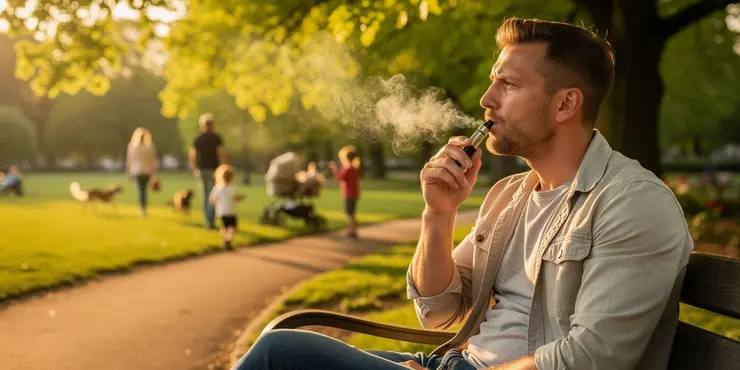
Is secondhand vapor less harmful than secondhand smoke?
Relevance: 80%
-

Can secondhand vapor trigger asthma attacks?
Relevance: 79%
-

What chemicals have been found in secondhand vapor?
Relevance: 78%
-

Is vaping dangerous for people around me?
Relevance: 67%
-

How can I protect others from secondhand vapor exposure?
Relevance: 64%
-
How do nicotine pouches differ from e-cigarettes?
Relevance: 60%
-

What is vaping and is it safer than smoking?
Relevance: 45%

-

Are there any health risks associated with nicotine pouches?
Relevance: 41%
-

Are nicotine pouches safer than smoking?
Relevance: 39%
-
Are there restrictions on the flavors of e-cigarettes?
Relevance: 38%
-

What age restrictions apply to purchasing e-cigarettes under the new rules?
Relevance: 37%
-

Rules on E-cigarettes to Tighten Amid Concerns Over Youth Vaping
Relevance: 36%
-

Can you use nicotine pouches discreetly in public places?
Relevance: 35%
-

What are the new packaging requirements for e-cigarettes?
Relevance: 34%
-

Is online sale of e-cigarettes still allowed?
Relevance: 34%
-

Can vaping contribute to indoor air pollution?
Relevance: 32%
-

Is it safe to vape around pregnant women?
Relevance: 32%
-

Do nicotine pouches contain tobacco?
Relevance: 32%
-
Do nicotine pouches cause addiction?
Relevance: 32%
-

Are there changes regarding advertising e-cigarettes?
Relevance: 31%
-

What are nicotine pouches?
Relevance: 30%
-

Does vaping increase the risk of lung infections for bystanders?
Relevance: 30%
-

Are nicotine pouches safer than smoking cigarettes?
Relevance: 28%
-

Are nicotine pouches regulated by health authorities?
Relevance: 28%
-

How is nicotine absorbed from nicotine pouches?
Relevance: 27%
-
Can using nicotine pouches affect oral health?
Relevance: 26%
-

Can nicotine pouches be used to gradually reduce nicotine intake?
Relevance: 26%
-

Do nicotine pouches stain teeth?
Relevance: 25%
-

Can nicotine pouches help in quitting smoking?
Relevance: 24%
-
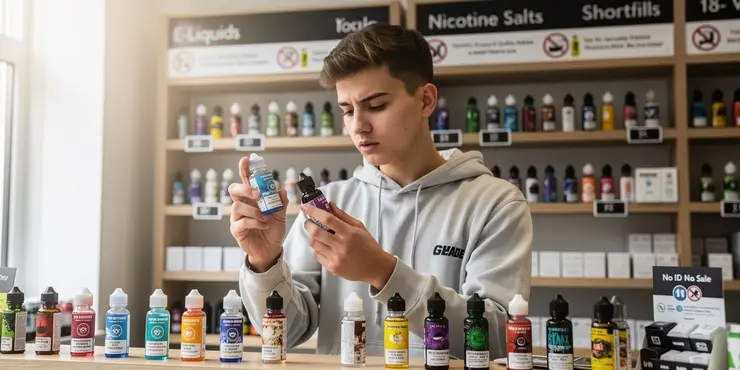
Do these rules affect nicotine content in e-liquids?
Relevance: 24%
-

What is the typical duration a nicotine pouch should be used?
Relevance: 24%
-

Is it possible to detect harmful chemicals in the air from vaping?
Relevance: 23%
-

What are the rules regarding smoking?
Relevance: 18%
-

How do nicotine pouches compare to nicotine gum or patches?
Relevance: 17%
-

Are there non-nicotine options for pouches?
Relevance: 17%
-

Can secondhand vapor affect children?
Relevance: 16%
-

Can caffeine pouches be used for quitting smoking?
Relevance: 16%
Understanding Secondhand Vapor
Secondhand vapor, also known as passive vaping, refers to the exhaled aerosol from e-cigarettes inhaled by non-users. It's similar to secondhand smoke from traditional cigarettes but comes from vaping devices. As e-cigarette usage rises, concerns about the health implications of secondhand vapor have increased.
Unlike traditional cigarette smoke, secondhand vapor contains fewer harmful chemicals. However, it still includes various substances, such as nicotine, which may raise health concerns.
Nicotine in E-Cigarette Vapor
Nicotine is a key component in most e-cigarette liquids, intended to satisfy users' cravings. When e-cigarettes are used, nicotine is released into the vapor. This means that anyone around the user could potentially inhale nicotine in the aerosol.
Studies have examined the presence of nicotine in indoor environments where vaping occurs. Results indicate that nicotine levels from secondhand vapor are much lower than those from secondhand smoke but are still detectable.
Health Risks and Considerations
While the nicotine concentration in secondhand vapor is lower, it’s still enough to raise health concerns. Nicotine is addictive and can impact heart rate and blood pressure. Non-smokers, especially vulnerable groups like children and pregnant women, may be at risk.
The long-term health effects of exposure to secondhand vapor are still not fully understood. This uncertainty highlights the need for ongoing research and cautious deliberation regarding vaping in public spaces.
Legal and Public Health Stance in the UK
The UK has taken steps to regulate e-cigarette use with public health considerations in mind. While not as stringent as tobacco, regulations are evolving to reduce potential risks associated with vaping. Public spaces may have different rules regarding e-cigarette usage indoors.
The National Health Service (NHS) encourages smokers to quit entirely but recognises that e-cigarettes are a less harmful alternative. Nonetheless, there's a push for due diligence concerning secondhand exposure to protect public health.
Conclusion: Staying Informed
As e-cigarette technology evolves, understanding the implications of secondhand vapor remains crucial. Although less harmful than cigarette smoke, it still contains nicotine, which should be considered within health discussions.
Educating oneself and staying informed about vaping and its potential impacts on others is vital. Regulation and personal responsibility are key to ensuring that non-vapers are safeguarded from potential harm.
Frequently Asked Questions
What is secondhand vapor from e-cigarettes?
Secondhand vapor, also known as passive vaping, is the aerosol exhaled by a user after inhaling from an e-cigarette. It may also include the aerosol released directly from the e-cigarette device into the surrounding air.
Does secondhand vapor from e-cigarettes contain nicotine?
Yes, secondhand vapor from e-cigarettes can contain nicotine, depending on the e-liquid being used in the device.
How does nicotine get into secondhand vapor?
Nicotine enters secondhand vapor as it is present in the e-liquid that is vaporized by the e-cigarette. When a user exhales, nicotine particles are released into the air.
Is the level of nicotine in secondhand vapor significant?
The level of nicotine in secondhand vapor is generally lower compared to the levels inhaled directly by the user, but it can still be present and may pose a risk, especially to sensitive individuals.
What are the potential risks of exposure to secondhand vapor containing nicotine?
Exposure to nicotine in secondhand vapor can potentially affect cardiovascular health, and it may be particularly harmful to children, pregnant women, and individuals with pre-existing health conditions.
Can secondhand vapor affect non-smokers?
Yes, non-smokers can be exposed to nicotine and other chemicals through secondhand vapor, which may have health implications.
Are there regulations concerning secondhand vapor exposure in public spaces?
Regulations vary by region, but many places are starting to include e-cigarettes in smoke-free laws to protect the public from exposure to secondhand vapor.
How can I minimize exposure to secondhand vapor from e-cigarettes?
To minimize exposure, maintain well-ventilated areas, create e-cigarette-free zones, and encourage e-cigarette users to vape outdoors away from others.
Does secondhand vapor contain other harmful substances besides nicotine?
Yes, secondhand vapor may also contain other potentially harmful substances such as volatile organic compounds (VOCs), heavy metals, and ultrafine particles.
Are there studies showing the nicotine content in secondhand vapor?
Yes, research studies have shown that secondhand vapor can contain varying levels of nicotine, depending on the e-cigarette devices and e-liquids used.
Is secondhand vapor more or less harmful than secondhand smoke from traditional cigarettes?
While secondhand vapor generally contains fewer toxic substances than traditional cigarette smoke, it still poses potential health risks, particularly due to its nicotine content.
Does all secondhand vapor contain nicotine?
Not all secondhand vapor contains nicotine. It depends on whether the e-liquid used in the e-cigarette contains nicotine or is nicotine-free.
Can secondhand vapor trigger allergies or asthma symptoms?
Yes, exposure to secondhand vapor may trigger symptoms in individuals with allergies or asthma due to the irritating substances it can contain.
What is the stance of health organizations on secondhand vapor?
Many health organizations advise caution regarding secondhand vapor exposure, due to the presence of nicotine and other potentially harmful chemicals.
How long does nicotine from secondhand vapor persist in the air?
The persistence of nicotine and other substances in the air depends on factors such as ventilation and the amount of vapor released, but it can linger for some time after vaping stops.
Can vapor from e-cigarettes affect indoor air quality?
Yes, vaping indoors can affect air quality by introducing nicotine, VOCs, and other particulates into the air.
Is secondhand vapor considered a public health concern?
There is growing concern about the potential health implications of secondhand vapor, especially in enclosed or poorly ventilated spaces.
Can secondhand vapor contribute to nicotine addiction?
While direct contact with secondhand vapor is unlikely to cause nicotine addiction, continued exposure can increase unnecessary nicotine intake.
Is there a safe level of exposure to secondhand vapor?
There is no established safe level of exposure to secondhand vapor. Avoidance and reduction of exposure are recommended, particularly for vulnerable populations.
Are children at particular risk from secondhand vapor exposure?
Yes, children are particularly vulnerable to the effects of nicotine and other substances found in secondhand vapor, which can harm their developing bodies.

Useful Links
This website offers general information and is not a substitute for professional advice.
Always seek guidance from qualified professionals.
If you have any medical concerns or need urgent help, contact a healthcare professional or emergency services immediately.
Some of this content was generated with AI assistance. We've done our best to keep it accurate, helpful, and human-friendly.
- Ergsy carefully checks the information in the videos we provide here.
- Videos shown by Youtube after a video has completed, have NOT been reviewed by ERGSY.
- To view, click the arrow in centre of video.
- Most of the videos you find here will have subtitles and/or closed captions available.
- You may need to turn these on, and choose your preferred language.
- Go to the video you'd like to watch.
- If closed captions (CC) are available, settings will be visible on the bottom right of the video player.
- To turn on Captions, click settings.
- To turn off Captions, click settings again.
More Items From Ergsy search
-
Does secondhand vapor from e-cigarettes contain nicotine?
Relevance: 100%
-
What are the risks of secondhand vapor from e-cigarettes?
Relevance: 86%
-
Does the flavor of e-cigarettes affect the danger of secondhand vapor?
Relevance: 83%
-
Is secondhand vapor less harmful than secondhand smoke?
Relevance: 80%
-
Can secondhand vapor trigger asthma attacks?
Relevance: 79%
-
What chemicals have been found in secondhand vapor?
Relevance: 78%
-
Is vaping dangerous for people around me?
Relevance: 67%
-
How can I protect others from secondhand vapor exposure?
Relevance: 64%
-
How do nicotine pouches differ from e-cigarettes?
Relevance: 60%
-
What is vaping and is it safer than smoking?
Relevance: 45%
-
Are there any health risks associated with nicotine pouches?
Relevance: 41%
-
Are nicotine pouches safer than smoking?
Relevance: 39%
-
Are there restrictions on the flavors of e-cigarettes?
Relevance: 38%
-
What age restrictions apply to purchasing e-cigarettes under the new rules?
Relevance: 37%
-
Rules on E-cigarettes to Tighten Amid Concerns Over Youth Vaping
Relevance: 36%
-
Can you use nicotine pouches discreetly in public places?
Relevance: 35%
-
What are the new packaging requirements for e-cigarettes?
Relevance: 34%
-
Is online sale of e-cigarettes still allowed?
Relevance: 34%
-
Can vaping contribute to indoor air pollution?
Relevance: 32%
-
Is it safe to vape around pregnant women?
Relevance: 32%
-
Do nicotine pouches contain tobacco?
Relevance: 32%
-
Do nicotine pouches cause addiction?
Relevance: 32%
-
Are there changes regarding advertising e-cigarettes?
Relevance: 31%
-
What are nicotine pouches?
Relevance: 30%
-
Does vaping increase the risk of lung infections for bystanders?
Relevance: 30%
-
Are nicotine pouches safer than smoking cigarettes?
Relevance: 28%
-
Are nicotine pouches regulated by health authorities?
Relevance: 28%
-
How is nicotine absorbed from nicotine pouches?
Relevance: 27%
-
Can using nicotine pouches affect oral health?
Relevance: 26%
-
Can nicotine pouches be used to gradually reduce nicotine intake?
Relevance: 26%
-
Do nicotine pouches stain teeth?
Relevance: 25%
-
Can nicotine pouches help in quitting smoking?
Relevance: 24%
-
Do these rules affect nicotine content in e-liquids?
Relevance: 24%
-
What is the typical duration a nicotine pouch should be used?
Relevance: 24%
-
Is it possible to detect harmful chemicals in the air from vaping?
Relevance: 23%
-
What are the rules regarding smoking?
Relevance: 18%
-
How do nicotine pouches compare to nicotine gum or patches?
Relevance: 17%
-
Are there non-nicotine options for pouches?
Relevance: 17%
-
Can secondhand vapor affect children?
Relevance: 16%
-
Can caffeine pouches be used for quitting smoking?
Relevance: 16%